
If you landed here after watching an Eric Fry video ad or reading about his “Project Omega” AI thesis, you’re probably asking: is this guy real, or is this just another stock-picking sales pitch? We looked at his background, his track record, and what actual subscribers say, so you can decide for yourself before you pay for anything.
Quick Verdict: Is Eric Fry Legit?
Yes, Eric Fry is a legitimate investor and newsletter editor. He’s not a random face slapped on a marketing funnel. He spent over a decade as a professional portfolio manager; he has a documented win in one of Wall Street’s toughest public investing contests; and his newsletter, Fry’s Investment Report, is published by InvestorPlace Media, a firm that’s been in business for more than 40 years.
Here’s the short version:
- Real background: Fry managed money professionally for more than 10 years and worked alongside James Grant at Grant’s Interest Rate Observer before moving into newsletter publishing.
- A documented track record: He won the 2016 Portfolios with Purpose competition, beating 650 other finance professionals with a 12-month return of 150%.
- A real, paid product: Fry’s Investment Report is not a free teaser page. It’s a monthly newsletter with a model portfolio, an archive of past picks, and named holdings you can check against actual stock prices.
- A mixed but honest picture: Some of his calls have posted big gains. Others have lost money. That’s normal for any newsletter, and we’ll walk through the real numbers below.
The bigger question isn’t whether Eric Fry is a real person with a real career; he is. The real question is whether his investing style fits you. Keep reading, and you’ll have a clear answer by the end.
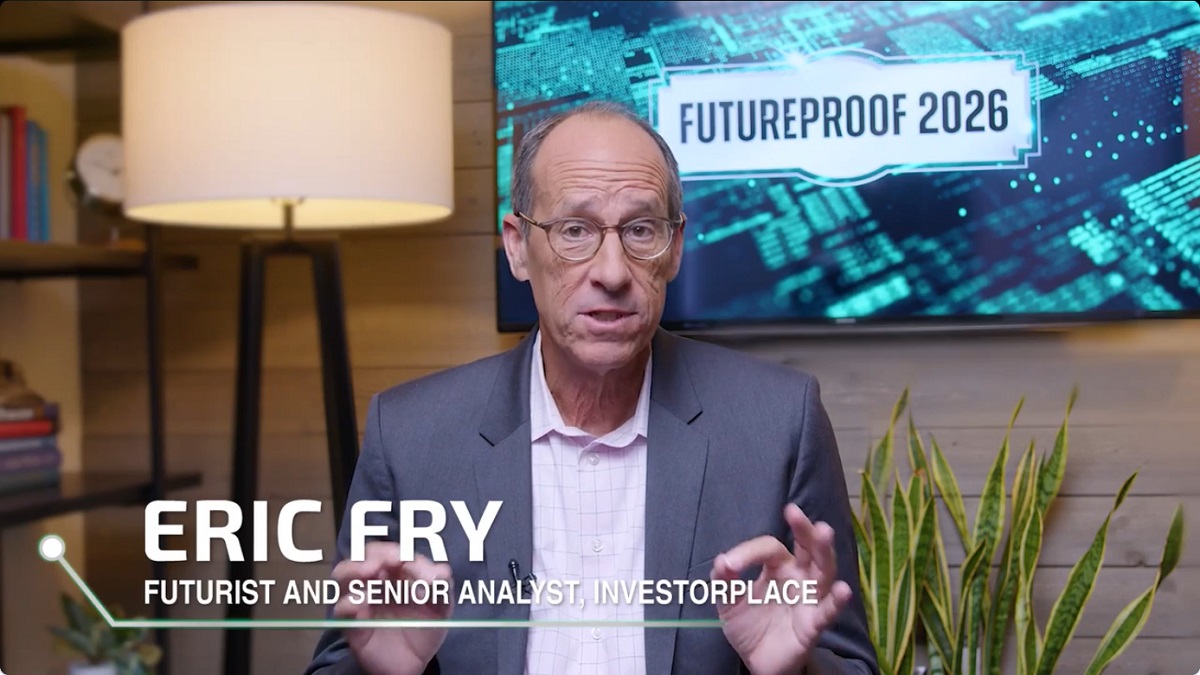
Who Is Eric Fry? Background, Career, and Credentials
Eric Fry built his career around international stocks and global market trends, not domestic day-trading tips. He worked as a professional portfolio manager for more than a decade, focusing on international equities and short-selling strategies. That combination matters, because most retail-facing gurus only talk about buying stocks. Fry’s background includes betting against them too, which takes a different kind of research discipline.
After his time managing money directly, Fry joined the publishing side of the business. He worked with James Grant, the well-known editor of Grant’s Interest Rate Observer, and helped produce research products aimed at professional money managers, not retail investors. That’s a notable detail, because it means Fry cut his teeth writing for an audience that would call out sloppy analysis immediately.
His most cited credential is the 2016 Portfolios with Purpose competition, where he posted a 150% 12-month return and beat 650 other finance professionals to win. This wasn’t a private claim he made about himself; it was a public contest with other named competitors, which gives it more weight than the “I made millions” claims you see from less credible gurus.
Fry eventually moved to InvestorPlace, where he now writes a daily column called Smart Money and edits Fry’s Investment Report. He’s also known for early, profitable calls on Asian and Russian stocks during past financial crises, along with early positions in commodities and electric vehicle stocks before those trends went mainstream. Whatever your opinion of his current picks, it’s hard to find an Eric Fry review that seriously argues he lacks investing experience.
Eric Fry Net Worth: What We Actually Know
If you search for Eric Fry net worth, you’ll run into a real problem: the numbers online don’t agree with each other. We found estimates ranging from around $3 million all the way up to $120 million, and even outdated figures claiming he was worth over a billion dollars based on stock holdings that don’t match his actual career.
So the honest answer is there is no verified net worth figure for Eric Fry. He’s a newsletter editor, not a public company executive, so he has no legal requirement to disclose his income or assets, and he hasn’t published a number himself. Any site that gives you a precise dollar figure is guessing, and you should treat those numbers as entertainment, not fact.
What we can say with confidence is that Fry’s income likely comes from a mix of sources: his InvestorPlace salary and editorial fees, subscription revenue tied to Fry’s Investment Report and his higher-tier services, and possibly his own personal investment gains from decades in the markets. None of that adds up to a number we can print with confidence, and we’d rather tell you that plainly than invent a figure to satisfy a search query.
Eric Fry’s Services: What He Actually Offers
Fry doesn’t run just one product. Here’s a short rundown of what’s currently available.
Fry’s Investment Report is the flagship service and the one most people mean when they talk about “Eric Fry stock picks.” It’s a monthly newsletter built around macro trends, global stock picks, and a running model portfolio. Standard pricing ranges from around $199 to $499 per year, depending on the offer, though InvestorPlace frequently offers discounted entry deals.
The Speculator is Fry’s higher-risk, higher-reward service, built around more aggressive global megatrend plays. It’s positioned for investors who already understand the basics and want more concentrated bets.
Leverage takes a different approach entirely, using options-based strategies tied to Fry’s market view. This one is not for beginners; options carry their own learning curve and risk profile separate from simply buying stocks.
If you’re new to Fry, start by reading about the flagship Investment Report before you consider either of the two upgrade services.
Eric Fry’s Investment Strategy: The AI Framework Behind His Picks
Fry’s approach used to center on something he branded “Project Omega,” a strategy built around the growth of artificial intelligence and loosely tied to the reputation of high-profile tech figures like Elon Musk. That branding drew plenty of attention, but it also drew criticism from people who felt it leaned too hard on a famous name to sell speculative ideas.
By 2026, Fry moved past the original Project Omega label and replaced it with a clearer, four-part system for sorting AI-related stocks. Every company falls into one of four buckets:
- Builders: The companies making AI hardware and software, like chipmakers and cloud platforms.
- Enablers: Suppliers of the physical materials, energy, and infrastructure AI needs to run, think metals, memory chips, and power generation.
- Appliers: Non-tech companies that use AI internally to boost their own profits.
- Survivors: Businesses built to hold up against AI-driven disruption rather than benefit directly from it.
Right now, Fry’s biggest focus sits with Enablers. His argument is simple: most investors already crowd into the obvious chipmaker and cloud plays, so the better opportunity sits with overlooked suppliers of silver, copper, memory chips, and energy infrastructure that make the AI buildout possible in the first place. He’s also flagged what he calls AI’s “emerging bottlenecks”: the idea that a shift toward agentic AI is changing which type of computing hardware, CPUs or GPUs, matters most for the next stretch of growth.
Underneath that AI framework sits a three-part process he applies to the newsletter as a whole:
- Portfolio Purge: Cutting stocks tied to outdated business models before newer competitors disrupt them.
- The “1,000% Portfolio”: Building positions in high-growth, lesser-known tech companies with the kind of upside that AI and other big trends can produce.
- Radical New Technology: Putting money into early-stage technologies that haven’t gone mainstream yet, in exchange for bigger potential payoffs.
Put those pieces together, and it’s clear why “safe” isn’t the right word for Fry’s style. This is a growth- and trend-focused strategy built for investors who can handle volatility in exchange for a shot at outsized gains.
What You Get as a Fry’s Investment Report Subscriber
A subscription includes more than a monthly list of stock picks. Here’s what’s actually included:
- Monthly Newsletter: Delivered after market close on the second Friday of each month, with detailed stock recommendations, market commentary, and analysis.
- Model Portfolio: A running list of every open position, so you can see exactly what Fry currently holds instead of guessing from old issues.
- Archive of Past Picks: Access to years of past recommendations and special reports, useful if you want to check his historical hit rate yourself.
- Weekly Updates and Trade Alerts: Sent between monthly issues whenever market conditions call for action, including sell alerts when a position hits a trailing stop or gets overvalued.
Fry’s Investment Report Cost
Pricing for Fry’s Investment Report isn’t consistent across every offer, which catches some new subscribers off guard. The standard list price runs $199 a year through some promotions, while others frame it as $499 for six months. InvestorPlace also runs discounted entry offers regularly, and we’ve seen introductory pricing as low as $49 for six months or a full year, depending on the promotion.

Every offer includes some form of money-back guarantee, but the window isn’t standardized. Some promotions offer a 365-day guarantee, others cap it at 90 days. Before you hand over payment information, check the exact terms on the specific page you’re subscribing through instead of assuming the terms match what you read somewhere else, including this article.
How Fry’s Investment Report Compares to Other Newsletters
Fry’s Investment Report isn’t the only stock-picking newsletter chasing your subscription dollars, so it helps to know where it sits relative to the field.
Newsletters built around quantitative rating systems take a more systematic, rules-based approach, screening stocks against dozens of factors before making a call. That style usually delivers a steadier experience than Fry’s macro-and-trend approach, though it can miss the kind of early-stage picks Fry specializes in.
Community-driven research platforms take a different angle, giving you access to a large pool of analysts and crowd-sourced ratings instead of one editor’s picks. That means more viewpoints, but also more noise to sort through on your own.
Long-term, buy-and-hold services built around diversified portfolios of 25 or more stocks sit at the opposite end of the risk spectrum from Fry’s smaller, higher-conviction, trend-driven picks.
None of these styles beats the others across the board. It comes down to whether you want a macro, trend-following approach with a smaller number of higher-conviction picks, or a broader, more systematic strategy spread across more names.
Eric Fry Investor Track Record: Wins and Misses
No investor bats a thousand, and Fry is no exception. What matters is whether his overall approach has produced real gains for people who actually subscribed and followed along, not whether every single pick worked out.
Fry’s approach in recent years centers on what he calls the “Sell This, Buy That” framework: cut outdated or overhyped positions while rotating into stocks tied to bigger macro trends. In 2026, that thesis has leaned heavily into what he calls AI “Enablers”, companies supplying the metals, memory chips, and energy infrastructure that AI data centers need, rather than the more obvious chipmaker plays everyone already knows about.
On the win side, two positions stand out. Westgold Resources, recommended in January 2024 at $1.27 a share, later climbed to around $5.02, a gain of roughly 314%, prompting Fry to issue a “sell half” call to lock in profits. Freeport-McMoRan, one of his oldest open positions, was recommended back in January 2020 at $12.90 and has since climbed to around $62.55, a gain of roughly 261%, after Fry trimmed two-thirds of the position along the way.
On the loss side, not every pick worked. PayPal, recommended in mid-2023, was down around 39% as of early 2026. Mosaic, a fertilizer stock recommended in late 2022, was down around 38% over the same stretch. Fry keeps these losing positions visible in his model portfolio archive rather than quietly deleting them, which says something about how transparent the service is with its own results, even when those results aren’t flattering.
Taken together, third-party reviewers tracking his model portfolio have reported an average return of roughly 50% across all open positions as of early 2026, spread across around 30 holdings. That’s a portfolio-level number, not a promise about any single stock, and it will move as positions open and close. If you’re comparing Eric Fry stock picks against other newsletters, that’s the kind of number worth checking directly with InvestorPlace rather than taking on faith from any one source.
Real User Feedback and Complaints
We looked at actual subscriber feedback, not just marketing copy, to get a full picture of what people experience after they pay.
What subscribers like: People consistently mention that Fry keeps politics out of his market commentary, which stands in contrast to some other financial newsletters. Subscribers also say he explains complicated ideas in plain language, so you don’t need a finance degree to follow along. The special reports that come with a subscription, often tied to AI or international markets, get singled out as a strong part of the value.
What subscribers complain about: The most common complaint is cost. At $199 to $499 a year depending on the offer, it’s pricier than some competing services, and a few subscribers question whether it beats what you can piece together from free resources.
Billing and cancellation: This is where you need to pay close attention before you sign up. Pricing and promotional offers change constantly; we’ve seen entry deals as low as $49 for six months alongside standard $199 to $499 annual pricing. The money-back guarantee window also varies by offer, with some promotions offering 365 days and others only 90. Before you subscribe, read the specific terms on the exact page you’re signing up through, not a general FAQ page, since the guarantee and renewal terms can differ deal to deal.
Eric Fry Pros and Cons
Pros:
- Decades of real portfolio management experience, plus a documented, contest-verified track record
- Global, macro-driven approach that goes beyond typical US stock tips
- Named winning positions with real, checkable performance numbers
- Educational content included alongside the actual stock picks
- Money-back guarantee available on most subscription offers
Cons:
- Pricing is inconsistent across offers and can run higher than competing newsletters
- Heavy focus on speculative sectors like AI and emerging markets means higher volatility
- The Speculator and Leverage require a higher risk tolerance and, in Leverage’s case, options experience
Is Eric Fry Legit? The Final Verdict
Yes. Based on his career history, his documented competition win, and the fact that his newsletter has real, trackable positions rather than vague promises, Eric Fry is a legitimate investor and a real financial newsletter editor, not a marketing character built to sell a product.
That said, “legit” doesn’t mean “right for everyone.” Fry’s style leans toward growth stocks, international markets, and speculative themes like AI infrastructure. If you’re a conservative investor who prefers dividend stocks and low volatility, his newsletter probably isn’t the best fit, no matter how strong his track record looks on paper. If you already have some investing experience, a healthy risk tolerance, and an interest in global markets and tech trends, Fry’s Investment Report is a reasonable service to test, especially if you catch one of the lower-priced introductory offers and use the money-back guarantee window to evaluate it risk-free.
Before you subscribe to Fry’s Investment Report or either of his higher-tier services, weigh your own risk tolerance against what he actually recommends, and don’t let any single winning pick, no matter how big the percentage gain looks, talk you into ignoring your own investing plan.
FAQs
What is Eric Fry’s Investment Report?
It’s a monthly financial newsletter published by InvestorPlace and edited by Eric Fry. Subscribers get a monthly issue with stock recommendations, a running model portfolio of around 30 positions, weekly trade alerts, special reports, and access to an archive of past picks.
Is Fry’s Investment Report reliable and worth the money?
It depends on your goals. The service has a documented history of both large gains and real losses, along with a money-back guarantee on most offers. If you want growth-focused, macro-driven ideas and can handle volatility, many subscribers find it worthwhile. If you want low-risk, income-focused investing, it’s probably not the right fit.
Is following Eric Fry’s picks a good long-term investing approach?
Fry holds many positions for years rather than trading in and out quickly; Freeport-McMoRan, for example, has been an open position since 2020. That buy-and-hold-through-volatility style can work for long-term investors, but it requires patience through drawdowns, since not every position moves in a straight line upward.
Who is Eric Fry, the investor behind these picks?
Eric Fry is a financial analyst and former professional portfolio manager with close to three decades of experience in international equities. He won the 2016 Portfolios with Purpose competition with a 150% 12-month return, beating 650 other finance professionals, and now edits Fry’s Investment Report at InvestorPlace.
What is Eric Fry’s net worth?
There’s no verified, publicly confirmed figure. Online estimates range widely, from a few million dollars to over $100 million, and none cite a credible source. Treat any specific number you see online with skepticism.
Is Eric Fry’s Project Omega still active?
Fry has moved past the original Project Omega branding. His current AI strategy sorts every stock into one of four categories: Builders, Enablers, Appliers, and Survivors, and in 2026 he’s been most focused on Enablers: overlooked companies supplying the metals, memory chips, and energy infrastructure the AI buildout needs.