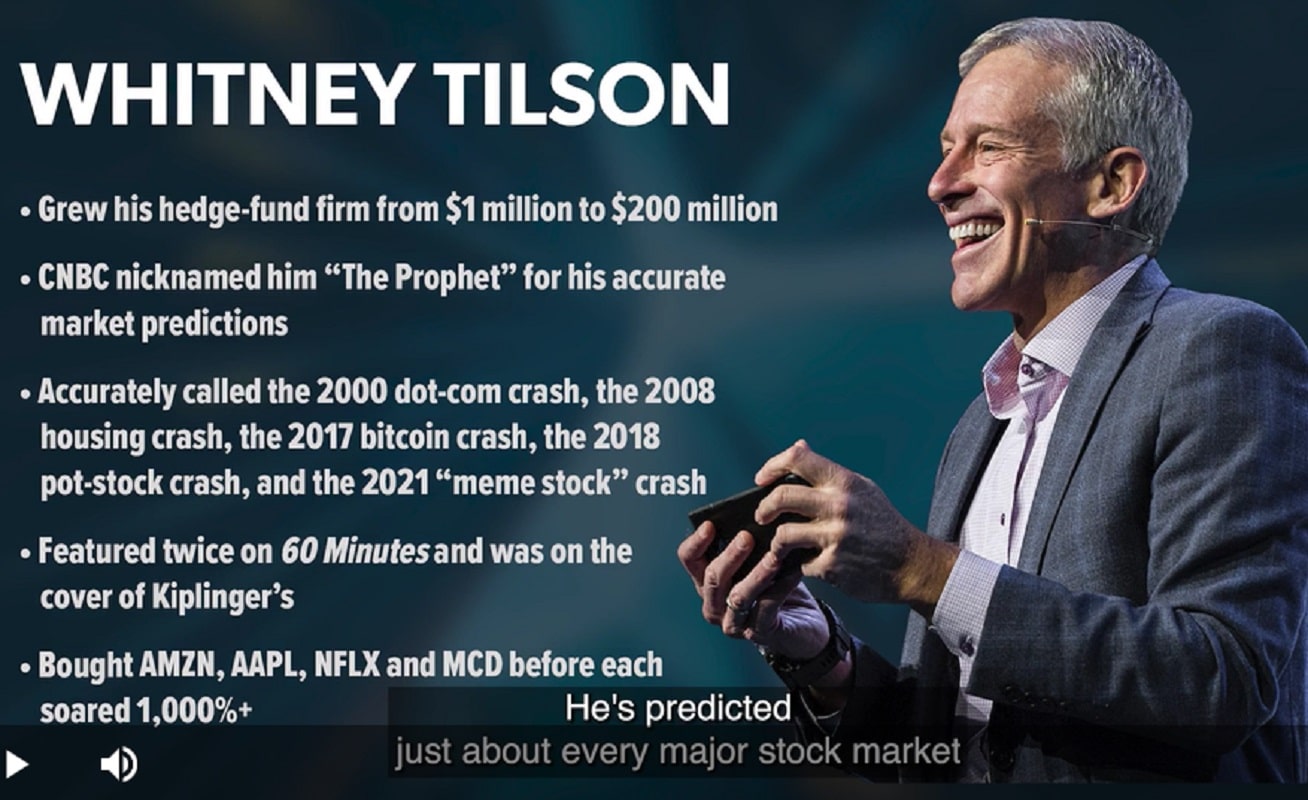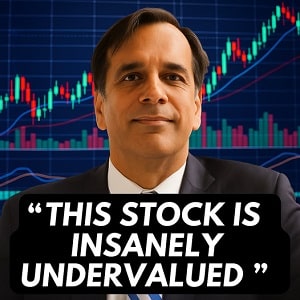
If you spend any time watching financial YouTube or reading investing forums, you’ve probably run into an ad for the Oxford Income Letter. The pitch is usually big: guaranteed income, a “secret” system with a name like 10-11-12, maybe a promise of over $1,000 a week from dividends. Ads like that make anyone with a healthy amount of skepticism pause before pulling out a credit card.
So we looked past the sales copy and dug into the actual person behind it, Marc Lichtenfeld, and the newsletter he runs. Here’s what you need to know before you spend a dollar.
Quick Verdict
- Who he is: Chief Income Strategist at The Oxford Club and author of the bestselling book Get Rich with Dividends
- What he sells: The Oxford Income Letter, a monthly newsletter built around dividend and income investing
- Price: Usually discounted to somewhere between $49 and $59 for your first year, renewing at $79 to $99 after that, depending on the tier and current promotion
- Best for: Long-term, income-focused investors who want dividend growth stock ideas and don’t need day-to-day trading signals
- Not for: Anyone chasing fast gains, or anyone who won’t read past a headline before subscribing
- Bottom line: The credentials are real, and the strategy is sound, but the marketing oversells what a dividend newsletter can realistically do for you
Who Is Marc Lichtenfeld?
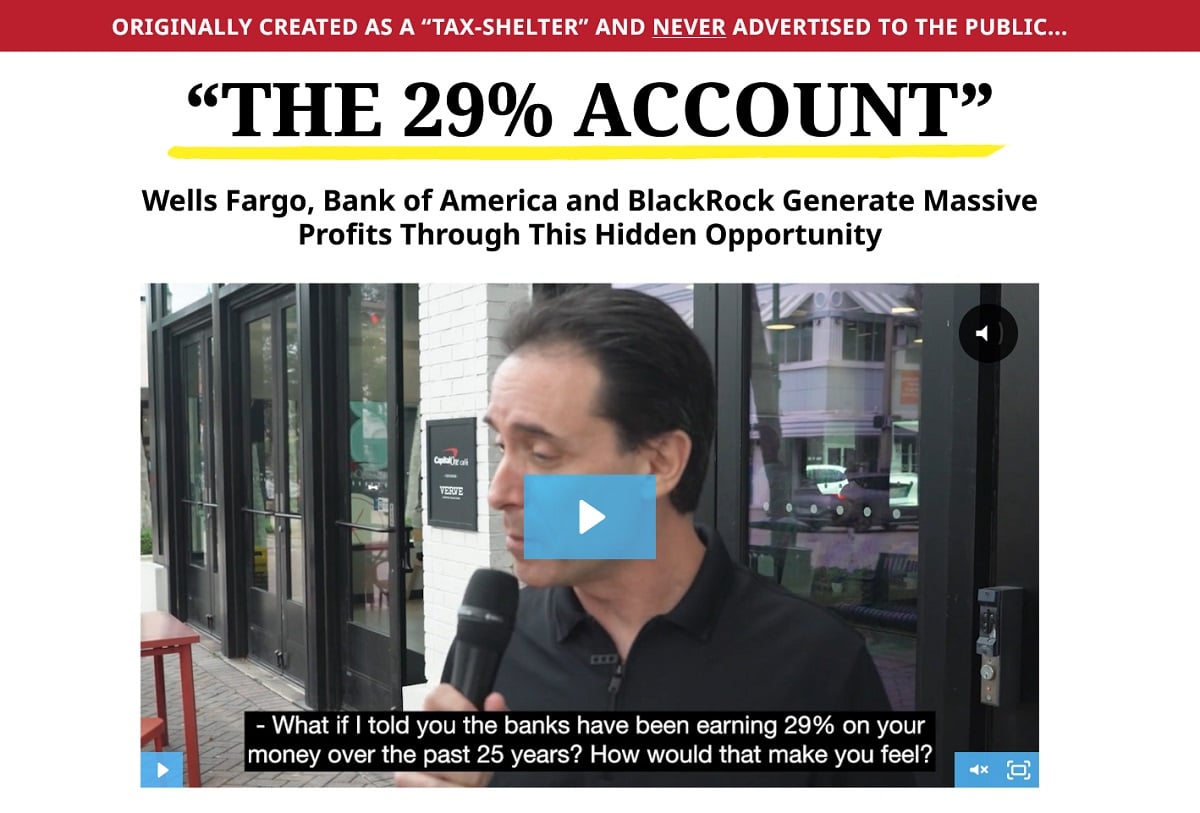
Marc Lichtenfeld didn’t start out on Wall Street. He wanted to be an actor and spent years chasing that career in New York and California. Money got tight, and he started teaching himself about the stock market so he could invest what little he had. That self-taught period turned into a career: he began on the trading desk at Carlin Equities, moved up to trader, then became a sell-side analyst at Avalon Research Group. He joined The Oxford Club in 2007 and has run the Oxford Income Letter for over a decade.
His background matters because it shapes how he talks about money. He isn’t a former hedge fund manager pitching complicated strategies. He’s someone who started broke, learned the math of compounding the hard way, and built a career around a fairly simple idea: dividend growth stocks, held for years, do a lot of the heavy lifting for you.
His credentials outside the newsletter back this up. He wrote Get Rich with Dividends, which has sold more than 110,000 copies, won a Book of the Year award from the Institute for Financial Literacy, and has been translated into several languages. His second book, You Don’t Have to Drive an Uber in Retirement, focuses on building retirement income without going back to work, and it picked up praise from names like Steve Forbes. He also shows up regularly on CNBC, Fox Business, and in The Wall Street Journal, and outside of finance, he works as a professional boxing ring announcer, which at least tells you he’s comfortable in front of a microphone.
None of this proves his stock picks will make you money. But it does mean he’s not an anonymous face behind a slick sales page. You can check his track record, read his book, and see how he talks about investing outside the marketing funnel, which is more than you can say for a lot of newsletter editors.

What Is The Oxford Club?
The Oxford Income Letter doesn’t operate on its own. It’s published by The Oxford Club, a financial research group that’s been running for more than 30 years and bills itself as one of the older independent publishers in the newsletter space.
“Independent” here means something specific: the Club doesn’t manage client money, doesn’t do investment banking, and doesn’t take a cut of trades. It makes money from subscriptions alone, which lines up incentives in a useful way.
If subscribers don’t feel the research is worth the price, they cancel, and the business loses revenue. That structure doesn’t guarantee good advice, but it does mean Lichtenfeld isn’t paid to steer you into products that benefit anyone but you.
What Is the Oxford Income Letter?
At its core, the Oxford Income Letter is a monthly publication built around dividend and income investing. Every issue brings a new stock pick along with the reasoning behind it, a target portfolio to place it in, and a recommended stop-loss level (usually a 25% trailing stop) to help manage downside risk. If a stock hits that stop, subscribers get a mid-month alert rather than waiting for the next issue.
The strategy behind the picks is what Lichtenfeld calls his 10-11-12 System. The idea is straightforward once you break it down:
- 10 refers to a roughly 10-year holding period
- 11 is the target annual yield if you take your dividends as cash
- 12 is the target average annual total return if you reinvest those dividends instead
The math behind reinvesting isn’t magic. A 12% average annual return roughly triples your money over 10 years, and Lichtenfeld is upfront that this assumes you’re not picking the next breakout tech stock. He’s betting on stocks with a decent starting yield (generally 4% or higher, though he’ll accept a bit less if the dividend growth rate is strong) combined with a rising dividend, not on share prices doubling.
One detail that separates his approach from a lot of dividend newsletters: he weighs cash flow more heavily than earnings when deciding whether a company can actually afford its dividend. Earnings include non-cash items like depreciation, so a company can look profitable on paper while its actual cash position tells a different story. Lichtenfeld looks at the payout ratio based on free cash flow instead, which is a more honest measure of whether a dividend is safe.
The Model Portfolios
Rather than one list of stocks, the newsletter organizes recommendations into separate portfolios based on what you’re trying to accomplish:
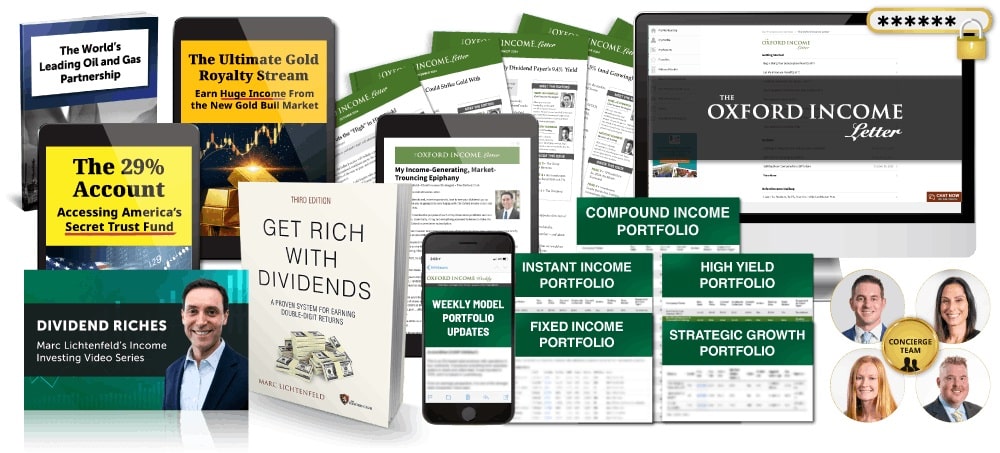
- Compound Income Portfolio – companies with a track record of raising their dividend, aimed at long-term compounding
- Instant Income Portfolio – picks chosen for higher current yield, for subscribers who want income sooner rather than later
- High Yield Portfolio – stocks with larger, though still researched, dividend payouts
- Fixed Income Portfolio – corporate and alternative bonds for subscribers who want less equity exposure
- Strategic Growth Portfolio – a newer, more aggressive addition focused on capital appreciation alongside income
Splitting the recommendations this way is a genuinely useful feature. You’re not stuck with one strategy; you can lean into whichever portfolio matches your timeline and risk tolerance, or mix a few together.
What You Actually Get as a Subscriber
Beyond the monthly issue, subscribers get a handful of add-ons:
- Weekly portfolio updates and a mailbag where Lichtenfeld answers reader questions
- SafetyNet Pro emails that flag dividend growth companies worth watching, and ones to avoid
- Access to Pillar One Advisors, a group covering areas like real estate, tax law, and insurance
- Urgent “Oxford Income Blasts” for news that can’t wait until the next scheduled update
- A free hardcover copy of Get Rich with Dividends with most subscription tiers
That’s a fair amount packed into a single subscription, and it goes beyond just stock tips. Whether the tax and insurance content adds real value depends on whether you’d otherwise pay for that advice elsewhere.
His Investing Philosophy, in His Own Words
A few things Lichtenfeld has said publicly are worth knowing because they show he’s not just chasing yield for the sake of a big number:
He’s blunt about high-yield stocks being a trap for people who don’t ask why the yield is so high. As he’s put it, Wall Street doesn’t hand out money for free, so a stock paying 10% when quality dividend payers are paying 3% deserves a closer look, not blind excitement.
He also treats a company’s dividend history as a signal of management confidence. A business that’s raised its payout for 15 or 20 straight years and then suddenly stops is sending a message to the market that something has changed internally. That’s part of why his picks lean toward companies with a long, consistent record rather than a single attractive yield number.
And he’s explicit that his strategy is not built for short-term traders. He holds positions for years, not weeks, and says he’s not trying to chase whatever sector is hot at the moment. If you want fast-moving trade alerts, this isn’t the right product; The Oxford Club offers separate, more active trading services for that.
Pricing & Plans (2026)
Pricing on newsletters like this shifts often based on promotions, so treat these as general ranges rather than fixed numbers you’ll see the day you check out.
- Standard tier: Often discounted to around $49 for the first year, renewing near $79 to $99
- Deluxe tier: Adds broader digital access, typically in the $100–$130 range annually
- Premium tier: The most complete option, which usually includes a physical mailed copy of the newsletter along with bonus reports and the book, priced anywhere from $79 (first-year promo) up to around $249 at list price
Every tier comes with a 365-day money-back guarantee. That’s a full year to read the issues, watch how the picks perform, and decide if it’s worth keeping, then get a refund if it’s not, and you keep the bonus materials either way. Compared to the 30-day windows most newsletters offer, that’s genuinely generous, and it’s one of the stronger arguments in favor of trying the service.
Where It Falls Short
No newsletter is perfect, and a few patterns come up often enough to flag.
The marketing oversells the product. Ads promising four-figure weekly income “in under four hours” set expectations the actual newsletter doesn’t match. The underlying service is a solid, patient, dividend-growth strategy, not a shortcut to a five-figure passive income stream. If you subscribe expecting the ad’s version of the story, you’ll be disappointed even if the research is sound.
Auto-renewal catches people off guard. Several subscribers report being surprised by a renewal charge they didn’t track. If you sign up, put a reminder on your calendar before the renewal date, especially since the promotional first-year price is usually well below what you’ll pay afterward.
Upsells are frequent, especially early on. Expect emails pitching other Oxford Club products (Oxford Income Pro, Oxford Bond Advantage, and others) in the weeks after you join. It tends to settle down, but the first stretch can feel like a sales funnel more than a research service.
Customer service responses can feel generic. Some subscribers have noted that replies to specific questions come back somewhat templated rather than tailored to their situation. This isn’t universal, but it comes up often enough to mention.
What Users Are Saying
Feedback on the Oxford Income Letter is mostly positive, with a consistent shape to it. Subscribers tend to praise the reliability of the picks and the simplicity of following the model portfolios, and several mention the 10-11-12 framework as easy to understand even without a finance background. The losers in the portfolios aren’t hidden either; independent reviewers who’ve tracked the picks over time note that Lichtenfeld shows the underperforming positions alongside the winners rather than only highlighting the good ones.
On the negative side, the complaints line up with what’s listed above: surprise renewals, a steady stream of upsell emails, and the gap between what the marketing promises and what a long-term dividend strategy can actually deliver in month one.
Is He Legit? A Reputation Check
Newsletter marketing loves titles like “the #1 retirement income specialist,” and Lichtenfeld’s promotional material uses similar language. Self-promotion like that is standard across the entire newsletter industry, so it’s worth separating the marketing claims from what can actually be checked.
What holds up: his employment history at Carlin Equities and Avalon Research Group, his 19-plus years at The Oxford Club, two published books with real sales numbers and real award recognition, and a consistent media presence going back years, not a recent flash of visibility timed to a product launch. What’s harder to verify independently: specific portfolio return figures cited in marketing materials, since third-party audits of newsletter performance are uncommon across this entire industry, not just for Lichtenfeld.
Put together, the picture is of a real analyst with a real, checkable career, running a service whose ads lean harder into hype than the underlying product needs to.
Final Verdict
The Oxford Income Letter is a legitimate dividend and income newsletter run by someone with an actual finance background, not a marketing persona with no track record behind it. The 10-11-12 System is a reasonable, well-explained framework for long-term investors, and splitting picks into separate portfolios gives you flexibility most competitors don’t offer at a similar price.
Where you need to keep your expectations in check is the marketing. This is a patient, years-long strategy dressed up in ads that sound like a quick income hack. If you go in understanding that, know your renewal date, and treat the picks as one input rather than a guarantee, it’s a reasonable service to add to your research at a low starting price with an unusually long refund window to test it out.
FAQs
Is Marc Lichtenfeld a real person with real credentials?
Yes. He has a documented career history at Carlin Equities and Avalon Research Group, has been with The Oxford Club since 2007, and has authored two published books, one of which won an industry Book of the Year award.
What is the 10-11-12 System?
It’s Lichtenfeld’s framework for picking dividend stocks: hold for roughly 10 years, target an 11% yield if you take dividends as cash, or a 12% average annual total return if you reinvest them.
How much does the Oxford Income Letter cost?
Pricing varies with current promotions, but expect a discounted first year somewhere in the $49 to $59 range, renewing between $79 and $99 depending on the tier.
Is there a refund policy?
Yes, a 365-day money-back guarantee applies across all subscription tiers, and you keep any bonus materials even if you cancel.
Is the Oxford Income Letter good for beginners?
The concepts are explained in plain language and don’t require prior investing experience, which makes it approachable for newer investors. That said, you should still understand the basics of how dividends and stop-losses work before acting on any pick.
Is this a get-rich-quick service?
No, and treating it as one is the biggest mistake a new subscriber can make. It’s built around long-term dividend growth, not fast trading gains, despite how some of the advertising is framed.