
Investing $5 million in today’s dynamic market requires strategic foresight and a comprehensive understanding of upcoming trends. In 2026, navigating the complexities of global finance demands innovative strategies that align with economic shifts and technological advancements. Whether you’re looking to maximize returns, preserve wealth, or explore alternative investments, diving into diverse portfolios will be more critical than ever. Our guide unravels eight powerful strategies, helping you make informed decisions and seize lucrative opportunities in the ever-evolving landscape of 2026 markets. Ready to take the next step? Let’s chart the course to your financial success.
Brief Overview
Investing $5 million in 2026 involves navigating dynamic markets shaped by technological advances and economic policies. Key trends like sustainability and AI are creating high-growth opportunities, while economic shifts require strategic foresight and risk management. Engaging with venture capital and private markets can provide lucrative returns if managed judiciously. Monitoring market volatility and implementing flexible strategies ensures long-term success, with the goal of maximizing returns and aligning investments with personal and global trends. For a tailored approach, partnering with financial experts can provide crucial insights to secure a prosperous financial future.
Key Highlights
- Sustainability and green initiatives are major trends in 2026, driving growth in eco-friendly business sectors.
- Economic policies significantly influence capital flows, interest rates, and market performance in 2026.
- Venture capital offers high-return opportunities in sectors like AI and biotechnology, despite high risks.
- Private markets provide exclusive opportunities but require rigorous risk management and diversification.
- Adapting to market volatility with flexible strategies ensures portfolio resilience and growth in 2026.
Understanding 2026 Markets
As we delve into the exciting landscape of 2026 markets, it’s crucial to have a firm grasp on the factors shaping these dynamic environments. With $5 million at your disposal, understanding key trends and economic policies will equip you with insights needed to make informed investment decisions. The markets today are influenced by rapid changes in technology, shifting economic policies, and evolving consumer behaviors. This offers both opportunities and risks as investors navigate a complex global marketplace. Here, we explore significant trends setting the stage and the impact of ongoing economic policies to anticipate market growth and performance.
Key Trends Shaping the Markets
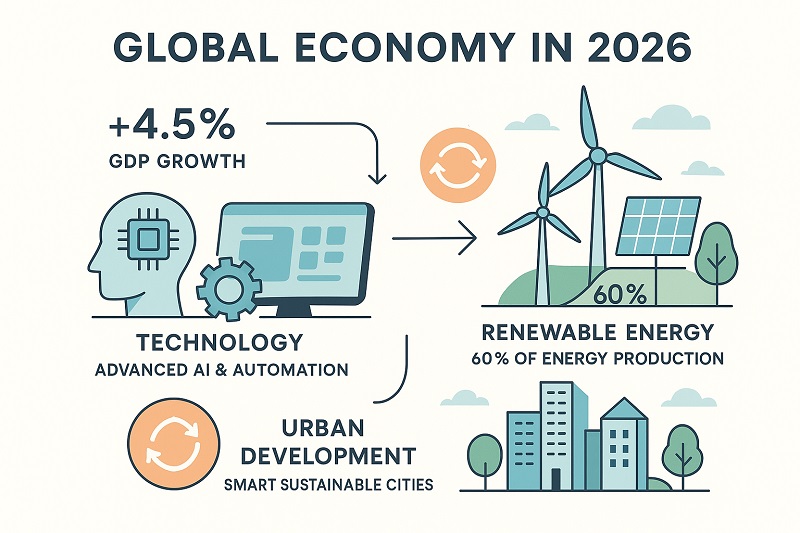
Developing a comprehensive understanding of trends is vital for anyone looking to invest $5 million in the 2026 markets. A major trend that’s been gaining traction is the focus on sustainability and green initiatives. With the planetary needs pressing and regulations tightening, markets are seeing an accelerated shift towards eco-friendly business practices. Companies that commit to net-zero emissions, renewable energy projects, and sustainable business models are likely to experience substantial growth. Investors should assess the potential impact of ESG (Environmental, Social, and Governance) factors, which have become critical in evaluating company performance. The market is increasingly rewarding businesses that innovate to reduce their carbon footprint, offering both risks and opportunities for investors willing to take a forward-thinking approach.
Another key trend is the proliferation of advanced technologies. Artificial intelligence, blockchain, and quantum computing are transforming industries. These innovations are not only enhancing operational efficiencies in companies but are also driving market growth by enabling new business models and creating opportunities for diversification. Investors need to keep an eye on how these technologies permeate various sectors. For instance, AI-driven decisions in finance and healthcare are opening up new investment frontiers.
Furthermore, demographic shifts, particularly in emerging markets, are shaping consumption patterns. As emerging economies grow, they bring a surge in the middle-class population, leading to increased demand for diverse goods and services. Global diversification of capital in such regions may yield high returns. This trend emphasizes the importance of performance tracking and adapting investment portfolios to harness emerging market growth.
Lastly, geopolitical tensions and potential changes in trade policies can alter market dynamics overnight. Investors must stay agile, with strategic plans for risk management amid volatility. This requires near-constant evaluation of political risks, which are now more intertwined with business operations due to global connectivity, impacting markets globally. Whether adapting to new tariffs or shifting supply chains, staying informed on geopolitical developments is crucial for maintaining stable investment growth in today’s markets.
Impact of Economic Policies
The impact of economic policies on the 2026 markets cannot be overstated, especially when you’re considering investments of $5 million. The fiscal and monetary strategies employed by major economies have far-reaching implications on capital flows, interest rates, and ultimately, market performance. For instance, potential changes in interest rates by central banks can significantly affect credit availability and economic growth. Investors need to be vigilant about policy shifts, as rate adjustments influence everything from bond yields to equity valuations, impacting risk assessments for both domestic and global markets.
Monetary policy is another factor that compels attention. Quantitative easing or tightening, alongside shifts in currency valuation, can alter the economic landscape, affecting corporate profits and investor sentiment. An environment where money supply is expanded can lead to market growth by fostering business investments and consumption; however, it can also trigger inflationary pressures, which investors need to carefully monitor.
Furthermore, fiscal policies, like tax laws and government spending programs, shape how markets function. Tax incentives for certain industries can spur growth, while increased government spending can stimulate economic activity. However, these policies must be scrutinized for their long-term sustainability and impact on national debt levels. Investors should research how specific economic policies, such as subsidies for technology sectors or health care reforms, offer niche opportunities.
Additionally, trade policies play a pivotal role in shaping market dynamics. As countries renegotiate trade agreements, the flow of goods, services, and capital is influenced, altering competitive landscapes. Markets in 2026 are likely to respond to these changes, with certain sectors gaining competitive advantages.
Staying ahead of these economic policy changes requires an analytical approach to understand the implications on different sectors and regions. This enhances an investor’s risk management strategy, enabling them to pivot and reallocate investments in response to policy shifts. Keeping a pulse on political climates and policy updates is not just wise but necessary for protecting and growing investments in such a complex, interconnected global market.
Strategies for High-Growth Investing
Positioning yourself within high-growth sectors is a priority as we step into 2026. Investing $5 million requires acute insights into markets that promise exponential returns through strategic approaches. Here, we focus on pinpointing sectors with extraordinary growth potential and leveraging financial strategies like the Rule of 72, which serves as a predictive tool for future growth. These strategies are tailored to equip investors with the necessary tools for high-yield returns while managing risk in diverse equity and stock portfolios.
Identifying High-Growth Sectors
Navigating 2026’s investment landscape means recognizing which sectors are poised for high-growth. It’s not just about buying stocks; it’s a strategic decision requiring in-depth analysis and foresight. As we’ve seen, the push towards sustainability is gaining momentum, creating lucrative opportunities in green technology and renewable energy industries. The commitment to reduce carbon emissions and employ sustainable practices is drawing massive capital inflows, making these areas prime targets for investors seeking growth.
The healthcare sector also offers promising prospects. Advances in biotechnology and personalized medicine are transforming patient care, driving innovation and growth. Investors eyeing the healthcare sector need to consider the scalability of companies integrating AI and blockchain to enhance healthcare delivery efficiency, thereby creating significant market value. Moreover, the digital transformation across all sectors means technology continues to be a focal point for growth. Artificial intelligence and quantum computing enterprises are anticipated to lead market growth, offering robust opportunities for diversification and high returns.
A deep dive into emerging markets can also unveil opportunities where demographic changes fuel economic expansion. Countries in Asia and Africa are experiencing the rise of a middle class that brings about increased consumption, which in turn accelerates industrial growth. International investors can benefit by strategically allocating equity to these growing economies. However, while high-growth sectors hold potential, they also carry inherent risks. Therefore, understanding market performance trends and evaluating risks becomes crucial in crafting a resilient investment strategy.
Investors should develop a model portfolio that not only seeks high-growth but also balances risk through diversification across different sectors and regions. Regularly reviewing and adjusting equity positions based on insights and economic forecasts will ensure sustained growth. In this context, the Rule of 72 becomes a vital tool for predicting when investments will double, guiding timing and resource allocation in high-growth strategies.
Using the Rule of 72 to Predict Growth
The Rule of 72 is an invaluable strategy for investors seeking growth in the 2026 markets. This simple formula helps predict how quickly an investment will double, given a fixed annual rate of return. By dividing 72 by the expected rate of return, you can determine the approximate number of years it will take for your capital to grow twofold. This predictive strategy is particularly useful when evaluating stocks within high-growth sectors such as technology or renewable energy.
In practice, applying the Rule of 72 necessitates an eye on consistent performance metrics to gauge potential returns accurately. For instance, if a tech stock is expected to yield an annual return of 12%, dividing 72 by 12 projects that your original investment will double in about six years. However, it’s crucial to remember that past performance doesn’t guarantee future results, so investors should also modify this strategy with real-time market analysis and economic insights.
Meanwhile, the Rule of 72 can act as a guidepost for modifying your investment strategies as market conditions change. Its simplicity makes it a flexible tool, adaptable to both equity and bond markets, allowing investors to quickly assess the potential of various opportunities. Whether you’re delving into capital-heavy sectors or diversifying across industries with varying risk profiles, this rule provides a foundational perspective on the timing of returns.
Nevertheless, using the Rule of 72 is most effective when combined with broader market analyses. Investors should leverage insights about economic policies, technological innovations, and industry performance trends to refine their growth strategies. Additionally, staying informed about geopolitical dynamics is essential, given their potential to disrupt market forecasts significantly.
Ultimately, by incorporating the Rule of 72 into your investment decision-making, you can better manage your $5 million portfolio over multiple growth cycles. This proactive strategy allows you to exploit high-growth opportunities while maintaining an adaptable, resilient approach amid uncertain market conditions. The Rule of 72 thus becomes more than just a predictive tool; it integrates with comprehensive risk assessment and performance tracking, ensuring your investment journey is both informed and strategically grounded.
Exploring Venture Capital Opportunities
Diving into venture capital presents a compelling avenue for investing $5 million in 2026. With the potential for substantial returns, venture capital can offer investors unique access to flourishing portfolio companies within private markets. As we navigate this landscape, understanding the role of venture capital in your investment portfolio and mitigating the high stakes involved becomes crucial. These strategies can significantly enhance your returns and diversify your exposure beyond traditional stock market investments.
The Role of Venture Capital in Your Portfolio
For investors considering where to best allocate $5 million, venture capital plays an intriguing role in diversifying an investment portfolio. By injecting capital into start-ups and emerging companies, investors can access unique opportunities that might not be available in conventional markets. Venture capital funds allow investors to partake in the early stages of companies poised for growth, often capitalizing on innovative ideas or cutting-edge technologies. This investment approach can yield substantial returns, particularly when a portfolio company experiences exponential growth and contributes significantly to overall portfolio performance.
In the current economic climate, as markets are constantly being reshaped by technological advancements and shifting consumer demands, having a portion of one’s investment portfolio in venture capital is a proactive move. Investors are turning to venture capital not only for the potential high returns but also for the possibility of equity stakes in promising ventures that can revolutionize industries. Given the trend toward digital transformation, investments in sectors like artificial intelligence, biotechnology, and sustainable technologies can drive diversified growth.
However, incorporating venture capital into your investment portfolio requires a keen understanding of risk management. While the potential for high returns is undeniable, these investments also carry a degree of risk not typically associated with more traditional investment vehicles. Each investment made through a venture capital fund may not guarantee returns, making it essential to diversify your venture capital investments across multiple sectors and stages of company growth. This strategic diversification can buffer against the inherent risks of high-stakes investing.
Moreover, venture capital’s strategic alignment with private equity allows investors to tap into exclusive investment opportunities that are often restricted to larger institutional players. By joining a venture capital fund, private investors gain access to a network of industry professionals, resources, and expertise that enhance decision-making and maximize returns. As we delve into 2026 markets, understanding the transformative role venture capital can play in an investor’s overall strategy is critical for navigating and leveraging the changing financial ecosystem.
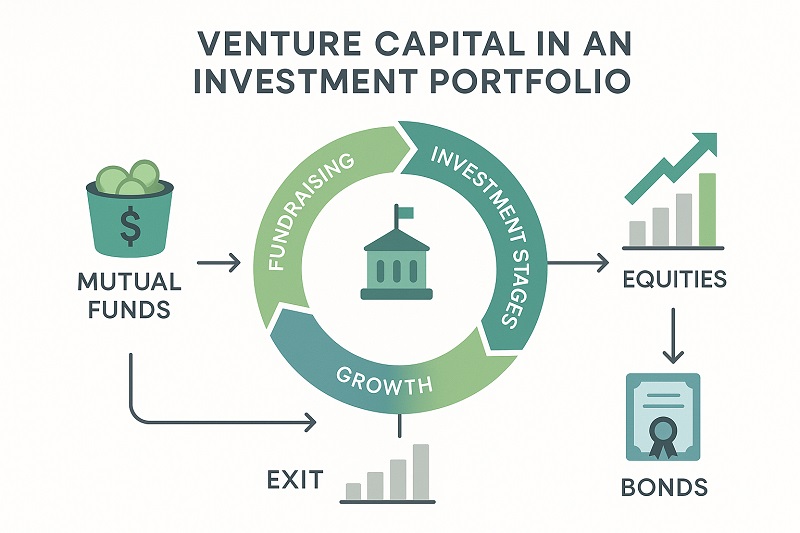
Embracing venture capital as part of your investment strategy comes with its set of challenges and rewards. Investors need to adeptly navigate the private markets, focusing on balancing high risks with the potential for significant returns. On one hand, the unparalleled access to burgeoning sectors through venture capital presents lucrative prospects; on the other hand, these investments often involve long gestation periods and a high failure rate among start-ups.
The first step in managing these high stakes is to build a diversified investment portfolio that includes various venture capital funds specializing in different industries. This approach increases the odds of backing a successful startup that could yield large returns, while simultaneously spreading risk across multiple ventures. By investing in technology-driven enterprises, renewable energy solutions, or innovative healthcare companies, investors can align their portfolios with sectors exhibiting robust growth potential.
Furthermore, understanding market dynamics and conducting thorough due diligence on potential investments is vital. Investors should scrutinize the performance history of venture capital funds, assess the management teams of portfolio companies, and evaluate market conditions. With the volatile nature of private markets, staying informed about geopolitical influences and technological trends can provide a competitive edge in identifying top-performing investments.
Venture capital investments don’t typically pay dividends; rather, the returns are realized through equity appreciation as companies mature and achieve successful exits, such as initial public offerings (IPOs) or acquisitions. Investors must be patient and willing to commit their capital over extended periods, often five to ten years, to truly realize returns. Tracking and analyzing fund performance regularly ensures that adjustments to the investment strategy can be made promptly when necessary.
A critical aspect of navigating these investments is engagement with fund managers who bring a wealth of expertise and strategic insights into emerging markets. Their experience can assist in vetting opportunities and managing risk exposure, ultimately leading to better investment outcomes. Collaboration with knowledgeable professionals can significantly enhance your portfolio’s resilience against market volatility, while capitalizing on exclusive and high-return opportunities.
As you explore venture capital in 2026, remember that while returns can be significant, so are the risks. Thus, a balanced, informed approach, leveraging both market insights and expertise from seasoned investors, is essential to maximizing potential returns and securing your $5 million investment’s place amid dynamic and evolving marketplaces.
Investing in Private Markets
Venturing into private markets offers a unique opportunity to diversify your investment portfolio, especially when considering the allocation of $5 million in 2026. These markets provide exclusive investment opportunities that are usually out of reach in public markets, making them a lucrative option. However, successful investing in private markets requires a keen understanding of risk management and access to specialized opportunities. Here, we’ll explore how investors can access these exclusive opportunities and effectively manage risks to make informed and strategic decisions that align with their financial goals.
Accessing Exclusive Investment Opportunities
Investors looking to make the most of their $5 million should carefully consider accessing exclusive investment opportunities in private markets. These markets offer unique prospects that aren’t typically available within publicly traded spaces, such as access to private equity and niche sectors like real estate. By focusing on private markets, investors can tap into burgeoning industries and companies before they reach the public eye, often resulting in substantial returns on investment. In 2026, exploring these markets requires a strategic approach, involving identifying high-potential prospects within sectors that align with evolving market dynamics.
Understanding the intricacies of accessing private markets is crucial. This begins with establishing solid relationships with fund managers and private market professionals who can open doors to a range of investment opportunities. These professionals possess invaluable insights and expertise, enabling investors to enter competitive and high-potential sectors like technology and sustainable energy. Accessibility isn’t just about finding the right investments but also navigating the complex landscape of regulations that govern private equity and real estate markets.
One of the key benefits of private markets is their ability to offer customizable investment models. Investors can choose flexible strategies tailored to specific risk appetites and financial goals. For instance, by investing in private equity or real estate funds, investors can diversify risk and benefit from the expertise of seasoned managers handling diverse assets. Unlike public markets, private market investments often align closely with personal goals, thanks to their tailored nature.
However, it’s essential to acknowledge the risks involved with private markets. High potential returns often come hand-in-hand with increased volatility and longer investment horizons. Thorough due diligence and risk assessment must precede any investment. Investors should seek opportunities that offer not just high returns, but also align with personal risk tolerance and investment timelines. By taking these steps, investors can effectively access private markets, positioning themselves for lucrative returns while safeguarding their $5 million investment.
Adopting a proactive approach is crucial for staying ahead. Investors should continuously monitor market trends and shift focus as needed. This might involve moving funds between different sectors as industries evolve and new opportunities arise. By leveraging these strategies and continuously seeking knowledge, investors can better navigate private markets, unlocking exclusive opportunities with the expertise and foresight needed in 2026.
To help investors effectively navigate private markets and maximize their investment potential, consider the following strategic steps:
- Build and maintain robust relationships with industry insiders.
- Prioritize sectors with significant growth potential like tech and sustainable energy.
- Conduct thorough due diligence and risk assessments before committing.
- Tailor investment strategies to align with personal risk and financial goals.
- Stay informed about regulatory changes affecting private market investments.
- Regularly reassess and adjust your investment portfolio based on market trends.
- Leverage the expertise of seasoned fund managers for diversification and risk management.
These strategies provide a roadmap for successfully accessing and capitalizing on exclusive private market opportunities in 2026.
Risk Management in Private Markets
When venturing into private markets with a $5 million investment, risk management becomes a cornerstone for preserving and maximizing growth. Unlike public markets, private markets tend to exhibit less transparency, making risk assessment a bit more complex but equally critical. Investors must develop rigorous strategies to mitigate risks while pursuing potential high-return opportunities inherent in private market investments.
A robust risk management strategy begins with diversification. Spreading investments across various private equity and real estate opportunities can mitigate concentrated risk in any single asset or market. Employing a diversified portfolio approach enables investors to balance potential losses from underperforming assets against gains from successful investments. This method also extends to including a range of asset types, such as private credit and niche opportunities within sectors like technology and real estate, offering a mix of high-growth prospects and stable returns.
Investors should prioritize conducting exhaustive due diligence on potential private market opportunities. This involves evaluating the performance track record of fund managers, understanding the underlying business models of included ventures, and assessing market conditions that could influence asset performance. Engaging with seasoned professionals in private markets who have a keen understanding of the dynamics and risks involved can significantly enhance the quality of analysis and decision-making.
Moreover, maintaining liquidity can serve as an effective risk management tool. Allocating a percentage of the portfolio to more liquid assets within private markets ensures that investors can manage unforeseen market conditions without compromising their financial positions. This liquidity buffer becomes particularly vital during periods of economic uncertainty or when better opportunities emerge that require rapid capital reallocation.
A key aspect of risk management in private markets is monitoring and adjusting strategies in response to market changes. In the dynamic financial landscape of 2026, private markets are influenced by technological advancements, economic policies, and geopolitical events. Investors must be agile, ready to pivot investment strategies based on evolving conditions and emerging insights. This iterative approach to risk management not only protects the investment portfolio but also primes it for capturing emerging growth opportunities.
Finally, investors need to recognize the significance of aligning risk strategies with personal investment goals and timelines. For instance, those seeking long-term capital growth should balance the pursuit of high returns with an understanding of the inherent risks and longer investment horizons typical of private market investments. By deploying a well-rounded risk management framework, investors can confidently navigate private markets, positioning their $5 million investments for sustainable growth while minimizing exposure to potential downsides in an ever-changing global market.
Adapting to Changing Market Conditions
Investing $5 million in 2026 requires more than just recognizing market trends, it’s about adeptly responding to market volatility and adjusting strategies according to unfolding conditions. With technological pushes and policy shifts consistently influencing the investing landscape, investors must remain nimble and informed. By monitoring market volatility and implementing flexible strategies, one can craft a robust portfolio that withstands the tests of time, while maximizing returns. This approach ensures that you’re not only riding the wave of current conditions but also setting a firm foundation for sustainable growth, no matter how the market evolves.
Monitoring Market Volatility
In the fast-paced world of 2026 investing, monitoring market volatility is an indispensable skill for any investor. With $5 million at stake, understanding how market fluctuations influence performance is vital to mitigating risk and optimizing returns. The volatility of financial instruments can be a double-edged sword, offering opportunities for substantial gains while concomitantly posing significant risks. Investors keen on maximizing their returns must develop an acute sense of market movement, utilizing key insights and performance tracking tools. This involves leveraging real-time data analytics and maintaining a close watch on market indices to promptly identify and respond to potential changes.
Market volatility often results from a confluence of factors such as economic policy shifts, geopolitical events, and technological advancements. Thus, a proactive approach is necessary. One effective method is utilizing a model portfolio to simulate various market scenarios, allowing you to play out potential outcomes without incurring actual financial loss. This strategic tool aids in understanding how factors like changes in interest rates or stock market swings influence your portfolio. Moreover, it helps in assessing risk tolerance levels and reinforcing decision-making processes.
To effectively navigate market uncertainty, investors should engage with expert insights regularly. Drawing on the knowledge of seasoned professionals, perhaps through credit and infrastructure funds, can offer valuable perspectives on market dynamics and emerging trends. These insights enhance performance monitoring, enabling investors to anticipate shifts and adjust strategies accordingly. For instance, if market performance indicates burgeoning opportunities in specific sectors, like technology or renewable energy, being well-informed allows investors to pivot resources promptly into these high-return territories.
Moreover, keeping abreast of credit availability and its impact on the market is crucial. Changes in credit policies can directly affect market liquidity and investment opportunities. Thus, staying informed about macroeconomic indicators and credit movements ensures that investors are not blindsided by sudden shifts that could impact their portfolios. This involves regular consultations with financial experts who provide a comprehensive analysis of how such factors might affect your investment strategy. Ultimately, the goal is to harness market volatility as an ally, not an adversary, thereby fortifying your portfolio against unforeseen changes and positioning it for sustainable growth.
Flexible Strategies for Long-Term Success
In the context of 2026 market complexities, flexibility in investment strategies is more important than ever. A flexible strategy allows investors to adapt to unpredictable market shifts, ensuring steady performance even amid volatility. The concept of flexibility in investment involves employing adaptive strategies that adjust to changing market conditions, risk levels, and emerging opportunities. For investors managing a $5 million portfolio, such flexibility can translate into diversified investments that optimize returns while maintaining a keen focus on risk management.
Crafting a flexible investment strategy begins with embracing global diversification. By spreading investments across various indices and market segments, investors can mitigate risks associated with concentrating too much in one area. Global diversification provides a buffer against regional economic changes, aligning your portfolio with broader, more stable market trends. This might include investing in emerging markets where growth potential is high or incorporating commodities that offer protection against inflationary pressures.
Additionally, structuring a model portfolio that incorporates multiple asset classes, such as equities, bonds, and alternative investments, ensures that you’re well-positioned to adapt to market fluctuations. A well-balanced portfolio often includes a portion allocated to infrastructure projects, which tend to offer reliable returns and act as a hedge against other market volatilities. Flexibility in asset allocation is key, as market conditions are notoriously unpredictable, requiring frequent evaluations and adjustments.
Incorporating flexibility also entails leveraging insights derived from continuous market analysis. By accessing performance metrics and expert analyses, investors can gauge how different industries and asset classes are performing and recalibrate their strategies to align with emerging trends and technological innovations. This continuous evaluation process ensures that investment decisions remain informed and aligned with long-term financial goals.
Equally imperative is the ability to pivot strategy in response to unforeseen economic policies or geopolitical disruptions. For instance, if trade tensions affect certain market sectors adversely, a flexible strategy enables you to reallocate resources swiftly to shield your portfolio from potential downturns. This might involve increasing exposure to less volatile or alternative assets, which remain resilient despite market ebbs and flows.
Ultimately, cultivating flexibility within investment strategies not only facilitates immediate responses to changes but also embeds resilience into your long-term planning. For the sophisticated investor, flexibility isn’t just a tactic; it’s a comprehensive approach that blends agility with foresight, ensuring that your $5 million investment thrives against all odds. Adoption of flexible strategies guarantees that you’re prepared to capitalize on new opportunities as they arise, securing financial success in an ever-changing global market landscape.
Investing $5 million by 2026 offers numerous opportunities across diverse markets. Emerging innovations, sustainable assets, and strategic diversification are key to maximizing returns and minimizing risks. Staying informed and adaptable, while aligning your investment strategy with personal goals and global trends, can enhance your portfolio growth. Whether you’re inclined toward cutting-edge digital assets or prefer the stability of traditional equities, customized strategies will be vital. Partnering with financial experts ensures informed decisions, paving the way for a prosperous financial future. Download our comprehensive guide today to personalize your investment journey and shape your financial success story.
FAQ: How to Invest $5 Million
Why is it important to have strategic foresight when investing $5 million in 2026?
Strategic foresight is crucial in 2026 because of the rapidly changing market dynamics influenced by technological advances and economic shifts. Understanding these trends helps in making informed decisions and maximizing returns.
What are the key trends affecting investment decisions in 2026?
Key trends include sustainability and green initiatives, advancements in AI and blockchain, demographic shifts in emerging markets, and ongoing economic and geopolitical changes. Investors must adapt to these to harness growth opportunities effectively.
How can investing in venture capital enhance your $5 million portfolio?
Venture capital offers access to high-growth opportunities not available in public markets, with the potential for significant returns. However, it requires strategic risk management and diversification across sectors and company stages.
What role do private markets play in a diversified investment strategy in 2026?
Private markets provide exclusive investment opportunities that can yield substantial returns. They require rigorous due diligence and a keen understanding of risk management due to less transparency compared to public markets.
How can flexibility in investment strategies help manage market volatility?
Flexible strategies allow investors to adapt to changing market conditions, enhancing portfolio resilience. This involves global diversification, frequent reassessment of asset allocations, and staying informed about market trends.