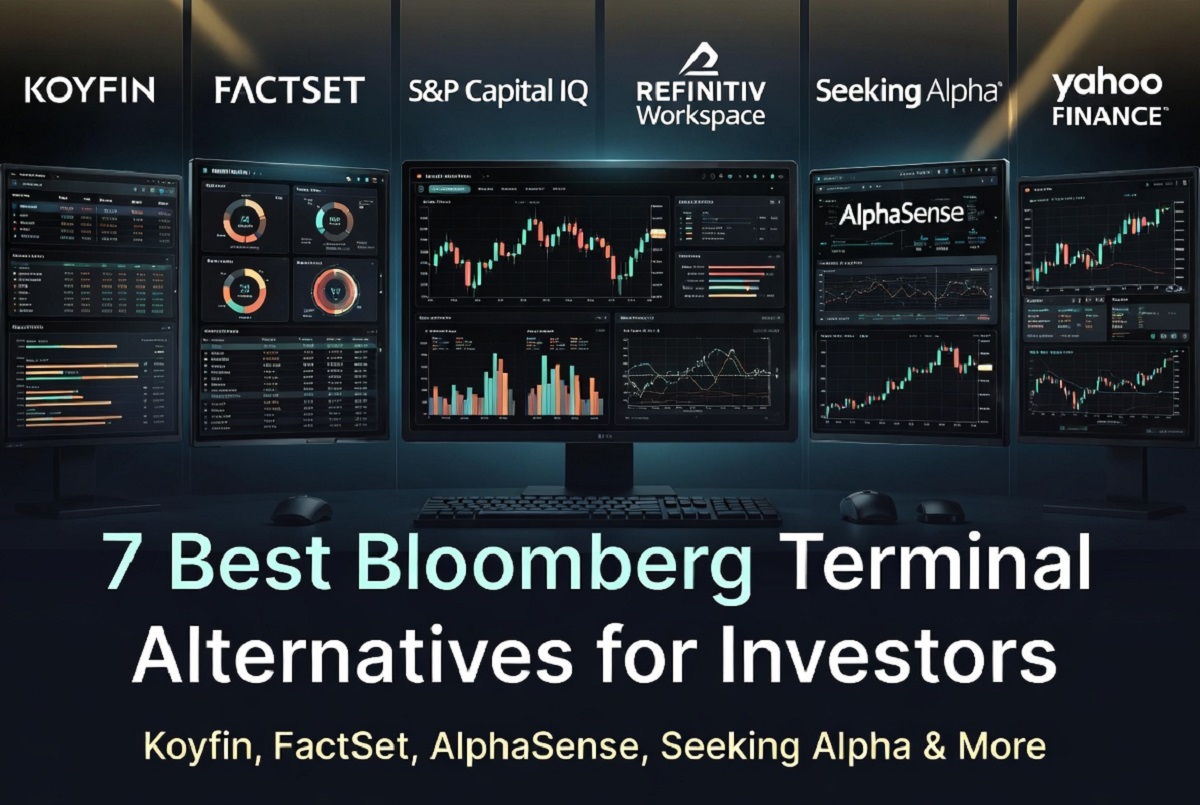
As technology continues to evolve, investors are increasingly seeking cost-effective and flexible alternatives to the venerable Bloomberg Terminal in 2026. While the Bloomberg Terminal remains a powerhouse in data analytics and financial market information, there are now several advanced platforms that offer high-quality data and innovative features at a fraction of the cost. This guide explores the top seven Bloomberg Terminal alternatives available today, covering their unique offerings, pricing options, and how they cater to modern investors’ needs for agility and real-time insights. Discover how these tools can enhance your investment strategy without breaking the bank.
Brief Overview
Investors are increasingly looking for Bloomberg Terminal alternatives as they seek cost-effective and efficient solutions with advanced analytics and user-friendly interfaces. With platforms like AlphaSense and BlueGamma rising in prominence, the landscape is evolving rapidly. These alternatives offer unique features, from AI-powered search functions to specialized tools for in-depth financial data analysis, catering to both seasoned professionals and individual investors. As financial technology advances, options such as Koyfin and YCharts are also gaining attention for providing diverse, actionable insights. Explore these innovative tools to enhance your investment strategy and meet your financial goals.
Key Highlights
- The Bloomberg Terminal is essential for financial data, but costly alternatives are emerging for 2026.
- AlphaSense offers AI-driven search features and personalized dashboards for cost-effective equity research.
- BlueGamma provides specialized tools for niche financial sector analysis at more affordable rates.
- Customization, mobile access, and integrating non-traditional data are future trends in market data platforms.
- New options like Koyfin, YCharts, and Morningstar offer diverse and cost-effective terminal alternatives.
Introduction to Bloomberg Terminal and Its Importance
For decades, the Bloomberg Terminal has reigned supreme as the cornerstone of professional financial data. From market analysts to wealth managers, it’s been indispensable in navigating complex markets. With unparalleled access to comprehensive financial data, Bloomberg’s dominance is unmatched, offering a wealth of insights crucial for informed decision-making. Understanding its unique features and why it’s been a favorite will help investors identify viable alternatives. This overview delves into Bloomberg’s market position and its essential features, helping you understand why a suitable alternative is vital in 2026’s rapidly evolving financial landscape.
Overview of Bloomberg’s Market Dominance
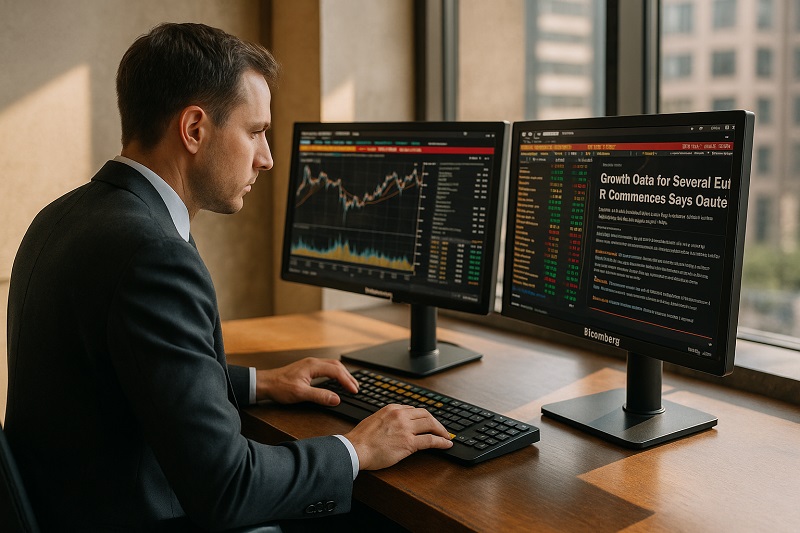
Since its inception, the Bloomberg Terminal has captured the financial market’s attention, becoming a symbol of information power and reliability. With its inception in the early 1980s, Bloomberg transformed how financial professionals interact with data by providing real-time market analytics and historical data analysis. But what underpins Bloomberg’s dominance? It’s not just the breadth of information but the depth and integration of services that cater to every facet of financial decision-making.
Central to Bloomberg’s market dominance is its proprietary network, enhancing the reliability and speed of data delivery. The Bloomberg Professional service, often dubbed the “gold standard” of market data, provides executable insights derived from vast financial datasets. With its robust infrastructure, Bloomberg positions itself as a premier resource, offering live feeds, real-time news, and extensive historical archives. This connectivity, alongside real-time data visualization tools, enriches an investor’s decision-making arsenal.
Networking capabilities also set Bloomberg apart. Through its hallmark messaging service, Bloomberg Terminal facilitates communication between market participants, enabling seamless interaction across the globe. For investors, this is gold. It ensures they stay abreast of market sentiment in real-time, positioning themselves strategically.
Despite the emergence of other platforms, the Terminal’s market influence remains formidable, with financial savvy institutions reluctant to shift. Such inertia underscores the value placed on Bloomberg’s comprehensive service offering. Yet, as 2026 approaches, the financial technology landscape beckons innovation. Emerging competitors seek to mimic Bloomberg’s offering, but the ecosystem it has built, one that’s deeply interwoven into the professional financial fabric, isn’t easily replicated.
However, for investors seeking an alternative, understanding how Bloomberg capitalized on integration and user experience is key. As the market evolves, there lies potential for alternatives to match Bloomberg’s breadth, provided they focus on the same critical features: comprehensive data integration, real-time analytics, and an intuitive user interface. So, while Bloomberg remains a market leader, the future holds promise for viable alternatives that may suit particular investment strategies, aligning with evolving needs and ensuring value-driven decisions.
Essential Features Offered by Bloomberg
The Bloomberg Terminal’s appeal largely stems from its ability to offer a comprehensive array of features curated to meet the precise demands of financial professionals. Fundamental to its attraction is the Terminal’s real-time access to financial data across diverse markets. This immediacy allows investors swift reactions to ever-changing market conditions, turning data into digestible insights is crucial for tactical investment decisions.
One standout feature is Bloomberg’s data analytics suite. It integrates broad financial datasets with tools for technical analysis, transforming raw data into actionable intelligence. Consequently, investors gain an edge in forecasting market trends, identifying opportunities, and minimizing risks. Bloomberg’s graphical representation tools further refine user experience, enabling investors to visualize data for deeper insights efficiently.
Financial connectivity extends beyond analysis; Bloomberg Terminal emphasizes communication via its integrated messaging systems. These platforms synergize investor interactions, fostering collaboration and market insights exchange globally. It’s an invaluable feature for those inclined to leverage networking for investment strategies.
Furthermore, Bloomberg Terminal offers unparalleled depth in sector analysis. Professional investors can dissect industry-specific data, whether gauging corporate performance or assessing sector trends. Coupled with Bloomberg’s news services, this depth ensures users remain informed of macroeconomic factors influencing market shifts.
Notably, Bloomberg’s customization capabilities enhance user engagement, allowing investors to tailor dashboards according to individual investment strategies. This flexibility ensures that users capitalize on relevant data points that align with strategic goals, enhancing decision-making processes.
Yet, as indispensable as these features are, the high costs associated with Bloomberg remain a significant barrier for some investors. Herein lies the opportunity for emerging alternatives to capture some of Bloomberg’s market share by offering cost-effective solutions while retaining essential functionalities.
Finally, as we progress towards 2026, the need for alternatives that mirror Bloomberg’s offerings but with enhanced flexibility, user engagement, and affordability becomes evident. The competitive landscape hints at solutions that promise comparable services, providing investors with numerous options to tailor their market data approach for sustained success in the modern financial ecosystem.
Criteria for Selecting Terminal Alternatives
Choosing the right terminal alternative requires a deep dive into your unique financial data needs and budgetary constraints. Financial professionals must weigh critical factors such as data analytics capabilities and pricing structures. Understanding the value each platform offers is crucial to ensure that your investment delivers real-time data and actionable insights. This section will guide you in assessing how different terminal alternatives stack up, focusing on financial data needs and comparing cost-effectiveness to Bloomberg’s offerings.
Assessing Financial Data and Analytics Needs
When seeking the best Bloomberg terminal alternatives, it’s vital to start by thoroughly evaluating your financial data and analytics needs. Investors today require platforms that provide extensive, real-time data and robust financial analysis capabilities. A platform’s ability to process large datasets, offer in-depth analysis, and deliver this in a usable format is crucial. As an investor, the goal is to identify solutions that match or exceed Bloomberg’s breadth, ensuring a seamless transition from traditional to alternative platforms.
Financial data analysis tops the list of imperatives for those navigating complex markets. Tools like real-time data streams enhance tactical decisions, providing insights into market trends at any given moment. Beyond just presenting financial data, alternatives must offer advanced analytics tools, tools that distill information into clear, actionable intelligence.
Moreover, ensuring the integration of sector-specific data can be a game-changer. Imagine the benefit of quickly accessing equity research or sector trends directly from your terminal alternative. The aim should be a comprehensive approach, where detailed analysis aligns closely with your investment strategies.
Also worth considering is how an alternative supports your preferred analysis methodologies. Whether it’s fundamental or technical analysis, the chosen tool should cater to your specific investment approach. This flexibility allows you to delve deep into data, turning potential investments into profitable opportunities.
Finally, the customization options provided by any terminal alternative are significant. A solution that you can tailor according to your investment strategy elevates your ability to focus on what truly matters. This flexibility allows investors to concentrate on pertinent data, ensuring their decisions align with strategic objectives. In pursuit of an alternative, choose a platform that replicates Bloomberg’s user experience, delivering real-time market data but with enhanced customization capabilities tailored to your unique needs.
Comparing Costs and Value Propositions
The financial landscape is as much about cost management as it is about maximizing returns, thus assessing the costs and value proposition of terminal alternatives becomes imperative. While Bloomberg Terminal offers unparalleled features, its steep pricing may restrict access for smaller firms or individual investors. It’s essential to evaluate whether the financial insights offered justify the pricing, especially when alternatives emerge promising comparable service at a reduced cost.
A key consideration in comparing costs involves weighing the actual functionalities required against what’s included in a platform’s price. Investors should scrutinize the core features offered by potential terminal alternatives, ensuring these meet their specific analytical priorities without excess expenditure on unnecessary features.
Recognizing the added value each service provides is crucial. A terminal that offers comprehensive real-time data, rich equity research, and advanced financial analytics in a cost-effective package can level the playing field. Alternatives like AlphaSense present themselves as compelling options, often providing bespoke solutions tailored to individual financial strategies at lower price points than Bloomberg.
It’s also worthwhile to consider the scalability of any alternative. An initially cost-effective tool should grow with your needs, accommodating increased data demands or additional features as necessary. This future-proofing ensures you’re investing in a long-term solution rather than facing future disruptions or additional costs.
When analyzing different platforms, it’s vital to digress past traditional cost comparisons and evaluate how these tools can enhance or transform investment strategies. Integration capabilities, user interface design, and the scope of market data offered should all align with the investment goals and operational rhythm of their users.
Ultimately, in the quest for the best Bloomberg alternative, a pragmatic approach to cost evaluation, carefully considering long-term benefits and immediate value, guides success. Investors need a platform that not just fits the budget but also supports comprehensive financial data requirements, thereby ensuring strategic alignment and informed decision-making in evolving markets.
When evaluating financial terminal alternatives, consider the following factors to ensure a cost-effective and valuable decision:
- Compare subscription plans to ensure they align with your budget and feature requirements.
- Assess the integration capabilities with your existing systems for seamless workflow.
- Review the quality and scope of data provided, ensuring it meets your analysis needs.
- Investigate customer support quality to gauge responsiveness and problem resolution efficiency.
- Explore customization options to tailor solutions to your specific business requirements.
- Consider user interface design for ease of use and training efficiency.
- Evaluate scalability options to accommodate business growth and changing needs.
- Check peer reviews and testimonials for unbiased insights on performance and reliability.
By thoroughly analyzing these aspects, you can make an informed choice that balances cost with comprehensive functionality and efficiency.
AlphaSense: A Comprehensive Research Platform
AlphaSense has emerged as a noteworthy contender in the pursuit of an efficient and cost-effective alternative to the Bloomberg Terminal. With its robust platform designed for in-depth equity research, AlphaSense tailors its features to meet the needs of individual investors. Offering access to a wealth of financial data and research tools, it represents an attractive option for investors seeking comprehensive insights. Let’s explore the unique features of AlphaSense and see how it stacks up against Bloomberg.
Unique Features for Equity Research
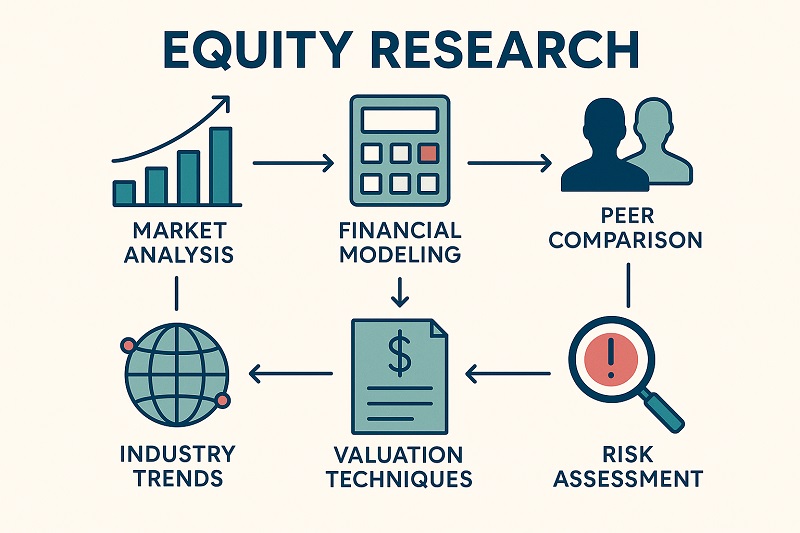
AlphaSense stands out in the market with its advanced equity research tools, which are indispensable for investors keen on dissecting financial data with precision. The platform integrates vast datasets, allowing users to conduct in-depth analyses swiftly. Its search capabilities are powered by AI, enabling investors to filter through extensive market data to pinpoint crucial insights. This advanced search function is not only efficient but intuitive, enhancing the user experience by providing relevant information with minimal input. The intelligent algorithms work wonders in scanning documents such as financial reports, transcripts, news, and regulatory filings, delivering concise summaries directly to the investor’s dashboard.
Another feature setting AlphaSense apart is its ability to personalize the research experience. Investors can customize their dashboards, placing pertinent data at the forefront. This flexibility ensures each user focuses solely on the data aligning with their investment strategy, a crucial aspect for decision-making. Moreover, AlphaSense’s alert system keeps investors informed in real-time, notifying them of significant market shifts or updates that could impact investment positions. For those relying on continuous information flows, these alerts prove invaluable in maintaining a tactical edge in fast-moving markets.
AlphaSense also provides extensive sector-specific insights, which benefit investors focusing on niche markets. These insights allow users to evaluate market trends, corporate performance, and industry-specific information critical for equity research. The depth of analysis offered helps in identifying trends that may not be visible on the surface, offering an edge over competitors. Furthermore, AlphaSense’s dynamic charting and visualization tools aid in simplifying complex datasets, making comprehension and presentation much more straightforward.
The affordability of AlphaSense is also noteworthy. Unlike Bloomberg, AlphaSense presents a more budget-friendly option without sacrificing essential financial features. This makes it an approachable platform for individual investors and smaller firms, eager to access comprehensive equity research tools without the burden of excessive costs. Its ability to deliver high-value insights at a fraction of the cost positions AlphaSense as a formidable alternative in the modern landscape of financial technology.
How AlphaSense Compares to Bloomberg
When comparing AlphaSense to Bloomberg, one must consider both platforms’ approach to delivering comprehensive financial analysis and market data. Bloomberg’s strength lies in its expansive data coverage and high integration level, attributes that solidify its position as a market leader. However, AlphaSense challenges this dominance with a focus on individualized investor experiences and cost-effectiveness, particularly appealing to those mindful of budget constraints.
AlphaSense offers robust financial data similar in quality to Bloomberg’s but emphasizes accessibility and user customizability. The platform’s AI-powered search functions and intuitive interface provide a seamless user experience, empowering even the less tech-savvy investors to leverage the data effectively. While Bloomberg offers a broader range of financial tools, AlphaSense concentrates on the essentials, ensuring users aren’t overwhelmed by unnecessary features. This focus on core functionalities while still maintaining a high-value service aligns well with investors who prioritize efficiency.
Another notable distinction is the cost aspect. While Bloomberg serves large institutions with its extensive, albeit pricey, service suite, AlphaSense caters to smaller firms and individual investors who require high-level analysis without the heavy financial burden. It’s this cost accessibility that makes AlphaSense an attractive proposition for those wishing to gain Bloomberg-like insights without breaking the bank.
Despite these differences, both platforms offer reliable service quality and are underpinned by the same principle: providing investors with actionable insights that drive informed investment decisions. Furthermore, the adaptability of AlphaSense ensures it can grow with an investor’s needs, similar to Bloomberg, though at a more scaled pace aligned to their specific market interactions.
In conclusion, while Bloomberg remains a premium leader, AlphaSense provides a compelling alternative with specific benefits tailored to the modern investor’s needs. Whether through enhanced personalization, cost advantages, or AI-driven analysis, AlphaSense positions itself as a strong and valuable tool in an investor’s arsenal, especially in scenarios where Bloomberg’s full suite may be deemed excessive. For those ready to explore beyond traditional solutions, AlphaSense offers a bold step forward in the evolving world of financial analysis.
BlueGamma: A Niche Solution for Professionals
In the arena of investing research, BlueGamma emerges as a niche solution tailored for professionals seeking more than just basic investing data. It offers specialized tools for in-depth financial data analysis, positioning itself as a strong contender among Bloomberg terminal alternatives. Understanding the unique propositions BlueGamma provides can be critical for individual investors and investment professionals alike, especially those looking for comprehensive market data solutions that perhaps even outshine Bloomberg in specific areas. As we explore BlueGamma’s offerings, we’ll compare its unique capabilities against the renowned Bloomberg Terminal, highlighting its key attributes and potential benefits for savvy investors.
Specialized Tools for In-Depth Analysis
BlueGamma is crafted with the investing professional in mind, offering a suite of specialized tools for in-depth analysis that are crucial for navigating today’s fast-paced markets. Unlike generic terminal alternatives, BlueGamma focuses on niche solutions designed to extract maximum value from financial data. At its core, the platform is built around real-time data capabilities, ensuring investors can act swiftly and decisively in response to market fluctuations. Its real-time alerts and live financial data streams equip users with the ability to analyze market changes the moment they occur, a feature highly coveted among investment professionals who cannot afford to miss a beat.
In addition to its real-time data prowess, BlueGamma enhances its offering with robust technical analysis tools. These tools allow users to develop custom models and projections, using historical and current financial data to forecast future market trends. For the meticulous investor, BlueGamma’s technical analysis suite is invaluable, providing visual data representations that simplify complex datasets into actionable insights. This functionality is complemented by the platform’s data visualization capabilities, which transform raw data into understandable charts and graphs. Such features are fundamental for professionals who need to present clear, concise reports to stakeholders or clients.
Moreover, BlueGamma extends beyond generic analysis by integrating sector-specific data, which is particularly beneficial for individual investors focused on niche markets. By offering granular insights into specific industries, investors can delve deep into equity research, unveiling opportunities that might remain unexplored with broader, less targeted platforms. This level of detail is crucial for crafting investment strategies that are both informed and innovative, aligning with the needs of investors who prioritize precision.
The platform doesn’t just stop at data analysis; its communication tools are top-notch, offering seamless interaction with global market participants. Much like Bloomberg’s hallmark messaging service, BlueGamma facilitates efficient investor communication, ensuring that professionals stay connected and informed. This networking capability becomes an extension of the analytical suite, providing a comprehensive ecosystem reminiscent of Bloomberg’s powerful communication channels but tailored for those who seek a niche focus on data-driven interactions.
Overall, BlueGamma’s specialized tools for in-depth analysis equip investors with the precision, flexibility, and insights necessary to thrive in competitive markets. Its innovative features, designed with the professional investor in mind, make it a compelling choice for those seeking to enhance their financial data analysis without the hefty Bloomberg price tag.
Comparing BlueGamma with Bloomberg Terminal
When comparing BlueGamma with the renowned Bloomberg Terminal, several distinctions can be noted, particularly in how each platform serves its target market. Bloomberg, as the gold standard of financial data services, offers an unparalleled breadth of financial datasets and functionalities, appealing to large financial institutions around the globe. However, BlueGamma carves out a niche by concentrating on specialized tools and tailored solutions for professionals, an approach that sets it apart from Bloomberg’s more generic model.
The strength of BlueGamma lies in its ability to provide highly specialized tools that cater to specific investment strategies, which is not always the focus of a broad platform like Bloomberg. By honing in on niche markets, BlueGamma offers deeper insights into specific financial sectors, a feature that Bloomberg’s more universally-focused data streams may not fully replicate. This sector-specific granularity allows investors to unearth opportunities and make strategic decisions with a level of precision that is ideal for those looking to capitalize on niche investing research.
Cost consideration is another pivotal factor where BlueGamma might have an advantage, especially for individual investors or small firms. Bloomberg’s extensive service, while comprehensive, comes with a substantial price tag that may be prohibitive for smaller investors. BlueGamma, on the other hand, offers a more accessible entry point without sacrificing essential features, maintaining affordability while delivering powerful financial data analysis. This makes BlueGamma an appealing option for those deterred by Bloomberg’s cost but still seeking comprehensive market data tools.
While Bloomberg excels with its advanced data analytics and networking capabilities, BlueGamma’s focus is on user-friendliness and customization. Its interface is designed to be intuitive, ensuring that even those less familiar with high-end financial software can navigate its features efficiently. By providing tailored dashboards, BlueGamma empowers users to customize their data presentation according to specific investment needs, providing a personalized user experience that can enhance investment decision-making.
In conclusion, while Bloomberg Terminal remains unmatched in its scope and legacy, BlueGamma offers a refreshing alternative tailored to the needs of serious investors seeking specialized tools for niche market analysis. With its focus on affordability, customization, and sector-specific insights, BlueGamma proves to be a valuable addition to an investor’s toolkit, providing an efficient solution for today’s dynamic investing landscape.
Emerging Terminal Alternatives in 2026
As we approach 2026, the financial technology landscape continues to evolve rapidly, offering innovative terminal alternatives to Bloomberg. These alternatives are transforming how investors access financial and market data, driven by future trends in technology and shifting investor needs. This exploration sheds light on the future trends shaping financial data accessibility and presents additional promising terminal alternatives to Bloomberg for investors seeking cost-effectiveness and specialized capabilities.
Future Trends in Financial Data and Market Data Accessibility
The future of financial data and market data accessibility is being redefined by technological advancements and changing investor expectations. With the proliferation of data-driven tools, investors are looking for terminal alternatives that offer not just breadth but also depth in financial data analytics. The emergence of artificial intelligence and machine learning technologies is playing a pivotal role in transforming how financial data is analyzed and interpreted. Algorithms that once required extensive manual input can now autonomously identify trends and generate insights, enhancing the speed and accuracy of investment research.
A significant trend is the shift towards more customizable and user-centric platforms. Investors demand terminals that allow for personalized data streams and analysis, reflecting individual investment strategies and risk appetites. Platforms like Koyfin, which provide tailored dashboards, are gaining traction for their ability to present complex data in user-friendly formats. This trend towards customization ensures that investors can align data presentation with their unique needs, fostering a more engaging and efficient investment process.
Additionally, the accessibility of financial data across multiple devices is becoming increasingly critical. As investors seek flexibility, terminal alternatives that offer seamless cross-platform integration are highly desirable. Real-time data accessibility on mobile devices, tablets, and desktops is no longer a luxury but a necessity for active market participants. This trend underscores the importance of mobility in today’s fast-moving markets, where timeliness can significantly impact investment outcomes.
Furthermore, there is a growing emphasis on integrating non-traditional data sources, such as social media sentiment and news analytics, into terminal platforms. This shift is driven by the recognition that market sentiment and public perception can influence financial markets just as much as economic indicators. Terminal alternatives that harness these diverse data sources offer a more holistic view of market conditions, equipping investors with comprehensive insights that go beyond traditional financial data.
As 2026 approaches, the demand for transparency and data security also shapes terminal development. Investors are increasingly conscious of privacy and data protection, necessitating robust security features in terminal solutions. The integration of blockchain technology, for example, is being explored to enhance data security and ensure the integrity of financial information. These future trends highlight the evolving needs of investors and the innovative solutions that terminal alternatives must offer to remain competitive in a dynamic financial landscape.
Additional Promising Terminal Alternatives to Consider
Beyond the well-known names in terminal solutions, several new entrants are presenting unique value propositions that rival Bloomberg’s offerings. Among these is Koyfin, which is quickly distinguishing itself with its intuitive interface and robust analytical capabilities. Unlike some competitors, Koyfin emphasizes ease of use while providing powerful analytics tools that can cater to both novice and seasoned investors. Its focus on delivering detailed visualizations and customizable dashboards makes it a favorite among those who need quick access to data without a steep learning curve.
Another strong contender is YCharts, renowned for its equity and economic data coverage. YCharts excels in delivering high-quality data insights through a platform that’s as flexible as it is informative. It is particularly attractive due to its cost-effectiveness while maintaining a level of detail comparable to more expensive platforms. The emphasis on user-friendly design ensures that insights are not just accessible but actionable, allowing investors to execute informed decisions with confidence.
Morningstar, traditionally known for its fund analysis, is also staking its claim as a formidable terminal alternative. Its advanced tools for mutual fund analysis meet the needs of investors focused on asset management. With comprehensive access to fund data, analytics, and unique screening tools, Morningstar facilitates a deeper understanding of fund performance and risks. Its integration of news and independent analysis adds another layer of insight, assisting investors in navigating complex market landscapes.
AlphaSense continues to stand out for those focusing on research-intensive investments, offering AI-driven tools that bring efficiency to the complex process of equity research. BlueGamma, with its niche specialization, remains a powerful choice for analytical depth, particularly in sector-specific investment strategies. Lastly, WallStreetZen has emerged as a no-nonsense platform providing clear, digestible analyses for individual stocks, making sense of intricate financial data for independent investors.
For investors assessing terminal alternatives, the decision often hinges on specific needs, from pricing to specialized tools, and the ability to deliver actionable insights in a format that supports strategic goals. As the financial technology landscape diversifies, finding the right tool that balances these facets is critical for sustained investment success. By understanding each platform’s unique strengths and how they align with individual investment objectives, investors can effectively tailor their approach to navigating dynamic financial markets. With innovative options emerging, there are more choices than ever to find a terminal that complements Bloomberg’s unmatched legacy, providing opportunities to enhance investment strategies with precision and confidence.
Exploring various Bloomberg Terminal alternatives opens up numerous opportunities for investors looking to balance cost and functionality. Each platform brings its own set of strengths, from advanced analytics to real-time data feeds, ensuring diverse needs and budgets are catered to effectively. As you weigh your options, consider what features align best with your investment strategy and professional requirements. Many offer free trials or tiered pricing, so take advantage of these to find your perfect match. Empower your investment decisions in 2026 with a tool that complements your growth journey. Ready to redefine your investing game?
FAQ: 7 Best Bloomberg Terminal Alternatives for Investors
What are some alternatives to Bloomberg Terminal available in 2026?
The guide mentions several alternatives to Bloomberg Terminal in 2026, including AlphaSense, BlueGamma, Koyfin, YCharts, and Morningstar. These platforms offer various features like advanced analytics, sector-specific data analysis, and cost-effectiveness compared to Bloomberg.
Why are investors seeking alternatives to Bloomberg Terminal?
Investors are looking for cost-effective and flexible solutions that provide advanced analytics and user-friendly interfaces. The high cost of Bloomberg Terminal is a significant factor driving the search for alternatives that offer comparable services at a reduced price.
What makes BlueGamma a strong contender against Bloomberg Terminal?
BlueGamma offers specialized tools for in-depth financial data analysis with a focus on niche sectors. It provides real-time data capabilities, robust technical analysis tools, and powerful integration of sector-specific insights, all at a more cost-effective price point.
How does AlphaSense differentiate itself from Bloomberg Terminal?
AlphaSense differentiates itself by focusing on AI-driven search functions and customized dashboards. It allows users to quickly filter through market data, offers personalized research experiences, and provides cost-effective equity research tools tailored for individual investors.
What future trends in technology are influencing the development of market data platforms?
Future trends influencing market data platforms include the integration of AI and machine learning, customizable and user-centric interfaces, real-time data accessibility across multiple devices, and the integration of non-traditional data sources like social media and news analytics.