In an era where technology reshapes industries at breakneck speed, few figures command as much attention as Elon Musk. From electric vehicles to space travel, artificial intelligence, and now finance, Musk’s ventures consistently push boundaries. One of his most ambitious projects yet is quietly unfolding: transforming X (formerly Twitter) into a comprehensive financial platform known as X-Money. Often dubbed the “Bank of Elon” in investment circles, this initiative promises to integrate payments, banking-like services, and potentially more into the X app, leveraging its massive user base.
Investment analyst Luke Lango, a senior technology and markets expert at InvestorPlace with a notable track record in spotting high-growth opportunities, has been highlighting this development. In his communications, Lango describes a mysterious package arriving via FedEx from Bastrop, Texas—home to several Musk-related operations—containing a small microchip that symbolizes the technological backbone of this shift. Weighing about 5 grams, roughly the size of a paper clip, this component embodies advanced authentication, encryption, and processing capabilities.
Is the Bank of Elon real? The answer is a qualified yes. While not a traditional bank, X is actively rolling out payment features, secured necessary licenses, partnered with Visa, and is positioned to challenge established financial players.
The Origins: From PayPal to X
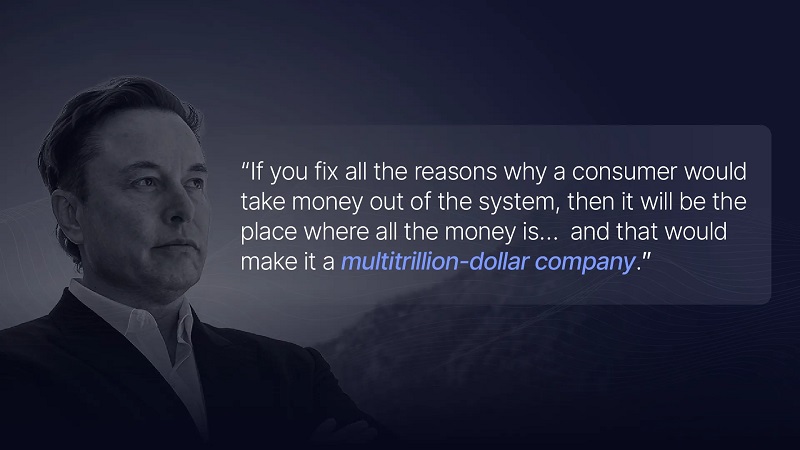
Elon Musk’s fascination with revolutionizing finance dates back to 1999. After selling his first company, Zip2, for $307 million, he founded X.com with the bold vision of creating a single online destination for all financial needs—banking, investments, insurance, loans, and payments. The company evolved into PayPal after a merger, but Musk was ousted in what he described as a “palace coup” during his honeymoon.
This experience left a lasting impression. Fast-forward to 2022: Musk acquires Twitter, rebrands it as X, and begins laying the groundwork for his original idea. He has openly discussed turning X into an “everything app,” akin to WeChat in China, where users can handle social interactions, payments, investments, and more seamlessly.
As Lango notes, this isn’t a fleeting ambition. Musk secured money transmitter licenses across numerous U.S. states, enabling X Payments LLC to handle funds. A key milestone was the partnership with Visa, announced to facilitate instant funding, peer-to-peer transfers, and debit card functionality. By early 2026, X Money entered early public access, offering features like high-yield savings (reported around 6% APY in some promotions), metal debit cards personalized with X handles, cash back, and seamless in-app transactions.
Policy support has also aligned favorably. Executive orders and directives from various U.S. departments have encouraged digital payments, creating a conducive environment for innovation in electronic financial rails.
The Technology at the Core
At the heart of the hype is sophisticated hardware and software integration. The microchip referenced in Luke Lango’s presentation combines silicon for processing power, copper for high-speed signaling, and gold for reliable, corrosion-resistant conductivity. Such technology enables secure identity authentication, data encryption, and rapid transaction execution—essential for a platform handling sensitive financial data at scale.
X Money functions as a digital wallet embedded in the X app, available to its hundreds of millions of users. Features include instant P2P transfers (like sending a text), direct bank connections, potential investment and trading tools, and management of various financial inflows such as paychecks or government benefits. Leadership envisions it evolving into a hub for broader financial activities.
This integration with xAI’s technologies could further enhance personalization, fraud detection, and user experience through advanced AI. Musk’s history with Dogecoin and Bitcoin on Tesla’s balance sheet suggests openness to crypto elements in future phases, though initial launches focus on fiat with Visa rails.
Critics question the regulatory hurdles and competition from established players like PayPal, Venmo, Cash App, and traditional banks. However, X’s “DNA”—vast user data, attention economy, and network effects—positions it uniquely, as echoed by economists from institutions like the Bank for International Settlements.
Historical Parallels: When Tech Meets Money
Disruptions at the intersection of technology and finance have repeatedly created enormous wealth. Lango draws compelling comparisons:
- Telegraph Era (1840s): Western Union’s “Lightning Money” enabled rapid fund transfers, cementing its financial dominance and inclusion in early Dow indexes.
- Credit Cards (1950s): Diners Club and American Express rode the wave, with Amex delivering massive returns.
- Internet Banking: Companies like Paychex, Mastercard, and Revolut turned early investors into millionaires.
In China, WeChat (via Tencent) transformed daily finance. Mobile payments dominate over 80% of transactions there. Tencent investors from 2013 saw substantial multiples as banking features scaled.
X-Money aims for similar ubiquity in the West. With the global financial system valued around $480 trillion, even capturing a fraction could be transformative. Musk has ambitiously suggested X could handle half of it if executed well.
Luke Lango’s Perspective and Track Record
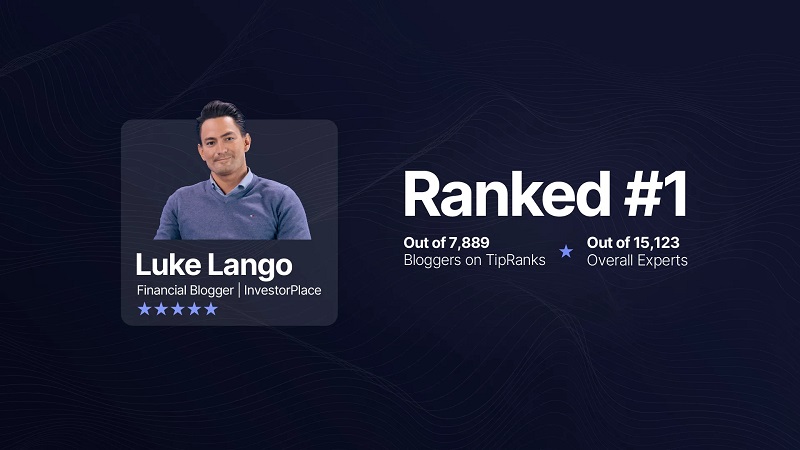
Luke Lango brings credibility to the discussion. Mentored at Caltech and founder of his own firm early on, he has recommended winners like Palantir (pre-1,200% rise), AMD (pre-13,500% surge), and Nvidia before its AI dominance. Ranked No. 1 among thousands of experts in 2020 by an independent site, his approach focuses on megatrends in technology.
In his analysis for Innovation Investor, Lango emphasizes that X-Money is not speculative vaporware—it’s rolling out now with physical cards, licenses, and partnerships. He positions it as potentially Musk’s largest venture, dwarfing others in scale due to money’s foundational role in the economy.
Lango highlights partner companies that benefited from Musk collaborations: Nvidia’s early AI hardware deliveries, Modine Manufacturing’s cooling systems, Carpenter Technology’s alloys for SpaceX, and others seeing triple-digit gains.
For X-Money, he teases stocks involved in chips, payments infrastructure, data security, AI integration, and fintech enablement. His special report, How to Make 1,000% From the Bank of Elon, reportedly details specific opportunities.
Potential Investment Angles
While specific tickers in Lango’s reports are subscriber-only, broader themes emerge for informed investors:
- Semiconductor and Chip Makers: Essential for secure hardware, data centers, and AI. Companies supplying advanced nodes stand to benefit.
- Payments and Fintech Infrastructure: Partners or competitors adapting to new rails, including Visa itself or enablers of embedded finance.
- AI and Data Analytics: For fraud prevention, personalization, and compliance.
- Pre-IPO Exposure: Funds or public companies with stakes in related Musk ventures, such as the NASA ticker fund mentioned for SpaceX exposure (diversified pre-IPO plays).
- Cybersecurity and Identity Tech: Critical for trust in a new financial system.
Lango’s model portfolio in Innovation Investor has reportedly closed numerous positions with over 100% gains, averaging strong returns across recommendations. Daily notes, real-time alerts, and special briefings keep subscribers agile in fast-moving tech sectors.
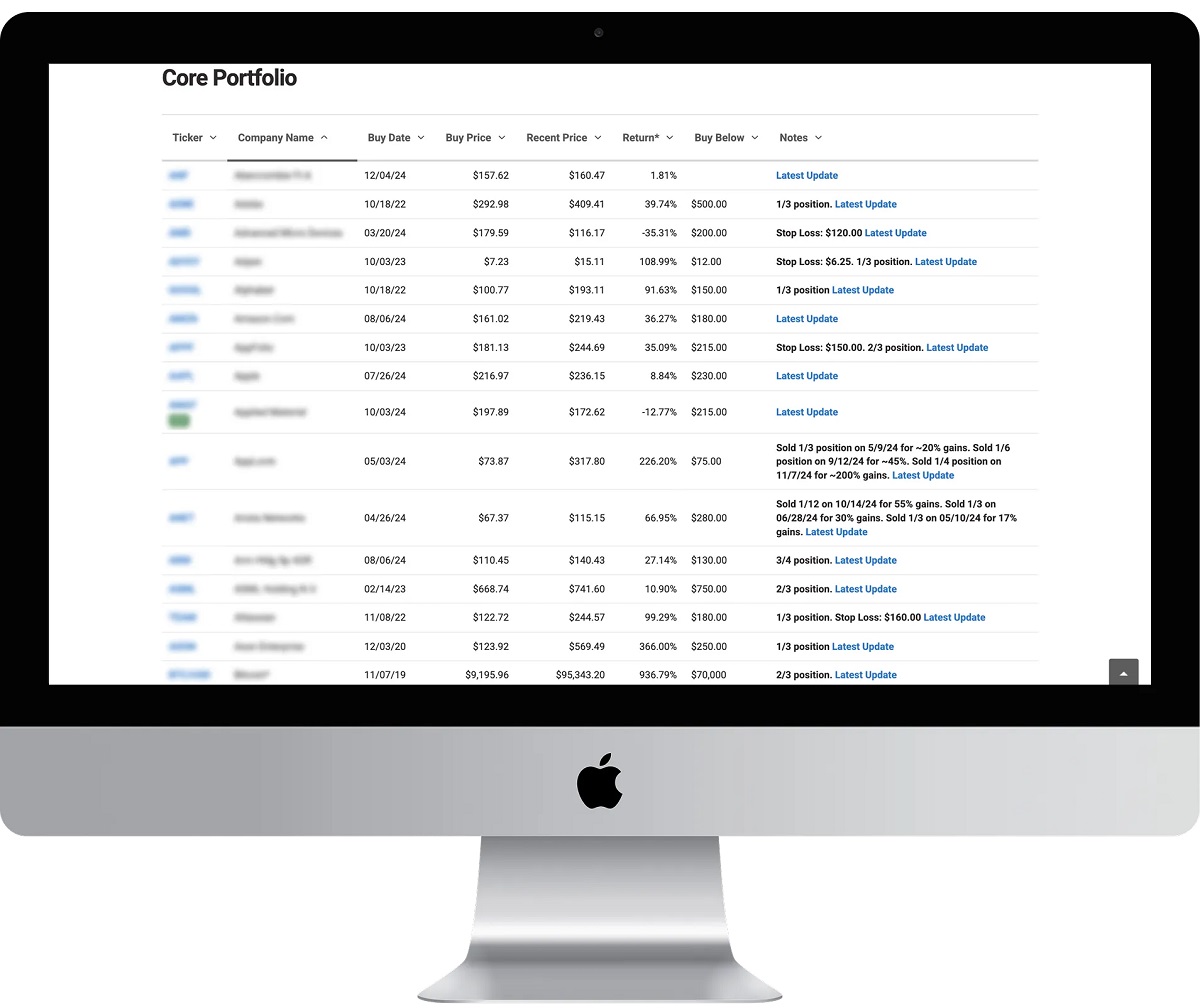
Beyond X-Money, Lango covers AI, energy, biotech, and supercomputing—sectors with exponential potential. His VC Insider’s Millionaire Playbook and reports on Washington-favored stocks (often tied to government contracts in AI/defense) provide additional context.
Risks and Realistic Outlook
No disruption is guaranteed. Regulatory scrutiny is intensifying, as seen in congressional inquiries. Competition is fierce, user adoption for financial switches takes time, and economic downturns could slow momentum. Technical challenges, security breaches, or execution missteps pose risks. Musk’s projects often face delays and controversies.
Moreover, while promotional materials evoke 10,000%+ returns, such outcomes are exceptional. Most investors should diversify, assess personal risk tolerance, and consider long-term horizons. X-Money could succeed modestly as a convenient payments layer without dominating global finance.
That said, the combination of Musk’s execution track record, policy tailwinds, and technological convergence makes it a story worth monitoring closely.
Why Subscribe to Innovation Investor?
For those seeking an edge on stories like X-Money before mainstream coverage explodes, Luke Lango’s Innovation Investor offers structured access. Subscribers receive:
- Daily “Portfolio Notes” with market analysis, charts, and actionable insights.
- Real-time trade alerts for entries, exits, and profit-taking.
- Model portfolio updates with buy-up-to prices.
- Exclusive reports, including the Bank of Elon deep dive, Washington’s favorite stock, SpaceX pre-IPO plays, and the VC playbook.
- Access to a vault of past research and video briefings.
- 90-day money-back guarantee for risk-free trial.
At a promotional price point significantly below standard ($49 for the first year), it aims to deliver high-conviction tech opportunities. Testimonials from readers like Rob M. and Mike L. highlight real-world gains, though results vary and are not typical.
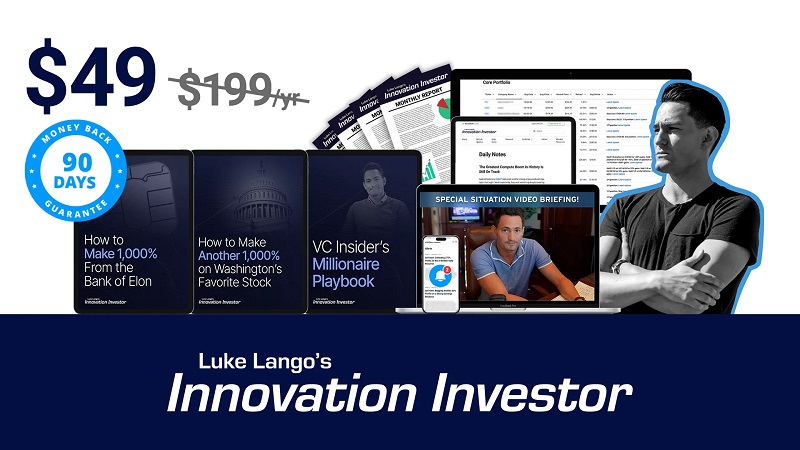
Lango’s service emphasizes getting ahead of megatrends—precisely the positioning needed for developments like X-Money, which could reshape how Americans handle money, from Social Security to stock trading, all within one app.
Broader Economic and Societal Impacts
If X-Money scales, implications extend far beyond stocks. Faster, cheaper transactions could boost commerce, especially for creators and small businesses on the platform. Financial inclusion might improve for underbanked users. However, concerns around data privacy, market concentration, and systemic risk (a single app handling vast flows) warrant attention from regulators and users alike.
Internationally, success could inspire similar “everything apps” elsewhere, accelerating the shift from traditional banking. Integration with Musk’s other ventures—Tesla payments, Optimus robotics for physical interactions, or Starlink for global access—could create powerful synergies.
Conclusion: Positioning for the Future
The Bank of Elon is not a fully realized monolithic institution but a rapidly advancing financial layer built on X’s foundation. With licenses secured, Visa onboard, cards shipping, and public access underway in 2026, the vision is materializing. Whether it captures a tiny slice or a massive share of the financial pie remains to be seen, but the potential for disruption is evident.
Luke Lango’s analysis provides one informed lens: early positioning in enabling technologies could yield significant rewards, much like past Musk-adjacent plays. Investors are encouraged to conduct thorough due diligence, perhaps starting with resources like Innovation Investor for curated research.
As Musk’s projects have shown time and again, those who act on conviction ahead of the crowd often reap the greatest benefits. The window for early insight into X-Money is open—but momentum is building. Staying informed, whether through independent research or expert services, is key to navigating this evolution in money itself.
FAQ: Luke Lango X-Money Stocks
What exactly is X-Money and is the “Bank of Elon” real?
X-Money is Elon Musk’s ambitious plan to transform the X platform (formerly Twitter) into an “everything app” for finance. It includes a digital wallet, instant peer-to-peer payments, debit cards, high-yield savings options, and potentially investing and trading features—all within the X app. While not a traditional chartered bank, X has secured money transmitter licenses in all 50 states, partnered with Visa, begun shipping physical cards, and is actively rolling out services. The “Bank of Elon” is a nickname for this emerging financial ecosystem, which aims to disrupt how people send money, receive paychecks, handle government benefits, and manage assets. Early stages are already live as of 2026.
What is the microchip mentioned in Luke Lango’s presentation, and why does it matter?
The small 5-gram microchip (roughly paperclip-sized) represents the advanced hardware enabling secure identity authentication, data encryption, and fast transaction processing at the heart of X-Money. It combines silicon, copper, and gold to handle complex financial instructions securely. This technology supports the shift toward a more integrated, digital-first financial system and symbolizes Musk’s long-planned integration of hardware and software across his companies.
How can investors potentially profit from X-Money according to Luke Lango?
Luke Lango identifies companies positioned to benefit from the infrastructure, chips, payments tech, AI, cybersecurity, and data needs of X-Money’s expansion. In his exclusive report “How to Make 1,000% From the Bank of Elon”, he details specific stocks he believes have the strongest upside potential. Historical parallels with past tech-money collisions (Western Union, Mastercard, Revolut, Tencent/WeChat) suggest significant opportunities for early investors. Lango also provides a free ticker (NASA) for diversified pre-IPO SpaceX exposure as an additional bonus.
What do you get when you subscribe to Luke Lango’s Innovation Investor?
Subscribers receive daily “Portfolio Notes,” real-time trade alerts, full model portfolio access (with multiple closed positions over 100% gains), and special reports including How to Make 1,000% From the Bank of Elon, How to Make Another 1,000% on Washington’s Favorite Stock, the VC Insider’s Millionaire Playbook, and SpaceX-related research. You also get video briefings, a members-only vault of past research, and 24/7 access to updates. The current offer is $49 for the first year (regularly $199), with a 90-day money-back guarantee.
Is this investment opportunity risky, and who is it for?
Yes, all investing carries risk, including the potential for loss. X-Money’s success depends on user adoption, regulation, execution, and competition. Past performance (such as Lango’s successful calls on AMD, Nvidia, Palantir) is not a guarantee of future results. This opportunity is best suited for investors comfortable with high-growth tech stocks and willing to take a long-term view on disruptive innovation. Luke Lango’s research is designed for those seeking to get ahead of major megatrends like the $480 trillion global financial system shift. Always conduct your own due diligence and consider your personal risk tolerance.