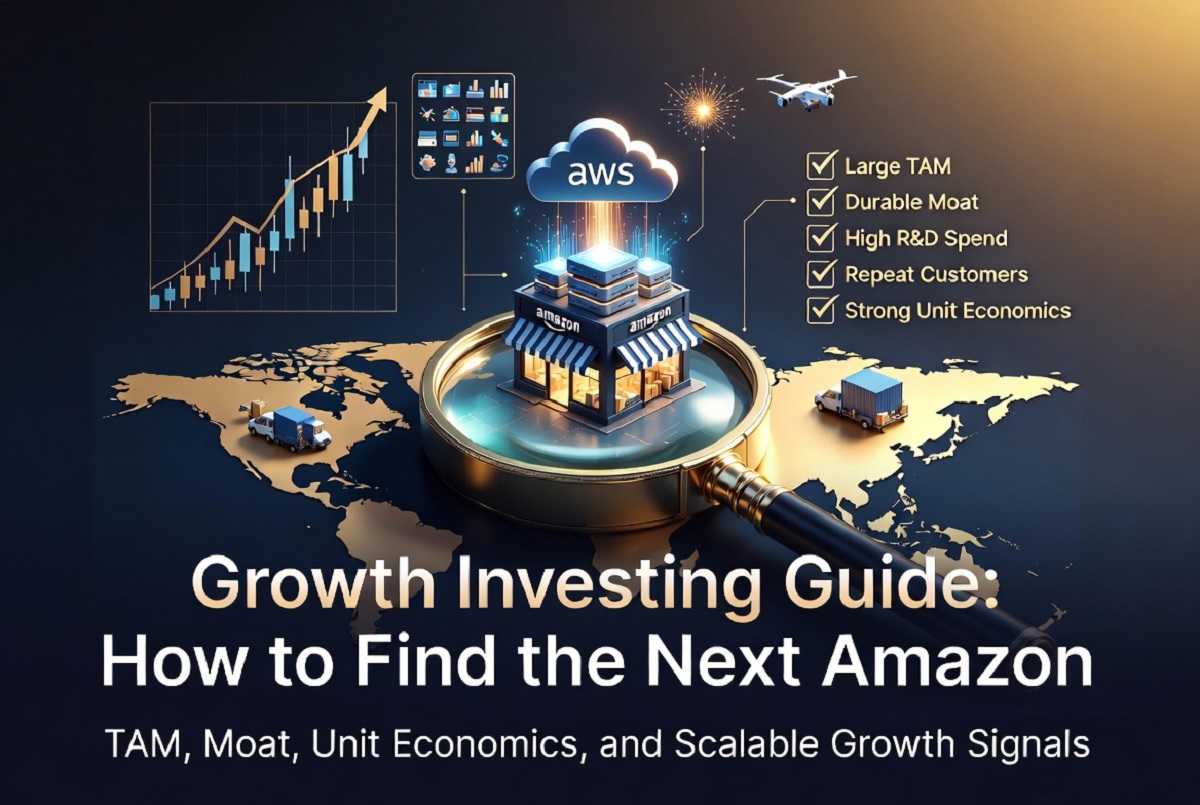
Welcome to the ultimate Growth Investing Guide, your trusted resource to unearth the next Amazon-like opportunities and strategically invest in Amazon stock (AMZN). As an investor, you know that high-growth stocks like Amazon can transform your portfolio’s performance. Here, we unpack proven strategies for identifying companies on the brink of explosive growth, backed by expert analysis and insights. Whether you’re new to growth investing or a seasoned pro, our comprehensive guide will equip you with the tools and knowledge to make informed decisions and capitalize on market trends. Let’s dive into the art of discovering tomorrow’s giants today.
Brief Overview
Growth investing is a strategic approach focused on identifying companies with the potential for significant revenue growth, such as Amazon. It requires analyzing market trends, financials, and leadership effectiveness. Essential principles include recognizing innovative, scalable businesses and understanding their financial health through metrics like revenue growth and gross margins. Meanwhile, investing in Amazon’s stock, a staple for many, necessitates evaluating market dynamics, competitive positioning, and economic factors. Seeking a stock advisor can also enhance decision-making, ensuring strategies align with long-term financial goals. Success in this realm balances knowledge, patience, and informed risk-taking.
Key Highlights
- Identify high-growth stocks by analyzing market trends and financial performance for significant returns.
- Evaluate companies’ earnings growth and leadership effectiveness to assess their competitive advantage.
- Diversify across sectors like technology and biotech to mitigate risk and maximize growth exposure.
- Analyze Amazon’s financial health, competitive landscape, and market impacts before investing in its stock.
- Consult stock advisors during market volatility to leverage expert guidance for strategic investment decisions.
Understanding Growth Investing
Growth investing is all about pinpointing high-growth stocks that have the potential to yield substantial returns. At its core, it involves identifying companies that show signs of above-average financial growth, such as Amazon once did. Investors often focus on the fundamentals that drive these growth stocks, including market trends and financial performance. A solid understanding of these principles is crucial for anyone aiming to find the next big opportunity. From analyzing business models to market dynamics, grasping these concepts can set you on the path to discovering your next high-growth picks.
The Core Principles of Growth Stocks
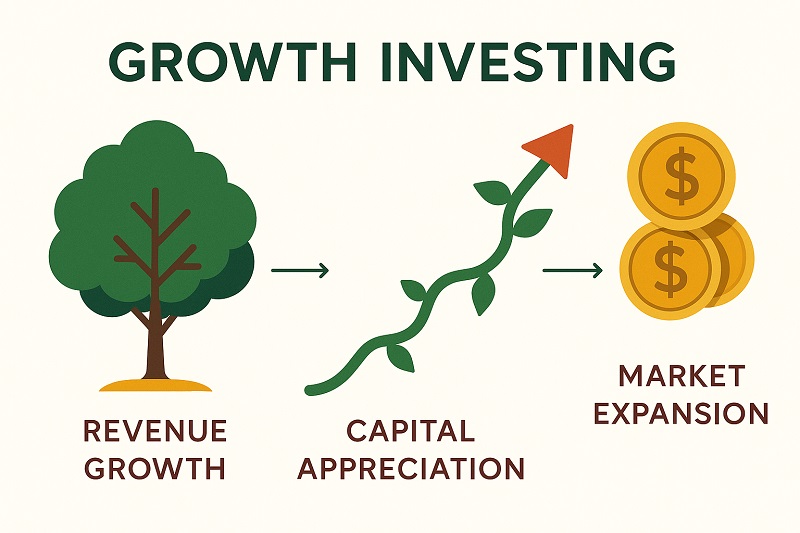
Understanding the core principles of growth stocks is imperative if you’re looking to invest in high-growth companies. At the heart of growth investing is identifying businesses that exhibit robust potential for revenue and profit expansion. These are companies often characterized by innovation, market disruption, and the ability to scale rapidly. A key principle is assessing a company’s earnings growth trajectory. Consistent earnings growth is a powerful indicator that a company is executing well on its business model and can potentially capture greater market share.
Moreover, growth stocks typically reinvest their earnings back into the business rather than paying dividends. This reinvestment is aimed at fueling further expansion through research and development, marketing, or acquiring complementary businesses. It’s essential for investors to evaluate whether a company’s leadership is effective in deploying resources to maximize growth and competitive advantage. When considering such stocks, it’s critical to engage in comprehensive market research to understand shifts or trends that may boost or hinder a company’s growth trajectory.
While growth stocks can be appealing, they also come with higher risks. The greater the potential for reward, the more volatile the stocks usually are. Factors like economic downturns or industry disruptions can significantly impact their stock prices. Hence, it’s prudent to not only understand the principles but also assess risk management strategies. Diversification across multiple high-growth opportunities can help mitigate potential losses. Patience is another vital principle, as it allows high-growth stocks the necessary time to mature, potentially transforming from market challengers to leaders in their sectors.
How to Identify High-Growth Opportunities
Identifying high-growth opportunities is a blend of art and science in the investing world. To discover the next potential Amazon, it’s essential to delve into sectors poised for expansion and innovation. Start by looking for companies operating in high-growth industries like technology, renewable energy, and biotechnology. These sectors often possess dynamic developments and technological adoptions that can drive substantial growth rates. A keen eye for market trends and consumer behavior changes can also offer hints on where to invest.
Engage in fundamental analysis to gain insights into a company’s financial health and growth prospects. Revenue growth rates, profit margins, return on equity, and the company’s debt levels are indicators worth analyzing. High-growth stocks often experience rapid increases in revenue, which should be supported by a sustainable business model and operational scalability. More so, scrutinizing a company’s leadership team and their track record can provide confidence in a company’s ability to execute its growth plans effectively.
On the technical side, monitoring stock price movements and patterns can help identify entry and exit points for investments. Technical analysis can be combined with fundamental insights to give a more rounded view of a company’s growth potential. Investors should also be mindful of competitive landscapes; understanding the competition is crucial in assessing a company’s unique value proposition and its potential to carve out a leading position in the industry.
Finally, stay informed about macroeconomic factors that might affect high-growth companies. Interest rates, government regulations, and technological changes can influence their trajectory. Constant learning and adaptability are qualities that should be nurtured to navigate the dynamic landscape of growth investing successfully. With perseverance and informed decision-making, it’s possible to turn identifying high-growth opportunities into a fruitful endeavor. Remember, investing in growth stocks is not just about picking the next big thing, but building a diversified portfolio that balances risk and reward.
Evaluating Revenue Growth in Potential Investments
Revenue growth is a critical criterion when evaluating potential investments. For an investor looking to find the next Amazon, understanding how to properly analyze growth metrics can make a difference. Examining elements like the company’s financial statements and gross margins can provide deep insights into its growth trajectory. These analyses not only unveil a company’s current revenue health but also signal its potential to scale. Mastering these evaluation techniques puts investors in a prime position to make informed financial decisions and identify high-growth stocks.
Analyzing Financial Statements for Revenue Growth
Analyzing financial statements is essential for spotting revenue growth in potential investments. When assessing a company, dive into its income statement to understand its revenue streams, growth rates, and sustainability. Look for consistent year-over-year increases in revenue. A business that demonstrates robust revenue growth over multiple periods hints at a strong market position and effective strategies. Pay close attention to the statement of cash flows as well. Cash flow stability supports revenue generation and operational expenses, painting a clearer picture of overall financial health.
Investors can further dissect revenue by examining both domestic and international sources. If a company is expanding globally, this diversification can cushion against regional economic downturns and offers an avenue for potential growth. Additionally, checking the contributions from various business segments lets investors pinpoint what’s driving success or holding it back. Moreover, consider reviewing the management discussion and analysis (MD&A) section for insights into leadership’s revenue strategies and outlook.
Another critical aspect is evaluating gross margins, as they indicate how efficiently a company utilizes its revenue to cover production costs. Increasing gross margins suggest improved operational efficiency and profitability, vital for supporting continual business growth. It’s beneficial for investors to also analyze competitors’ financials, which provides context about industry standards and benchmarks. By juxtaposing these data points, you’ll discern whether a company’s revenue growth is attributable to its competitive advantage or broader market trends. These insights empower investors to make well-rounded investment decisions that can uncover future industry leaders.
The Role of Gross Margins in Investment Decisions
The role of gross margins in investment decisions cannot be overstated. As an investor, dissecting gross margins helps you understand how well a potential investment is converting revenue into profit. Companies that exhibit high gross margins typically have strong pricing power or cost advantages, valuable traits when you’re evaluating a company’s competitive edge. Gross margins, expressed as a percentage, reflect how much of each dollar of revenue remains after accounting for production costs. Consistently high or growing margins indicate operational efficiency and contribute to robust cash flow, which is essential for sustainable growth.
When evaluating investment opportunities, compare gross margins across industry peers to gauge relative performance. A company with superior margins is often better positioned to manage pricing pressures or absorb cost increases without compromising profitability. It’s a telling indicator of how well a business can withstand competitive and market challenges. Moreover, substantial gross margins can fund further expansion, research, and development, bolstering the company’s growth prospects.
For growth-focused investors, observe how gross margins align with the overall revenue growth trajectory. If both are rising, it could signal a scalable business model with potential for substantial expansion, a key consideration in projecting future value. Additionally, consider how other financial metrics, like net income and return on equity, interact with gross margins to present a more comprehensive picture of financial health. Each indicator needs careful scrutiny to build a nuanced understanding of the investment’s potential.
Lastly, incorporate management’s role in maintaining or improving gross margins. Leaders who prioritize cost management and innovation can optimize margins, ensuring the company remains competitive. Engaging with gross margin analysis equips investors with the knowledge to make smarter, more informed investment decisions. It’s not just about finding high-growth investments, but about understanding their financial mechanics and sustainability in the long run.
Expanding on Gross Margins in Investment Evaluation:
- Key Factors Influencing Gross Margins and Profitability: Investigate elements such as cost of goods sold (COGS), production efficiency, supplier pricing, and product demand that impact gross margins.
- Common Industry Benchmarks for Gross Margins: Outline typical gross margin percentages across various industries to help investors gauge a company’s performance relative to its peers.
- Examples of Sectors with Typically High or Low Gross Margins: Provide examples, like technology and pharmaceutical sectors often having high gross margins, while retail and food service might have lower ones.
- Strategies Companies Use to Improve Gross Margins: Describe techniques like cost-cutting, streamlining operations, or shifting towards higher-margin products.
- Relationship Between Pricing Strategies and Gross Margins: Discuss how dynamic pricing, premium pricing, or discount strategies can directly affect gross margins.
- Economic Conditions Impacting Gross Margins: Explain how inflation, recession, or currency fluctuations can alter production costs or consumer purchasing power, thus affecting gross margins.
- Red Flags to Watch for When Gross Margins Decline: Identify warning signs such as increasing input costs, declining sales prices, or poor inventory management that can lead to narrowing gross margins.
This extended list offers a comprehensive view of the factors affecting gross margins and how they can influence investment decisions.
Maximizing Cash Flow from Growth Investments
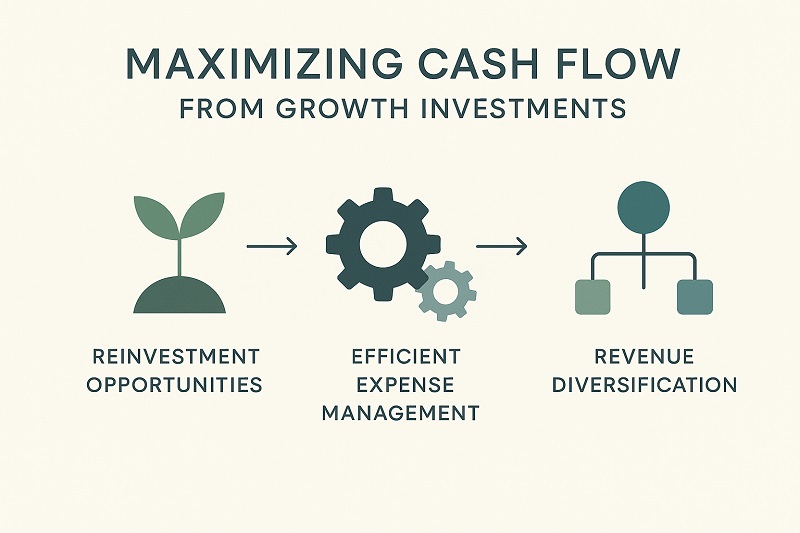
Enhancing cash flow from growth investments involves strategically evaluating and selecting opportunities that promise substantial returns. For investors, this often means identifying high-growth stocks and employing effective strategies to maximize returns on their investment. Understanding the intricacies of how cash flow plays into growth investments positions you to capitalize on future upswings in the market. We’ll dive into strategies that help in boosting investment returns and improving overall profitability. Ultimately, maximizing returns is about more than picking the right stocks; it’s about comprehensive planning and execution.
Strategies to Improve Investment Returns
Improving investment returns in the realm of growth investments involves a keen understanding of market dynamics and a strategic approach to portfolio management. One effective strategy is to engage in thorough market reviews, dissecting past performance metrics to forecast future trends. Rigorous analysis can unearth high-growth opportunities that may not be immediately apparent. Look for companies with strong market positions or unique competitive advantages that can sustain their growth trajectories. Among these metrics, cash flow should receive special attention as it provides insight into a company’s operational effectiveness and its potential for future expansion.
Another powerful strategy is diversifying across multiple high-growth industries. This not only spreads risk but also maximizes exposure to different market segments that could outperform. Industries such as technology, biotech, and renewable energy often present substantial growth potential. By allocating investments wisely across these sectors, you can benefit from their collective upward momentum. Ensuring a diversified portfolio allows you to mitigate the impact of economic downturns in one sector, balancing overall returns while still pursuing outstanding opportunities.
In addition, continually refine your investment strategies by reviewing and adjusting them based on current economic conditions and market changes. Stay informed about macroeconomic indicators such as interest rates and regulatory changes which can significantly affect high-growth companies. Adopting a flexible strategy that allows you to pivot based on market insights can be a game-changer. Leveraging financial technology tools to analyze data real-time provides an edge, enabling quicker, informed decisions that can improve overall investment returns.
Lastly, always have an exit strategy. Knowing when to hold or sell investments can be just as critical as choosing what to buy. High-growth investments often experience volatile price movements; thus, setting clear criteria for exits can protect gains and limit losses. Regularly reviewing your portfolio and being ready to act when market conditions change gives you the upper hand in the competitive investment landscape. Implement these strategies diligently to not only maximize returns but also to ensure a resilient and profitable investment journey.
Investing in Amazon’s stock has become a cornerstone for many who see the potential for long-term growth. It’s essential to understand the key factors that contribute to successfully navigating this investment landscape. Before buying Amazon stock, investors should consider market dynamics, competitive positioning, and financial health. Evaluating these elements offers insight into Amazon’s performance and future prospects. Whether you’re a newcomer or a seasoned investor, understanding how to navigate this complex market can provide significant returns. Let’s explore the factors that are critical to making informed decisions when investing in Amazon.
Key Factors to Consider Before Buying Amazon Stock
When considering buying Amazon stock, several key factors mustn’t be overlooked. First, consider the overall market conditions and how they may impact Amazon’s stock price. The e-commerce giant has a vast reach, and its performance often mirrors broader economic trends. Monitoring economic indicators, such as consumer spending and supply chain disruptions, can provide a clearer picture of potential impacts. These insights are crucial when deciding the right time for your investment.
Secondly, evaluate Amazon’s competitive landscape. Amazon operates in fiercely competitive markets like cloud computing and digital streaming, apart from its core e-commerce business. Understanding who its competitors are and how Amazon differentiates itself through innovation and service quality is vital. Keep an eye on new entrants and existing giants like Google Cloud and Netflix. This vigilance helps assess whether Amazon’s strategic initiatives are effectively maintaining its leadership position.
Another pivotal factor is financial health, which can be discerned through rigorous financial analysis. Amazon’s revenue growth, profitability metrics, and cash flow statements should be scrutinized closely. Look at historical growth rates and project future potential by examining strategies in play, such as their expansion into new markets and technological investments. Amazon’s substantial reinvestments often reflect in lower immediate profits, but they signal a strong commitment to long-term growth.
Investor sentiment and market speculation can significantly impact Amazon’s stock price. Social media, news articles, and analyst reports often influence short-term price movements. As an investor, distinguishing between noise and factual trends through critical analysis can help in making more educated decisions.
Risk assessment is an integral aspect of investing in Amazon. Its global operations expose it to risks like regulatory changes, political environments, and currency fluctuations. Additionally, its thin profit margins require careful consideration. Diversifying your portfolio can mitigate some of these risks, enhancing your overall investment strategy.
Finally, take into account Amazon’s leadership and management strategies. Jeff Bezos’ vision laid the foundation for Amazon’s vast infrastructure, but how the current leadership harnesses this legacy will dictate future success. Observing management’s ability to innovate and handle external pressures aligns with assessing a company’s direction under new stewardship.
Investing in Amazon requires more than noticing its stock price movements; it necessitates deep dives into strategic, macroeconomic, and competitive analyses. By incorporating these diverse factors into your investment strategy, you position yourself to navigate the challenging yet rewarding Amazon investing landscape successfully. Remember, knowledge is power, and your diligence could lead to significant returns.
Seeking Guidance from a Stock Advisor
Whether you’re a seasoned investor or new to the stock market, seeking guidance from a stock advisor can be invaluable. These professionals offer insights and strategies tailored to your investment goals, helping you navigate complex financial landscapes. From evaluating growth opportunities to understanding market dynamics, advisors provide expert advice that can optimize your portfolio. They can offer a fresh perspective on investment trends and potential risks, ensuring you’re well-informed before making crucial decisions. By consulting a professional, you’re not just buying stocks; you’re building a strategic investment path that aligns with your long-term financial objectives.
When and Why to Consult a Professional
Knowing when and why to consult a professional stock advisor can significantly impact your investment outcomes. Many investors begin their journey with a high degree of enthusiasm and self-research, but the intricate nature of stock markets often necessitates professional guidance. One of the primary reasons to seek advice is when you find yourself overwhelmed by the sheer volume of information and market dynamics involved in growth investing. A knowledgeable stock advisor can provide tailored guidance, helping you to streamline data and focus on what truly matters for reaching your investment goals.
Consulting a professional becomes especially crucial during periods of market volatility or economic uncertainty. These conditions require not only a solid understanding of market trends but also a strategic approach to risk management. Experienced advisors are adept at developing diversified portfolios that balance potential risks and rewards, ensuring your investments remain robust under changing market conditions. Additionally, they present in-depth reviews and analyses of stocks, offering insights beyond standard financial reports and market speculations, giving you a competitive edge.
Another key time to consider seeking guidance is when you’re looking to explore new opportunities or make significant changes to your portfolio, such as venturing into technology stocks or high-growth sectors. Professional advisors not only possess up-to-date information about emerging markets but also have access to industry insights that the average investor might overlook. By leveraging their knowledge, you can make informed decisions about when to buy Amazon stock or identify the next breakout company akin to Amazon.
Moreover, seasoned advisors can be indispensable during major life changes that affect your financial standing and investment goals. Whether it’s planning for retirement, adjusting to an inheritance, or realigning your portfolio due to career developments, professional advisors offer the personalized guidance necessary to navigate these transitions smoothly. They help craft investment strategies that align with both short-term needs and long-term aspirations.
Ultimately, a professional’s perspective can help you evaluate why certain investment decisions align with your overall strategy. This analysis often involves assessing not only a stock’s immediate performance but also its long-term growth potential and market positioning. By identifying potential pitfalls and opportunities, advisors enable you to make strategic moves that support sustained growth and financial health. Their ability to cut through market noise with structural analyses and informed decisions can be the difference between subpar returns and portfolio growth.
With these aspects in mind, reaching out to a seasoned stock advisor transforms your investment approach from speculative to strategic, paving the way for outcomes that reflect your financial objectives. Whether you’re grappling with market conditions or looking to scale up your investments, professional guidance could be the key to unlocking sustained success in the stock market.
In the dynamic world of growth investing, identifying potential giants like Amazon requires both diligence and strategic insight. Whether you’re leveraging market analysis tools, keeping a close eye on emerging trends, or simply buying into AMZN’s established stock, remember that knowledge and patience are your best allies. Continuously educate yourself with up-to-date investor resources and consider robust savings plans to maximize your returns. Start small, stay informed, and be prepared to stay the course, your investment journey could lead to extraordinary financial growth, just like an early buy-in to Amazon did for many astute investors.
FAQ: How to Find the Next Amazon
What is growth investing?
Growth investing is a strategy focused on identifying companies expected to grow significantly in terms of revenue and market value. Investors seek innovative, scalable businesses for substantial returns, analyzing market trends, financials, and leadership effectiveness.
How can I identify high-growth stocks?
Start by analyzing market trends in high-growth industries like technology and biotech. Look for companies with strong financial performance, increasing revenue growth rates, and effective leadership that can execute expansion plans.
What should I consider before investing in Amazon stock?
Evaluate Amazon’s market dynamics, competitive positioning, and financial health. Understand economic factors and competitive landscapes to assess the viability of investing in Amazon’s ever-expanding venture portfolio.
Why is consulting a stock advisor beneficial?
A stock advisor offers expert guidance, helping you navigate complex market conditions and assess high-growth opportunities. They help tailor strategies to meet your investment objectives amidst economic uncertainties.
What role do financial statements play in assessing growth potential?
Financial statements provide insights into a company’s revenue health and growth trajectory. Analyzing income statements, cash flows, and gross margins helps investors determine operational efficiency and identify financial prospects of potential investments.