

Investing in your child’s future is more important than ever, with multiple pathways available to secure financial stability from an early age. By exploring diverse investment options tailored for kids, you can instill valuable money management skills and set the stage for long-term wealth building. From savings accounts to custodial accounts, discover seven smart strategies designed to grow your child’s nest egg consistently over time. Equip your child with financial literacy while fostering a secure future, combining foresight with practical financial tools to nurture their potential and dreams. Start their journey towards financial independence and prosperity today.
Brief Overview
Investing in your child’s financial future is easier with early, strategic investment choices like savings accounts and custodial accounts. These options teach financial literacy while leveraging compound growth for significant long-term gains. High-yield savings, college funds, and Roth IRAs offer tax advantages, potential returns, and financial flexibility. Encouraging kids’ engagement with finance helps them develop healthy money habits. Starting now with diverse, planned investments not only builds a secure financial foundation but also prepares your child to confidently manage their wealth. Equip them with tools and guidance, and watch as they thrive financially.
Key Highlights
- Early investing empowers long-term wealth through compound growth, teaching patience and strategic planning.
- Custodial accounts offer tax benefits and essential financial literacy, preparing children for future responsibilities.
- Teen-owned brokerage accounts enhance investment skills and market understanding, promoting financial independence.
- High-yield savings accounts boost early savings, leveraging interest for substantial future growth.
- Starting financial planning early maximizes growth through compounding and ingrains money management skills.
Introduction to Investing for Children
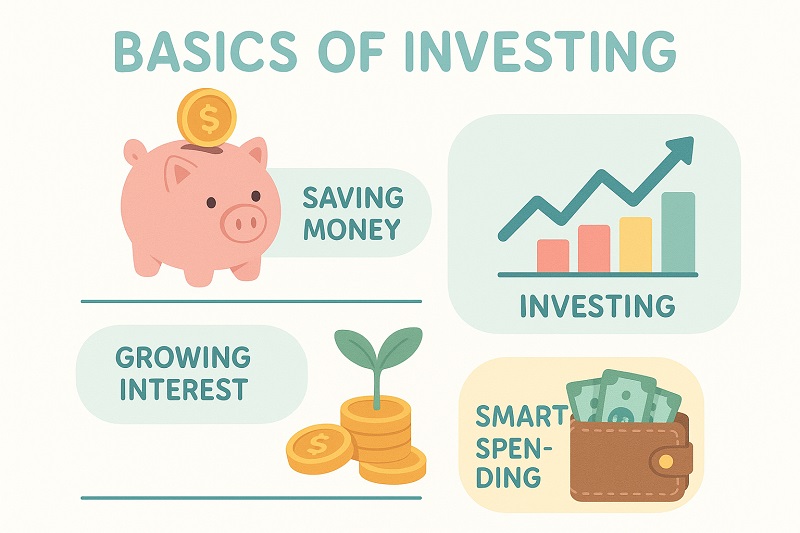
Introducing kids to investing early lays a solid foundation for their financial future, helping them grasp essential financial concepts. Early investments teach children the value of money, the power of compound interest, and the dynamics of wealth management. By nurturing smart financial habits from a young age, kids can learn how to effectively manage and grow their assets, turning their financial goals into reality. This early understanding can adapt to evolving financial landscapes, enabling them to meet their long-term goals and confidently navigate risk and reward dynamics. Let’s delve into why early investments matter and the importance of understanding risk and reward.
Why Early Investments Matter
Investing early offers a host of benefits that pave the way toward long-term wealth for children. Early investments capitalize on the power of compound growth, where returns are reinvested to generate their own returns. This snowball effect can significantly increase the value of an initial investment over time, teaching children the importance of patience and strategic planning. In addition, starting early allows children to have prolonged exposure to the market, which aligns perfectly with wealth-building strategies and financial goals. As they grow older, kids will appreciate how these early investment decisions have helped secure their financial future. As an investor, you’ll value how instilling this discipline early on lays the groundwork for your child’s understanding of financial management and asset diversification.
Understanding Risk Versus Reward in Child Investments
A crucial component of child investments is understanding the balance of risk and reward. Educating kids on these factors emphasizes that with potential rewards come associated risks. This topic teaches them to evaluate investment choices wisely and make informed decisions. An early grasp of risk management strategies is invaluable as it encourages youthful investors to diversify their portfolio, minimizing potential losses while maximizing gains. It’s important to nurture a mindset that steady, well-researched investment decisions outweigh impulsive, high-risk strategies. By exploring things like market volatility and historical performance, children will learn to align their assets with long-term financial goals. As an investor, these teachings enable your child to plan with a strategic mindset, effectively leveraging the principles of wealth management to build a secure financial future.
Exploring Custodial Accounts for Your Child
Custodial accounts offer a unique opportunity to start investing in your child’s future. These accounts allow you to manage funds on behalf of your child, ensuring that their assets are primed for growth until they reach adulthood. In this segment, we’ll delve into what makes custodial accounts a valuable investment tool, focusing on both the fundamental concept and benefits they provide. Understanding the nuances of these accounts can aid in effective financial planning, securing long-term wealth growth for your child. Let’s explore how these investment vehicles can pave the way for a bright financial future.
What is a Custodial Account?
A custodial account is a financial tool that enables parents or guardians to manage investments for their child, holding assets until the child reaches adulthood. These accounts are created under the child’s name, giving them the legal right to the holdings once they come of age. As the custodian, you have full control over the investing decisions, but the funds belong to the child. This setup offers a platform for long-term wealth management, allowing contributions to grow over time through strategic investments.
A custodial account is not taxed at the child’s rate initially, providing potential tax advantages that can enhance growth. Furthermore, it’s a practical means of introducing your child to the world of finances practically. By involving them in decisions over the assets, you can instigate an early understanding of money management and investment strategies. From stocks to mutual funds, a custodial account offers diverse investment opportunities aligned with long-term financial planning objectives. Encouraging regular tracking and evaluation of these investments can ignite a genuine interest in wealth management from a young age, fostering responsible future investors.
Benefits and Considerations
Custodial accounts present several enticing benefits, but it’s important to weigh them against potential considerations. One significant advantage is that these accounts help accumulate funds for education, with money growing tax-deferred, making it a smart choice for long-term financial objectives. They also provide an excellent opportunity for teaching financial literacy, as your child can observe firsthand how their accounts grow and learn about investment dynamics.
However, one must consider that these funds will be fully accessible to the child at adulthood, which might not align with all educational or wealth-planning goals. Parents should consider whether their child will be responsible enough to manage the finances wisely. Another factor is that funds in a custodial account could affect financial aid eligibility, an important concern for those planning to apply for educational grants. Balancing such considerations involves clear planning and dialogue with your child about the responsibilities and potential of managing their assets for education or other future financial needs. By strategically guiding your child, custodial accounts can serve as a reliable vehicle for building substantial wealth, all the while nurturing a sense of financial responsibility and independence.
Leveraging a Teen-Owned Brokerage Account
Introducing teens to brokerage accounts offers a fantastic opportunity to instill early financial literacy and investment skills. Teens owning a brokerage account can actively engage with diverse financial instruments like stocks and ETFs, allowing them to make smart investment choices. They not only learn about financial markets but also understand the importance of strategic financial planning for sustainable wealth growth. This can be an invaluable tool in guiding teens toward a financially independent future, helping them build substantial funds over time through prudent investment management and savvy monitoring. Let’s dive into the basics and nuances of these accounts and efficient ways to manage them.
The Basics of Teen-Owned Brokerage Accounts
A teen-owned brokerage account is a powerful gateway into the world of investing. It’s a type of account that allows teens to invest in financial markets under the supervision of a parent or guardian. These accounts, unlike custodial accounts, give teens more direct ownership of their investments, fostering a deeper sense of responsibility and interest in financial matters. Teens can learn about asset classes such as stocks, ETFs, and funds while exploring how markets operate.
Through careful selection and planning, they can invest in a diversified portfolio designed for long-term growth. By beginning at a young age, teens can harness the power of compound growth, a cornerstone of financial success. Guidance through investment management will ensure funds align with long-term financial goals. For parents and guardians, it’s a chance to impart vital financial literacy skills, explaining economic concepts in a relatable way and empowering them to make informed decisions. As they grow their accounts, teens will develop a savvy understanding of wealth-building strategies, setting them up for future financial independence.
How to Manage and Monitor the Account
Effective management and monitoring of a teen-owned brokerage account are crucial for realizing its long-term potential. First, establishing clear investment goals is indispensable. These goals underpin the selection of stocks, ETFs, and other financial instruments, enabling a balanced and strategic approach that aligns with the teen’s financial aspirations. Regular monitoring helps stay abreast of market changes and adjust holdings accordingly, encouraging active engagement with financial markets. Teaching teens to analyze market trends, understand risk tolerance, and diversify their investments are critical steps.
Utilizing account management tools can simplify this process, offering insights on performance and growth potential. Parents play a pivotal role here, guiding their child through the intricacies of financial management and encouraging discussions on financial trends and market strategies. It’s also beneficial to encourage your teen to engage in savings planning. By fostering a habit of regular account reviews and financial assessments, teens will become adept at making confident investment decisions. This iterative learning approach ensures they not only keep track of financial health but also refine their investment strategies over time, building confidence and expertise as future investors.
Setting Up a Children’s Savings Account
Establishing a children’s savings account can be a cornerstone for teaching your kids about financial responsibility and setting the stage for their future wealth-building journey. Leveraging such accounts not only encourages money management from an early age but also helps in achieving your financial goals. As an investor, understanding the advantages these accounts offer and how to motivate regular contributions is key to maximizing their potential. By integrating strategic planning and nurturing a savings mindset, you can ensure your child’s money grows effectively over time.
Advantages of a Children’s Savings Account
A children’s savings account is a powerful tool for securing a child’s financial future while teaching them essential money management skills. These accounts often offer competitive interest rates, allowing your child’s savings to grow over time. Moreover, they provide a secure place for their funds, encouraging disciplined savings habits from a young age. By setting up an account specifically for your child, you’re instilling a sense of ownership and responsibility over their money, fostering early financial literacy.
Additionally, these accounts can come with features like no minimum balance requirements or minimal fees, making them accessible and efficient. As an investor, you’ll appreciate how such accounts not only safeguard your child’s funds but also align with long-term wealth-building goals by facilitating structured savings. Moreover, regularly reviewing the account’s growth can offer both you and your child insights into how consistent contributions and time can amplify wealth. This tangible experience with financial growth helps your child develop a practical understanding of savings principles and financial planning, setting a strong foundation for their future investing prowess.
Continuing from the discussion on children’s savings accounts, let’s explore some practical tips for maximizing the benefits of these accounts:
- Schedule regular deposits to build consistent saving habits and gradual wealth growth.
- Set savings goals with your child to encourage active participation and financial understanding.
- Monitor interest rate changes to ensure your child’s account yields optimal returns.
- Leverage automatic transfers from your account to simplify contributions.
- Teach your child to review statements, fostering financial literacy and accountability.
- Utilize online banking tools for easy management and to track progress.
- Introduce concepts like compound interest to strengthen their grasp of investment principles.
These actionable steps enhance the benefits of a children’s savings account, boosting your child’s financial acumen.
Tips on Encouraging Regular Contributions
To ensure consistent growth in a children’s savings account, encouraging regular contributions is essential. One effective way is to match their savings, providing a tangible incentive for them to deposit a portion of their allowance or any gift money. This matching strategy not only amplifies their contributions but also emphasizes the reward of disciplined saving. Setting financial goals with your child, such as saving for a new toy or a college fund, can also motivate them to consistently contribute to their savings plan.
As an investor, you recognize that setting milestones provides a clear target to aim for, making the act of saving more engaging and purposeful. Make savings a fun and rewarding part of their routine by setting challenges or games around their savings contributions. Celebrating their successes in meeting savings benchmarks builds confidence and reinforces positive behaviors. Using digital tools like mobile banking apps can make monitoring their savings interactive and educational. These platforms often include features that track progress towards financial goals, making contributions feel more immediate and impactful. By integrating these practices, you’ll not only foster a savings habit but also cultivate your child’s understanding of financial management, which can translate into more sophisticated investing strategies as they grow.
High-Yield Savings Options for Growth
Starting a high-yield savings account for your child unlocks the benefits of sustained financial growth. These accounts offer higher interest rates than traditional savings, translating to enhanced returns over time. Pairing these with the concept of compound growth can substantially boost your child’s initial investment, laying a foundation for future wealth. Such high-yield plans don’t just foster financial discipline but also align with long-term investment goals. Learn about choosing the optimal savings plan and how the power of compounding turns savings into significant financial assets for your child’s future.
Choosing a High-Yield Savings Plan
Picking the right high-yield savings plan is crucial when setting up an account for your child’s financial future. These accounts generally offer attractive interest rates, significantly higher than what regular savings accounts might provide, making them ideal for increasing your child’s wealth over time. As an investor, it’s important to examine the various features and benefits that each financial institution offers, such as compounded interest, minimal fees, or deposit requirements.
Understanding these details can drastically affect how much growth you can expect from your investments. Consider plans that provide easy online access or user-friendly mobile apps, making it simpler for you and your child to track account activity and growth progress. The ease of accessibility ensures active engagement with their savings journey, nurturing a sense of financial responsibility. Additionally, some accounts may offer special incentives or bonuses for reaching specific deposit thresholds, further amplifying growth opportunities. By carefully evaluating these options, you can maximize the financial gains from your high-yield savings plan, setting up a robust foundation for your child’s future financial success.
Benefits of Compound Growth is Your Best Friend
Harnessing the magic of compound growth transforms a high-yield savings account from a simple repository into a powerful wealth-building tool. With compound interest, the interest earned on your child’s savings is reinvested, leading to exponential growth over time, a phenomena often described as “interest on interest.
This compounding effect significantly contributes to long-term wealth accumulation, making it invaluable for your child’s financial planning. Early exposure to this concept helps children grasp the importance of patience and strategic growth planning. The earlier you start, the more time the money has to grow, and that’s a fundamental investing principle you, as an investor, will deeply appreciate. Imagine starting with a modest sum, over the years, consistent interest accumulation can transform these initial savings into a significant amount, making future financial goals more achievable. Encourage your child to learn how compounding works by regularly reviewing the account’s progress and observing firsthand how their small contributions can lead to substantial financial accumulation over time. This growing understanding paves the way for them to make informed decisions as future investors, setting the stage for a confident financial future.
Investment Accounts Tailored for Kids
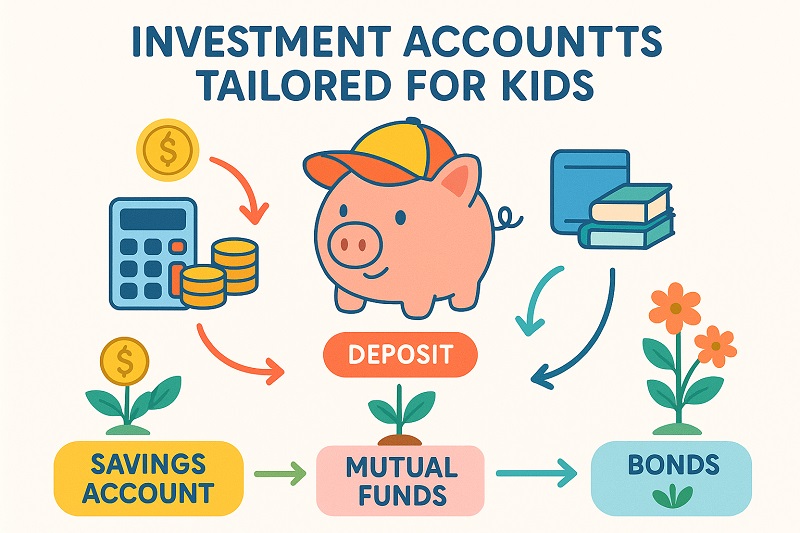
Exploring investment accounts designed specifically for kids can provide substantial long-term growth opportunities. By leveraging an investment account tailored to a child’s needs, you can create a robust financial platform that evolves over time. Understanding the different types of accounts available and getting started with firms like Fidelity can set a concrete path for your child’s financial success. The right accounts not only support savings and investments but also instill lifelong financial literacy. Discover how these options can help build a secure financial future for your little ones, ensuring their financial goals are met with strategic planning.
Types of Investment Accounts Available
When it comes to setting your child up with a solid financial foundation, choosing the right type of investment account is key. There are several accounts designed specifically for family-led savings and investments. Custodial accounts, such as the UGMA or UTMA, are popular options that allow parents to manage funds on behalf of their children. These accounts offer flexibility in terms of investment options, akin to traditional brokerage accounts, ensuring your child’s money is working hard for them. Custodial IRAs are another option for children who earn income, allowing for tax-advantaged savings that grow over time. As an investor, it’s wise to evaluate the potential tax benefits and growth projections each of these accounts can offer.
Additionally, a 529 plan is beneficial for families planning for educational expenses, offering tax advantages that can significantly aid in funding a child’s future college costs. Balancing these different options involves aligning your selection with your family’s financial goals and plans. For those looking for simplified savings without the intricacies of intricate investments, simple savings accounts tailored for minors might be an excellent starting point. Whichever path you choose, starting early not only capitalizes on the magic of compound growth but also imparts essential financial knowledge to your child. Understanding these accounts ensures that as your child matures, they’ll have a keen insight into investment dynamics and the importance of diversified portfolios.
How to Get Started Today with a Fidelity Account
Starting a Fidelity account is a strategic move to grant your child a head start in the world of finance. Fidelity’s breadth of account types, tailored specifically for youth, gives you the flexibility to match the right financial tool to your family’s goals. Begin by identifying which type of Fidelity account aligns with your child’s needs, be it a custodial account for long-term investment growth or a simple savings option with favorable conditions. As an investor, you’ll appreciate Fidelity’s client-centric platform that simplifies the management of investments, savings, and educational plans. Their intuitive online resources make setting up and managing accounts straightforward, embodying a user-friendly approach that caters to both the novice and experienced investor alike.
Once you’ve settled on a Fidelity account type, opening an account involves minimal paperwork and can often be done entirely online. Start by compiling important documents like your child’s Social Security number and relevant identification for custody arrangement accounts. Fidelity’s customer support offers step-by-step guidance, ensuring that the process is as smooth as possible. By starting early, you harness the profound benefits of financial markets over prolonged investment horizons. Fidelity’s robust suite of tools, such as financial goal tracking and performance insights, enables you to teach your child fundamental savings principles alongside investment strategies. This proactive approach instills not only a financial literacy foundation but also imparts a sense of responsibility in managing their future wealth.
College Savings: Planning for Academic Future
Investing in college savings is a strategic step towards securing your child’s academic and financial future. Focusing on building a robust education fund, it’s essential to explore various saving opportunities such as 529 plans, which offer significant tax advantages. Understanding these savings strategies helps in minimizing education expenses and achieving long-term financial goals. Let’s dive into 529 plans and practical tips for structuring a strong financial portfolio for your child’s education.
Understanding 529 Plans for College Savings
529 plans are standout vehicles for college savings due to their tax-advantaged benefits and flexibility. These plans, established specifically for education expenses, allow for tax-free withdrawals when used for qualified education costs. As an investor, leveraging a 529 plan can facilitate strategic financial planning, ensuring your child’s education fund grows over time without the burden of taxes on gains. Contributions to a 529 plan aren’t federally tax-deductible, but many states offer deductions or credits, incentivizing savings at a state level.
Beyond the tax implications, 529 plans provide diverse investment options, giving you the flexibility to choose a portfolio that aligns with your financial goals. Automatic contributions provide a disciplined approach to investing, steadily increasing the education fund. Over time, this structured saving strategy, compounded with potential market growth, can substantially bolster the funds necessary for college tuition and other related expenses. Start a 529 plan early to take full advantage of compounding growth and minimize financial stress when college tuition bills start coming in.
Tips for Building a Robust Education Fund
Building a robust education fund begins with clear financial planning and understanding the available savings options like 529 plans. Start with setting realistic financial goals and establishing a savings timeline that matches your family’s capabilities. Regular contributions are key; consider automating these to maintain consistency over time. As investments in a 529 account grow, periodically review the fund’s performance and adjust investment choices as necessary to align with evolving educational costs or changes in financial markets.
Additionally, incorporating diverse funding strategies, such as mixing scholarships, grants, and personal savings alongside investment accounts, can reinforce the education fund’s foundation. Monitoring and adjusting the investment portfolio ensures it stays on track with educational goals while minimizing exposure to unnecessary risks. Involving your child in these processes, whether by setting savings goals or understanding college expenses, instills financial responsibility and literacy. These practices not only create a secure financial future for college but also instill financial confidence in your child, turning aspirations of education into reality while maintaining wealth growth.
Utilizing a Roth IRA for Your Child
A Roth IRA can be a strategic and powerful tool to secure your child’s financial future, affording them a head start in wealth building. Unlike traditional savings accounts, a Roth IRA offers unique benefits that amplify long-term gains thanks to its tax-free growth and flexibility. When you’re investing in a Roth IRA for your child, you not only open up a world of retirement savings early but also teach valuable financial skills. It’s an investment that grows with them, aiding their future needs whether it’s funding education, buying a home, or securing retirement. Let’s explore what makes a Roth IRA a particularly advantageous option.
The Long-Term Benefits of a Roth IRA
Establishing a Roth IRA for your child can offer substantial long-term financial benefits, setting a robust foundation for their future. The advantage of a Roth IRA lies in its tax-free growth, which can exponentially increase your child’s savings over time. Contributions are made with post-tax dollars, meaning withdrawals during retirement are tax-free, including both principal and earned interest. This not only reduces future tax liabilities but also maximizes investment growth, key factors in long-term wealth planning. A Roth IRA can be particularly beneficial for young investors as they typically fall into a lower tax bracket, optimizing the post-tax nature of the contributions.
Moreover, a Roth IRA provides your child with flexibility that traditional retirement accounts don’t offer. This flexibility comes in handy, allowing penalty-free, tax-free withdrawals of contributions at any time, providing financial liquidity should unexpected needs arise. It’s more than just a retirement vehicle; it’s an adaptable savings tool that can assist with significant life expenses. Encouraging your child to understand and manage their Roth IRA can also instill crucial financial habits. By showing them how to regularly contribute and wisely invest these funds, you enhance their financial literacy, preparing them to make strategic investment decisions throughout their lives. Consider starting early to leverage the full potential of compound interest and secure a financial foundation that will benefit them for decades.
Annual Contribution Limits and Tax Advantages
Roth IRAs offer compelling tax advantages that can significantly boost your child’s long-term savings, but it’s crucial to understand the annual contribution limits to maximize its potential. For 2023, the contribution limit for a Roth IRA stands at $6,500, or $7,500 if you’re over 50. Given that your child won’t earn income at this level, contributions will likely be limited to their earned income, yet this offers a generous ceiling for building wealth early. The key to optimizing contributions lies in consistent annual investments, tapping into the reassurance of predictable growth through compound interest over the years.
These contributions, though made with post-tax dollars, flourish in a tax-sheltered environment. The real allure is in tax-free withdrawals upon retirement, including both the principal and substantial earnings accrued over decades. Such advantages are pivotal when comparing it to other savings accounts and investment vehicles, making Roth IRAs an essential element of strategic financial planning. Using this tool, you can educate your child about setting and achieving financial goals, skills that extend beyond the account itself. As these funds grow tax-free, they offer peace of mind and underscore the importance of disciplined saving. With deliberate planning and understanding of tax implications, Roth IRAs can elevate your child’s financial security and independence, reinforcing their ability to meet future economic challenges head-on.
Crafting a Comprehensive Savings Plan
Designing a robust savings plan for your child sets the stage for a lifetime of financial security. It involves selecting the right tools and resources for financial planning, while also encouraging financial literacy from a young age. By weaving these elements into your child’s daily life, you lay the groundwork for achieving their future financial goals. Let’s explore the strategies and resources available to build an effective plan and foster financial literacy in your child.
Tools and Resources for Effective Planning
A well-crafted savings plan requires the right tools and resources to guide successful financial planning. For investors, introducing your child to savings accounts and diverse investment options is the first step. Utilize youth-focused savings plans offered by banks or credit unions; these accounts often have no fees and higher interest rates, promoting steady growth. Many institutions now offer user-friendly apps which simplify the tracking of financial goals and enable real-time monitoring of investments, making financial management accessible for kids.
Online resources and financial planning software can further enhance your strategy by providing simulations of how savings grow over time. Such tools often include interactive features that teach concepts like interest rates and compound growth, supporting both educational and practical aspects of financial literacy. Leveraging these resources helps instill a disciplined savings habit in your child, with a clear pathway towards their wealth-building goals. Encourage regular reviews of these plans to adapt to evolving financial landscapes, ensuring that savings goals remain aligned with long-term objectives.
Encouraging Financial Literacy in Children
Raising financially literate children is crucial for future financial independence. Start by incorporating basic financial conversations into your daily routine, helping your child grasp fundamental concepts like budgeting, saving, and investing. Consider setting up a mock budget using their allowance, which allows them to set financial priorities and understand the significance of each spending choice. This practical approach nurtures a money-savvy mindset, equipping them with skills to manage their wealth effectively.
Books and educational games focused on financial literacy can also be instrumental. These resources present financial concepts in a fun and engaging way. The right combination of learning tools can spark curiosity about finance and investing, promoting a genuine interest in wealth and financial management. Additionally, involve your child in family financial discussions where appropriate, offering them a chance to voice ideas and learn from real-life examples. By fostering a strong foundation in financial literacy, you not only prepare your child to meet their financial goals but also set the stage for them to explore and capitalize on investment opportunities as future investors.
Conclusion: Securing a Financial Future for Your Child
Securing your child’s financial future is a journey that combines strategic investment and early financial education. By implementing key wealth-building strategies, you foster a robust foundation for them to achieve their long-term goals. During this process, the power of starting early cannot be overstated, as it amplifies the benefits of compound growth and minimizes the impact of risk. This conclusion recaps these essential strategies while highlighting the importance of early action in investment planning to ensure a stable financial future for your child.
Recap of Key Investment Strategies
As we wrap up, it’s essential to revisit the core investment strategies that set the stage for your child’s future financial success. Custodial accounts serve as an excellent starting point, allowing you to manage funds on behalf of your child. They introduce concepts like ownership and responsibility, while also offering tax advantages to maximize growth. Teen-owned brokerage accounts further this journey by involving your child directly in investment decision-making, fostering a deeper understanding of financial markets and strategic planning. These accounts teach teens about asset diversification and the dynamics of risk and reward, ensuring they grow into savvy investors over time.
Additionally, children’s savings accounts and high-yield savings plans play a significant role in instilling disciplined savings habits from a young age. The benefits of compound growth in these accounts cannot be overstated, as they transform small, regular contributions into substantial wealth over time. Integrating these savings plans with tools to monitor progress aligns with long-term financial goals while keeping the journey engaging for your child. Finally, the Roth IRA presents a unique opportunity for tax-free growth, granting your child both flexibility and a robust retirement saving foundation. Through these diverse investment strategies, you’re not just securing financial goals for your child, you’re equipping them with the skills to navigate the investing world confidently.
The Importance of Starting Early
Emphasizing the importance of starting early with your child’s financial planning cannot be overstated. Investing at a young age allows time to work its magic, particularly through the power of compound growth. The earlier money is invested, the greater the potential for substantial growth due to the exponential nature of compounding, where returns themselves generate additional returns. This principle lays the groundwork for achieving long-term financial goals, making patience and time the best allies in wealth accumulation.
Starting early isn’t just about maximizing financial growth, it also engrains the value of money management from a young age. It provides a hands-on learning experience about budgeting, saving, and investing, teaching your child invaluable financial literacy skills. Cultivating these habits early helps your child understand the balance of risk and reward, enabling them to make more informed investment decisions. Furthermore, engaging them in financial discussions fosters responsibility and encourages informed choices about their financial future. By instilling a blend of practical knowledge and strategic planning in your child’s formative years, you set them up for a future that’s both financially secure and informed about wealth management strategies.
Investing for your kids not only secures their future but instills essential financial wisdom from a young age. Whether it’s a college savings account or stock investments, these seven ideas pave a promising path for wealth-building. Diversifying across different assets ensures resilience against market changes, ultimately leading to smarter investment habits for children as they grow. Start today, and cultivate a legacy of financial security and growth.
FAQ: Best Investments for Kids
Why is it important to invest in your child’s future early?
Starting early with investments allows your child to benefit from compound growth over time, turning small savings into significant wealth as they grow. It also teaches them the value of money management and instills patience, strategic planning, and financial literacy from a young age.
What are the benefits of a custodial account for kids?
Custodial accounts provide tax benefits and the opportunity for kids to learn financial management. These accounts are managed by the custodian until the child reaches adulthood, offering growth potential through various investments like stocks and bonds.
How can a high-yield savings account help my child’s financial future?
High-yield savings accounts offer higher interest rates than typical savings accounts, allowing your child’s savings to grow more significantly over time. The compound growth in these accounts can significantly boost the initial savings, paving the way for future wealth.
What makes a Roth IRA a suitable investment for kids?
A Roth IRA offers tax-free growth and withdrawals once the funds have matured, making it an excellent tool for long-term savings. It allows for penalty-free withdrawals of contributions, providing flexibility to address significant life expenses.
How can opening a brokerage account benefit teens?
A brokerage account helps teens actively engage with financial markets, improving their understanding of stocks, ETFs, and strategic financial planning. This foundation is crucial for achieving financial independence and practicing smart money management in adulthood.