

Purchasing a home in 2026, even with bad credit, is not a distant dream but an achievable goal with the right strategy. This guide walks you through key steps to secure a mortgage despite credit challenges, offering practical advice on boosting your credit score effectively. We’ll explore tailored solutions, from seeking understanding lenders to creative financing options, ensuring you can confidently move forward in your home-buying journey. Dive in for actionable insights and transform your financial landscape, making homeownership a reality sooner than you thought possible.
Brief Overview
Purchasing a home in 2026 with bad credit is achievable with strategic planning and informed decisions. This guide offers steps to secure a mortgage despite credit challenges, including boosting your score, exploring FHA and VA loans, and leveraging professional advice. By understanding evolving credit requirements and utilizing payment assistance programs, you can make homeownership a reality. Engage with flexible lenders and focus on long-term credit health to convert low credit into an opportunity rather than an obstacle. With preparation and persistence, your dream home is within reach.
Key Highlights
- Checking your credit report for errors can improve mortgage eligibility and loan options.
- Setting a realistic home budget balances savings with monthly payments, improving lender appeal.
- Preapproval for a mortgage boosts buying power, especially with bad credit.
- Explore FHA and VA loans for flexible credit score requirements and better terms.
- Work with specialized lenders for low credit score approvals and tailor your financial strategy.
Check Your Credit and Review Your Report for Errors
Before diving into the home-buying process, it’s essential to check your credit and review your report for inaccuracies. Understanding your credit report isn’t just about knowing your credit score; it’s about having a clear picture of your credit history. Home buyers with bad credit may face challenges, but by thoroughly analyzing your credit report, you can identify errors that might be dragging down your score. Disputing these errors can improve your eligibility for better loan options. By taking these steps, you position yourself stronger in the eyes of lenders, making the homeownership journey smoother.
Understanding Your Credit Report
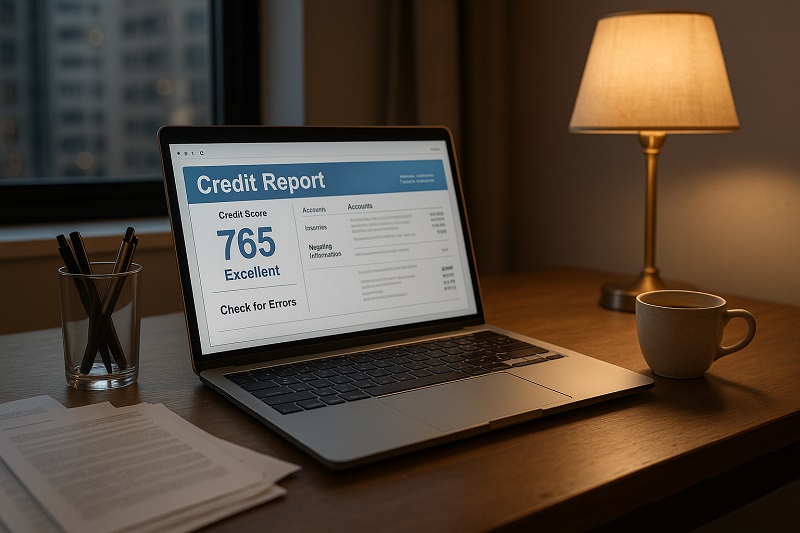
Your credit report is a detailed record of your credit history, and checking it periodically is crucial for any potential home buyer. It includes your credit score, but more importantly, tracks your borrowing behavior over time. This report helps lenders assess the risk associated with giving you a mortgage. If you understand the elements on the report, like your payment history and outstanding debt, you can better manage your credit strategy. To buy a house, lenders scrutinize these reports to ensure you’re a reliable borrower. Regular monitoring allows you to catch any discrepancies or unauthorized activities, giving you a chance to address issues before they affect your mortgage options.
Identifying and Disputing Errors
Spotting and correcting errors in your credit report can significantly impact your mortgage prospects. Errors, such as incorrect payment histories or unfamiliar credit activities, can unjustly damage your credit score. Start by carefully examining each entry in your credit report. If you find discrepancies, contact the credit bureau to dispute them. Rapid rescore services can expedite the correction process if time is of the essence. Fixing these errors not only boosts your credit score but also increases your attractiveness to home lenders. By ensuring your credit history accurately reflects your financial habits, you enhance your chances of securing favorable loan options.
Setting a Realistic Budget for Your New House
Crafting a realistic budget is a crucial step for home buyers, especially those with bad credit. Understanding your financial limits helps you navigate the housing market more effectively. A mindful budget starts with calculating an affordable range, ensuring you focus on homes within your means. Additionally, it’s vital to balance your savings with monthly mortgage payments. This practice ensures financial stability while paving the way to homeownership. By developing a detailed budget, you position yourself as a more attractive candidate to lenders, ultimately leading to a smoother home-buying process despite previous credit challenges.
Calculating Your Affordable Range
To start, you’ll need to calculate what portion of your income can comfortably go toward a home payment. This involves considering not just the mortgage, but also taxes, insurance, and maintenance. Assessing your current expenses will help define how much you can afford to spend monthly on a house. Remember, lenders often follow the 28/36 rule: spend no more than 28% of your income on housing and no more than 36% on total debt. By maintaining this ratio, home buyers can ensure financial health and stability. As you set this budget, check your credit to see how your credit score impacts potential lending options and interest rates.
Balancing Savings with Monthly Payments
Balancing savings with monthly mortgage payments ensures you’re not overburdened financially. Begin by estimating your desired down payment; this reduces your loan and monthly responsibilities. With bad credit, a higher down payment can improve your mortgage terms, making it vital to save as much as possible. However, don’t skimp on emergency funds. Having robust savings outside of your home budget safeguards against unexpected expenses. Maintaining this balance makes you more appealing to lenders, showcasing financial prudence and reducing perceived risk. As you prepare, consider the importance of a larger down payment to offset credit challenges and explore state programs for first-time buyers.
Getting Preapproved for a Mortgage Loan
Securing a mortgage loan with bad credit can seem daunting, but getting preapproved is a crucial step to ease the process. Preapproval gives home buyers clarity on loan options and shows sellers that you’re a serious contender. Understanding the preapproval process and why it’s necessary can empower you to make informed decisions. With a comprehensive view of your financial standing, you’ll be better positioned to negotiate with lenders for favorable terms. As you move towards buying a house, this foundational step could make the difference between landing your dream home or facing unexpected hurdles.
The Preapproval Process Explained
When it comes to preapproval, it’s about proving your creditworthiness to lenders before diving into house hunting. You’ll need to provide financial documents, like pay stubs, tax returns, and your credit score, to potential lenders. This isn’t just a formality; it sets the stage for pinpointing your realistic home buying budget and considering viable loan options. Preapproval differs from prequalification in that it involves a more thorough vetting process and is therefore more respected by sellers and agents. This preparation lets you enter negotiations with confidence, knowing exactly how much you can afford. And by understanding the preapproval process, potential homeowners can avoid misconceptions that might derail their buying plans.
Why Preapproval is Crucial
Preapproval for a mortgage loan is more than just a preliminary step; it’s a strategic move that can significantly enhance your buying power. For buyers with bad credit, it’s particularly valuable because it demonstrates to sellers and their agents that you’re financially capable, even if your credit score isn’t stellar. Preapproval helps you identify lender-specific criteria upfront, which can vary widely. This knowledge lets you tailor your application to meet those requirements, increasing the likelihood of securing the loan. Moreover, possessing a preapproval letter often places you ahead of other house bidders who lack this documentation, thus increasing your chances of clinching your desired home. Ultimately, mastering the importance of preapproval can transform your home buying journey from formidable to feasible.
In 2026, understanding how credit requirements have evolved can make a significant difference for home buyers, especially those with bad credit. With new lending practices and criteria, knowing what to expect helps in securing a mortgage. This section covers changes in credit requirements and highlights flexible mortgage lenders willing to work with low credit scores. By staying informed about these developments, potential buyers can better navigate the loan options available and enhance their buying position. Exploring these strategies positions you to effectively handle the challenges of buying a house despite having a low credit score.
How Credit Requirements Have Changed
The landscape of credit requirements has shifted, reflecting economic changes and evolving lender priorities. In 2026, lenders are adjusting their credit score expectations, recognizing the need to accommodate home buyers who might have encountered financial setbacks. While traditional credit score benchmarks remain, there’s a greater emphasis on holistic financial evaluations. This includes assessing payment history, current debts, and financial habits rather than relying solely on credit scores. Consequently, home buyers with bad credit could find more welcoming prospects if they can demonstrate stability in other financial areas. Understanding these nuances is vital if you’re aiming to secure a favorable mortgage, as it allows for strategic positioning when approaching lenders. Keep abreast of these shifts to make decisions that align with the latest trends.
Finding Flexible Mortgage Lenders
Finding lenders willing to consider applicants with bad credit has become slightly easier as mortgage criteria evolve. Flexible mortgage lenders are now reviewing applications in a more personalized manner. They’re prioritizing a broader financial picture, meaning home buyers need to prepare a comprehensive presentation of their finances. These lenders often offer products like FHA loans, VA loans, and custom loan options that can benefit you if your credit score isn’t perfect.
Engaging with these lenders involves showcasing your payment history, demonstrating responsible credit use, and illustrating current financial stability. For aspiring home owners, this approach can bridge the gap despite past credit challenges. As you explore your options, it’s essential to identify lenders who specialize in working with low-credit score applicants, setting the stage for successful negotiations and loan approvals. This proactive engagement can significantly improve your chances of securing a mortgage when buying a house.
Exploring the Role of Credit Score in Buying a House
Your credit score plays a pivotal role in determining your eligibility for a mortgage, especially if you’re considering buying a house with a less-than-stellar record. Lenders rely heavily on this score to assess risk. To move forward as a prospective home buyer, understanding what constitutes a “bad” credit score in the eyes of mortgage lenders is vital. Before applying, learning the steps to improve your score can position you better for a successful mortgage application. With diligent preparation, you can enhance your creditworthiness and open more housing opportunities.
What Mortgage Lenders Consider a Bad Score
Understanding what lenders deem as a bad credit score is crucial for home buyers. Typically, a score under 580 is considered poor, which can impact your ability to secure favorable mortgage terms. However, certain lenders might still offer loan options if you fall into this category. FHA loans are often a go-to for those with lower scores as they allow for a minimum score of 500 with certain conditions like a higher down payment. Nonetheless, having a low score generally means facing higher interest rates and more stringent prerequisites. Knowing the lender’s perspective on credit requirements helps in strategically preparing for the application process, enhancing your chances of successfully buying a house despite previous credit challenges.
Steps to Improve Your Score Before Applying
Improving your credit score before applying for a mortgage is a strategic move for aspiring home buyers. Start by checking your credit report for errors that could be unfairly dragging your score down. Rapid rescore services can help expedite corrections. Paying down existing debt is another effective method to boost your score, as it lowers your debt-to-income ratio, an important metric for lenders. Additionally, consistently making payments on time will gradually increase your score. Planning ahead can not only improve your current situation but also qualify you for better loan options, including FHA loans. By taking these steps, you’ll be in a stronger position when approaching mortgage lenders, reducing the financial impact of buying a house with bad credit.
Exploring Low Credit Mortgage Options
For home buyers dealing with bad credit, exploring low-credit mortgage options is crucial to finding the right pathway to homeownership. Among these options, FHA loans and VA loans stand out for their leniency towards lower credit scores compared to conventional loans. Understanding the benefits and requirements of these loans is key for low credit home buyers. FHA loans provide flexible credit score requirements and lower down payment options, while VA loans offer exceptional terms for eligible veterans. By diving deeper into these mortgage solutions, prospective buyers with less-than-perfect credit can make informed decisions, sidestep pitfalls, and ultimately secure a home.

Advantages of FHA Loans for Low Score Borrowers
FHA loans have become a staple for buyers struggling with a bad credit score, mainly due to their accommodating nature. Designed for low to moderate-income borrowers, FHA loans cater to those who might not qualify for traditional mortgages. One of the principal advantages of an FHA loan is the low credit requirement; you can secure a loan with a score as low as 500 with a larger down payment. Additionally, the FHA program allows for lower down payments, sometimes as low as 3.5%, making it more accessible for many home buyers. The FHA mortgage insurance also protects lenders, which can result in more favorable rates. Furthermore, FHA loans are particularly beneficial if you’re trying to re-establish credit, as regular payments can aid in boosting your credit score over time. Therefore, understanding FHA loans’ benefits not only helps you buy a house with less financial strain but also sets you on a path to improving your credit profile.
Understanding VA Loans and Eligibility
VA loans offer another viable avenue for prospective home buyers with low credit, especially for veterans, active service members, and certain military spouses. Unlike conventional loans, VA loans don’t require a down payment, which is a substantial relief for many home buyers working with limited funds. Additionally, they often come with competitive interest rates and require no private mortgage insurance, addressing financial challenges faced by those with bad credit.
The eligibility criteria focus on service history rather than credit scores, providing an alternative that accommodates low credit situations. If eligible, leveraging a VA loan can be an effective strategy to buy a house without the typical financial obstacles tied to a low credit score. It’s essential to check eligibility requirements and consider the benefits of a VA loan as they provide a unique financial advantage, proving particularly beneficial for those aiming to improve their credit score while secure housing. This makes the VA loan not just a credit-friendly option but a doorway to financial stability through reduced payment obligations and lower overall costs.
Strategizing Payment Assistance for First-Time Buyers
For first-time home buyers navigating the complexities of financing, strategizing payment assistance is crucial, especially for those with bad credit. Exploring state and federal programs can offer viable pathways to ownership, while careful planning of payment assistance applications can significantly enhance your chances of securing aid. Understanding these resources helps in bridging gaps between current financial status and housing aspirations. This approach is vital in today’s market, allowing you to optimize opportunities like FHA loans and VA loans. By embracing this knowledge, first-time buyers can better manage their credit score impact, making home-ownership a more realistic goal.
State and Federal Programs Available
State and federal programs offer a lifeline for first-time home buyers struggling with bad credit. These programs provide crucial payment assistance, significantly easing the process of securing a mortgage. Among the notable federal programs are FHA loans and VA loans, which cater specifically to buyers requiring flexible credit conditions. FHA loans, for instance, allow you to benefit from lower down payment requirements and compensate for a less-than-perfect credit score. VA loans, meanwhile, provide an excellent option for veterans or active military personnel seeking mortgage solutions with reduced eligibility hurdles.
State programs often offer grants or low-interest loans designed to assist with down payments or closing costs. Such initiatives make it feasible to pursue home ownership even when your credit score isn’t ideal. By leveraging these opportunities, first-time buyers can effectively mitigate the challenges associated with bad credit and access the housing market with greater confidence, paving the way to securing a house in 2026.
Planning for Payment Assistance Application
Successfully navigating the payment assistance application process demands a strategic approach that incorporates understanding lender requirements and enhancing credit profile. Before applying, it’s essential to have a comprehensive understanding of what each assistance program entails. Thoroughly research the specific criteria and documentation necessary for state and federal program applications, including both FHA loans and VA loans. Organizing your financial information, credit reports, income proof, and existing debts, is critical, as lenders will scrutinize these details closely.
Enhancing your credit score through strategies such as rectifying inaccuracies in your credit report or paying down existing debts improves the perceived risk by lenders. Additionally, consulting with financial advisors or utilizing online resources can provide valuable insights into optimizing your application. Timing is also key; applying when you meet the full set of criteria increases approval chances dramatically. This kind of preparation not only enhances the possibility of receiving substantial payment assistance but also aligns you with long-term financial stability as a home buyer. By planning diligently, you can leverage these resources effectively, turning potential credit setbacks into stepping stones toward acquiring your desired house.
Building a Strong Application with a Low Credit Score
Navigating the home buying process with a low credit score calls for strategic planning to create a strong application. One key element is focusing on financial aspects within your control, such as making a larger down payment or paying down existing debts. These tactics not only enhance the appeal of your application to lenders but also demonstrate your commitment to financial responsibility. Understanding how your credit score affects mortgage offers can aid in securing a home loan even with bad credit. By employing these strategies, home buyers can bolster their chances of obtaining favorable terms, including FHA loans and VA loans.
The Importance of a Larger Down Payment
When dealing with bad credit, offering a larger down payment can be a game-changer in building a compelling mortgage application. A substantial down payment reduces the lender’s risk and can offset a low credit score, making you a more attractive candidate. For home buyers, the ability to present a healthy down payment showcases financial prowess and increases the likelihood of securing favorable mortgage terms, such as those found with FHA or VA loans. While this may require diligent saving, it proves beneficial in sidestepping high-interest rates and stringent loan conditions. Moreover, a larger down payment can reduce overall loan costs, thereby easing monthly payment burdens. By positioning yourself as a low-risk borrower, you enhance your application’s strength, ultimately facilitating your path to buying a house despite credit challenges.
Paying Down Existing Debt to Improve Score
Reducing existing debt is pivotal in improving your credit score, which enhances your application for a mortgage with bad credit. By lowering your debt-to-income ratio, you not only progress in financial stability but also present a more appealing profile to lenders. This act demonstrates responsible credit management, a factor crucial when seeking FHA loans or VA loans. Consistently paying down debt reflects well on your credit history, potentially improving your score and eligibility for better mortgage options. Home buyers can gain a strategic advantage through this approach, as it addresses concerns lenders have with creditworthiness. Not only does this increase your chances of loan approval, but it also positions you for lower interest rates, reducing the overall cost of buying a house. Ultimately, by prioritizing debt reduction, you pave the way for a stronger and more compelling application.
Working with Experienced Mortgage Lenders
Navigating the home buying process with bad credit requires teaming up with experienced mortgage lenders. These professionals can guide you through loan options like FHA loans and VA loans, which are tailored to home buyers with low credit scores. By collaborating with skilled lenders, you can unlock pathways previously perceived as unattainable, improving your chances to buy a house. Professional advice can significantly influence the outcome of your mortgage application, ensuring that you make informed choices and secure the most favorable terms possible. This collaboration is key to overcoming the hurdles associated with low credit scores.
Finding Lenders Specializing in Low Score Approvals
Finding the right lenders that specialize in low credit score approvals can be the difference between a successful home purchase and ongoing frustration. Many mortgage lenders today recognize the need to accommodate home buyers with bad credit, offering loan options like FHA loans and VA loans. These lenders are willing to take into account your full financial picture rather than just your credit score, making homeownership more accessible. Searching for lenders with a history of working with low credit scores is crucial.
A lender specializing in these scenarios can offer tailored advice, guiding you through specific requirements and improving your overall application strength. Additionally, having an experienced lender on your side can open doors to special programs for payment assistance and allow you to better understand how payments are calculated, making it easier to plan financially and secure your desired house.
When selecting a lender, here are some important factors to keep in mind:
- Interest Rates: Compare offers to find the most competitive rates available for low credit borrowers.
- Loan Terms: Look for flexible repayment terms that suit your financial situation and goals.
- Fees and Charges: Identify any hidden fees or additional costs in the loan agreement.
- Reputation: Research the lender’s credibility and customer reviews to ensure reliability.
- Approval Process: Seek lenders with a streamlined and transparent application process.
- Customer Service: Consider lenders known for strong support and responsiveness to borrower inquiries.
- Pre-qualification Options: Opt for lenders offering pre-qualification without impacting your credit score.
- Assistance Programs: Explore lenders providing programs for credit improvement during the loan term.
These considerations can enhance your approach to securing a favorable home loan.
Leveraging Professional Advice for Better Results
Leveraging professional advice is essential for home buyers with bad credit looking to secure a mortgage. Consulting with mortgage lenders who understand the intricacies of the housing market can make a world of difference. These professionals can help you analyze your financial situation and suggest applicable loan options, including FHA loans and VA loans, that work best with your low credit score. Professional advice also involves strategizing your down payment and managing current debts to improve your attractiveness to lenders. With expert guidance, you can better navigate the requirements and paperwork involved, ensuring a more seamless home buying process. By working with experienced professionals, you not only clarify complex terms but also gain strategic insights into improving your credit score in the near term. Discussing your plans with knowledgeable experts can lead to more informed decisions and significantly boost your chances in the housing market.
Conclusion: Buying a House with Low Credit
Securing a house with low credit in 2026 is no longer an insurmountable task, thanks to evolving lender criteria and available options like FHA and VA loans. The journey requires strategic planning, which involves understanding mortgage requirements, leveraging payment assistance programs, and improving your credit score. By engaging with flexible lenders and exploring all available pathways, you can convert low credit into a stepping stone rather than an obstacle. Ultimately, successful homeownership with bad credit hinges on informed decisions and preparedness, making these steps crucial for prospective home buyers.
Practical Steps to Make Homeownership a Reality
For aspiring home buyers with bad credit, taking actionable steps is essential to turning the dream of homeownership into reality. Start by thoroughly understanding your financial situation and crafting a realistic budget that accounts for all costs beyond just the mortgage. Balancing savings for a larger down payment with maintaining an emergency fund is critical. Consider exploring FHA and VA loans, known for their lenient credit requirements, as these can provide viable pathways even with a low credit score. Engaging directly with lenders who specialize in low-credit loans equips you with valuable insights and improves your application. Finally, consult with professional advisors to refine your strategy, ensuring all financial and credit repair actions align with your goals. By methodically approaching each step, you’ll not only navigate through low credit barriers but also strengthen your overall financial standing.
Long-term Strategies to Maintain a Healthy Credit Score
Securing a mortgage is just the beginning; maintaining a healthy credit score over the long term ensures financial stability and opens further opportunities. Start by consistently making on-time payments and managing credit card usage to keep your credit utilization low. Prioritize paying down existing debts which not only improves your credit score but also aids in sustaining a positive debt-to-income ratio. Regularly check your credit report for any errors or discrepancies and address them promptly to prevent negative impacts on your score. Additionally, avoid opening new credit lines unless necessary, as each inquiry could affect your score. Consider setting up automatic payments to avoid missed deadlines, and using financial planning tools to keep track of expenses. These strategies, coupled with a commitment to responsible financial management, will ultimately safeguard your ability to maintain your home and perhaps explore additional investments in the future.
While buying a house with bad credit in 2026 may seem daunting, it’s certainly achievable with the right preparation and steps. By improving your credit score and exploring alternative mortgage options, you can unlock the doors to homeownership. Remember, patience and perseverance are crucial. Don’t hesitate to consult a financial advisor for tailored advice, and consider leveraging online resources and communities for additional tips. Ultimately, your dream home is within reach with determination and smart strategies. Take the first step today for a better financial future.
FAQ: How to Buy a House With Bad Credit
Is it possible to buy a house with bad credit in 2026?
Yes, buying a house with bad credit in 2026 is achievable with strategic planning. The guide discusses how to boost your credit score, explore FHA and VA loan options, and work with flexible lenders to overcome credit challenges.
What steps should I take to improve my credit score for a mortgage?
Improving your credit score involves checking your credit report for errors, disputing discrepancies, paying down existing debt, and making consistent on-time payments. These actions help enhance your creditworthiness.
Why is preapproval important when buying a house with bad credit?
Preapproval is crucial as it shows sellers you’re serious and financially capable. It also helps you understand loan options better, enhances your negotiating power, and puts you ahead of other bidders without preapproval.
Are there loan options for people with low credit scores?
Yes, FHA and VA loans are available for buyers with low credit scores. FHA loans offer flexible credit requirements and lower down payments, while VA loans are an excellent choice for veterans and military personnel.
How can I find lenders who work with low credit scores?
Look for lenders specializing in low credit score approvals. These lenders consider your full financial profile and offer advice on improving your application. Working with such experienced professionals can make homeownership more accessible.