Navigating the world of Roth IRA investments in 2026 demands strategic insight and foresight to maximize your returns and secure a prosperous financial future. As an investor, understanding the best avenues to diversify and enhance your portfolio can seem daunting, but it’s crucial for long-term growth. This guide delves into the optimal Roth IRA investments, focusing on practical insights and strategies tailored for today’s market conditions. Whether you’re a seasoned investor or just starting, these expert tips and analysis will empower you to make informed investment decisions that align with your retirement goals and financial aspirations.
Brief Overview
Navigating Roth IRA investments in 2026 requires keen insight into market trends and strategic asset allocation. Leveraging a diversified mix of high-growth stocks, REITs, and ETFs optimizes growth potential while managing risks. By focusing on tax advantages and choosing suitable IRA providers like Charles Schwab, investors can enhance their retirement strategies. Keep reassessing your portfolio to ensure alignment with long-term retirement goals. Capitalize on the power of compounded growth and tax-free benefits to secure a prosperous financial future, with downloadable guides and expert advice paving the way for informed investment decisions.
Key Highlights
- Roth IRA offers tax-free growth and withdrawals, making it ideal for long-term, tax-efficient investing.
- High-growth stocks in a Roth IRA enable potential for tax-free, substantial capital gains.
- REIT stocks provide diversification and steady income, essential for a balanced Roth IRA portfolio.
- ETFs simplify diversification in Roth IRAs, balancing risk with substantial growth prospects.
- Choosing the right IRA provider, like Charles Schwab, enhances growth and investment strategy flexibility.
Understanding Roth IRA Investments for 2026
Navigating Roth IRA investments in 2026 requires a blend of financial acumen and strategic planning. With the ever-evolving landscape of wealth management, it’s vital to understand how a Roth IRA can serve as a powerful tool for retirement investing. Key benefits and maximizing tax advantages are pivotal areas to explore. This guide will delve into these aspects, providing insights into how investors can optimize their Roth IRA contributions. By focusing on maximizing returns in an IRA account, you gain the necessary foresight for smarter retirement plans, potentially ensuring a financially secure future.
Key Benefits of a Roth IRA
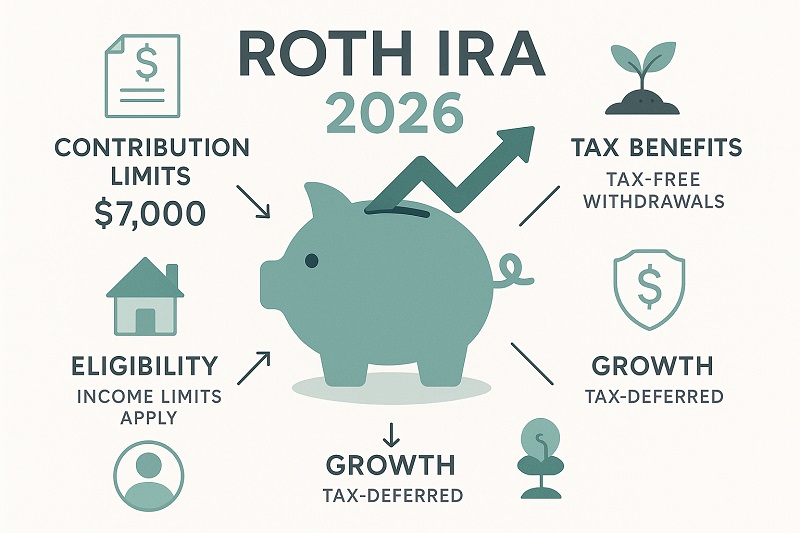
A Roth IRA stands out as a savvier retirement vehicle due to its unique tax structure. The main advantage is the tax-free growth it offers. Unlike traditional IRAs, where your contributions are tax-deductible, a Roth IRA employs after-tax dollars, meaning you contribute from your income post-taxation. Over time, this can lead to significant tax savings. All the growth and withdrawals during retirement are generally tax-free, making it a highly attractive option for long-term ira investing. For those eyeing 2026 with keen interest on retiring or planning significant financial shifts, a Roth IRA could create a pivotal advantage, allowing for the strategic reallocation of funds without immediate tax repercussions.
The withdrawal rules add further benefits, especially for those anticipating changes in tax rates upon retirement. With an expected rise in tax rates, securing a Roth IRA investment now could translate into substantial savings. Additionally, Roth IRAs don’t mandate required minimum distributions (RMDs) at age 72, unlike most retirement accounts. This flexibility lets you continue growing your investments tax-free as long as you wish. For investors focused on wealth management, being able to leave the funds untouched opens up opportunities for robust estate planning, too.
Furthermore, a Roth IRA affords young investors the luxury of time. Younger contributors, who often face lower tax burdens today compared to their potential peak earning years, might find this account adds considerable value to their financial planning. Those planning for 2026 and beyond should appreciate the compounded benefits of early and consistent contributions. Leveraging these benefits aligns well with a tactical approach to broader financial planning goals, integrating well with more aggressive strategies that include stocks and ETFs.
By exploring the advantages outlined, you can strategically maximize a Roth IRA with the following tips:
- Begin contributions as early as possible to leverage compound interest effectively.
- Assess potential tax scenarios periodically to optimize Roth conversions.
- Take advantage of the flexibility by integrating estate planning options.
- Consider utilizing a Roth IRA for education expenses without penalties.
- Monitor changes in tax laws that could influence Roth IRA benefits.
- Strategically time withdrawals to align with your individual tax situation.
- Diversify investments within the Roth IRA for balanced growth.
By strategically managing your Roth IRA, you can align your investments with long-term financial objectives effortlessly.
Maximizing Tax Advantages
To truly reap the full benefits of a Roth IRA, focusing on maximizing tax advantages is crucial. With 2026 around the corner, strategic contributions can position you to capitalize on tax legislation predictably. One way to optimize the tax advantages is by consciously managing your contributions. It’s not just about maximizing your annual contribution limit, currently set at $6,000, or $7,000 if you’re over 50, but about precise timing. Contributing early in the tax year allows your investments to grow tax-free for a longer duration, which is a cornerstone of the Roth IRA’s appeal.
Also, tax diversification plays a significant role. Many seasoned investors are aware of the unpredictability of tax laws. Balancing taxable accounts with tax-exempt accounts like a Roth IRA can hedge against future legislative changes, potentially offering you more control over your retirement plans. Diversifying between accounts ensures that you have both tax-free and taxable income sources later, creating opportunities to lower overall retirement tax liabilities. This strategy could contribute significantly to wealth management plans, securing a more flexible and sustainable retirement income.
Another key strategy is understanding and utilizing ‘backdoor Roth IRA’ conversions. For high-income earners, where regular Roth IRA contributions might not be feasible due to income phase-out limits, a backdoor conversion could provide a pathway. This involves contributing to a traditional IRA and then converting it to a Roth IRA, strategically harnessing the tax-free benefit at a later stage. As we edge closer to 2026, this maneuver can maximize your tax position, provided current tax rates and conversion rules remain stable. Investors must stay aware of potential legislative changes, adapting their financial strategies to maintain efficient wealth management practices over the long term.
Top Roth IRA Investments to Consider
Finding the best Roth IRA investments for 2026 can be a game-changer for retirement planning. With potential tax savings and significant growth prospects, investing in high-growth stocks and REIT stocks are top strategies to consider. These investment options not only promise substantial returns but also offer diversification benefits crucial for any investor’s portfolio. Venturing into these avenues could pave the way for a robust, tax-efficient investment path, appealing to those who wish to optimize their Roth IRA contributions and secure a financially bright future.
High-Growth Stocks and How They Fit in Your IRA
Incorporating high-growth stocks within your Roth IRA portfolio can be a rewarding strategy, especially as we anticipate the financial landscape of 2026. These stocks represent companies expected to grow at an above-average rate compared to other stocks, making them an enticing option for those aiming to maximize their investments. The allure lies in the dual benefit of potential substantial capital gains combined with the tax-free growth feature of a Roth IRA. When high-growth stocks experience a surge, the capital appreciation gets compounded without the worry of taxes eating into your gains, a compelling proposition for long-term investors focusing on retirement.
Savvy investors understand that picking the right high-growth stocks requires an in-depth understanding of market trends and future economic shifts. Industries like technology, healthcare, and renewable energy are often the frontrunners, flaunting impressive growth potential. For instance, tech stocks have shown resilience and rapid growth, driven by innovation and an ever-expanding digital landscape. Adding such stocks to your Roth IRA can significantly enhance the portfolio’s worth by 2026, aligning with the strategic goal of wealth accumulation while mitigating tax liabilities. However, with potential high rewards comes increased volatility, reminding investors to balance optimism with due diligence and risk assessment.
Another critical factor is the timing of entry into these stocks. While Roth IRAs eliminate the concern of annual capital gains tax, timing can still affect your portfolio’s performance. Investing during market corrections or fluctuations can prove advantageous, as purchasing stocks at a lower price increases the potential for gains. Consistently monitoring market conditions and adjusting your portfolio in response to new financial data will be vital. Staying informed about economic indicators, regulatory shifts, and technological advancements will guide effective investment decisions, ensuring your Roth IRA is well-positioned for future growth.
Lastly, for those concerned with the potential overvaluation of high-growth stocks, diversification is key. Balancing these stocks with other asset classes or sectors within your Roth IRA could mitigate risks associated with market volatility. A strategically diversified investment portfolio that includes high-growth stocks provides a mix of aggressive growth opportunities and steady accumulation options, making it an ideal approach for those serious about fortifying their retirement strategy. Whether you’re a passive investor or actively manage your investments, integrating high-growth stocks into your Roth IRA is a proactive step towards a confident retirement by 2026.
The Role of REIT Stocks in Diversifying Your Portfolio
REIT stocks, or Real Estate Investment Trust stocks, play an instrumental role in diversifying your Roth IRA portfolio, especially as you look towards 2026. These stocks offer a unique advantage because they allow investors to gain exposure to real estate markets without the need to buy physical properties. This access to real estate can provide a hedge against inflation and a steady income stream, both critical for a well-rounded retirement investment strategy. With the growth of urbanization and continued demand for property, REITs tend to maintain a stable return profile, making them a viable option for diversification.
Each REIT has its niche, ranging from commercial properties, residential apartments, and industrial spaces to data centers and healthcare facilities, providing various avenues for investment. This diversity is essential, as it lets investors spread risks across different sectors of the real estate market. Investing in REITs within a Roth IRA ensures that any income generated is tax-free, enhancing the overall appeal given the scope of high yields typically associated with real estate investments. Moreover, as the global economy continues to evolve, REITs have shown resilience in adapting to new economic conditions, further solidifying their role in a diversified portfolio.
REITs are designed to pay out a significant portion of their earnings as dividends to shareholders, making them an attractive option for income-focused investors. In a Roth IRA, these dividends grow tax-free, adding another layer of benefit. This attribute of REIT stocks, coupled with potential capital appreciation over time, creates a compelling case for their inclusion in an investment strategy geared for retirement. Those aiming to receive consistent income, especially after retirement, might find REITs align well with their financial objectives while adhering to the tax advantages inherent in a Roth IRA.
Moreover, the liquidity offered by publicly traded REITs provides added flexibility, unlike physical real estate investments that often require a more hands-on approach and are less liquid. Investors can quickly adjust their holdings in response to changes in the real estate market or economic outlooks, making REIT stocks a pragmatic choice for dynamic IRA investing. As investors brace for 2026 and beyond, incorporating REITs can enhance both growth potential and resilience against market volatility. It’s a strategic move that promises to enrich your investment portfolio while securing sustainable returns, ensuring a balanced and diversified approach to retirement planning.
Leveraging ETFs for IRA Growth
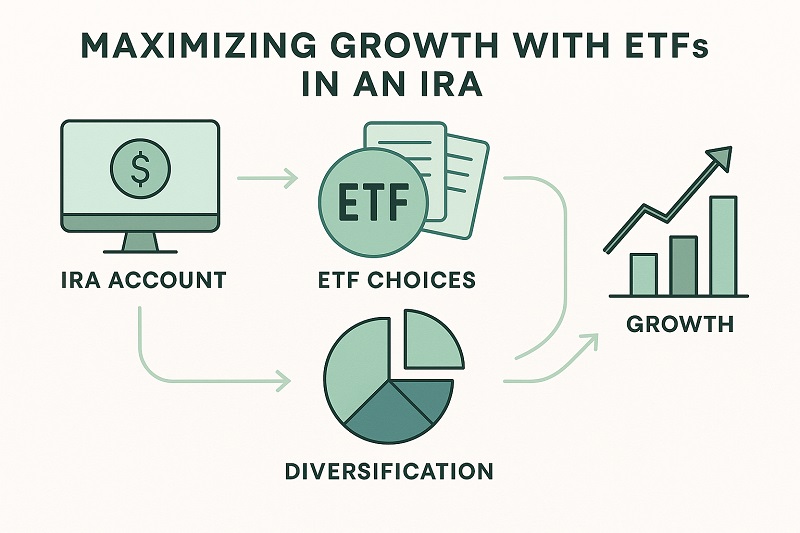
ETFs have emerged as a powerful asset in maximizing growth within your Roth IRA, offering diversification and flexibility that can enhance your retirement strategy. As we inch closer to 2026, it’s crucial to identify promising ETFs that align with your investment goals while balancing risk and reward. These funds not only simplify the investment process through a diversified bundle of stocks but they can also be tailored to match individual risk profiles. By integrating ETFs into your IRA, investors can leverage potential returns while mitigating risk, ensuring a robust and adaptive retirement portfolio.
Identifying Promising ETFs for 2026
As investors search for viable options to boost their Roth IRA investments, understanding how to pinpoint promising ETFs for 2026 becomes essential. Given the vast landscape of ETFs, it’s prudent to start by examining sectors poised for growth, such as technology, healthcare, and renewable energy. These areas are anticipated to drive substantial advancements and foster market-beating returns, making them ideal for long-term investment strategies within an IRA. With technology at the forefront of innovation, ETFs focused on tech giants could provide unparalleled growth within your Roth IRA. Such investments benefit from the sector’s inherent ability to rapidly adapt and scale, reflecting steady appreciation over time.
Healthcare ETFs continue to be another appealing option, primarily due to demographic shifts and heightened awareness of global healthcare needs. As populations age and healthcare becomes increasingly digitized, funds concentrated in this sector are set for a transformative decade, offering potentially high returns that align with retirement goals. Similarly, renewable energy ETFs are drawing investor attention as demand for sustainable energy solutions climbs. These funds symbolize growth opportunities driven by a pressing need for green alternatives and governmental incentives worldwide.
Beyond selecting sector-focused ETFs, consider those with a diversified approach, blending various components like value, growth, and dividends. Such balanced ETFs mitigate risk by spreading investments across multiple stocks, offering stability in volatile markets. Before adding an ETF to your Roth IRA, scrutinize its historical performance, expense ratio, and diversification benefits. Low expense ratios can significantly impact the long-term growth of your investments by preserving more capital within your account, thereby enhancing wealth accumulation through compounding interest over the years.
Leveraging platforms like Robinhood streamlines the process of identifying and investing in these ETFs, offering user-friendly tools and valuable insights. Through the seamless technology provided by these platforms, you can efficiently manage your IRA, keeping it aligned with your financial goals for 2026. As you ponder over investment opportunities, bear in mind the importance of revisiting your portfolio regularly to adapt to market changes and maintain alignment with personal income, risk tolerance, and retirement aspirations. Successfully navigating the plethora of ETFs available is a strategic move toward building a resilient and prosperous Roth IRA.
Balancing Risk and Reward with ETF Investments
Balancing risk and reward is a fundamental principle when considering ETFs as part of your Roth IRA strategy. While the allure of high-reward investments is tempting, maintaining equilibrium in your portfolio ensures that you achieve sustainable growth without exposing your IRA to unnecessary risk. Understanding the nuances of evaluating ETF investments is crucial for capitalizing on their full potential as retirement assets. A well-executed strategy involves diversifying your ETFs to include those tracking different asset classes, sectors, and geographies, thereby reducing overall risk exposure.
For instance, incorporating ETFs focused on stable sectors such as consumer staples and utilities can offer steady income streams and act as a counterbalance against more volatile investments. These sectors are often regarded as reliable due to their enduring demand, regardless of economic conditions, which provides a stabilizing effect on your overall portfolio. Including dividend-focused ETFs within your Roth IRA can further sweeten your financial planning by providing regular income that compounds tax-free, aligning perfectly with the growth-oriented goals of retirement savings.
The role of global diversification cannot be overstated in achieving resilient portfolio growth by 2026. ETFs that encompass international stocks broaden your investment reach and afford the opportunity to tap into emerging markets and economies with growth potential surpassing domestic prospects. This approach requires vigilance as you assess geopolitical risks and currency fluctuations but promises enhanced growth rewards when managed carefully.
Monitoring the risk-return profile of each ETF and adjusting your investments according to shifting market dynamics is essential. This includes periodically reviewing your portfolio’s performance and ensuring that your asset allocation mirrors your risk tolerance and retirement timelines. Employing tools and insights from financial platforms like Robinhood and consulting financial advisors can enrich your strategy with data-backed recommendations tailored to optimize returns while safeguarding capital.
CTAs for savvy investors include setting up automatic contributions to your Roth IRA, maximizing annual limits, and leveraging the Roth’s tax-free growth benefits to the fullest. With the intricacies of ETFs and IRA accounts demystified, you’re well-armed to navigate the financial landscapes of 2026 and beyond. By striking a strategic balance between risk and reward, your Roth IRA stands to deliver substantial growth, ensuring a secure and thriving retirement.
Optimizing Your Retirement Plans Through IRA Strategies
Strategically utilizing IRA accounts can significantly enhance your retirement plans, particularly when focusing on the emerging potential of Roth IRA and traditional IRA options. By integrating these retirement tools into your financial planning, you open doors to tax advantages and diversified investment opportunities. This approach empowers you to optimize wealth management and investing strategies, especially as 2026 approaches. Key considerations include understanding various IRA types and choosing the right providers like Charles Schwab and Fidelity to manage your investments efficiently.
Incorporating IRA Accounts in Long-term Planning
When it comes to retirement plans, IRA accounts serve as a cornerstone for long-term financial security. Incorporating both Roth IRA and traditional IRA into your wealth management strategy ensures you harness their unique benefits, aligning with your investment goals. Roth IRA’s primary allure is its tax-free growth potential on contributions, allowing for more substantial net gains during retirement. Unlike most retirement accounts, Roth IRAs don’t require mandated withdrawals, offering flexibility and control over your investment lifecycle.
On the other hand, traditional IRAs provide an immediate tax benefit, as contributions may be tax-deductible depending on your income level. This option enables investors to lower their taxable income now, deferring tax liabilities until retirement. A blend of both IRA types can create a diversified tax strategy, balancing current tax relief with future tax-free withdrawals, which is particularly advantageous considering potential changes in tax legislation by 2026.
Aligning IRA investments with your long-term objectives requires careful consideration of asset allocation and risk tolerance. High-growth stocks, REITs, and ETFs within these accounts can fuel robust portfolio growth while managing risk. Younger investors stand to benefit substantially by focusing on growth-oriented assets, capitalizing on time to exploit compounding returns. It’s also essential for more seasoned investors to rebalance their IRA portfolios periodically, ensuring they reduce exposure to volatility as they near retirement.
As you chart out your retirement journey, leveraging IRA contributions strategically is vital. Maximizing annual contributions, $6,000, or $7,000 for those 50 and older, bolsters your retirement savings power. Starting contributions early in the year amplifies tax-free growth potential, aligning with the tax-efficiency goals inherent in IRA planning. Coupling this with a conscientious approach, like regularly revisiting and adjusting your asset allocation, empowers you to maintain an optimized retirement plan that adaplates to evolving market conditions and personal circumstances.
Evaluating Charles Schwab and Other IRA Providers
Choosing the right IRA provider is pivotal in optimizing your retirement investment plan. Providers like Charles Schwab, Fidelity, and others offer a broad range of options that cater to different investment strategies, each with unique perks and potential downsides. Charles Schwab is renowned for its robust platform, offering a mix of traditional IRA and Roth IRA accounts with no account minimums, which is appealing for both novice and seasoned investors. Their comprehensive research tools, intuitive interface, and low fees make them an attractive choice for those looking to maximize their investment potential.
Meanwhile, Fidelity is another leader in the IRA services sector, providing competitive fee structures and a wide array of investment choices. Their in-depth resources and educational tools help investors make informed decisions, which is crucial for building a self-sufficient retirement portfolio. Fidelity’s commitment to customer education and support sets it apart, particularly for investors who prefer hands-on management of their IRA investments.
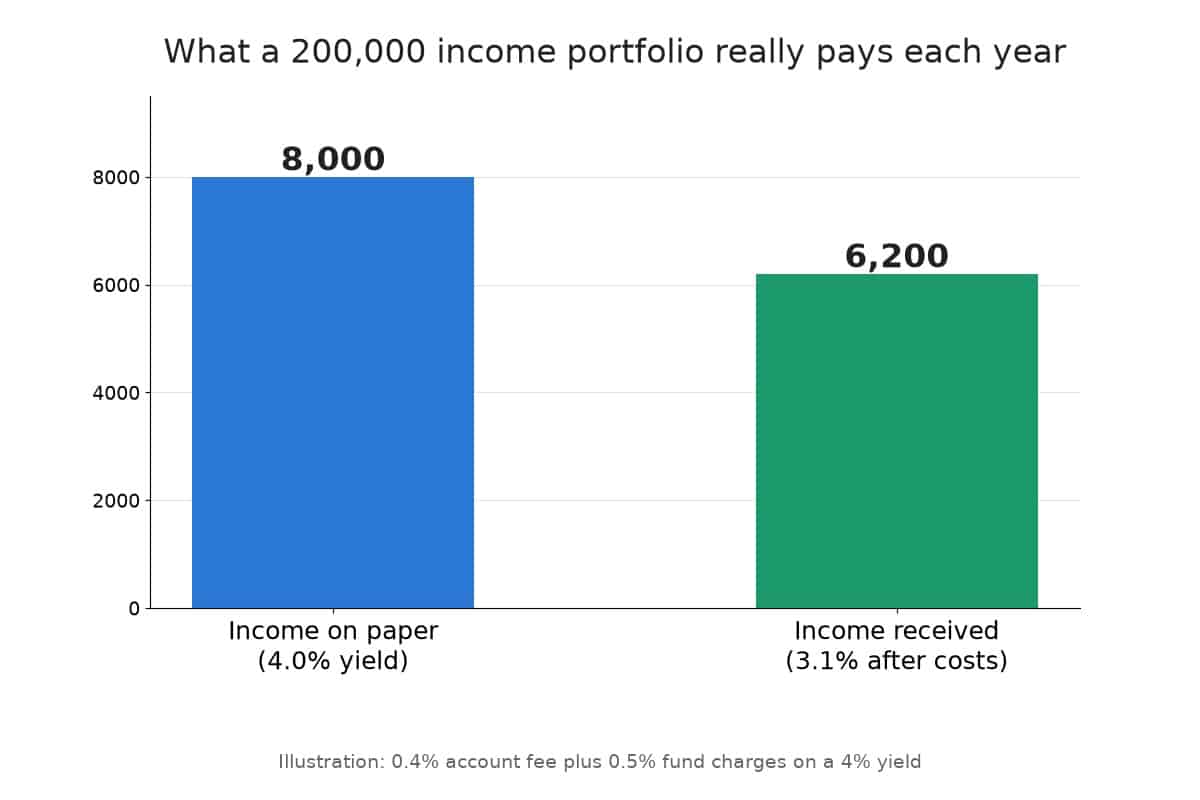
When evaluating these providers, it’s crucial to consider factors such as fees, customer service, and the range of available investment products. Fees, although often overlooked, can erode your investment gains over time, prioritize providers that offer transparent pricing with competitive costs. Additionally, customer service quality can impact your experience significantly, and a provider with reliable support can assist in troubleshooting any issues that arise along the way.
Consider the digital tools and access platforms offered, essential attributes for maintaining an active investment portfolio. Platforms offering seamless integration with mobile apps, real-time analytics, and transaction alerts provide a strategic advantage, facilitating on-the-go monitoring and decision-making. Whether you’re new to investing or an experienced trader, choosing a provider that aligns with your financial goals and offers flexible solutions will be key to crafting a retirement strategy ready for the market dynamics of 2026.
Navigating the landscape of Roth IRA investments in 2026 requires a keen eye on market trends and a strategic approach to asset allocation. By focusing on a diversified mix of stocks, bonds, and alternative investments, you optimize growth potential while managing risks. Remember, consistently reassessing your portfolio to align with retirement goals ensures long-term success. Set your future up for prosperity and stability by making informed, forward-thinking investment choices.
FAQ: Best Roth IRA Investments for 2026
What are the key benefits of a Roth IRA in 2026?
Roth IRAs offer tax-free growth and withdrawals, making them ideal for long-term, tax-efficient investing. They don’t mandate required minimum distributions, providing flexibility and control over your investments as you approach retirement.
What investment strategies should Roth IRA investors consider for 2026?
Consider a diversified mix of high-growth stocks, REITs, and ETFs to optimize growth potential while managing risks. Keeping an eye on market trends and using strategic asset allocation can enhance your retirement strategy.
How does choosing the right IRA provider, like Charles Schwab, enhance investment strategies?
Providers like Charles Schwab and Fidelity offer a range of options that cater to various investment strategies, providing comprehensive research tools, low fees, and user-friendly platforms to maximize your investment potential.
What are REIT stocks, and why should they be part of your Roth IRA?
REIT stocks offer diversification and a steady income stream by allowing exposure to real estate markets without buying physical properties. They are tax-free within a Roth IRA, growing your investments while providing stability against market volatility.
How do ETFs contribute to a strategic Roth IRA investment plan?
ETFs offer diversification and flexibility, simplifying the investment process and aligning with individual risk profiles. Incorporating ETFs into your IRA can lead to substantial growth, balancing risk and reward for a robust retirement portfolio.