
As the financial landscape continues to evolve, navigating asset allocation for ultra high net worth individuals in 2026 demands strategic foresight and adaptability. In a world where market volatility and economic uncertainties persist, safeguarding wealth through resilient asset allocation is crucial. Our guide on the “9 Smart Moves for Resilient Assets in 2026” offers key insights into optimizing your portfolio. Whether it’s diversifying across asset classes or exploring alternative investments, these strategies are crafted with the astute investor in mind, ensuring robust protection and growth for your assets. Dive in to explore smart, proactive approaches suited for the coming years.
Brief Overview
In 2026, ultra-high-net-worth individuals need to adopt strategic asset allocation to build resilient portfolios. Key moves include diversifying into alternative investments like fine art and infrastructure, optimizing liquidity with high-yield savings, and leveraging advanced investment strategies tailored to personal goals. As markets evolve, understanding economic trends and rebalancing portfolios ensure stability and growth. By embracing innovative solutions and expert insights, investors can safeguard their wealth, taking advantage of opportunities beyond traditional investments. This approach not only mitigates risks but also enhances long-term success in an ever-changing financial landscape.
Key Highlights
- Economic trends greatly influence asset allocation strategies for 2026.
- High-yield savings accounts balance liquidity and security for net worth enhancement.
- Diversifying into alternative investments boosts portfolio resilience and potential returns.
- Investing in fine art offers cultural and financial value with low market correlation.
- Effective risk assessment and management is pivotal in wealth protection and growth.
Understanding the High Net Worth Asset Allocation in 2026
In 2026, navigating ultra high net worth asset allocation demands a nuanced understanding. Investors will need to adapt to evolving financial landscapes while seizing opportunities in a volatile market. Leveraging economic trends and insightful market perspectives will be key to building resilient wealth. Understanding the factors that drive successful investments becomes essential for financial optimization.
This guide delves into the crux of these factors, providing investors with strategic avenues to safeguard and grow their assets. Join us as we explore market insights and key elements crucial for crafting a robust asset allocation strategy.
Analyzing Economic Trends and Market Insights
As we look towards 2026, understanding economic trends and market insights is paramount for investors aiming to maximize wealth. The landscape is rapidly shifting, influenced by digitization, geopolitical changes, and shifting regulatory frameworks. Investors need to dig deeper into economic indicators like GDP growth, inflation rates, and global trade patterns. Keeping an eye on these can aid in adjusting their asset allocation strategy to harness potential volatility for favorable outcomes. Moreover, with the rise of technology sectors and sustainable businesses, identifying which industries are forecasted to expand allows investors to strategically position their portfolios.
Business and investing now require more than just instinct; they demand a thorough analysis of market insights. Investors should actively seek opportunities that align with these economic trends to ensure financial optimization. The emphasis is on adaptability and staying informed about potential economic disruptions to mitigate risks effectively.
Identifying Key Factors for Successful Investments
Crafting a successful investment strategy involves recognizing key factors that drive growth and stability. In a world where market conditions can shift unexpectedly, investors must focus on diversification to manage risk. This entails investing across multiple asset classes, such as equities, bonds, and alternative assets, that can withstand economic fluctuations. Another crucial factor lies in aligning investments with personal financial goals.
Understanding investor goals allows for a tailored approach, ensuring income and capital growth align with risk tolerance levels. Effective wealth management goes beyond simple allocations. It involves continuous risk assessment and strategic allocation adjustments based on market performance and investor needs. Evaluating the broader economic context helps anticipate industry shifts, allowing for proactive adjustments rather than reactive ones. As with any investment strategy for ultra high net worth individuals, the blend of thorough research, strategic foresight, and diversified investments forms the cornerstone of long-term success.
Step 1: Optimize Liquidity with High-Yield Savings Accounts
For ultra high net worth individuals, efficiently managing liquidity is crucial. High-yield savings accounts can be a compelling solution to maintain flexibility while enhancing income. These accounts offer the benefit of increased interest rates compared to traditional savings accounts, ensuring your cash works harder for you. Liquidity, without sacrificing security, becomes an integral part of financial optimization strategies. High-yield savings accounts provide easy accessibility to funds while minimizing risks, offering a blend of income generation and security. This initial step in asset allocation effectively positions investors to tackle the evolving financial landscape in 2026.
When aiming for maximum yield in high-yield savings accounts, understanding the landscape of interest rates is essential. Interest rates influence the income generated from your accounts, acting as a pivotal factor in your overall investment strategy. In 2026, investors need to remain vigilant as financial institutions adjust rates in response to economic shifts, such as changes in monetary policy and inflation rates.
By regularly comparing interest rates across various savings accounts, you can ensure your cash is earning optimally. Diversifying your holdings among top-tier high-yield options further mitigates risk, balancing the need for income with liquidity. Additionally, consider the tax implications of interest earned to optimize net gains. Ultimately, a strategic approach to interest rate monitoring will empower you to enhance income from your liquid assets, a critical aspect of a resilient investment strategy.
Balancing Accessibility and Security
Finding the sweet spot between accessibility and security in savings accounts is vital. High-yield savings accounts offer a unique balance, allowing investors to access their funds quickly while protecting their assets against market volatility. Accessibility ensures that you can tap into your funds for opportunistic investments or unforeseen expenses without delay.
This flexibility is especially important as market dynamics often require swift decision-making. Meanwhile, maintaining security means your cash remains insulated from high-risk exposures. In a climate characterized by economic uncertainty, the reliability of insured savings accounts is crucial. By strategically allocating cash to these accounts, investors can secure their liquidity position while concentrating on broader investment opportunities with higher risk-reward profiles. Therefore, aligning high-yield savings accounts within your broader financial strategy optimizes both immediate needs and long-term asset preservation, ensuring peace of mind and financial stability.
Step 2: Diversify Through Alternative Investments
As ultra high net worth investors look to build resilient portfolios by 2026, embracing alternative investments is a key strategy for diversification. This approach allows investors to tap into non-traditional asset classes, thereby optimizing their asset allocation and increasing potential yields. Exploring these unique opportunities can offer advantages in balancing risk and securing higher returns. However, it’s crucial to weigh the benefits against the inherent risks associated with such investments. Let’s delve into the world of non-traditional investments and understand their impact on creating a robust, diversified portfolio.
Exploring Non-Traditional Asset Classes
Diversifying through alternative investments entails delving into non-traditional asset classes that provide new avenues for financial growth. These include real estate, commodities, hedge funds, private equity, and even cryptocurrencies. Each of these asset classes has unique characteristics, and they often exhibit low correlation to traditional equities and bonds, offering protection against market volatility.
For instance, investing in real estate can provide both capital growth and a consistent income stream through rent, while hedge funds offer dynamic strategies that can thrive in varying market conditions. Cryptocurrencies, though highly volatile, present a modern frontier for exponential growth, appealing to investors with a higher risk tolerance. By diversifying across these asset classes, investors can effectively mitigate risks and enhance their potential for financial optimization. As one navigates the landscape of alternative investments, the aim is to create a balanced portfolio that capitalizes on multiple growth opportunities while maintaining stability.
Benefits and Risks of Alternative Investments
Investing in alternative assets offers a suite of benefits, particularly for those seeking higher returns amidst a fluctuating economic climate. These assets can provide substantial yields that aren’t as susceptible to market downturns, thereby enhancing overall portfolio performance. Moreover, the bespoke strategies employed in alternatives like hedge funds or private equity can uncover opportunities that traditional investment paths might overlook. However, these benefits don’t come without risks.
High entry thresholds, lower liquidity compared to public markets, and increased complexity demand a thorough understanding and careful risk management. Investors must be prepared to handle the potential for greater volatility and longer time horizons for returns. Effective due diligence and continuous monitoring are crucial to mitigate these risks and maximize the returns offered by alternative investments. For ultra high net worth individuals aiming for financial optimization, striking a balanced approach, leveraging the benefits while acknowledging and navigating the risks, is key to successful asset allocation.
Step 3: The Role of Fine Art in a Diverse Portfolio
Fine art plays an increasingly pivotal role in asset allocation, especially for high net worth individuals looking for resilient assets by 2026. As part of a diverse portfolio, fine art offers unique opportunities to blend cultural and economic value. With art, you get both tangible and intangible benefits, making it an enticing prospect for investors aiming to enhance their wealth management strategy. By understanding fine art as a worthwhile asset, you can secure both aesthetic and financial growth, while evaluating its economic implications ensures you’re aligning your investment with cultural shifts and market trends.
Understanding Art as a Worthwhile Asset
Investing in fine art isn’t just for the culturally inclined; it’s a strategic move in asset allocation for the ultra wealthy. Art as a worthwhile asset provides diversification due to its low correlation with other investment classes such as stocks or bonds. This nature of fine art mitigates risk, especially during times of economic volatility, safeguarding investments against market downturns. A significant benefit of including art in your portfolio is its tendency to retain value over time, proving resilient to inflation and economic shifts.
Before diving into this investment, it’s vital to understand the complexities involved. Art requires passion and a keen eye for trends. Those investing should be aware that while financial gains may not materialize immediately, the long-term cultural and aesthetic benefits are profound. Additionally, the art market has evolved with technology, opening avenues like online sales platforms and showcasing events that make investing more accessible. This evolution in fine art investing dovetails with innovative wealth management strategies, allowing for strategic acquisitions that bolster a diverse portfolio. As investors, embracing art collections offers more than mere economic gains, it nurtures cultural wealth that transcends generations.
To further enhance your understanding of art investment, consider these essential insights into navigating the complex art market:
- Employ thorough research and attend art shows to identify emerging artists and promising pieces.
- Engage art advisors who can offer expert guidance and industry connections to build a valuable collection.
- Use online platforms and databases to discover and acquire art while staying informed about market trends.
- Verify provenances and ensure authenticity to safeguard investments and maintain artwork’s market value.
- Regularly appraise your art collection for insurance purposes and to make informed decisions on reselling.
- Familiarize yourself with auction processes and trends to bid confidently and strategically on desired pieces.
- Implement proper conservation techniques and climate control to preserve the condition and value of your art assets.
Utilizing these insights, you can approach art investment with confidence, enriching both your portfolio and cultural appreciation.
Evaluating the Cultural and Economic Value of Fine Art
Evaluating fine art goes beyond a surface appreciation; it encompasses understanding its broader economic and cultural value. Fine art has historically been a repository of significant cultural expressions, thus ensuring a stable demand driven by historical importance and aesthetic appeal. This intrinsic cultural value can protect against drastic market fluctuations, as art holds its value not only as an economic asset but also as a cultural artifact.
To leverage this, investors should conduct thorough due diligence, looking into an artist’s market history, provenance, and critical acclaim, which can significantly impact an artwork’s worth. Equally important is understanding global art market trends, as shifts can influence economic value. For instance, emerging markets have shown increasing appetite for contemporary works, indicating potential areas for robust investment growth.
Aligning art investments with these trends ensures that portfolios are not only economically fortified but culturally enriched, setting investors apart in the realm of high net worth asset management. Engaging experts or art advisors can provide insights to optimize this blending of cultural inspiration and economic strategy, ultimately refining one’s wealth management process. Art, then, stands as a dual cornerstone: a testament to sophisticated taste and a strategic move towards financial optimization.
Step 4: Infrastructure as a Worth Asset in High Net Portfolios
In 2026, incorporating infrastructure investments into high net worth asset portfolios can offer unmatched stability and potential for long-term returns. Amidst a fluctuating financial world, infrastructure projects are seen as cornerstones of economic resilience, presenting lucrative opportunities. These assets are gaining traction due to their essential nature and their ability to deliver stable cash flows over time.
Understanding the evolving landscape of infrastructure development can help investors harness this potential, ensuring their portfolios are both diversified and resilient. Let’s explore how identifying opportunities in this sector and understanding the expected returns can further optimize asset allocation strategies.
Identifying Opportunities in Infrastructure Development
As we look ahead to 2026, infrastructure development continues to be a promising sector for high net worth investors. The growing demand for sustainable energy, urban development, and digital connectivity creates a wealth of investing opportunities. Smart cities and renewable energy projects serve as fertile grounds for infrastructure investments, providing avenues that align with both financial and ethical objectives. Understanding global economic trends and governmental policies can help investors pinpoint projects poised for growth. By conducting thorough due diligence, one can identify ventures offering attractive risk-reward ratios.
Investors would do well to consider emerging markets, where infrastructure needs are expanding rapidly. Partnering with local experts and leveraging financial optimization strategies ensure a comprehensive approach to infrastructure investing. This blend of regional insight and strategic foresight positions portfolios to thrive amidst global economic transformations. With the right strategy, infrastructure can be a cornerstone worth asset, promising both stability and significant returns over time.
Long-term Returns and Stability
Infrastructure investments are synonymous with long-term returns and stability, making them an essential part of high net worth portfolios by 2026. These assets naturally lend themselves to reliable cash flows, often benefiting from government contracts and essential service provision, such as in transport and utilities. The allure of infrastructure investing lies in its resilience against economic downturns. As economies diversify and demand for improved infrastructure grows, the potential for stable, inflation-linked returns strengthens. This financial characteristic ensures that infrastructure remains a dependable worth asset.
Moreover, infrastructure investments support broader economic and social development, contributing to societal progress. This dual impact not only strengthens ethical investment profiles but also aligns with enduring market trends. Investors must also consider the strategic allocation within portfolios, striking a balance between direct investments and indirect strategies through infrastructure funds. By integrating infrastructure into financial strategies effectively, investors can enjoy unparalleled stability and growth in high net worth asset allocations.
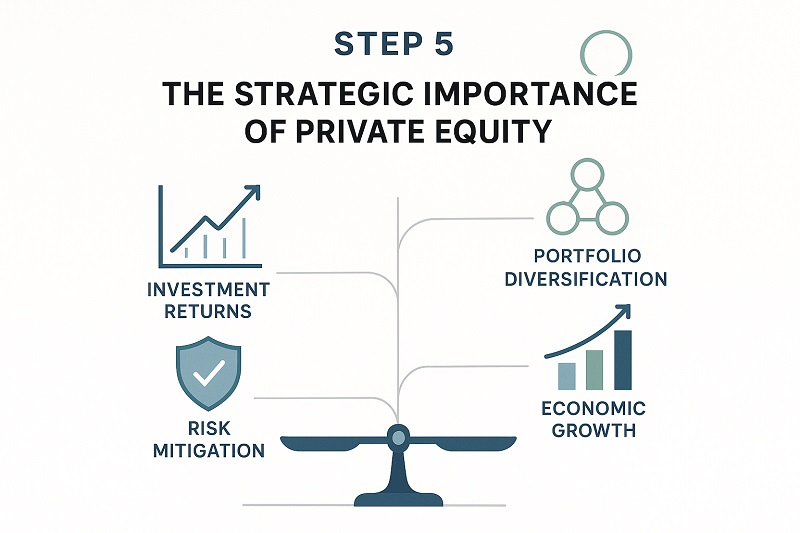
Step 5: The Strategic Importance of Private Equity
As we delve deeper into the nuances of asset allocation for ultra high net worth investors in 2026, private equity emerges as a pivotal strategy. It offers unique opportunities to drive higher returns, making it an attractive component of strategic asset allocation.
The strategic importance lies in its potential to enhance portfolios through direct investments and expert insights that mitigate risks. Let’s explore how private equity can be leveraged to boost performance and secure long-term growth in unstable market conditions, balancing risk with insightful guidance.
Enhancing Returns Through Direct Investments
Private equity stands out for its ability to enhance returns through direct investments, a key factor that appeals to investors seeking higher yields in 2026. This approach involves investing directly in companies, allowing investors greater control over their assets and potential outcomes. Unlike public markets, where volatility can often skew performance, private equity provides a relatively stable investment framework, aligning with the broader goals of wealth management and strategic asset allocation.
Engaging in direct investments requires a meticulous strategy and understanding of finance and market trends. By focusing on promising sectors such as technology, healthcare, and renewable energy, investors can strategically position their portfolios around industries with high growth potential. This requires both a foresight in economic trends and a robust risk assessment to ensure these investments meet future demands.
Additionally, the sheer volume of capital involved often necessitates collaborative investment strategies, pooling resources among ultra high net worth investors to maximize impact. Such collective initiatives not only diffuse risk but also enhance returns significantly. Thus, direct investments in private equity are not just a financial maneuver; they’re an active approach to shaping the future landscape of your wealth portfolio.
Mitigating Risks with Expert Guidance
Navigating the world of private equity requires expertise and insight. Mitigating risks through expert guidance is crucial in ensuring investments are both secure and profitable. Investors often rely on seasoned advisors and wealth management experts to steer their private equity strategies towards sustainable success. Having access to an experienced network can provide invaluable insights into market shifts and investment opportunities, ensuring that risks are effectively managed.
Engaging with experts allows investors to benefit from tailored strategies that are in line with their personal goals. These professionals offer guidance on diversifying portfolios, selecting the right assets, and crafting strategies that preempt market volatility. Using expert analysis, investors can evaluate the financial health of potential investments, ensuring that every dollar is strategically placed.
Furthermore, expert guidance fosters a proactive approach to wealth management, where investors are equipped with the tools needed to maximize their returns. With the complexities of private equity, having robust support systems in place ensures that risks are recognized early and managed effectively. As private equity becomes a strategic cornerstone of asset allocation for ultra high net worth individuals, leveraging expert guidance is key to navigating its challenges and reaping its benefits.
Step 6: Allocating to Real Estate for Tangible Asset Growth
Real estate remains a key pillar for tangible asset growth in a diversified portfolio. As we navigate through market dynamics in 2026, investing in real estate offers both resilience and growth potential. By focusing on existing property market trends and sustainable investments, investors can secure significant returns while mitigating risks. This section delves into strategies that high net worth individuals can adopt to leverage the property market effectively and invest sustainably in real estate.
Leverage Property Market Trends
In the world of investing, keeping a keen eye on property market trends can significantly enhance your portfolio’s value. For high net worth individuals, leveraging these trends means identifying regions and property types that are poised for growth. Investing strategically in emerging markets or areas undergoing urbanization provides access to higher returns while diversifying geographical risk. It’s also critical to monitor economic indicators that influence real estate values, like interest rates and employment growth, to plan your investments accordingly.
Beyond just tracking trends, having a clear strategy aids in maximizing real estate returns. This involves understanding the nuances of each market, from rental yields to capital appreciation prospects. Networking with local experts and engaging with property analysts can offer insightful data to guide your decisions. As you refine this approach, consider integrating digital tools for real-time market analysis, enabling swift decision-making and ensuring financial optimization. Essentially, by aligning your investment strategy with ongoing trends, you maximize real estate potential with reduced risks, reinforcing your portfolio’s growth.
Sustainable Investments in Real Estate
Sustainable investments are gaining traction in real estate, driven by evolving investor priorities and regulatory incentives. For investors, this approach not only offers ethical advantages but also aligns with long-term financial goals. Sustainable real estate investments focus on properties emphasizing eco-friendly practices, energy efficiency, and sustainable materials. These investments can contribute to higher marketability and premium returns, given the increasing demand in green architecture and environmentally conscious living.
The strategic move towards sustainability in real estate is also financially prudent. Sustainable buildings often enjoy faster lease-ups, reduced operational costs, and increased tenant satisfaction, leading to consistent cash flows and enhanced asset value. Key to successful sustainable investing is thorough research, identifying properties with proven compliance to sustainability certifications like LEED or BREEAM. Exploring partnerships with developers who prioritize eco-friendly projects can further boost your portfolio. As sustainability becomes a cornerstone in asset strategies, incorporating it into real estate investments appeals to both financial optimization and ethical responsibility, setting the stage for lasting growth and stability in a high net worth asset allocation strategy.
Step 7: Implementing Effective Stock and Bond Strategies
As 2026 rolls in, ultra high net worth investors must fine-tune their stock and bond strategies for optimal asset resilience. By balancing risk through diversified equities and integrating fixed income investments, portfolios can achieve both growth and security. This twin approach allows investors to navigate volatile markets while safeguarding their net worth. As we explore these realms, we’ll break down how to balance diversified equities against potential risks and the security that bonds offer through fixed income strategies.
Balancing Risk with Diversified Equities
In the realm of equities, diversification remains a cornerstone for balancing risk and bolstering investment resilience. Diversified equities offer a strategic countermeasure against market volatility, distributing risk across varied asset classes. For ultra high net worth investors, embracing diverse stocks isn’t just about spreading bets; it’s a tactical maneuver to harness opportunities spread across different sectors and geographical markets. Understanding how equities fit into a broader investment strategy is crucial, as it demands an analysis of industry trends and evolving economic conditions.
Investing in technology, healthcare, and renewable energy stocks can offer substantial yields, aligning with global shifts towards innovative and sustainable business practices. However, with higher potential growth comes increased risk, emphasizing the importance of continuous portfolio assessment. By leveraging financial analytics and insights, investors can precisely gauge when to recalibrate their equities holdings to optimize net worth and reduce exposure to underperforming sectors. Therefore, integrating diversified equities within stock strategies is pivotal for capitalizing on the market’s upside while maintaining a cushion against downside risks.
Fixed Income Investments for Portfolio Security
Fixed income investments, such as bonds, are vital for securing portfolio stability amidst market unpredictability. Bonds offer reliable returns, functioning as ballast to counterbalance the more volatile sections of an investment strategy. For those with a higher net worth, incorporating a mix of government and corporate bonds can provide consistent income streams, mitigating risk and ensuring financial term sustainability.
The allure of bonds lies in their predictability and the potential for fixed income generation, safeguarding assets during turbulent economic phases. With interest rates and fiscal policies influencing bond markets, keeping abreast of economic trends becomes crucial. It’s essential for investors to actively manage bond portfolios, identifying opportunities for yield maximization while adhering to individual risk profiles. Bonds also present unique opportunities for balancing risk across longer durations, offering substantial returns without the same level of exposure you might find in equities.
Strategically employing fixed income investments can allow portfolios to weather downturns and capitalize on secure growth, reinforcing overall asset allocation. By continuously evaluating bond market trends, investors can enhance portfolio security, ensuring stable expansion despite economic shifts, thus safeguarding their wealth.
Step 8: Advanced Investment Strategies for High Net Worth Individuals
Advanced investment strategies in 2026 focus on tailoring approaches to individual investor goals while strategically assessing and managing risk. High net worth individuals must navigate a complex financial landscape with precision, leveraging their wealth for stability and growth. The aim is to fine-tune asset allocation to withstand market fluctuations while optimizing the unique benefits of private and alternative investments. As we explore these strategies, we will delve into how tailored approaches can align with distinct investor objectives and the crucial importance of strategic risk assessment in high net worth portfolios.
Tailoring Approaches to Investor Goals
For high net worth individuals, crafting an advanced investment strategy means aligning choices specifically with their financial goals and aspirations. Tailoring approaches involves customizing the portfolio toward both current market conditions and personal objectives, ensuring that investments meet short and long-term needs. A significant aspect of this is determining the right mix of assets to align with risk tolerance and time horizons. For instance, a younger investor might focus on growth through equities and private equity, capitalizing on potential for high returns, while a retiree could prioritize income-generating avenues like bonds or dividend stocks to sustain their lifestyle.
This strategic customization requires a nuanced understanding of the investor’s net worth, liquidity needs, and estate planning objectives. Engaging with wealth management experts can offer valuable insights into achieving financial optimization through personalized investing strategies. Such engagement not only enhances the investor’s portfolio but ensures that it’s positioned to leverage opportunities specific to their goals. Through regularly reviewing and adjusting these tailored approaches, investors ensure that their asset allocation remains optimal, aligning perfectly with their evolving objectives and market landscapes.
Strategic Risk Assessment and Management
Strategic risk assessment is pivotal when managing wealth as a high net worth individual. It goes beyond simply recognizing potential pitfalls; it’s about proactively crafting strategies to guard against risks while pursuing lucrative opportunities. Effective risk management involves continuously assessing market conditions, economic trends, and political developments that could impact asset classes. This foresight is crucial in navigating sometimes volatile investment environments, allowing for an adaptable investing approach that balances risk with growth potential. Diversification plays a fundamental role in this strategy, offering a cushion against market instabilities.
Engaging in thorough due diligence on each investment, whether private or public, ensures that risks are adequately managed. For instance, private investment strategies might require an understanding of specific industry risks, whereas public market investments demand a grasp of broader economic indicators. Furthermore, integrating derivative instruments can hedge against uncertainties, protecting portfolios from downside risk while allowing participation in upside opportunities. Thus, by meticulously managing and assessing risk, high net worth individuals can enhance their strategic financial posture. They ensure their assets are shielded while retaining the agility to capitalize on emerging avenues for growth, hence maintaining robust net worth and securing long-term financial health.
Step 9: Rebalancing Portfolios for Changing Markets
As markets continue to fluctuate, rebalancing remains a crucial strategy for preserving and growing wealth. It allows investors to adapt to dynamic financial environments by maintaining an optimal asset allocation that aligns with their investment goals and risk tolerance. Rebalancing isn’t just about adjusting asset mixes; it’s about ensuring that your portfolio stays resilient and focuses on risk management. This step involves understanding when to make these adjustments and how to implement them effectively, helping you navigate changing markets while optimizing your investment strategy for maximum gains.
Understanding When and How to Rebalance
Successful rebalancing requires a clear understanding of the financial markets and knowing precisely when to take action. Investors must regularly monitor their portfolios to assess shifts in asset values and market conditions. Typically, rebalancing is necessary when an asset class drifts away from its target allocation by a predetermined percentage. This process ensures that overperformers don’t dominate your portfolio, which could skew your risk profile. Understanding the timing of these adjustments is just as crucial. Some investors prefer calendar-based rebalancing, quarterly or annually, while others opt for a threshold-based approach, making changes only when asset weightings deviate significantly.
Additionally, comprehending how to rebalance is vital. This means not only selling overperforming assets but also reinvesting in underperforming ones, thereby maintaining diversification and mitigating risks. Transaction costs, tax implications, and the current economic climate should also be considered. For instance, tax-loss harvesting, selling investments that have lost value, can balance your gains and lower tax liabilities. By aligning your rebalancing strategy with market trends and economic forecasts, you ensure a balanced approach that underpins solid financial optimization.
Maintaining an Optimal Asset Allocation
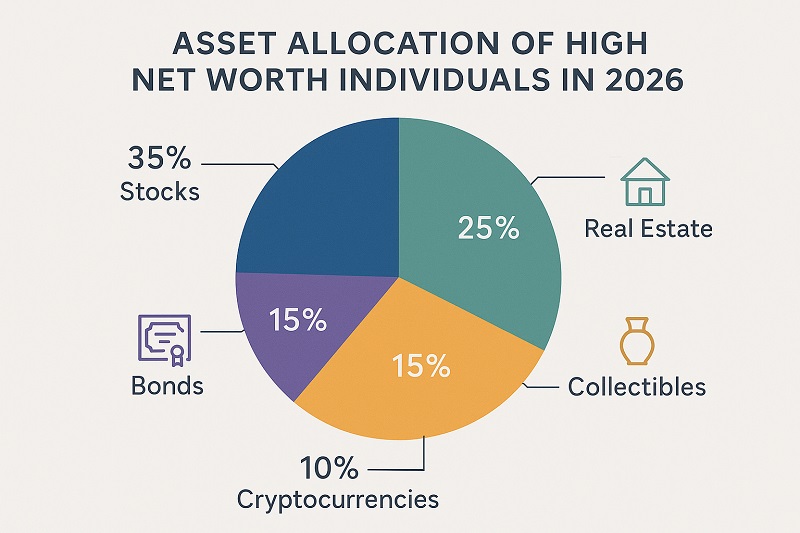
Maintaining an optimal asset allocation is key to effective wealth management. It involves strategically dispersing assets among various classes, equities, bonds, real estate, and alternative investments, to balance risk and optimize returns. For ultra high net worth individuals, this strategy requires a nuanced understanding of personal and market dynamics. Each asset class plays a strategic role, contributing to the overall resilience and growth potential of the portfolio. Equities may offer growth opportunities, while bonds provide stability and predictable returns, collectively forming a cushioned strategy against volatile market changes.
To maintain this balance, investors should focus on their long-term financial goals, adjusting asset allocation according to lifecycle changes and market perspectives. Services from wealth management advisors can offer deep insights and tailor strategies that meet specific investor needs. They can provide data-driven forecasts and scenario analyses to inform decision-making processes, ensuring that every aspect of your wealth strategy aligns with current market conditions. Consequently, a disciplined approach to maintaining optimal asset allocation not only mitigates risk but also enhances your portfolio’s capacity to withstand changing markets, fostering sustainable financial growth and net worth preservation.
In wrapping up these savvy strategies for ultra-high-net-worth asset allocation, remember the significance of diversification, innovative technologies, and sustainable ventures in 2026. Embracing these smart moves aids in asset resilience, ensuring your portfolio withstands market fluctuations while capitalizing on lucrative opportunities. As an investor, your path to preserving and growing wealth rests on informed and flexible decision-making. Explore these tactics further and seize the chance to download our detailed guide, exclusively crafted to bolster your understanding and enhance your asset management prowess in the years ahead.
FAQ: Ultra High Net Worth Asset Allocation
What strategies should ultra-high-net-worth individuals use for asset allocation in 2026?
Investors should diversify across asset classes, consider alternative investments like fine art and infrastructure, optimize liquidity with high-yield savings, and employ advanced investment strategies tailored to their personal goals.
Why is rebalancing portfolios in 2026 important for ultra-high-net-worth investors?
Rebalancing ensures that your portfolio maintains its optimal asset allocation in response to market changes, thereby managing risk and maximizing growth opportunities. It involves adjusting the mix of asset classes to align with financial goals and risk tolerance.
How do alternative investments contribute to a resilient portfolio?
Alternative investments, such as real estate, hedge funds, and cryptocurrencies, provide diversification and potential high returns, often exhibiting low correlation with traditional markets, which helps protect against volatility.
What role does fine art play in asset allocation?
Fine art offers cultural and financial value, with low market correlation. It serves as a strategic diversification tool, protecting against economic volatility while enhancing portfolio aesthetic and cultural wealth.
How can taxes impact high-yield savings strategies?
Interest earned from high-yield savings accounts can be subject to taxes. Understanding these implications can help optimize net gains and ensure that your savings strategy contributes efficiently to overall financial goals.