Navigating the intricacies of personal finance can be overwhelming, but with the right tools, 2026 promises a streamlined way to manage your finances. Whether you’re budgeting, saving, or investing, the best personal finance software available today transforms how you control and enhance your financial health. From intuitive apps to sophisticated platforms, these tools offer comprehensive solutions tailored to modern needs. Dive into our curated list of top software designed to simplify money management, boost savings, and maximize returns. Ready to take command of your finances and secure your future? Explore our guide to discover the best tools for financial success in 2026.
Brief Overview
Navigating personal finance in 2026 is made easier with cutting-edge tools designed to streamline budgeting, investing, and saving. Modern apps not only assist in daily financial management but also offer strategic insights through real-time data and AI-driven advice. Essential features include seamless integration with financial accounts, real-time updates, and personalized financial planning, ensuring that investors can efficiently manage their diverse portfolios. With innovations like free budgeting tools gaining traction, these platforms revolutionize financial empowerment, providing robust management capabilities to enhance financial literacy and future success.
Key Highlights
- Personal finance tools in 2026 offer more sophisticated technology, enhancing financial planning and control for investors.
- Modern apps use AI and machine learning to provide personalized insights, improving budgeting and investment strategies.
- Integration with banking allows for real-time data access, making informed financial decisions easier for investors.
- Free tools like Expensify are democratizing financial management, providing robust features without the typical costs.
- Quicken Simplifi and Monarch Money lead in offering comprehensive management solutions with AI-powered insights.
The Emerging Landscape of Personal Finance Tools in 2026
The world of personal finance is rapidly changing as new financial tools adapt to the needs of modern investors. With 2026 on the horizon, finance software is becoming more sophisticated, offering a blend of technology and user experience that empowers users to better manage their accounts and reach their financial goals. From budget apps that facilitate robust planning and spending tracking to all-encompassing finance software for seamless sync across devices, the evolution is undeniable. This transformation is not only about helping users save and plan more effectively but also about providing an unprecedented level of control and flexibility over their financial lives.

Personal Finance Apps: Meeting the Needs of Modern Investors
In today’s dynamic financial environment, personal finance apps have become indispensable tools for both daily money management and strategic financial planning. Modern investors, who are often looking for ways to enhance their financial acumen, turn to these apps as they offer more than just basic budgeting. These apps are designed to empower users by providing comprehensive insights into spending habits, offering features that track and categorize expenses across accounts in real-time.
One of the standout aspects of these apps is their ability to sync with various banking and credit accounts, offering a seamlessly integrated view of one’s entire financial picture. This capability is crucial for investors who rely on real-time data to make informed decisions. With enhanced security measures and user-friendly interfaces, these finance apps have seen an increase in user adoption.
The most successful personal finance apps make use of AI and machine learning to provide tailored advice and alerts that highlight spending trends and savings opportunities. This personalized approach helps users to not only track their expenses but also plan for future financial goals. By using these intelligent features, investors can quickly adjust their strategies to optimize financial outcomes, all while ensuring they stay on top of tax implications and retirement planning.
Moreover, the integration of features allowing for easy management of investments within the same app as budgeting tools provides a holistic approach to managing personal finances. Applications like these are anticipated to evolve by 2026, offering even more sophisticated financial analytics and predictive modeling. As such, they provide investors an unparalleled ability to strategize and enhance their financial management techniques, proving that personal finance apps are more than just another tool, they’re a pivotal component of smart money management.
How Technology is Revolutionizing Personal Finance Management
The advent of advanced technology has truly revolutionized personal finance management, setting new trends as we approach 2026. As technology continues to evolve, it offers unprecedented capabilities for managing personal finances, transforming the process from tedious to empowering. Investors now have access to finance software that leverages big data and AI, making the management of budgets and investments highly efficient and user-friendly.
Technology’s role in this revolution is seen clearly in accounting and budgeting software that not only provides real-time insights into spending and savings but also incorporates predictive analytics. This tech assists in forecasting financial trends, allowing users to plan ahead with more accuracy and confidence. Furthermore, the management of personal finance is increasingly becoming automated, thanks to tools that can track spending and promptly alert users of unusual activity or overspending.
The benefits of this technological revolution in personal finance go beyond mere tracking. They extend to financial empowerment, as software now provides robust tools for achieving long-term savings goals. By 2026, it’s expected that technology will further integrate with wearable devices, allowing even more interaction and instant updates. This kind of innovation ensures that investors are always informed, enabling them to make timely decisions that align with their goals.
Additionally, the continuous improvement in user experience through app design focuses on intuitive navigation and accessibility. Voice-activated functions and personalized dashboards that highlight areas requiring attention are already gaining popularity among tech-savvy users looking to streamline financial management. Importantly, all these technological advancements are making financial management more inclusive, accessible, and customized to individual needs, fundamentally changing how investors engage with their personal finances, paving the way for superior financial outcomes.
Top 2026 Personal Finance Apps to Watch
As 2026 unfolds, personal finance apps are at the forefront of transforming how investors manage their money. Offering more than just budgeting solutions, these finance tools integrate intricate features to address spending, financial strategies, and savings goals. Investors are rapidly adopting these apps, drawn by their efficiency in planning and managing both daily expenditures and long-term financial accounts. With innovations in finance software and advancing technology, these apps are pivotal in strategizing investments and enabling smarter financial outcomes.
Best Personal Finance Tools for Savvy Investors
In the evolving landscape of personal finance in 2026, savvy investors are turning to the best financial tools that offer more than just basic budgeting capabilities. These tools are not only expected to facilitate seamless money management and tracking across various accounts but also to provide strategic insights, making them indispensable for investors who value efficiency and foresight. The best budgeting apps, such as Quicken Simplifi and Monarch Money, integrate sophisticated finance software, offering comprehensive management solutions that cater to both novice and seasoned investors.
The competitive edge of top finance apps lies in their ability to cater to personalized financial strategies, optimizing savings, spending, and investment planning. For instance, AI-driven insights in investment performance can suggest shifts in strategy that can potentially augment returns. Investors particularly appreciate features such as goal-setting capabilities that allow them to align their finances with both short-term and long-term objectives, which is crucial for effective personal finance management.
Moreover, these apps emphasize security and user privacy, an essential feature given the sensitivity of financial data. As more people adopt these budgeting tools, developers are focusing on incorporating robust encryption and authentication processes, ensuring user confidence. Personal finance tools like Mint, which offers free budget tracking, and YNAB, which encourages proactive budgeting strategies, are setting new standards in user-centric design and feature set.
Savvy investors also benefit from real-time tracking and alerts that these apps provide, allowing them to react swiftly to market changes or spending patterns. By the end of the decade, expectations point towards even more tailored solutions emerging in finance apps, potentially incorporating blockchain technology to enhance transparency and trust. With continual advancements, these tools aren’t merely assisting in financial management, they are revolutionizing how investors approach their personal finances, firmly embedding themselves as essential components in the strategy arsenal of the modern investor.
Key Features to Look for in a Finance App
When choosing a finance app in 2026, investors should be diligent in identifying key features that align with their financial goals and lifestyle. The best personal finance tools are those that integrate seamlessly with an investor’s financial ecosystem, offering a comprehensive view of both assets and liabilities. One critical feature to look for is robust integration capabilities with a variety of financial accounts. This ensures a complete and accurate financial picture that assists in better planning and management.
Real-time data accessibility is another crucial feature, allowing investors to make informed decisions on-the-go. As spending habits and financial markets can change rapidly, having an app that offers instantaneous updates on expenses and investment performance can be the difference between a well-executed strategy and missed opportunities. Investors should also seek apps with customizable alerts for spending and budget thresholds, enabling proactive financial management that aligns with both current obligations and future goals.
The user interface plays a significant role in an app’s effectiveness. Intuitive navigation and a user-friendly design make it easier for investors to engage with financial data, reducing the learning curve associated with new technology. Features like drag-and-drop widgets, personalized dashboards, and voice-activated controls enhance the user experience, making finance apps more adaptable to individual preferences and needs.
Moreover, advanced analytics and predictive capabilities enabled by AI are becoming indispensable for any leading finance app. These features allow for predictive budgeting and investment forecasting, helping users anticipate future financial scenarios and adjust their strategies accordingly. Another emerging trend is the incorporation of educational tools within apps, which provide insights into financial literacy and investment strategies, empowering investors to make better-informed decisions.
Ultimately, the key features of a finance app should support an investor’s overarching financial strategy, providing tools that facilitate efficient spending, insightful tracking, and prudent planning. As personal finance continues to evolve, these apps will increasingly offer more integrated and personalized solutions that reflect the needs and aspirations of the modern investor, ensuring they stay ahead in their financial journey.
Strategies for Effective Budgeting in 2026
As we move into 2026, effective budgeting strategies become essential for investors aiming to optimize their financial management. With advancements in personal finance software, leveraging budget apps is more crucial than ever in achieving financial success. These tools offer a structured approach to planning and tracking spending, ensuring that savings goals remain within reach. Additionally, they provide insights that empower users to make informed decisions without sacrificing control over their personal finance. Dive into how budget apps and free budgeting can lead to greater financial success.
Leveraging Budget Apps for Financial Success
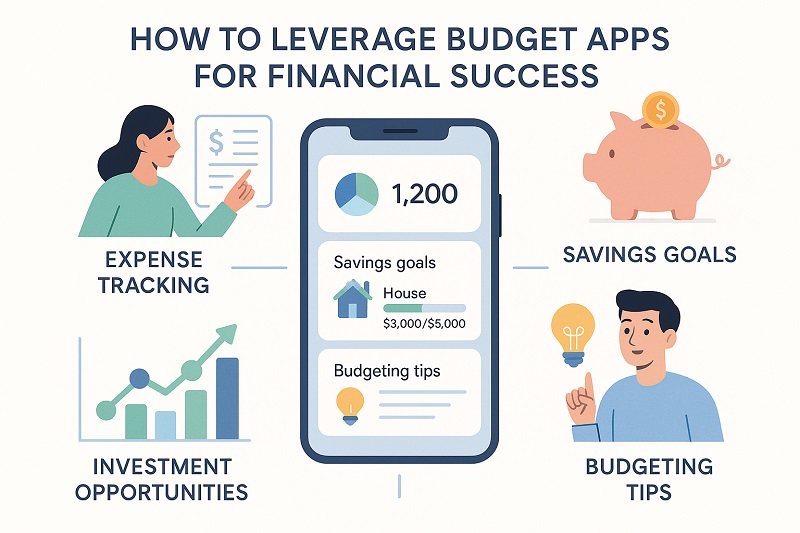
In 2026, budget apps are becoming indispensable tools for investors aiming to streamline their financial strategies. These sophisticated software solutions go beyond mere number-crunching; they provide a comprehensive view of one’s financial health. By integrating multiple accounts into a single dashboard, budget apps offer a holistic perspective on spending and savings. This feature is particularly beneficial for investors juggling various investments and financial obligations. With real-time data analytics, these apps offer invaluable insights for making strategic decisions. They empower investors with the information needed to adjust their spending behavior and financial planning as market dynamics shift.
A distinctive advantage of using budget apps is their ability to set and track specific financial goals. Whether it’s allocating funds for investment opportunities or planning for major expenditures, the precision with which these apps operate ensures that users remain aligned with their overarching financial strategy. The intuitive design and user-friendly interfaces make it easy to navigate complex financial data, reducing the friction traditionally associated with managing personal finance. Budget apps also feature automation in repetitive tasks, such as bill payments and expense tracking, saving investors time and reducing the risk of human error.
Nowadays, many budgeting apps incorporate elements of AI and machine learning. This technology analyses users’ spending patterns, providing personalized advice and adjustments to budgeting strategies. Such tailored guidance can lead to significant financial growth, enabling users to efficiently allocate resources and maximize savings. Additionally, these apps can provide alerts and reminders that keep investors informed about upcoming bill due dates and potential overspending, helping prevent financial setbacks. Investors seeking long-term financial health should leverage these budget apps to gain a competitive edge in personal finance management.
Creating a Free Budget Without Sacrificing Control
Creating a free budget plan in 2026 is no longer synonymous with limited control or inadequate financial planning. Many investors are turning to free budgeting software that offers robust features comparable to premium solutions. These free tools break the barrier to accessing effective financial management, ensuring that control over one’s personal finances is never compromised. With the right strategy, you can effectively manage spending and savings without incurring additional costs. Free budgeting tools now offer the ability to customize financial tracking and reporting, allowing users to create personalized budgeting templates suited to their unique needs and goals.
One of the critical benefits of using a free budget tool is the autonomy it provides in financial management. Users can tailor their budget according to personal priorities, setting parameters that fit both short-term and long-term goals. These tools often come with cash flow tracking features and spending insights, enabling better planning and allocation of funds. Many of the leading free budget apps allow for seamless integration with various banking accounts, providing a comprehensive view of your financial landscape without any hidden fees or subscriptions. This level of access and transparency ensures that investors remain proactive in their financial planning.
Moreover, free budget software is increasingly focusing on enhancing user experience with intuitive interfaces and easy navigation. This makes it simpler for users to understand their financial data at a glance. Features such as drag-and-drop widgets, real-time updates, and customizable alerts are helping users stay on top of their finances efficiently. Additionally, educational tools embedded within these apps promote greater financial literacy, empowering users to make savvy financial decisions. By embracing free budgeting solutions, investors can maintain control over their financial strategies while benefiting from comprehensive planning and management tools.
Comparing Popular Finance Tools: Quicken Simplifi, Monarch Money, and More
Investors seeking excellent finance tools in 2026 will find Quicken Simplifi and Monarch Money leading the charge. These software applications offer robust features that boost personal finance management while catering to diverse financial strategies. With the integration of advanced technology, both provide intuitive interfaces and actionable insights that streamline budgeting, savings, and spending tracking. Investors can benefit greatly from the customized financial empowerment these tools offer while ensuring they remain well-informed and strategic as they manage their accounts.
Maximizing Your Financial Strategy with Quicken Simplifi
Quicken Simplifi stands out as one of the most comprehensive finance tools for investors aiming to refine their financial strategy in 2026. Known for its streamlined interface and powerful budgeting features, it enables users to manage their personal finance with precision and ease. What sets Quicken Simplifi apart is its ability to incorporate real-time tracking across multiple accounts, providing users with a holistic view of their financial health. This is particularly advantageous for investors managing diverse accounts, as it eliminates the need for multiple apps, thereby simplifying financial planning and monitoring.
One of the key benefits of Quicken Simplifi is its predictive budgeting feature. This tool not only tracks your spending in real time but also forecasts future expenses based on past trends. Investors find this particularly useful for anticipating cash flow needs and adjusting savings strategies proactively. The software’s AI-powered insights offer personalized recommendations, helping users tweak their budgeting to align with long-term financial goals, such as retirement planning or investment diversification.
The app also features a unique goal-setting module that lets investors set specific financial targets, whether they’re saving for a substantial investment or reducing debt. Quicken Simplifi’s ability to categorize and track spending patterns allows users to identify unnecessary expenses swiftly, offering opportunities to optimize monthly budgets. Moreover, real-time alerts ensure that investors are immediately notified of any unusual spending, allowing for quick corrective action to protect their financial stability.
An often-overlooked feature of Quicken Simplifi is its user-friendly mobile app, which syncs seamlessly with its desktop counterpart. This enables investors to manage their finances on the go, ensuring that strategic decisions can be made swiftly and efficiently. For those particularly focused on financial empowerment, this tool offers an impressive balance of intuitive user experience and comprehensive financial management features that can significantly amplify investment outcomes. By choosing Quicken Simplifi, investors effectively equip themselves with a powerful arsenal for navigating the complexities of modern personal finance.
Quicken Simplifi offers a range of features designed to enhance your financial management experience.
- Effortlessly syncs with your bank accounts to display real-time balances.
- Categorizes spending automatically to help identify saving opportunities.
- Customizable budgets that adapt to your personal spending habits.
- Alerts for upcoming bills to avoid late fees and overdrafts.
- Visualizes cash flow with intuitive graphs and charts.
- Monitors investments to track portfolio performance over time.
- Provides personalized insights to assist in reaching financial goals.
With these tools, Quicken Simplifi empowers users to take control of their personal finances with confidence and ease.
Empower Your Finances with Monarch Money
Monarch Money offers a fresh take on personal finance management, equipping investors with a user-centric platform that emphasizes financial control and clarity. Monarch Money distinguishes itself with its personalized financial planning tools, making it a top choice for those seeking to empower their financial strategies comprehensively. Its interface is designed to provide a seamless user experience, focusing on actionable insights and customizability to suit individual financial preferences.
One of Monarch Money’s standout features is its goal-oriented approach to personal finance. The platform allows investors to set, track, and adjust financial goals easily, whether these pertain to saving for future investments, planning for large expenditures, or building an emergency fund. With Monarch Money, investors enjoy a more proactive budgeting experience, aided by detailed reports that illustrate spending trends and highlight areas for optimization.
This app also offers robust tracking capabilities across spending, budgeting, and savings, ensuring high-level financial oversight. By syncing with various banking accounts and investments, Monarch Money provides a real-time, consolidated view of overall financial standing, crucial for informed decision-making. For investors who rely on diversification and need a comprehensive understanding of their asset allocation, this tool offers the detailed breakdown necessary for strategic planning.
Monarch Money doesn’t just stop at tracking and reporting; it empowers users through its AI-powered financial advisor feature. The software provides tailored advice, offering strategies to align spending habits with financial goals efficiently. Additionally, its alert system keeps investors informed about essential changes in their cash flow or spending habits, providing an invaluable safeguard against financial pitfalls.
The user-centric design of Monarch Money enhances the overall experience by offering a straightforward navigation system, making it easier for all users, irrespective of their tech-savviness, to engage with complex financial data. The software’s commitment to security with multi-factor authentication and encryption ensures user confidence, particularly critical in an age where data privacy is paramount. While tech-savvy investors will appreciate the seamless integrations and analytics, the intuitive design makes Monarch Money accessible to those new to investing as well, turning it into an indispensable component of any investor’s financial toolkit. Through Monarch Money, investors can exert greater control over their finances, ensuring their strategies are both sound and adaptable as financial landscapes evolve.
Future Trends in Personal Finance Management
As we approach 2026, the personal finance landscape promises exciting advancements for investors seeking smarter ways to manage money. The fusion of technology with finance presents new opportunities and challenges, offering tools that enhance financial planning, budgeting, and management. We’re witnessing a shift towards free budgeting apps like Expensify, which are transforming traditional methods and empowering users with effective financial tracking. In the future, these trends will likely continue to redefine how investors set and achieve their financial goals, shaping a new era of personal finance management.
New Opportunities and Challenges for Investors
In 2026, the personal finance realm is set for a dramatic transformation with unprecedented opportunities and challenges for investors. The fusion of cutting-edge technology with financial management promises to revolutionize how investors approach budgeting and financial tracking. Software advancements are poised to empower investors with more precise control over their finances, facilitating comprehensive planning and strategic spending. Yet, with these opportunities, challenges also emerge as investors navigate the complexities of constantly evolving financial landscapes.
One significant opportunity lies in the continued integration of AI and machine learning technologies in personal finance apps. These intelligent systems are anticipated to refine financial planning by offering personalized insights into investment portfolios, spending habits, and savings. The advent of such technology allows investors to forecast financial scenarios with greater accuracy, enabling more informed decision-making. As technology evolves, the scope for personalization in finance software is boundless, offering tailored solutions for each investor’s unique goals.
Conversely, an increasing reliance on technology introduces challenges, such as data security and the growing need for digital fluency. Investors must ensure that their chosen financial tools not only provide the desired insights but also uphold stringent security measures to protect sensitive data. This adds a layer of complexity, demanding a balance between leveraging technology and safeguarding information. Additioanlly, as software becomes more advanced, users must remain informed and adaptable to new user interfaces and features, ensuring they maximize these tools’ potential.
Furthermore, the rapid pace of technology in finance may widen the gap between tech-savvy investors and those lagging in digital adoption. It’s critical for all investors to embrace digital literacy to fully capitalize on these advancements. Moreover, investors may face challenges surrounding the ethical implications of financial technology, including data privacy concerns and accountability. Effectively navigating the future demands ongoing education and a willingness to adapt to perpetual change. This foresight will be instrumental in cultivating robust financial strategies that thrive amidst the evolving pressures of modern money management.
Ultimately, the convergence of technology and finance offers a pivotal moment for investors to embrace innovation while addressing new challenges with a proactive strategy. As we look to 2026, those who adeptly navigate the shifting landscape will find ample opportunities to enhance their financial outcomes and secure a stronghold in the future economy.
How Free Tools Like Expensify Are Changing the Game
The evolution of personal finance management in 2026 is marked by the surge of free tools like Expensify, fundamentally altering how investors and individuals approach budgeting and financial tracking. These tools are increasingly redefining traditional financial planning through their ease of access, versatility, and ability to integrate seamlessly with various financial accounts. Expensify, in particular, offers a robust platform where users can manage their expenses, track spending, and gain insights without incurring costs, bringing financial empowerment to users across the board.
Expensify has gained traction due to its intuitive design and features that cater to both novice users and seasoned investors seeking comprehensive management of their financial activities. The ability to track expenses in real-time and categorize them effectively allows users to maintain a transparent account of their finances, promoting a proactive approach to budgeting. This is especially crucial for investors who require accurate records to strategize their cash flow management and spending strategies.
Moreover, the automation and synchronization features in tools like Expensify alleviate the burden of manual tracking, offering a streamlined view of one’s financial health. These effortless integrations across multiple banking and credit accounts provide users with a consolidated picture of their expenditures and incoming funds, ensuring every dollar is accounted for. This aspect is invaluable for maintaining financial discipline and adjusting spending habits to align with future goals.
Another significant advantage of using free tools such as Expensify is the inclusion of features typically reserved for premium software, without the associated costs. These tools empower users to conduct detailed analysis and generate reports on spending habits, helping set realistic financial targets. Enhanced with AI-powered insights, these tools offer personalized recommendations, helping individuals identify areas for improvement and cost-saving strategies.
Yet, as free finance tools rise in popularity, challenges such as ensuring data privacy and managing feature expectations come to the forefront. Users must remain vigilant about security protocols, understanding how their data is used and stored. Additionally, it’s incumbent upon these service providers to continuously advance their offerings, incorporating user feedback to meet evolving expectations without compromising the tool’s efficacy.
In conclusion, the rise of free tools like Expensify is reshaping the landscape of personal finance by making high-quality financial management more accessible and user-friendly. For investors, harnessing these tools effectively could mean the difference in achieving not only their short-term goals but also those that span well into the future, fostering a well-rounded financial strategy that adapts to the evolving demands of 2026 and beyond.
As you navigate the ever-evolving landscape of personal finance tools in 2026, choosing the right software is essential for effective money management. Each tool offers unique features catering to diverse financial strategies, whether you’re keen on budgeting, saving, or investing. By leveraging these advanced solutions, you can maintain control over your financial future while achieving your monetary goals. Explore these top-rated platforms today to enhance your financial literacy and lead your financial journey with confidence.
FAQ: Top Personal Finance Software to Manage Your Money
What are the key features to look for in personal finance apps of 2026?
In 2026, investors should look for finance apps with seamless integration with financial accounts, real-time data access, advanced analytics, and AI-powered insights. Such features allow for effective budgeting, investment forecasting, and personalized financial planning.
Example: Features like customizable alerts, predictive analytics, and goal-setting capabilities greatly enhance strategic management.
How do AI and machine learning enhance personal finance management?
AI and machine learning enhance personal finance management by providing personalized insights and recommendations. These technologies analyze user data to improve budgeting strategies and predict financial scenarios, allowing users to make informed decisions.
Example: AI-driven insights can suggest shifts in investment strategies to augment returns.
Are there free budgeting tools available for investors in 2026?
Yes, in 2026, there are several free budgeting tools like Expensify that offer comprehensive features without typical costs. These tools democratize financial management, providing access to robust planning and financial tracking capabilities.
Example: Free tools offer the ability to customize tracking and create personalized budgeting templates.
What advantages do personal finance apps offer in terms of goal setting?
Personal finance apps offer the ability to set, track, and adjust financial goals easily. They provide detailed reports to illustrate spending trends and highlight areas for optimization, ensuring users remain aligned with financial strategies.
Example: Features like goal-setting modules allow for precise financial tracking and planning.
How do personal finance apps mitigate security concerns?
Personal finance apps address security concerns by implementing robust encryption, authentication processes, and adhering to stringent data privacy protocols, ensuring users’ sensitive information is protected.
Example: Use of multi-factor authentication and encryption safeguards user data.