

Dreaming of expanding your real estate portfolio? Transforming your first home into a rental property could be your gateway to achieving financial freedom. As an investor, renting out your initial purchase while buying another home opens doors to not only diversify income streams but also build long-term wealth. This strategy isn’t just about property management; it’s about making smart financial moves that work for you. Explore practical insights on how to seamlessly transition from homeowner to landlord while strategically purchasing a second property in this comprehensive guide tailored for savvy investors like you.
Brief Overview
Converting your first home into a rental while purchasing a second house is a savvy strategy for amplifying income and building wealth. It involves understanding rental property regulations, managing finances, and leveraging your home equity wisely. For investors, this plan offers an opportunity not just to hold onto valuable real estate assets but also to benefit from tax deductions and increased rental income. A comprehensive approach, including setting the right rent price and ensuring adequate insurance, is key to mitigating risks and ensuring profitability, reinforcing your path to long-term financial success.
Key Highlights
- Transforming your first home into a rental diversifies income streams and boosts long-term wealth.
- Understanding rental property regulations and financial implications is key to a successful conversion.
- Home loans and refinancing options influence rental transitions and second property purchases.
- Landlord insurance and tax implications play crucial roles in securing rental investment benefits.
- Conducting market analysis ensures optimal rent pricing and increases rental income potential.
Understanding the Basics of Converting a Primary Residence
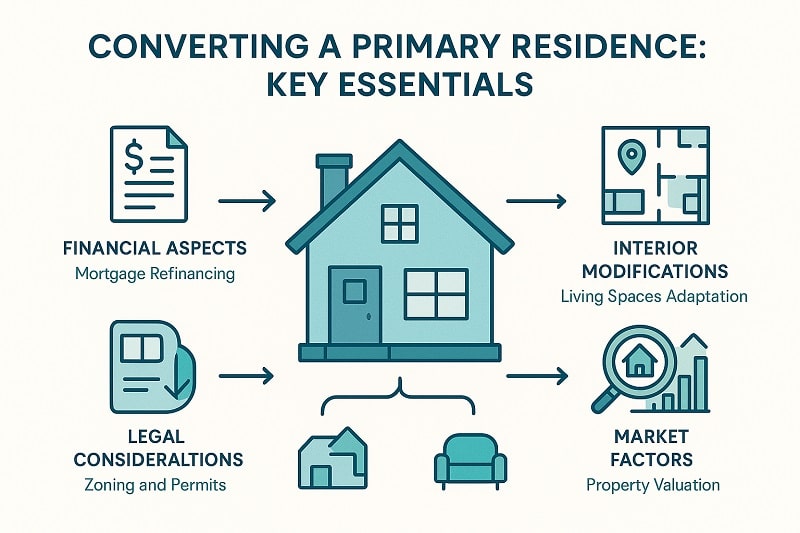
Transforming your primary residence into a rental property can be a wise investment decision, but it requires careful understanding. This involves grasping the essentials of switching from a primary abode to an investment property. Considerations include navigating rental property regulations, managing property taxes, and understanding the role of home loans. This journey is more than just renting out your house; it entails mastering property management and ensuring a seamless transition. Let’s delve into the core elements of converting your primary house into a rental home and how home loans intertwine with this process. Understanding these basics makes the investment rewarding.
What is Involved in Switching to a Rental Property?
When you decide to convert your primary residence into a rental property, you’re stepping into the realm of property management and rental regulations. The initial step is assessing your home’s suitability as an investment property. This involves evaluating its marketability as a rental home, which entails scrutinizing location, condition, and local rental demand. Inspections and necessary repairs should be prioritized to ensure the property’s attractiveness to potential tenants.
Furthermore, understanding property management’s nuances is crucial. It involves setting rental terms, advertising, tenant screening, and routine maintenance. Hiring a property management company might be worthwhile for those who prefer a hands-off approach, though it reduces rental income. However, it offers the peace of mind of professional handling of day-to-day operations and tenant relations, an essential consideration for first-time landlords.
Next, addressing financial implications is key. Start by examining mortgage terms; informing your lender about the switch from a residence to a rental property is typically required. This might include a change in the loan terms or insurance requirements, transitioning from a homeowner’s policy to landlord insurance. Furthermore, rental property is subject to specific tax implications. You’ll need to report rental income and understand property taxes and potential deductions for expenses such as repairs, management fees, and loan interest. Navigating these as a new landlord can be challenging but offers significant financial benefits once mastered.
Lastly, ensure you comply with local rental regulations. These laws dictate tenant rights, lease agreements, and eviction procedures. Understanding your obligations as a landlord protects your investment while fostering a positive tenant relationship. As you transition your house from a home to a rental, remember each decision, from setting rent prices to choosing tenant policies, directly impacts your property’s success and profitability.
The Role of Home Loans in Transitioning
Home loans play a pivotal role when converting a primary residence into a rental property. Most homeowners initially acquire a mortgage under primary residence conditions, which typically offer lower interest rates than loans for investment properties. However, when the decision is made to rent, it might be necessary to inform lenders, as the terms can change depending on rental purposes. This conversion can influence loan aspects such as interest rates and insurance requirements, hence it is wise for investors to consult with their loan provider to navigate these adjustments effectively.
To make the most of this transition, you may also consider refinancing to better align with your investment goals. Refinancing can potentially lower your interest rates, leveraging increased cash flow towards property taxes, insurance, or further investments. It might also be an opportune time to unlock home equity to fund your second home purchase. Understanding how to use these financial levers is vital, offering a strategic advantage in maximizing rental income and consolidating your financial stability when entering into the housing market as a landlord. In refinancing, consider the potential for cash-out to support improvements that can increase rental property’s value and appeal.
Furthermore, securing the right insurance is indispensable. Transitioning from standard home insurance to a landlord policy is crucial as this step ensures you’re protected against renter-related liabilities and property damages. This might also impact your mortgage terms, requiring adjustments to conform to lender policies. Therefore, understanding the nuances of home loans is essential in this transformation, not only to remain in lender compliance but to optimize your property’s financial potential.
Finally, consider how home loans interact with property management strategies. If leveraging loans for property modifications, ensure improvements align with rental regulations, enhancing the property’s earning potential while satisfying all legal stipulations. Consequently, aligning your home loan strategy with rental goals supports a prosperous transition from primary residence to thriving rental income source.
Financing Your Second Home
Investing in a second home while converting your first into a rental can open profitable pathways. Whether you’re eyeing home equity to finance this house or seeking alternatives to buying without immediately selling, understanding your financial landscape is vital. Home loans and mortgage options play a crucial role here, impacting both equity release and how you might secure another property. Evaluating your financing strategy, while considering the current home’s potential rental income, ensures you’re making informed decisions to support your dual property investment journey.
Exploring Home Equity Options
For those planning to buy another house while retaining the current home as a rental, home equity options present a compelling avenue. Home equity is essentially the difference between your property’s market value and the outstanding balance on your mortgage. Investors often leverage this to fund the purchase of a second home. Utilizing your home equity, possibly through a home equity loan or line of credit, can provide the necessary capital to secure a new residence without selling your current home.
A strategic approach to home equity involves understanding the advantages and potential risks. For instance, borrowing against your home’s equity typically offers lower interest rates than personal loans due to the property acting as collateral. However, it’s imperative to weigh this against the risk of increased debt burden, which could impact your financial security if rental income doesn’t consistently cover these additional expenses. A calculated risk analysis can guide you, ensuring you’re prepared for market fluctuations or rental vacancies.
Mortgage lenders assess your overall financial health before approving equity loans, so maintaining a good credit score and financial track record is critical. It’s also wise to discuss your plans thoroughly with your mortgage lender , they can offer insights into loan terms, interest rates, and potential effects on your mortgage repayment strategies. Furthermore, refinancing your current mortgage might unlock more favorable terms, potentially optimizing cash flow for buying while enhancing your investment strategy.
Ultimately, using home equity to buy a second home without selling your first can be a savvy move, especially for investors looking to expand their property portfolio. This strategy not only preserves your current home as a long-term asset that generates rental income but also potentially boosts your equity accumulation with the acquisition of an additional property. As you explore your options, consider the balance between leveraging equity and maintaining financial stability to maximize your investment returns.
How to Afford Buying Without Selling
An intriguing option for investors eyeing a second home without parting ways with the first is finding financing solutions that don’t require selling. This scenario is particularly appealing if your current home is poised to be a lucrative rental. To afford buying without selling, it’s crucial to tap into a variety of financial strategies that could include creative uses of your equity, exploring bridge loans, or acquiring properties through joint ventures.
Foremost, understanding your mortgage is key. If you’ve built considerable equity in your home, refinancing opens up avenues to free up capital needed for buying another house. With historically low interest rates, refinancing could reduce your monthly mortgage payments, thus improving your debt-to-income ratio and making you a more viable candidate for additional loans.
Bridge loans present another viable method. These short-term financing options allow you to ‘bridge’ the gap between buying a new home and selling your old one, albeit they come with higher interest rates and fees. Such loans require a robust exit strategy to prevent complications, be it through systematic settlements like property sales or securing long-term financing once the new acquisition is stabilized.
Furthermore, partnering with investors can spread risk and resources, enabling co-ownership arrangements where initial outlay is shared. This collaborative approach can ease the burden of acquiring a second house, creation more room for diversified investment gains. For those inclined to sustain complete ownership, looking into leasing with an option to buy allows for strategic maneuvering without immediate capital expenditure.
Financial planning, therefore, becomes an essential backdrop of your decision-making process. From calculating expected rental income from your existing property to assessing monthly budgets that include potential mortgage implications, embedding these elements into your strategy is crucial. Align your financing tactic to not just support acquisition but also safeguard your property investment portfolio’s growth, ensuring a robust real estate journey ahead.
Legal and Financial Considerations
When planning to rent out your first home while buying a second, understanding legal and financial considerations is crucial. Delving into aspects like landlord insurance and tax implications helps safeguard your property investment. It’s essential to grasp how these factors affect your rental income and overall financial health. Whether navigating property taxes or ensuring proper insurance coverage, managing these elements effectively paves the way for a profitable dual venture.
Landlord Insurance and Its Importance
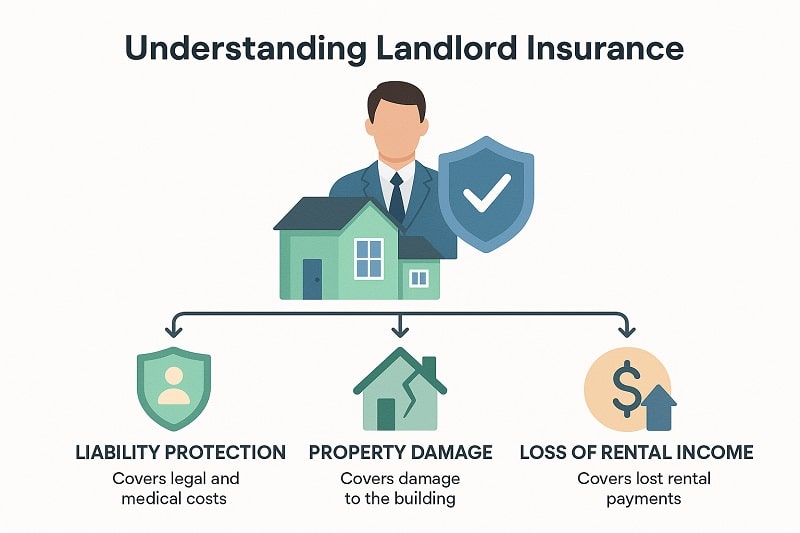
Landlord insurance is a crucial component when converting your first home into a rental property. As an investor, you must recognize the need for comprehensive coverage that extends beyond standard homeowner policies. This insurance type is specifically designed to protect landlords from potential risks, including property damage, tenant-caused loss, and liability claims. The importance of landlord insurance cannot be overstated, given the various challenges that can arise during property management.
Landlord insurance typically offers several layers of coverage. Firstly, it protects the physical property, the dwelling itself, against perils like fire, storms, and vandalism. Unlike regular home insurance, landlord policies also cover the loss of rental income if the property becomes uninhabitable due to an insured event. This feature ensures steady cash flow in times of unexpected disruptions, crucial for maintaining your financial stability.
Liability protection is another significant aspect. Tenants or visitors may sustain injuries on the property, potentially leading to lawsuits. Landlord insurance shields you from such legal claims, covering legal fees and damages awarded in such scenarios. It’s a safeguard against personal financial risk, providing peace of mind as you navigate the responsibilities of being a landlord.
Investors should consult with their insurance provider to tailor their policy according to specific needs. Discussions should cover potential enhancements like coverage for furnishings, if the rental is semi-furnished, and additional riders for events not typically covered in standard policies. By ensuring the insurance is aligned with the property’s unique circumstances, you mitigate potential financial setbacks, safeguarding your investment and ensuring continuous rental income.
Evaluating and choosing the right landlord insurance policy involves understanding the local rental market and risk factors specific to your area. By doing this, you not only protect the property but also enhance its value as a long-term investment, making insurance a pivotal aspect of your property management strategy.
Understanding Tax Implications
Comprehending the tax implications of turning your home into a rental property is vital for any investor. Rental income transforms your property from a personal residence to a business asset, bringing forth a myriad of tax responsibilities and opportunities. As you embark on this new financial journey, understanding how property taxes and income taxes interact with your rental income can significantly impact your bottom line.
Firstly, all rental income generated from the property must be reported to the IRS as part of your taxable income. This includes all payments received from tenants, covering rent and any additional charges for utilities or services. Keeping meticulous records of all financial transactions related to the property ensures compliance and simplifies the tax filing process.
On the positive side, however, numerous expenses associated with maintaining a rental property are deductible, potentially lowering your taxable income. These deductible costs encompass mortgage interest, property taxes, insurance premiums, and maintenance expenditures. Such deductions are instrumental in mitigating the financial burden of owning a rental property and maximizing your investment return.
Depreciation is another pivotal tax consideration. The IRS allows property owners to depreciate rental properties over a set period, acknowledging the gradual wear and tear on the physical structure. This non-cash deduction can significantly reduce taxable income without affecting actual cash flow, offering a substantial tax advantage to savvy investors.
Entrepreneurs should familiarize themselves with federal, state, and local tax laws, as each jurisdiction may have unique stipulations affecting rental property taxes. Engaging with a professional tax advisor or accountant who specializes in real estate can provide valuable insights tailored to your circumstances, ensuring you fully leverage available tax benefits while maintaining compliance.
Understanding these tax dynamics plays a crucial role in the overall financial management of your rental property. By strategically planning around potential tax liabilities and benefits, you can enhance cash flow, support property investments, and achieve sustained financial growth in your real estate portfolio.
Maximizing Rental Income from Your First Home
Transforming your current home into a fruitful rental property is a strategic move that can yield substantial income. Successfully achieving this, however, requires setting the right foundations, including determining an optimal rent price and crafting a profitable rental strategy. By carefully evaluating your rental property’s market position, you can enhance your income potential while ensuring that tenants find value in your offering. Let’s dive into the process of maximizing rental income by effectively navigating pricing and strategic considerations, helping solidify your role as a successful landlord in the rental market.
Setting the Right Rent Price
Determining the appropriate rent price for your rental property is fundamental in maximizing your rental income while attracting quality tenants. Start by conducting a comprehensive market analysis to gauge the prevailing rental rates within your area. This involves comparing your property with similar houses in terms of size, location, and amenities. A rental price that’s too high could deter potential renters and lead to extended vacancy periods, whereas pricing too low might compromise your income objectives. Striking the right balance ensures competitive positioning in the market and optimizes your return on investment.
Furthermore, consider the unique attributes your property offers. Does it have updated appliances, a prime location, or other desirable features? Highlighting these can justify a higher rent. It’s also wise to account for seasonality trends in the rental market, as demand usually peaks during specific months. Adjusting your rent price in line with these trends can enhance your property’s appeal during high-demand periods, ultimately increasing occupancy rates.
Another key aspect is understanding and incorporating all costs associated with the rental property into your rent price. These include property taxes, insurance, mortgage payments, and maintenance expenses. By ensuring your rent covers these expenses, plus a margin for profit, you secure steady rental income that aligns with your financial goals. To refine your pricing strategy, consider consulting with real estate professionals or utilizing property management software for precise income forecasting and scenario analysis.
Lastly, remain flexible with your pricing strategy. Periodically reassessing and adjusting the rent price in response to market fluctuations and changes in property value is crucial. This proactive approach allows you to sustain a competitive edge and maintain or enhance your rental income, solidifying your long-term success as a landlord.
Setting the right rent price is crucial to attract tenants while ensuring profitability. Here are some actionable insights to enhance your rent pricing strategy:
- – **Conduct a thorough market analysis: Investigate similar properties in your area to gauge competitive pricing.
- Consider property amenities and upgrades: Update rent prices factoring in property enhancements that add value.
- Monitor local economic trends: Be aware of local employment rates and economic growth which can influence rent affordability.
- Regularly review and update rent: Periodically assess market conditions to adjust your rent price accordingly.
- Offer flexible lease terms: Attract a wider tenant base by providing options like month-to-month leases.
- Incorporate feedback from current tenants: Use tenant insights to identify value-added amenities that could justify rent adjustments.
- Assess occupancy rates: High vacancy might signal the need for a rent adjustment to remain competitive.
In conclusion, setting a well-considered rent price is essential for maximizing occupancy and ensuring a steady income stream. A strategic approach will help maintain a balance between attractiveness to tenants and financial viability.
Ensuring a Profitable Rental Strategy
Crafting a profitable rental strategy extends beyond setting the right price for your property. It involves a comprehensive approach that safeguards steady rental income while preserving property value. Start by defining your target tenant profile, are you aiming to attract young professionals, families, or students? Tailoring your property to meet the needs of your desired demographic enhances its appeal, increasing the likelihood of attracting reliable renters.
A proactive maintenance plan is integral to a profitable strategy. Regular property upkeep not only preserves its condition but also minimizes costly repairs down the road. Schedule routine inspections to address potential issues before they become major problems. This foresight not only sustains property value but also ensures tenant satisfaction, boosting retention rates and ensuring a stable rental income.
Implementing stringent tenant screening processes is another pivotal element. By ensuring prospective renters are reliable and financially stable, you reduce the risk of late payments or vacancies. This involves credit checks, previous rental history evaluations, and personal references. A thorough vetting process translates into a harmonious landlord-tenant relationship and secures consistent income from your rental property.
Additionally, consider optimizing operational efficiencies through technology. User-friendly tools can simplify rent collection, maintenance requests, and communications. By streamlining administrative tasks, you can focus on strategic decisions impacting profitability. Even small technological investments can significantly increase operational margins, contributing positively to your rental income.
Lastly, stay informed about regulatory changes impacting the rental market. Regulations can affect various aspects of property management, from rent control laws to eviction procedures. Remaining compliant not only safeguards your property but also builds trust with tenants, which is pivotal for long-term profitability. By integrating these aspects into your rental strategy, you maximize income potential and fortify your position as a successful investor in the market.
Strategies for Successfully Renting Out Your House
Transforming your first home into a rental property while purchasing a second home presents ample opportunities for generating long-term income. To execute this transition smoothly, it’s crucial to focus on strategic planning and preparation. This involves comprehensively preparing your house for potential renters and weighing the pros and cons of renting versus selling. Thoughtful execution can maximize your investment returns and provide financial stability, making the journey into property management worthwhile. Let’s delve into practical strategies that ensure a successful rental venture.
Tips for Preparing My House for Renters
Effectively preparing your house for renters is a key step in transitioning to a rental property, significantly enhancing its appeal and securing a steady stream of rental income. Start by conducting a thorough inspection to identify any necessary repairs or improvements. Addressing issues related to plumbing, electrical systems, and structural integrity not only boosts your property’s value but also ensures tenant safety and satisfaction. Enhancing curb appeal through landscaping and fresh paint can also make a positive first impression, attracting prospective renters who recognize a well-maintained home as reflective of considerate property management practices.
Once structural concerns are resolved, focus on the interior. Ensure the home is clean and clutter-free, as cleanliness directly impacts potential tenants’ perceptions and can even influence their decision to rent. Housekeeping efforts should include deep cleaning carpets, fixtures, and appliances. Consider replacing outdated elements, like old carpet or broken light fixtures, with modern alternatives to make the space more inviting. Professional cleaning services might be an investment worth considering if time or resources for DIY projects are limited.
Next, address tenant convenience by focusing on security enhancements. Installing robust locks, smoke detectors, and security systems can increase the property’s attractiveness to renters concerned about safety. Additionally, make arrangements for regular property maintenance to ensure ongoing desirability. Draft a maintenance plan that covers both routine upkeep and unexpected repairs, reassuring tenants that property protection and care remain top priorities. This proactive approach maintains property standards and reduces the chance of future tenant dissatisfaction leading to vacancy or disputes.
Finally, it’s essential to establish a fair and competitive rent price before entering the leasing stage. Conduct market research to understand local rental trends and position your house competitively among similar properties. Staying aware of competitor prices helps optimize your rental income while maintaining occupancy. Set transparent rental terms and conditions to mitigate tenant turnover while ensuring a reliable income stream. By meticulously preparing your house for renters, you’re setting the stage for a prosperous rental venture that enhances long-term property value and your investment returns.
The Pros and Cons of Renting vs. Selling
Choosing between renting and selling your current home is a significant decision that impacts long-term financial planning and investment strategy. Understanding the benefits and shortcomings of each option is critical to making an informed choice. Renting your property allows for continued asset ownership and income generation, transforming your home into a rental property and leveraging it to boost financial liquidity. This path provides ongoing cash flow that can assist in funding other investments, such as acquiring a second home or diversifying your real estate portfolio.
Additionally, renting preserves your home’s equity, giving you the possibility to sell in the future when market conditions are more favorable or when achieving your investment goals requires it. It also offers tax advantages, such as deductible expenses on property taxes, insurance, and depreciation. These deductions can substantially lower your taxable income, making property management financially rewarding if properly handled. Moreover, rental properties may appreciate over time, potentially increasing your investment’s value.
On the flip side, renting does come with challenges that should be carefully considered. Managing a property introduces intricate responsibilities that require time and effort, from property management to addressing tenant relations and maintenance issues. Even with a property management company in place, overseeing expenses and ensuring rental property conditions meet tenants’ expectations requires diligence. Additionally, the rental market can be unpredictable, with vacancies potentially affecting consistent income streams.
Selling, however, provides immediate access to liquid capital, potentially supporting the purchase of a second home without the complexities of managing a rental property. It removes the responsibilities and risks associated with tenants and maintenance, freeing up time and resources. Investors prefer selling when they seek to maximize immediate returns or when market conditions strongly favor sellers. However, selling means relinquishing ownership, forfeiting potential long-term appreciation and passive income opportunities. Each path offers distinct financial and personal implications, and your decision should align with your investment goals, risk tolerance, and lifestyle preferences for a balanced approach to real estate success.
Converting your first home into a rental while buying a second property can be a smart investment move. It offers an opportunity to generate passive income while diversifying your real estate portfolio. Ensure the venture aligns with your financial goals and capabilities, considering factors like location, rental demand, and property management needs. Carefully calculate the cash flow and potential tax benefits, and seek guidance from financial advisors if necessary. By making informed decisions, this approach can significantly enhance your wealth-building journey, setting you up for long-term financial security and growth.
FAQ: Convert Your First Home to a Rental When Buying Second
What are the benefits of converting my first home into a rental property?
Transitioning your first home into a rental property can help you diversify income streams, build long-term wealth, and take advantage of potential tax benefits.
What financial implications should I consider when converting a primary residence to a rental property?
When converting your home into a rental, consider mortgage term changes, necessary insurance updates, and understanding tax responsibilities and deductions.
Expenses to consider:
- Maintenance repairs
- Mortgage interest
- Property taxes
- Insurance premiums
How do home loans and refinancing influence the conversion to a rental property?
Home loans may require adjustments when switching to rental purposes. Refinancing can align payments for better cash flow and unlock equity for further investments.
Options for refinancing:
- Home equity line of credit
- Lower interest rates
- Cash-out refinancing
What is landlord insurance and why is it important?
Landlord insurance provides coverage against tenant-related liabilities, property damage, and loss of rental income due to uninhabitable conditions.
How should I determine the right rent price to set for my property?
Conduct a market analysis comparing similar properties in terms of size, location, and amenities. Consider seasonal demand and incorporate property expenses.
Key steps:
- Adjust for seasonality
- Market analysis
- Consider unique property features