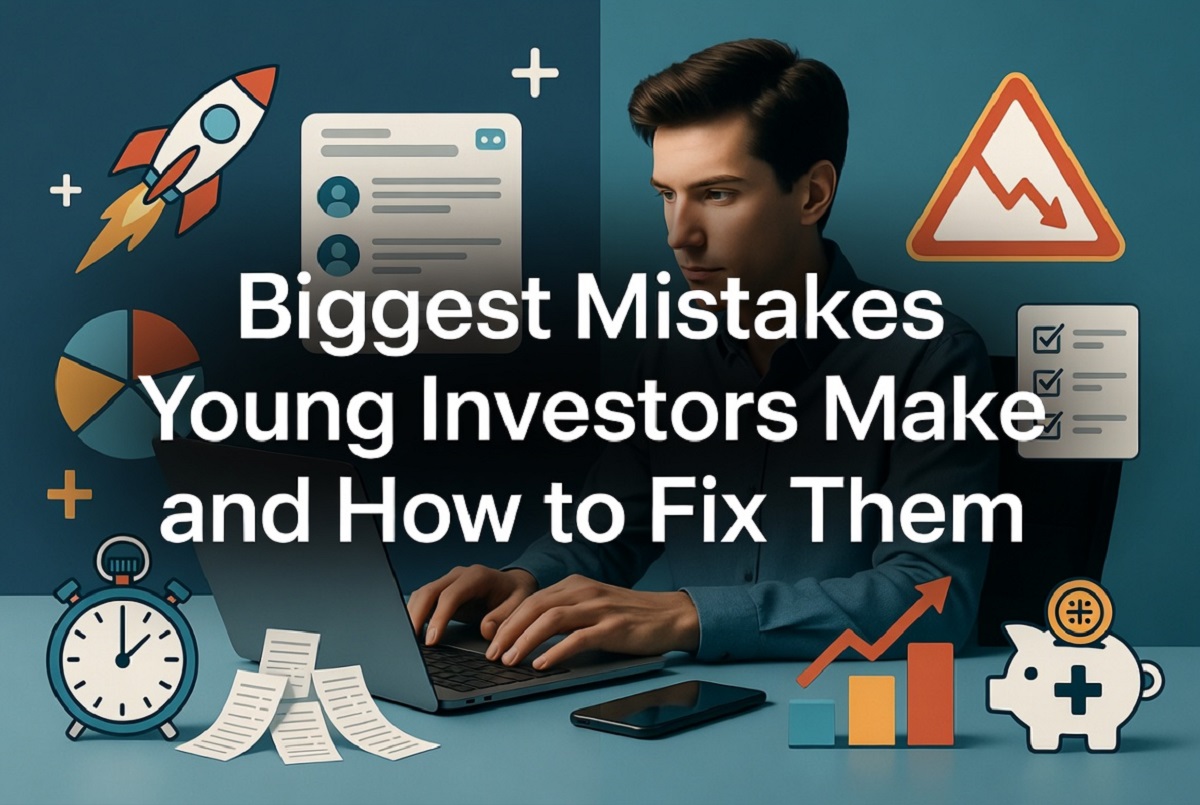
Embarking on your investment journey can be thrilling yet daunting, especially for young investors. Avoiding common pitfalls can make all the difference between success and frustration. This guide delves into the eight biggest mistakes investors often face and offers practical, actionable strategies to sidestep these traps. Whether you’re just starting out or refining your investment strategies, understanding and overcoming these errors is crucial for maximizing returns and building a robust portfolio. Get ready to empower your financial decisions with insights that can transform how you approach investing, paving the way for a prosperous future.
Brief Overview
Embarking on an investment journey can be both exciting and challenging for young investors. A clear financial plan acts as a strategic guide, aligning investment decisions with long-term goals and risk tolerance. Understanding the risks of overtrading and the importance of diversification helps mitigate losses and encourages sustainable growth. It’s crucial to balance trend-driven investing with research and due diligence, ensuring informed decisions that focus on long-term success. Employing strategies to manage emotional investing, like setting clear guidelines and leveraging technology for rational decision-making, can significantly bolster one’s financial strategy.
Key Highlights
- Young investors often make mistakes like emotional buying and ignoring diversification, risking their financial future.
- A clear financial plan guides investors, aligning investments with long-term goals and avoiding impulsive decisions.
- Risk tolerance is crucial for tailoring investments and avoiding emotional reactions to market fluctuations.
- Chasing market trends can lead to financial setbacks; a focus on long-term strategies is advised.
- Strategic tax efficiency enhances growth while minimizing burdens, crucial for optimizing investment returns.
Understanding the Importance of a Clear Financial Plan
A clear financial plan is like a roadmap for investors, guiding every decision with precision and foresight. By establishing a well-defined financial framework, young investors can steer clear of common pitfalls and align their investments with long-term goals. This plan is foundational for making informed decisions and maintaining a disciplined approach to investing. Young investors often overlook the significance of planning, risking financial missteps that can derail their future. A robust plan ensures investments are strategically aligned with personal financial objectives, helping investors make proactive rather than reactive decisions.

How a Clear Financial Plan Guides Investing Decisions
Having a clear financial plan is crucial in guiding investing decisions for young investors. It serves as a strategic blueprint that outlines one’s investment goals, timelines, and risk tolerance. This plan instills discipline, steering investors away from impulsive decisions and towards rational, data-driven choices. For example, a defined plan helps in prioritizing investments that align with long-term objectives rather than chasing fleeting market trends. By consistently evaluating and adjusting the financial plan, investors can ensure that their portfolio remains aligned with evolving financial goals amidst market changes.
Moreover, a thoughtful financial plan can mitigate emotional investing, one of the most common mistakes made by young investors. It provides clarity and reassurance during volatile market periods. By setting clear investment criteria and benchmarks, it allows investors to remain focused on long-term financial milestones. Such a plan also facilitates effective asset allocation, which is vital in optimizing returns and managing risks. A well-rounded plan encourages regular financial review sessions, ensuring that investments contribute positively towards reaching financial security. Ultimately, clarity through planning empowers young investors to pursue informed investing decisions confidently, laying a solid foundation for a prosperous future.
Assessing Your Risk Tolerance
Understanding risk tolerance is vital for young investors as it forms the foundation of a robust investment strategy. Risk tolerance defines how much financial risk an investor is comfortable taking, which guides investment decisions and ensures they align with personal goals. Greater risk can lead to higher rewards, but it also increases potential losses. Therefore, a clear assessment of one’s risk profile is crucial. Aligning risk tolerance with investment decisions can help avoid common mistakes like emotional investing and ensure a well-balanced portfolio. This involves understanding personal comfort levels with volatility and market fluctuations.
Why Risk Tolerance is Crucial for Young Investors
Risk tolerance is an essential component of any investment strategy, especially for young investors starting their financial journey. Identifying your risk tolerance helps tailor your investment choices to match your personal comfort level with potential market volatility. Knowing your limits can guide you away from emotional reactions during downturns. Many young investors overlook this key element, which can lead to decisions driven by fear rather than informed analysis. An understanding of risk tolerance helps in constructing a diversified portfolio that not only aims for growth but also aligns with individual financial goals and timelines.
As young investors, it’s tempting to chase after high returns promised by aggressive investments without considering the downside. That’s why assessing your risk is a proactive step in achieving long-term success. It involves evaluating your financial situation, the flexibility of your goals, and your emotional response to market changes. Doing so can significantly enhance your investing strategy, allowing you to ride the waves of market fluctuations with confidence instead of panic. Incorporating risk tolerance into your financial plan complements the solid foundation established by having a clear financial plan. It’s a dynamic component that shapes not only current but future investment paths, ensuring lasting financial security.
Avoiding the Trap of Winging It in Investing
Young investors often make the crucial mistake of diving into investing without a detailed strategic plan, a misstep referred to as “winging it.” Such an approach can lead to unpredictable outcomes, making it one of the biggest mistakes in the investment world. Establishing a well-structured plan is essential to steer clear of this pitfall. This strategic planning involves setting clear investment goals, understanding financial priorities, and systematically aligning investments with those objectives. By effectively planning, investors lay a solid groundwork to navigate market complexities, enhance financial growth, and achieve long-term stability.
Creating a Strategic Plan to Avoid Lacking Direction
Without a strategic plan, investors are like sailors without a compass, adrift in the vast, unpredictable sea of the market. Many young investors mistakenly believe they can outsmart the market without thoroughly planning their financial moves. This is an investment mistake that can jeopardize their financial future. The key to avoiding this common investor mistake is to create a comprehensive plan that addresses your unique financial situation and long-term goals. Begin by setting clear objectives, whether it’s saving for a home, planning for retirement, or building an emergency fund. These goals will serve as the cornerstone of your investment strategy, guiding your decisions to ensure they align with your aspirations.
Additionally, a well-crafted plan should evaluate your risk tolerance and include a diversification strategy, balancing equities, bonds, and other asset classes to minimize potential losses. This approach not only mitigates the impact of market volatility but also enhances the potential for consistent returns. Investing without this framework is akin to betting on chance, transforming what should be a calculated venture into a game of luck. Leveraging tools such as financial calculators and risk assessment questionnaires can help fine-tune your strategy, ensuring it remains aligned with personal financial priorities.
Moreover, engage in regular portfolio reviews to adapt to changing financial landscapes and personal circumstances. This not only includes rebalancing your assets but also reassessing your objectives and risk levels as you grow financially. By committing to a disciplined planning process, investors can avoid the erratic decision-making that often accompanies “winging it.” Remember, investing is not just about finding the next big stock but strategically building a sustainable path towards financial independence. A strategic plan is your guide, helping you avoid the pitfalls of impulsive decisions and ensuring your investments work towards your financial milestones.
The Role of a Financial Advisor in Your Investment Journey
Navigating the intricacies of investing can be overwhelming for young investors. A financial advisor can serve as a beacon, guiding you through this complex terrain. They’ll help align your investment strategy with your financial goals and risk tolerance, ensuring a well-rounded plan. From selecting appropriate funds to maintaining a disciplined approach amidst market volatility, an advisor’s expertise can be invaluable. Engaging a financial advisor is more than hiring guidance; it’s about empowering yourself with knowledge to make informed investing decisions and avoid common pitfalls along the way.
Learn How to Choose the Right Financial Advisor
Choosing the right financial advisor involves more than just picking a name from a list; it requires understanding your financial needs and ensuring their expertise aligns with your goals. Start by identifying your specific investing objectives, whether it’s growing a portfolio, balancing risk, or tax efficiency. Having clarity helps in selecting an advisor who specializes in those areas, ensuring they are a good fit for your investment journey. As an investor, scrutinizing the credentials and reputation of a potential advisor is crucial. Verify their certifications and any professional affiliations to gauge their credibility and reliability.
Engage in detailed discussions about their experience and approach. Ask about their investing philosophy and ensure transparency in the advisor’s fees and commissions as this directly impacts your funds’ growth. An often-overlooked aspect is the importance of feeling comfortable and building a rapport with your advisor; you’ll be sharing sensitive financial information, and mutual trust is essential. Additionally, consider whether you prefer a traditional face-to-face advisor or a more modern, tech-driven approach, like a robo-advisor that might offer lower fees with automated solutions.
Utilizing a well-chosen financial advisor can significantly enhance your investing strategy, particularly for young investors seeking to avoid typical mistakes. Such professional guidance helps in structuring a diversified portfolio while managing emotional impulses during market upheavals. As you learn from your advisor, you gain the skills to assess potential investments critically, advocating for your financial future. By integrating their advice into your decision-making, you can invest with confidence, aiming for financial security and growth. Don’t hesitate, start your search for the right financial advisor today and take a proactive step towards a successful investing journey.
To ensure you choose the best financial advisor for your needs, consider these essential factors:
- Verify the advisor’s credentials and ensure they have the necessary certifications and licenses.
- Assess their experience and expertise in handling cases similar to yours.
- Understand their fee structure to avoid hidden costs and ensure alignment with your budget.
- Seek referrals and read reviews from current or past clients.
- Evaluate their communication style to ensure clarity and responsiveness.
- Ensure they prioritize your goals and have a client-centric approach.
- Verify their fiduciary duty to act in your best interest at all times.
These factors will guide you in making an informed decision, setting the foundation for a prosperous financial journey.
The Risks of Overtrading and Transaction Costs
Overtrading and transaction costs can significantly erode the financial returns of young investors. Frequent buying and selling of stocks might seem tempting due to potential quick gains, but it introduces considerable risk. Transaction costs, although small per trade, accumulate over time, reducing overall wealth. This often leads to a situation where gains barely cover expenses, compromising financial goals and long-term growth. Understanding these pitfalls helps young investors strategize better, align their investing actions with wealth-building objectives, and avoid the trap of diminishing returns due to excessive trading.
Understanding the Impact on Financial Goals
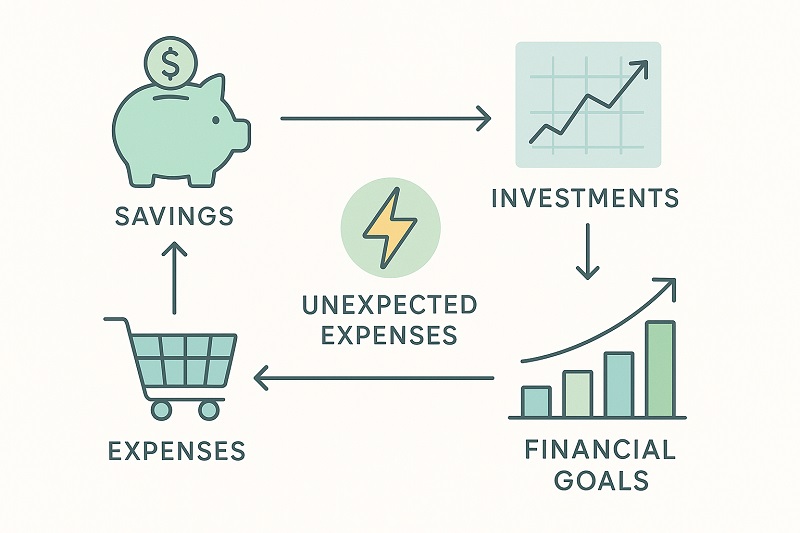
Overtrading can be detrimental to achieving financial goals, primarily due to the invisible weight of transaction costs that quietly eats into investment returns. For those just starting their investing journey, it’s crucial to recognize that frequent trading not only incurs direct expenses but also disrupts the compound growth crucial for wealth building. Each trade may involve fees that shrink the potential profitability of your investments. While the thrill of active trading can be alluring, it often obscures the broader picture of financial health. Aligning trades with long-term objectives is essential to avoid excessive risks.
Moreover, a key aspect frequently overlooked is the emotional toll of overtrading. It often leads to impulsive decision-making driven by short-term gains rather than meticulous strategy, compromising the initial financial plan. Without a structured approach, the investor is likely to deviate from their specified risk tolerance, inadvertently heightening financial exposure. Recognizing the subtle yet significant impact of transaction costs helps in creating a resilient, goal-oriented investment strategy.
Young investors, in particular, must prioritize a disciplined methodology that restricts unnecessary trades and promotes patience. Reducing the frequency of transactions preserves capital and leverages the power of compounding, a crucial component of long-term wealth accumulation. By understanding and actively managing these risks, investors not only safeguard their current financial standing but also enhance their future potential for growth. Staying true to one’s financial roadmap can shield against the adverse effects of overtrading, aligning investments with well-considered financial aspirations. Start aligning your trades with broader goals, and watch your investments grow sustainably.
Chasing Hot Trends: A Cautionary Tale
In the world of investing, there’s a constant buzz about the next big thing. Young investors, driven by the fear of missing out, often find themselves pulled into fad stocks and trendy market sectors. This approach can lead to significant financial setbacks if not carefully managed. Instead of chasing fleeting trends, focusing on a solid investment strategy aligned with personal goals can be more beneficial. The importance of understanding the inherent risks of trend-driven decisions can’t be overstated, emphasizing why it’s crucial to pursue investments that offer sustainable, long-term growth potential.
Why Trend-Driven Investing Can Be Risky
Investing based on current trends might seem appealing, especially with the allure of promising, high-profile stocks, but it involves substantial risk. By focusing solely on hot markets or trendy stocks, young investors could overlook critical components of sound financial planning. Following trends without due diligence often leads to hopping on the bandwagon when stocks are already overpriced, diminishing the chances of lucrative returns. Additionally, market trends can shift unexpectedly, leaving unprepared investors exposed to financial loss. It’s crucial to remember that a spike in popularity doesn’t always equate to financial security. Amidst the excitement, it’s easy to get swept away, but having a clear understanding of risk tolerance and maintaining financial discipline can help safeguard investments from these pitfalls.
Moreover, diversifying one’s portfolio is essential to minimize risks associated with volatile, trend-driven stocks. Relying solely on them can upset the balance within a carefully curated financial plan. Instead, young investors should incorporate well-researched funds and diversified assets aligned with their long-term objectives. This broader approach helps offset the unstable nature of trend investments. Utilizing a comprehensive investment strategy that balances risk ensures stability and enhances the potential for consistent gains. So, while it’s tempting to gravitate towards the trending investment narratives, emphasizing a diversified financial approach not only mitigates risk but also supports sustained investment growth. To truly build solid financial foundations, it’s wise to explore investments beyond transient market trends, focusing instead on a diversified, strategically aligned portfolio.
Neglecting Research and Due Diligence in Investments
When young investors bypass thorough research and due diligence, they often find their investment decisions guided by impulse rather than insight. This oversight can lead to uncalculated risks particularly detrimental to financial growth. By delving deep into potential investments, from analyzing companies to understanding market dynamics, investors can make informed, strategic choices. Due diligence not only bolsters confidence in investment decisions but also minimizes unforeseen financial pitfalls, allowing for a more strategic approach to investing. Let’s explore how in-depth research can profoundly enhance your decision-making process.
How In-Depth Research Can Enhance Decision-Making
Committing to comprehensive research as part of your investing strategy ensures that each decision is informed by data and sound analysis. Young investors often overlook the importance of investigating the core fundamentals of stocks, such as reviewing financial reports and understanding broader market trends. By doing so, they risk entering investments blindly, potentially resulting in financial setbacks. Conducting thorough research not only clarifies what you’re investing in but also helps in aligning those choices with financial goals and risk tolerance.
Digging deep into earnings reports, management histories, and industry forecasts enhances investors’ understanding of the markets, leading to more calculated risks and aligning investment decisions with long-term objectives. For instance, a company might seem enticing due to popular trends, but financial indicators such as debt levels, cash flow, and market position provide a clearer picture of its true potential. Moreover, understanding the competitive landscape in which a company operates can be as crucial as analyzing its financial health.
Effective research goes beyond numbers. It encompasses understanding the business model, target market, and external factors that might influence a company’s success. By building a robust foundation of knowledge, investors can navigate market volatility with confidence, ensuring their decisions contribute positively to their financial journey. This rigorous approach often distinguishes seasoned investors from novices and emphasizes the value of adopting a disciplined research methodology. For young investors eager to build wealth and avoid common pitfalls, dedicating time to research is not just advisable; it’s essential. Stay informed, scrutinize every opportunity, and you’ll move closer to securing a prosperous financial future.
Overlooking Tax Efficiency in Investment Strategies
Tax efficiency is an essential aspect often overlooked by young investors, yet it can have a significant impact on the long-term growth of their investments. By understanding the intricacies of tax implications, investors can make more informed decisions that align with their financial goals. From optimizing asset allocation to selecting the right accounts, there’s a lot to consider in crafting a tax-efficient strategy. Emphasizing this aspect not only aids in preserving wealth but also enhances potential returns by minimizing unnecessary tax burdens. Let’s explore practical strategies to enhance tax efficiency in your investment portfolio.
Strategies to Optimize Tax Efficiency
When it comes to optimizing tax efficiency, the first step is to be aware of the different types of investment accounts and their tax implications. Accounts like Roth IRAs and 401(k)s offer tax advantages that can significantly boost your wealth over time. By investing in these accounts, you can shelter a portion of your wealth from immediate taxation, allowing your money to grow tax-free until you withdraw it in retirement. This approach can be particularly valuable for young investors who have time on their side and substantial potential for portfolio growth.
Moreover, strategically managing your investments by choosing between stocks and funds that are tax-efficient is crucial. For instance, index funds are typically more tax-efficient compared to actively managed funds because of their lower turnover rates, resulting in fewer taxable events. Also, consider the benefits of tax-loss harvesting, where you sell underperforming stocks at a loss to offset capital gains taxes on your successful investments. This can help in maintaining a balanced portfolio while minimizing tax liabilities.
Another key strategy involves critical asset allocation. By placing income-generating assets in tax-advantaged accounts and allowing higher growth potential assets to sit in taxable accounts, you effectively manage tax exposure. Keep an eye on your portfolio’s transactions since frequent buying and selling can lead to short-term capital gains, which are taxed at a higher rate than long-term gains. Regularly reviewing and rebalancing your investment portfolio not only keeps you aligned with your financial goals but also tactically optimizes tax efficiency, enhancing overall returns. As an investor, implementing these strategies can not only reduce tax obligations but also ensure a more robust approach to growing your wealth strategically.
Emotional Investing and Its Pitfalls
Emotional investing is a trap that entangles many young investors, often leading to decisions driven by fear or greed rather than sound financial strategy. This approach can disrupt the balance of a thoughtful investment plan, causing potential financial shortfalls. Understanding and managing emotions in investing is critical to building and protecting wealth. To combat these tendencies, investors can employ strategies that encourage maintaining emotional discipline. Let’s explore how these approaches can fortify your financial goals and keep you on a stable path to wealth accumulation.
Strategies to Maintain Emotional Discipline
Mastering emotional discipline is a fundamental skill for any serious investor. The tides of the financial markets are notoriously unpredictable, often stirring up panic or euphoria among investors. By developing and adhering to a clear investment strategy, young investors can minimize impulsive actions driven by fear or market mania. This involves setting strict guidelines for buying and selling, rooted in your financial goals rather than emotional reactions. Such a disciplined approach ensures you’re not swayed by headlines or market buzz, which can often lead to regrettable decisions and undermine wealth-building goals.
Implementing a structured investing plan is a tried-and-tested way to remain focused. This entails regular reviews of your portfolio, where you objectively assess your performance and make necessary adjustments. By reviewing your financial plan at predetermined intervals rather than reactive moments, you reduce the influence of emotional investment decisions. It also involves setting stop-loss orders, which can automatically limit potential losses, allowing you to uphold your financial strategy even in turbulent times.
Furthermore, leveraging technology can enhance your ability to stick to emotional investing strategies that favor rational decision-making. Numerous financial management tools are available that provide alerts for market changes aligned with your investment targets, reminding you of your strategic financial objectives. This integration of technology supports a more systematic approach, keeping emotions in check. Finally, continuous learning and awareness of financial markets equip you with insights necessary to maintain composure. This disciplined mindset becomes integral to crafting a legacy of sustained wealth over your investing journey.
In navigating the complex world of investing, young investors should prioritize learning from past mistakes to sculpt a successful financial future. By avoiding these common pitfalls, such as emotional decision-making, lack of diversification, and inadequate research, you’re setting a solid foundation for growth. Keep educating yourself, stay curious, and leverage tools like savings plans and expert advice to your advantage. Start today by downloading our essential investment guide or sign up for a webinar to gain additional insights. Remember, every wise decision today is an investment in your future success.
FAQ: Biggest Mistakes Young Investors Make and How to Fix Them
What are some common mistakes young investors should avoid?
Young investors often make mistakes like emotional buying, ignoring diversification, winging it without a plan, and overtrading. Avoiding these can help secure a better financial future.
How important is having a financial plan?
A clear financial plan is essential. It’s like a roadmap for guiding investment decisions, aligning investments with long-term goals, and minimizing impulsive actions.
How can young investors manage emotional investing?
Young investors can manage emotional investing by setting clear guidelines and using technology to support rational decision-making, reducing impulsive reactions.
Why is risk tolerance important for young investors?
Risk tolerance determines how much financial risk you’re comfortable with, guiding investment choices and helping avoid emotional reactions during market changes.
How can tax efficiency affect investment growth?
Tax efficiency can significantly impact long-term growth. By optimizing asset allocation and selecting the right accounts, investors can enhance returns while minimizing tax burdens.