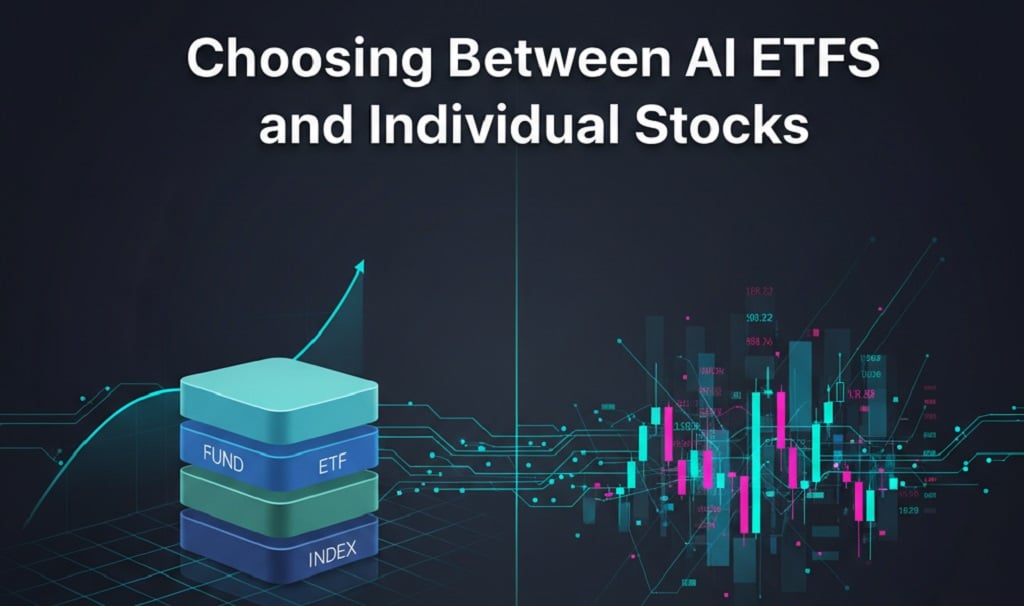
Deciphering the investment landscape of artificial intelligence can feel like navigating uncharted territory. When determining whether to invest in AI ETFs or individual stocks, it’s crucial to understand the nuances of AI and your investment goals. AI ETFs offer diversification by pooling AI-focused assets, reducing risk, while individual stocks allow you to target specific companies that may excel in AI tech. Whether you’re an experienced investor or a curious newcomer, understanding AI investment strategies will empower you to make informed decisions and capitalize on this burgeoning field’s potential. Dive in to discover the best paths to maximizing your AI investment.
Key Highlights
- AI ETFs offer diversification, spreading risk across a wide range of AI-focused assets.
- AI revolutionizes finance with solutions like algorithmic trading and personalized asset management.
- Investing in individual stocks offers the potential for substantial returns but carries higher risk.
- AI ETFs generally have lower expense ratios, providing cost-effective diversification in portfolios.
- Understanding risk tolerance is crucial in deciding between diversified AI ETFs and individual AI stocks.
Understanding AI in Investment
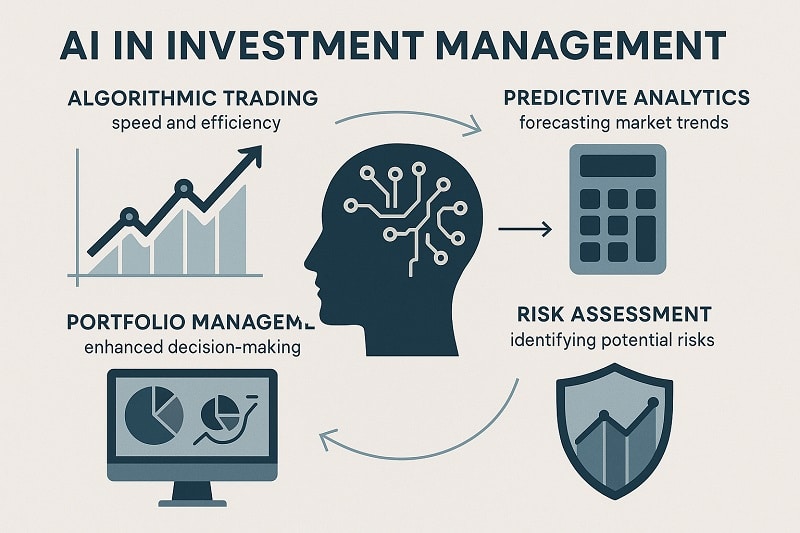
AI has revolutionized the finance sector, offering innovative solutions for investors interested in modern, tech-driven strategies. From algorithmic trading to personalized asset management, AI is reshaping how investors engage with the market. This section explores AI’s transformative role in finance and how it’s enhancing investment practices. Understanding the impact AI has on investment strategies helps investors make informed decisions, balancing risk and potential returns. Whether you’re considering AI ETFs or selecting individual stocks in AI companies, recognizing AI’s role sets a solid foundation for strategic investing.
The Role of AI in Modern Finance
As an investor, you’re likely aware of the pivotal role that AI is playing in modern finance. AI’s integration into finance has been a game-changer, and its impact resonates across various facets of the industry. One of the most significant contributions is AI’s ability to process massive amounts of data swiftly and accurately. AI solutions analyze market trends, forecast economic shifts, and identify investment opportunities much quicker than traditional methods. This shift allows investors to react promptly to market changes, a crucial advantage in today’s fast-paced financial landscape.
AI’s capabilities extend to enhancing accuracy and reducing the likelihood of error due to its inherent data-processing power. In portfolio management, AI systems can tailor investment strategies that align with specific financial goals, risk tolerance, and market conditions. This level of personalization, driven by continuous data analysis, helps investors optimize their portfolios based on real-time insights. AI-powered algorithms also play a crucial role in high-frequency trading, where speed and efficiency are paramount to capitalize on minor market fluctuations. Investors leveraging AI in trading can gain a competitive edge by executing trades with precision and agility.
An aspect worth noting is AI’s role in predictive modeling. By analyzing historical data, AI aids in predicting future market behaviors, thus allowing investors to anticipate market trends. This predictive ability empowers investors to maximize potential gains while mitigating risks. Furthermore, AI fosters innovation in financial technologies, offering investors new tools and platforms to enhance investment strategies. By understanding these AI applications, investors can better discern how AI-driven tools can complement their investment approaches. For those contemplating a move into AI ETFs or individual AI stocks, grasping AI’s modern finance functionality is essential.
How AI is Transforming Investment Practices
AI’s influence on investment practices is profound, offering a paradigm shift in how investors engage with financial markets. The transformative impact of AI is most evident in the democratization of investment tools and strategies that were once exclusive to large firms. Today, even individual investors can access AI-driven platforms that offer cutting-edge analysis and insights. These platforms utilize AI algorithms to offer actionable investment advice, often at a fraction of the cost of traditional advisory services. This accessibility empowers a broader range of investors to make data-driven decisions, leveling the playing field in investments.
Moreover, AI is pivotal in risk management, offering investors tools to navigate market volatility with improved precision. AI models can simulate multiple market scenarios, evaluate potential risks, and recommend strategic adjustments to investment portfolios. This proactive risk management approach is invaluable, especially in sectors where market conditions can shift rapidly. AI’s ability to provide such real-time insights allows investors to protect their investments and seek opportunities even during turbulent times. The ability to adjust strategies swiftly in response to AI-generated forecasts is one reason many investors are drawn to AI-powered investment tools and strategies.
Personalization is another area where AI is transforming investment practices. By analyzing investor behavior, preferences, and financial objectives, AI creates customized investment experiences that align with individual investor profiles. Whether it’s through robo-advisors or AI-driven portfolio management platforms, investors are experiencing more tailored service offerings, enhancing their investment journeys. AI’s contribution to sustainable investing is noteworthy as well, with AI tools identifying environmentally and socially responsible investment opportunities. As these areas of interest continue to grow, AI’s role in aligning investments with these values will become increasingly significant.
For investors considering AI ETFs or individual stocks, understanding these transformative practices can provide a competitive edge. The integration of AI in investment strategies enhances efficiency, accuracy, and accessibility, key factors that can significantly influence investment outcomes. Embracing AI’s innovations enables investors to remain ahead of market developments, making AI a crucial ally in modern investment strategies. So, whether you’re exploring AI-driven insights for stock selection or the diversification offered by AI ETFs, knowing how AI shapes investment practices is critical for making informed choices.
Investing in AI ETFs
Investing in AI ETFs is an enticing option for those looking to tap into the burgeoning field of artificial intelligence without the complexity of choosing individual stocks. AI ETFs pool investors’ funds to invest in a diversified basket of stocks within the AI sector, spreading risk across a wide spectrum of technologies and companies. These ETFs provide exposure to various aspects of AI, from machine learning and neural networks to robotics and automation. This section delves into what AI-stock ETFs are and the distinct benefits of incorporating them into your investment portfolio, setting a foundation for strategic AI investment approaches.
What Are AI ETFs?
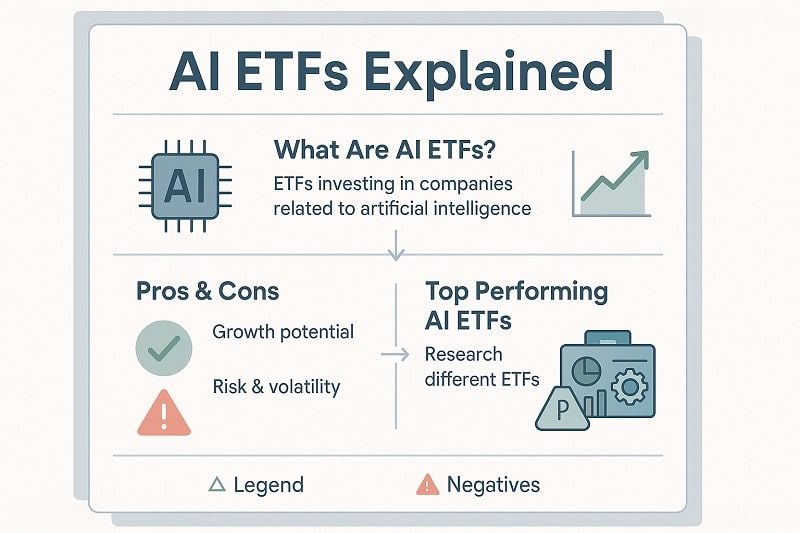
AI ETFs, or exchange-traded funds focused on artificial intelligence, represent a convenient and efficient way for investors to gain exposure to the AI sector. These funds bundle together a selection of AI-related stocks, providing diversification and reducing the risk associated with investing in individual companies. Essentially, AI-stock ETFs are financial products that trade on stock exchanges, much like individual stocks, but consist of a diversified portfolio of tech-oriented companies. This structure allows investors to bet on the growth of AI without betting the house on any single company’s success.
One of the primary attractions of AI ETFs is their ability to provide investors with access to a wide array of companies involved in AI development, from established tech giants to innovative startups. By investing in AI ETFs, you’re not only exposing your portfolio to the growth of AI technologies but also capitalizing on the sector’s dynamic landscape. These funds often hold shares in companies driving advances in machine learning, big data, neural networks, and other groundbreaking technologies.
Furthermore, the inclusion of an AI ETF stock in your investment strategy can be a wise play, particularly if you’re seeking growth potential in tech-driven markets. The composition of AI ETFs often reflects the leading innovations in the tech industry, allowing investors to capture the upward trajectory of AI advancements. With tech ETFs like the iShares Future series, investors have the opportunity to track indices that are at the forefront of AI evolution, ensuring that their portfolios remain aligned with cutting-edge breakthroughs.
The benefits of AI ETFs extend beyond just technology exposure. They offer liquidity, making them a flexible option for investors. Unlike mutual funds, which can only be bought or sold at the end of the trading day, ETFs, including AI ETFs, trade throughout the day on the market. This liquidity is particularly advantageous for investors seeking to enter or exit positions quickly in response to market movements. Additionally, AI ETFs can be a cost-effective solution since they often come with lower management fees compared to actively managed funds. By understanding what constitutes AI ETFs and how they operate, investors can make informed decisions about incorporating them into their portfolios.
Benefits of Including AI ETFs in Your Portfolio
Incorporating AI ETFs into your investment portfolio offers numerous advantages, echoing the immense potential of artificial intelligence in transforming industries. One key benefit is diversification. Investing in AI ETFs automatically diversifies your exposure to multiple companies and sectors within the AI landscape, unlike individual stocks which may expose you to more pronounced risks. This diversification is pivotal, especially in markets characterized by rapid developments and volatility.
Moreover, AI ETFs provide a strategic edge by allowing investors to participate in the overall growth of the AI sector rather than relying solely on individual stock performances. Given the global drive toward digital transformation, AI technologies are increasingly becoming integral to various industries. Investing in AI-focused ETFs therefore grants access to sectors that are poised for significant expansion, like autonomous vehicles, healthcare innovation, and intelligent automation.
Investors benefit from the convenience and efficiency that come with AI ETFs, notably in terms of time and due diligence. When investing in individual stocks, the responsibility of researching each company falls on the investors, which can be time-consuming and requires constant monitoring of company performance, market trends, and news. On the other hand, AI ETFs are managed by experts who continually adjust the fund’s holdings to maintain alignment with market conditions and technological advancements. This active management means investors can enjoy peace of mind, knowing their investments are being overseen by professionals armed with deep industry insights.
AI ETFs also offer a unique opportunity to stay ahead of tech trends. As industries embrace AI to streamline operations and enhance productivity, ETFs invested in companies fostering these advancements are likely to see substantial returns. ETFs stocks within the AI domain frequently include leading tech players and innovative newcomers, each contributing to the sector’s momentum. Additionally, the presence of funds like tech ETF iShares Future underscores the growth potential inherent in AI-centric investments.
Another compelling aspect is cost-effectiveness. Many AI ETFs boast lower expense ratios compared to mutual funds, making them a budget-friendly option for investors looking to optimize their returns. This affordability, coupled with the expansive market coverage that ETFs provide, ensures investors are not missing out on critical growth opportunities in the AI field. For investors aiming to harness the power of emerging technologies, integrating AI ETFs into their strategy presents a balanced approach to capitalizing on innovation while managing risk. Ultimately, choosing AI ETFs paves the way for significant portfolio growth, underpinned by the dynamic evolution of AI technologies in the marketplace.
Choosing Between Individual Stocks and AI ETFs
When it comes to investing in AI, deciding between individual stocks and ETFs can significantly impact your portfolio’s performance. Each option offers advantages that cater to different investment goals and risk tolerances. Individual stocks provide the allure of direct ownership and potential for significant gains if chosen wisely, but they come with higher risk due to market volatility. AI ETFs, on the other hand, offer diversified exposure to the artificial intelligence sector, spreading risks across multiple companies and technologies. By understanding the strengths and limitations of both approaches, investors can make informed decisions that align with their financial aspirations.
Advantages of Investing in Individual Stocks
Investing in individual stocks poses unique benefits that can be appealing to seasoned investors seeking tailored exposure within the AI sector. One primary advantage is the potential for substantial returns. When you invest in individual companies that excel in the AI landscape, you’re placing bets on their growth trajectory. Such stocks have the possibility of outperforming broader market indices if the companies are market leaders or innovators in AI technologies. This direct investment approach also allows you to leverage your in-depth research and insights, identifying stocks poised for growth based on mergers, technological breakthroughs, or shifts in the competitive landscape.
Moreover, individual stocks offer investors the opportunity to exercise greater control over their portfolios. Unlike AI ETFs, where stock selection is part of a broader strategy managed by fund managers, choosing individual stocks means you can directly align your investments with personal convictions or insights into a particular company’s potential. This hands-on approach requires astute stock selection and analysis, a thrilling endeavor for investors who relish the challenge. Additionally, investing in individual stocks might enable you to capitalize on company-specific developments. For example, if a company announces a groundbreaking AI initiative or secures a lucrative contract, stockholders could enjoy significant appreciation, a benefit not directly captured in an ETF that spreads its exposure.
Despite these advantages, it’s crucial for investors to acknowledge the accompanying higher risk factors. Individual stocks can be volatile, influenced by company earnings, market sentiment, and sectoral changes. This volatility necessitates diligent research and a strong understanding of the stock market dynamics. The potential for high rewards is typically paired with the possibility of considerable losses, emphasizing the importance of a robust risk management strategy. Investors must be prepared to navigate these fluctuations, employing strategies such as diversification and stop-loss orders to mitigate risk. For those ready to delve into the complexities of stock selection, the rewards of investing in individual stocks can be substantial, providing unmatched opportunities to benefit from the rapidly evolving AI sector.
Comparing Expense Ratios and Performance Metrics
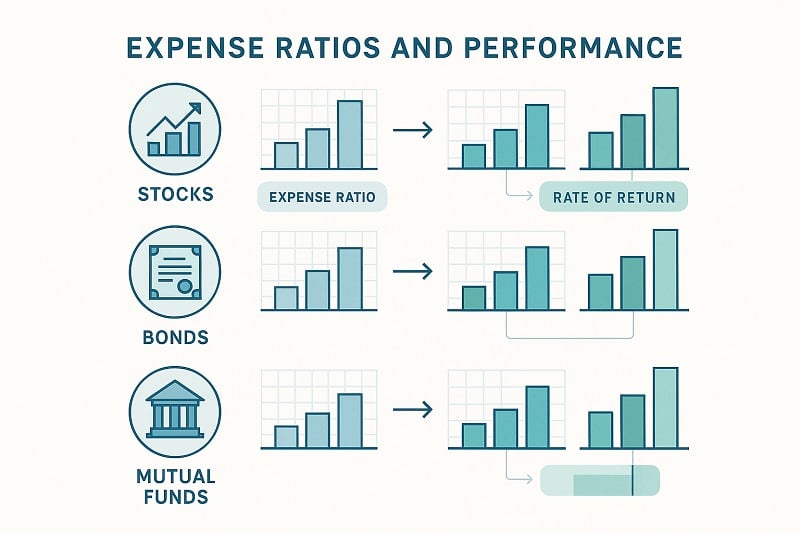
When deciding between AI ETFs and individual stocks, understanding expense ratios and performance metrics is crucial for aligning your investment strategy with your financial goals. ETFs often have the edge when it comes to expense ratios, generally offering lower costs compared to actively managed mutual funds. This affordability can be particularly advantageous for investors focused on maximizing net returns. With an AI ETF, you pay for a basket of stocks that provide diversified exposure to the AI sector, spreading your risk across numerous companies, which can reduce the impact of poor performance from any single stock.
Performance metrics offer another layer of insight, helping investors compare historical returns, volatility, and risk-adjusted performance between AI ETFs and individual stocks. Tracking performance metrics like the Sharpe ratio or beta can provide a clear picture of whether the potential rewards justify the associated risks. While individual stocks might offer higher returns, they often come with increased risks. The efficiency of AI ETFs in delivering consistent returns with lower volatility makes them attractive, especially for those with lower risk tolerance or those seeking steady growth rather than high-stakes gains.
Comparing these metrics also uncovers how different AI funds measure up against broader market benchmarks like the NASDAQ or sector-specific indices. Analyzing these benchmarks aids investors in assessing whether the cost-effectiveness of a particular ETF outweighs the potential for higher but riskier returns from individual stocks. Furthermore, sector-specific ETFs like semiconductor or tech ETFs can concentrate on niche areas, providing targeted exposure within the broader AI space, which can be advantageous if you have a strong conviction in a specific part of the tech sector.
Ultimately, the decision between the two hinges on your investment strategy, goals, and risk tolerance. If you’re leaning towards diversification and cost-efficiency, AI ETFs, with their lower expense ratios and steady performance, might be the ideal choice. For those more inclined towards potentially higher rewards from handpicked stocks, accepting the inherent volatility is necessary. By evaluating both expense ratios and performance metrics, investors can tailor their approaches to suit their ambitions, ensuring that their investments in the AI landscape are both strategic and aligned with personal risk profiles.
Evaluating Risk Tolerance in AI Investments
Determining risk tolerance is a crucial step for any investor delving into AI investments. With AI continuing to transform industries, particularly tech and semiconductor sectors, understanding your comfort with risk can inform your investment choice between AI ETFs and individual stocks. AI investments present diverse opportunities, from those offering broad market exposure to specific tech companies. Recognizing risk tolerance helps investors choose between the diversified approach of AI ETFs and the singular focus of individual AI stocks, balancing potential returns against market volatility. Whether aiming for exposure to cutting-edge technology or stable, strategic growth, aligning your investment strategy with your risk profile is essential.
Assessing Risk Tolerance with AI Investments
Assessing your risk tolerance is a foundational step in crafting an AI investment strategy, especially given the rapid changes and volatility associated with tech industries. As investors, understanding how much risk you can endure is vital in selecting between AI ETFs and individual stocks. AI ETFs, due to their diversified nature, typically present a lower risk compared to individual stocks. They spread your investment across a wide array of companies in the AI sector, including tech and semiconductor players, offering more stability if one company underperforms. This diversification minimizes risk while still providing exposure to the potential growth driven by advancements in AI technology.
On the other hand, investing in individual AI stocks entails a more aggressive risk profile. While they offer the possibility of high returns, these stocks require investors to conduct comprehensive research and possess a keen understanding of market trends and company-specific developments. Particularly in sectors like tech and AI, where companies can experience rapid shifts due to innovation, legislative changes, or market saturation, the risk is inherently higher. Investors with a high risk tolerance might be tempted by the potential for substantial rewards, betting on specific companies emerging as leaders in AI advancements. However, this approach demands a strong commitment to ongoing market analysis and willingness to absorb potential losses.
To effectively gauge risk tolerance, investors should consider several factors, including financial goals, investment timeline, and reaction to market fluctuations. Long-term investors focused on steady growth might prefer the stability of AI ETFs, enjoying exposure to emerging technologies without the stress of unpredictable market swings. Conversely, risk-tolerant investors eager to capitalize on market dynamics might gravitate towards individual stocks, hoping to exploit short-term volatility for significant returns. Tools such as robo-advisors can be instrumental, offering personalized investment strategies that align with your risk tolerance level, automating some decision-making processes while providing regular updates based on current market analyses.
Ultimately, aligning your AI investments with your risk tolerance ensures that your portfolio is robust yet adaptable to market conditions. Whether you opt to invest in diversified AI ETFs or concentrate on high-stakes individual stocks, understanding your risk appetite allows for a balanced portfolio, helping you to optimize returns while mitigating unwelcome surprises. By thoughtfully evaluating your risk tolerance, investors can confidently navigate the dynamic landscape of AI investments, harnessing opportunities in the tech industry’s most revolutionary frontier.
Technology ETF As an Investment Option
Investing in technology ETFs can offer investors a unique way to gain broad exposure to the ever-evolving tech sector. Technology ETFs, or exchange-traded funds, compile a selection of tech-related stocks, encompassing a diverse range of companies and technologies from semiconductors to software. This investment vehicle provides an opportunity for diversification, allowing investors to mitigate risk while participating in tech growth. As the tech landscape continues to expand, ETFs can present a reliable pathway for investors to harness the innovation driving market trends. Understanding how ETFs work and what they offer is crucial for informed investment strategies in the technology sector.
How Technology ETFS Offer Diversification
Technology ETFs provide a compelling avenue for investors seeking diversification in the tech sector. By pooling a variety of stocks from numerous companies, tech ETFs spread investment across a broad spectrum of technology-related industries and innovations. This spread is particularly advantageous for minimizing risks associated with investing directly in individual tech stocks, which can be highly volatile and unpredictable. As the tech industry is known for rapid evolution and frequent disruptions, diversification through an ETF helps cushion against the potential adverse impacts of underperforming companies or sectors.
Investors benefit from technology ETFs not only by accessing a wide array of companies but also by tapping into various sub-sectors that might be leading the future of technology. These ETFs typically include holdings in companies that are pioneering advancements in artificial intelligence, cloud computing, cybersecurity, and more. For instance, by investing in a tech ETF, you might gain exposure not just to software companies, but also to firms leading innovations in robotics, biotech, and the next generation of networking systems like 5G. This comprehensive approach ensures that investors can capitalize on the broader tech sector’s growth, rather than betting on the success of a few specific companies.
Moreover, tech ETFs listed on the NASDAQ and other major stock exchanges offer the advantage of liquidity, which is a crucial consideration for many investors. This liquidity ensures that investors can readily buy or sell ETF shares throughout the trading day, providing flexibility to respond to market movements promptly. Such a feature is particularly valuable in the tech sector, where news and developments can lead to rapid fluctuations in stock prices. With the ease of trading ETFs against the potential volatility of tech companies, investors can better manage their portfolios to align with their investment strategies and risk tolerance.
Besides diversification, tech ETFs tend to have relatively lower expense ratios compared to actively managed mutual funds, making them a cost-effective option for investors. This affordability, coupled with the diversified exposure they offer, makes tech ETFs an attractive option for those looking to participate in the tech industry’s growth trajectory without the burden of extensive research and stock picking. With the dynamic nature of the technology market, diversifying through ETFs allows investors to stay on top of emerging trends and capitalize on technological advancements without the stress of tracking individual company performances.
The presence of funds like ROBO Global Robotics and Automation ETF (ROBT) underscores the potential for growth within tech ETFs, as these funds focus on capturing the efficiency and innovation within the sector. For investors keen on tapping into the multifaceted opportunities technology ETFs present, it’s crucial to understand the scope and diversity these funds offer. As digital technology continues to shape industries and transform market landscapes, tech ETFs provide a strategic platform for investors to engage with these changes intelligently, ensuring their portfolios reflect the evolving tech ecosystem.
Deciding between AI ETFs and individual stocks hinges on your investment strategy, risk tolerance, and market expertise. AI ETFs offer diversification and reduced risk exposure, balancing potential gains across numerous AI firms. Meanwhile, choosing individual stocks might provide higher returns but requires rigorous analysis and market scrutiny. At the end, whether you’re seeking a passive income stream or looking to actively maximize profits, weighing your investment objectives and resources is key. Consider downloading our free guide on AI investing strategies to make informed decisions and effectively tailor your portfolio to future financial success.
Choosing Between AI ETFs and Individual Stocks: Understanding AI, AI Investment Strategies
What is the main advantage of investing in AI ETFs over individual AI stocks?
AI ETFs offer diversification by pooling AI-focused assets, which reduces risk. This allows investors to have exposure to the entire sector without betting on the performance of a single company.
How does AI technology impact investment practices?
AI revolutionizes investment practices by enabling algorithmic trading, personalized asset management, and the use of predictive modeling to anticipate market trends, ultimately enhancing decision-making and risk management.
What kinds of companies can be found in AI ETFs?
AI ETFs generally include a mix of tech giants, innovative startups, and companies that specialize in machine learning, neural networks, robotics, and automation technologies.
Why is understanding risk tolerance important in AI investments?
Risk tolerance is essential for deciding between diversified AI ETFs and individual AI stocks. It helps investors align their strategies with their comfort level regarding market fluctuations and potential losses.
How do expense ratios compare between AI ETFs and individual stock investments?
AI ETFs typically have lower expense ratios than actively managed mutual funds, making them a cost-effective option for investors. This is especially beneficial for those looking to maximize returns while minimizing costs.