
Diving into the bustling world of AI tech stocks can unlock significant growth and investment opportunities. As artificial intelligence continues to revolutionize industries, investors are eager to identify the frontrunners leading this transformation. This page highlights top AI stocks that should be on your radar for their potential to deliver impressive returns and shape the future of technology. Whether you’re an experienced investor or new to tech stocks, our insights and analyses will guide you towards making informed decisions in this dynamic sector. Discover the best AI stocks poised for growth and capitalize on this evolving market trend.
Key Highlights
- Nvidia NVDA and Microsoft are driving technological advancements, making their stocks highly attractive for AI-focused investments.
- AI’s rapid evolution necessitates robust risk management strategies, crucial for navigating this high-volatility sector.
- Emerging leaders like AMD and Super Micro offer innovative AI solutions, reshaping market dynamics and potential growth.
- Alphabet leads with innovations in AI technologies, providing diverse investment opportunities across its extensive portfolio.
- Understanding AI trends, like cloud services and natural language processing, is vital for capitalizing on market growth opportunities.
Understanding the Artificial Intelligence Sector in Stock Investing
The artificial intelligence sector offers a dynamic landscape for stock investing, brimming with opportunities and constant innovation. With industry giants like Microsoft driving new technologies, the AI industry presents numerous chances for growth. Investors are increasingly drawn to this market due to its potential for substantial revenue and the groundbreaking services it offers. This section dives into the current trends within this sector and explores both the challenges and opportunities for those looking to invest in AI stocks. Stay informed to make savvy decisions and capitalize on the ever-evolving AI landscape.
Current Trends in Artificial Intelligence
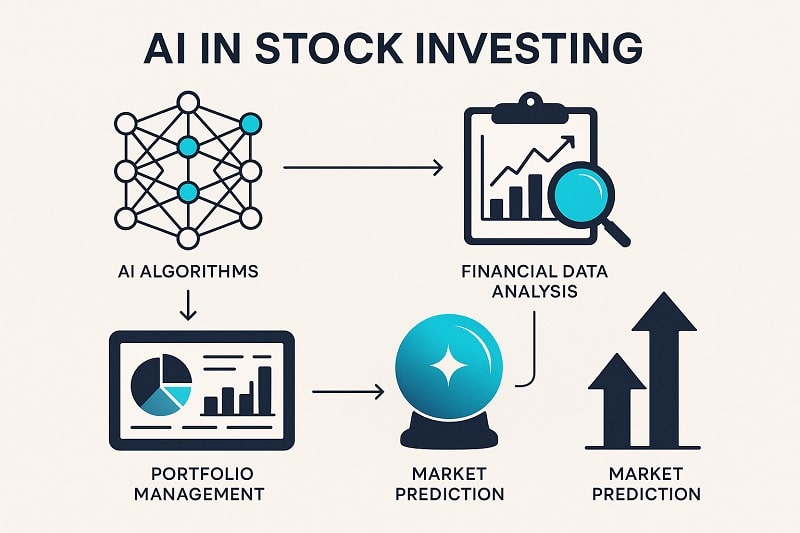
Artificial intelligence is swiftly becoming integral across industries, making it a pivotal focus for investors. The surge in demand for AI-driven solutions within the cloud computing sector is one current trend, with companies like Microsoft leading the charge. AI technologies are not just confined to tech giants, as startups are also carving out their niches, promising innovative solutions and rapid market expansion. This trend is evidenced by the increasing number of AI-focused ETFs, providing diversified portfolios for investors keen on tapping into AI’s growth without betting on individual companies alone.
Cloud services leveraging AI are major growth drivers, pushing the market toward unprecedented levels. Companies are investing heavily in AI technologies to enhance product offerings and customer experiences, directly translating into increased revenue. As AI technologies continue to mature, their applications become more sophisticated, fostering an environment ripe for investment. Investors should watch for companies that successfully integrate AI into their operations, as these are likely to see considerable growth.
Moreover, the AI industry’s advances in natural language processing and machine learning are reshaping sectors such as healthcare, finance, and transportation. These technological trends underscore the importance of timely investment analysis, as the AI market is both volatile and promising. Ratings and analyses of AI companies can guide potential investors, helping them to discern market leaders from fleeting trends. By staying informed about AI’s latest developments, investors can position themselves to reap significant benefits from this rapidly advancing field.
Challenges and Opportunities in AI Stocks
Investing in AI stocks presents a plethora of opportunities, but it’s not without its challenges. One of the main barriers is the rapidly evolving nature of AI technology itself. Investors face the challenge of staying ahead of these changes to capitalize on potential gains. The market is highly competitive, with companies vying to create the most advanced technologies, which can make stock choices overwhelming without thorough information and analysis.
However, this challenge also presents a unique opportunity. The industry’s inherent dynamism means there’s room for disruptive newcomers alongside established giants like Microsoft. Investors with a keen eye for technological trend analysis can identify promising startups before they become household names. The key is understanding the market landscape and recognizing which companies have the potential to generate substantial revenue growth through innovative AI applications.
Another challenge is the regulatory landscape surrounding AI technologies. As AI becomes more integrated into daily operations across industries, governments worldwide are enacting new regulations to ensure ethical usage and privacy protection. Investors must factor these regulations into their strategies, as they can influence a company’s growth trajectory. Despite these hurdles, the opportunities are vast. Strategic investments in AI stocks can yield significant returns, especially for those who can navigate the industry’s complexities.
The AI service sector is another booming area offering substantial investment possibilities. As companies strive to integrate AI solutions, they turn to external providers, propelling growth in AI services. For investors, this indicates a potential investment spot, especially in firms that offer scalable AI solutions. By addressing challenges strategically and seizing opportunities, investors can effectively position themselves within the burgeoning AI industry, turning potential risks into rewarding investment ventures.
Evaluating Top AI Companies for Investment
Diving into the world of AI stocks requires keen evaluation of various companies at the forefront of this technological revolution. While the AI sector promises exponential growth, identifying which companies offer the best opportunities is crucial. By exploring key financial metrics and the long-term growth prospects of major players like Palantir Technologies and Nvidia NVDA, investors can make informed decisions. This analysis will provide insights into rating and share price performance, helping investors navigate the stock market’s complexities and maximize their returns in this innovative industry.
Key Financial Metrics to Consider
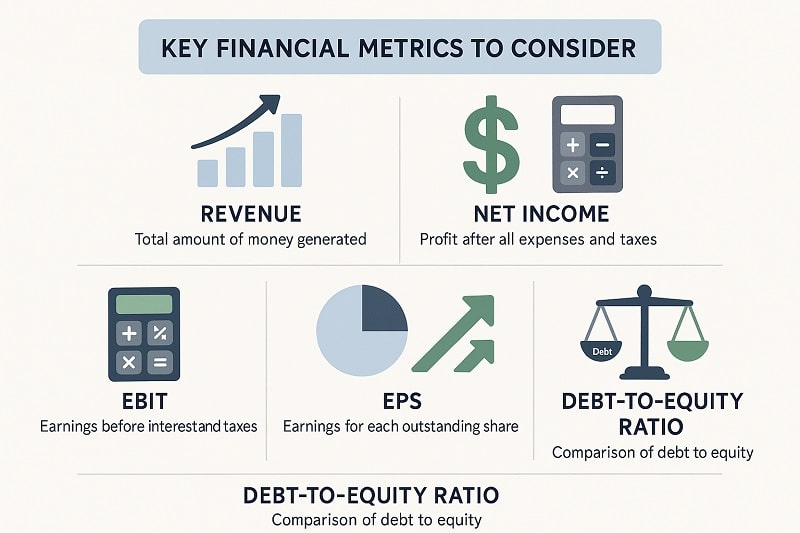
For investors eyeing AI stocks, understanding key financial metrics is essential to make informed decisions. Revenue growth, for instance, is a critical indicator of a company’s ability to expand its market share in this competitive field. Companies like Nvidia NVDA demonstrate strong revenue streams due to their cutting-edge technology integrated into various AI applications. Keep an eye on their revenue to evaluate their growth trajectory and market position. Palantir Technologies also highlights the importance of analyzing revenue in a company expanding AI’s reach into data-driven industries.
When analyzing stock market futures, another metric to consider is the company’s gross margin, which reveals its profitability. A higher gross margin often indicates strong pricing power and effective cost management. Nvidia NVDA, for example, maintains robust gross margins due to its high-value AI-driven products and services. Additionally, the price-to-earnings (P/E) ratio provides insights into whether a company’s stock is over or undervalued compared to its earnings, a vital aspect when deciding to invest.
Furthermore, consider debt levels through the debt-to-equity ratio, as high debt can stifle growth, especially in competitive and rapidly advancing industries like AI. Companies with a balanced ratio, like Oracle, tend to offer more stability, an important consideration in volatile market conditions. Analysts often provide ratings which summarize health based on these metrics, making it easier for investors to compare AI companies.
In sum, evaluating financial metrics such as revenue, gross margins, and debt levels can provide a clearer picture of a company’s financial health and future potential. These metrics serve as building blocks for comprehensive investment analysis, enabling investors to assess AI industry players like Palantir Technologies and Nvidia NVDA effectively. Being equipped with this financial insight positions investors to seize opportunities intelligently, enhancing their ability to manage risks and capitalize on the growing AI sector.
Long-term Growth Prospects
Assessing long-term growth prospects is crucial for investors considering stocks within the AI industry. These prospects can often be discerned through an in-depth analysis of industry trends and individual company strategies. Companies like Palantir Technologies, which focus on artificial intelligence in data analytics, often reveal substantial upside potential due to the increasing relevance of AI in decision-making processes across sectors. As these companies continue to refine their technologies, they position themselves at the vanguard of AI-driven growth.
The evolution of AI technologies, like machine learning and natural language processing, plays a pivotal role in shaping growth prospects. Nvidia NVDA exemplifies this with its development of AI-optimized hardware essential for driving future innovations. As these technologies become indispensable parts of sectors such as healthcare, finance, and automation, companies that supply the necessary tools and systems are poised for significant market expansion.
Additionally, a company’s research and development (R&D) commitments often reflect its long-term growth potential. Higher R&D spending typically indicates strong future-focused strategies. Oracle’s continuous investments in AI cloud computing services underscore its growth initiatives in the tech market. Furthermore, strategic partnerships and acquisitions in the AI space can accelerate growth and aid market penetration. For instance, collaborations between tech giants and startups can fast-track innovation, presenting lucrative opportunities for investors.
Considering the broader industry scope, external factors like regulatory developments can also impact long-term growth. New policies governing AI’s ethical application and data privacy can alter the landscape, and companies that navigate these effectively, such as Oracle, can maintain competitive edges. On the flip side, regulatory hurdles could also inhibit growth, underscoring the need for investors to stay informed about ongoing changes.
In conclusion, understanding long-term growth prospects involves examining a number of factors, including technological innovations, R&D investments, and strategic initiatives within the market. By focusing on these growth drivers, investors can identify promising opportunities in AI stocks. Embracing a comprehensive approach to analysis ensures that investment decisions are not only well-informed but also strategically sound, facilitating robust portfolio growth in the dynamic AI sector.
Market Insights: AI Stocks to Watch
The AI sector presents an evolving landscape filled with tremendous opportunities for investors eyeing growth prospects. Companies such as Nvidia NVDA and Microsoft are driving technological advancements, making their stocks worth watching. However, not all investments in AI promise a smooth journey. Understanding both volatile and stable market trends keeps investors informed while they navigate the complexities of the stock market. Emerging leaders, along with established giants, offer intriguing possibilities for those looking to capitalize on the AI wave. This section delves into notable players and the balance of volatility and stability they bring.
Emerging Leaders in the AI Market
The AI market is brimming with companies that are not just challenging the status quo but are also reshaping the technological landscape. Some of the emerging leaders in this field are those that dabble in cutting-edge technologies and have demonstrated a strong potential for growth. Among these, we have seen companies like Advanced Micro Devices (AMD) and Super Micro gaining traction. They continue to set benchmarks in AI capabilities, effectively changing the market dynamics. These companies, while not yet as massive as Microsoft or Nvidia NVDA, have shown that their innovative approach to integrating AI can lead to sustainable business models and substantial market share gains.
Advanced micro devices have made a significant impact by refining their AI-focused processors, which are now integral components in numerous sectors, from gaming to cloud computing. Their emphasis on research and development has enabled them to enhance performance metrics and adapt quickly to market demands, a critical factor for investors assessing future growth potential. Similarly, Super Micro has carved a niche in providing energy-efficient, high-performance computing technologies tailored for AI applications. Their commitment to green technology aligns well with global sustainability trends, attracting attention from environmentally-conscious investors.
Microsoft is another key player that’s making waves by leveraging its existing cloud infrastructure to provide powerful AI tools. Their Azure AI portfolio exemplifies how traditional tech giants are not resting on their laurels but are instead paving the way for newer innovations. This portfolio enables businesses to implement AI solutions effortlessly, a clear value proposition for companies looking to integrate advanced cognitive services.
For investors, the focus should not only be on the cutting-edge technology these emerging leaders bring but also on their strategic partnerships and market adaptability. Companies like Taiwan Semi, which provide essential hardware components for AI technologies, are crucial links in the supply chain; their strategic importance cannot be overstated. By keeping an eye on these emerging leaders and assessing their market strategies and technological innovations, investors can better position themselves to capitalize on the burgeoning AI sector. Embrace these opportunities to diversify a portfolio with promising, forward-thinking companies ready to shape the industry’s future.
Volatility and Stability in AI Investments
Investing in AI stocks can be both thrilling and daunting due to the inherent volatility within this fast-paced industry. Companies like Nvidia NVDA have experienced fluctuations in their stock price, partially due to market sentiment and fluctuations in the broader tech sector. Understanding these fluctuations is crucial for investors seeking to navigate the stock market with a clear strategy. The stock market often reflects a mixture of speculative excitement and substantial value propositions, explaining the sometimes erratic nature of AI stock prices.
Volatility isn’t always a negative aspect; for tactical investors, it’s an opportunity to buy stocks at lower prices during market dips. Companies such as Nvidia NVDA and Microsoft typically bounce back due to strong fundamentals and continuous innovation, which bolster their stability. Stability in AI investments is often correlated with a company’s capacity to sustain long-term growth, maintaining a stable rating amidst market disruptions. Firms like Broadcom showcase this by ensuring a robust product pipeline, indicating resilience even when the market faces headwinds.
It’s essential for investors to consider a company’s overall market position and financial health. A company like Microsoft, with diversified revenue streams and significant investment in AI, offers more stability than smaller, niche players. Rating agencies frequently underscore the stability offered by companies with a broad scope like Microsoft, making them appealing choices for risk-averse investors.
The role of strategic partnerships and comprehensive market share plays a pivotal part in providing stability against volatility. Taiwan Semi’s collaborations with various tech firms for chip manufacturing are a testament to how alliances can mitigate risks by spreading technology adoption across sectors. Similarly, observing regulatory impacts can also shed light on an investment’s stability. Firms like Nvidia NVDA, which adapt swiftly to regulatory frameworks, often sustain their edge, securing investor confidence.
Ultimately, navigating volatility and stability in AI investments requires an astute understanding of market dynamics and a keen eye for discerning stable prospects amidst turbulence. For those willing to ride the waves of volatility, there exists the potential for impressive returns. However, ensuring a balanced investment strategy that includes a mix of stable giants and promising newcomers is crucial. This approach allows investors to capitalize on short-term opportunities while safeguarding long-term portfolio health in the vibrant AI landscape.

Trading Strategies for AI Tech Stocks
Trading AI tech stocks can be incredibly lucrative, but it’s pivotal to navigate the complex landscape with strategic insights. While AI stocks attract investors due to growth opportunities, they also bring inherent risks. To maximize returns, understanding trading strategies is integral. This involves assessing risk management techniques and leveraging AI trends to identify promising stocks. As AI technologies evolve rapidly, staying updated on market dynamics is crucial for informed investment decisions. By strategically navigating these avenues, investors can enhance their portfolio’s potential in the swiftly advancing AI sector.
Risk Management in AI Stock Trading
Risk management in AI stock trading plays a fundamental role in optimizing investment outcomes. As an investor, understanding and managing potential risks can significantly impact your returns. The AI sector, encompassing giants like Nvidia NVDA and startups, is marked by rapid technological advancements and market volatility. This unpredictability necessitates employing robust risk management strategies to safeguard your investments. Diversification is essential, spreading investments across different AI sectors, such as cloud computing and machine learning, to mitigate risk. By investing in various AI technologies, you cushion your portfolio against sector-specific downturns while capitalizing on diverse growth avenues.
Moreover, using stop-loss orders can shield your investments from unexpected market dips. This strategy automatically sells your stocks once they fall to a predetermined price, preventing large losses. For instance, if Nvidia’s stock dips due to a temporary market sentiment shift, a stop-loss can limit your exposure. Pairing stop-loss with detailed market analysis allows you to react swiftly to market trends without heavy losses.
Risk management is incomplete without regular market analysis. Continuous analysis helps understand trends and signals when to buy or sell stocks. Investors should scrutinize AI companies’ revenue growth and market share, assessing their potential for sustained performance. Companies leveraging AI technologies to enhance industrial and consumer products can offer stable investment opportunities. Tracking financial metrics, like gross margins and P/E ratios, provides insights into a company’s profitability and value, guiding educated decisions.
Lastly, aligning your risk tolerance with your investment strategy ensures a balanced approach. Consider the AI sector’s regulatory landscape, which can affect stock performance. Regulations, while posing challenges, also indicate stable operational frameworks for forward-thinking companies. By staying informed about these factors, you can position your strategy to capitalize on the AI sector’s vast opportunities. As market conditions continue to shift, agile and informed risk management will be your ally in achieving investment success.
Leveraging AI Trends for Better Gains
Leveraging AI trends effectively can transform your investment strategy, unlocking significant gains in the stock market. The key lies in identifying pivotal AI trends and incorporating them into your investment approach. With AI’s rapid advancements, trends such as cloud AI services, natural language processing, and AI in healthcare are at the forefront. Recognizing these avenues allows investors to tap into burgeoning markets before they become mainstream. For instance, cloud AI services are reshaping how companies operate, with firms like Microsoft at the helm, offering immense potential for growth.
Cognizant of the transformative power of these trends, investors should focus on companies leading AI innovation. Identifying those at the forefront of technological advancements positions your portfolio for growth. Nvidia NVDA’s strides in AI hardware for machine learning reflect the importance of being early adopters. They have been harnessing AI trends by enhancing their products’ capabilities, which in turn attracts a larger market share and increases revenue.
Additionally, strategic foresight can identify complementary markets, expanding the scope for potential gains. As AI technology intersects with different sectors, the possibilities for diversification multiply. Companies like Oracle, investing heavily in AI-powered cloud computing, illustrate the success of leveraging interconnected trends. By integrating such comprehensive market knowledge into trading strategies, investors position themselves to capitalize on curating high-return portfolios.
Investors should also observe mergers, partnerships, and acquisitions within the AI market. These strategic moves can lead to rapid innovation and market expansion, providing a lucrative entry point. Monitoring these industry dynamics offers insights into market sentiment and future directions, helping forecast potential growth trajectories for AI stocks.
Ultimately, the most rewarding investment strategies are built on understanding and integrating market trends with financial health assessments. This multifaceted approach underpins successful AI stock trading, bolstering gains and minimizing uncertainty. By continually aligning your investments with AI trends, you’ll augment your portfolio’s resilience and potential, optimizing returns in this fast-paced, ever-evolving market.
The Role of Alphabet in AI Innovation
Alphabet stands as a titan in the realm of innovation, with its subsidiary Google spearheading technological advancements that significantly impact the global AI landscape. As investors, it’s vital to understand how Alphabet’s commitment to innovation translates into growth opportunities. The company’s focus on developing AI technologies is primarily evident through its extensive work in cloud computing and AI-driven services. Google’s Cloud AI platform is pivotal, integrating AI into various sectors, from retail to healthcare, vastly enhancing operational efficiencies and customer experiences.
Moreover, Alphabet’s expansive reach into data-driven technologies underscores its potential as a lucrative investment opportunity. The company invests heavily in AI research and development, aiming to remain at the forefront of technological breakthroughs. This commitment is reflected in the vast array of services they offer, such as AI-powered analytics and machine learning tools, which drive substantial revenue. For investors, this continuous flow of innovation signifies not just immediate gains but long-term growth potential as these technologies become further embedded across industries.
Investing in Alphabet offers exposure to a diversified portfolio of cutting-edge technologies. Besides tangible AI applications, the company is also delving into emerging fields like autonomous vehicles through its subsidiary, Waymo, and health tech with Verily. These endeavors highlight Alphabet’s strategic approach to innovation, ensuring it stays ahead of market trends and opens new revenue streams. This strategic diversification is an attractive prospect for investors seeking to capitalize on the dynamic AI sector.
Alphabet’s dominance in the AI sector doesn’t merely rest on technological prowess but also on its strategic positioning in the market. The company’s robust cloud infrastructure and data processing capabilities position it as a leader, offering significant advantages to businesses wishing to scale their AI operations. Furthermore, the symbiotic relationship between Alphabet’s different business units can lead to cross-pollination of technologies, fostering an environment ripe with opportunities. As investors, keeping an eye on Alphabet’s continued innovation journey allows for informed decisions, aligning portfolio growth with the future trajectory of AI technology.
Incorporating AI tech stocks into your investment portfolio could be a transformative move, offering the potential for significant growth and robust returns. As AI continues to shape industries with unprecedented innovation, identifying the leaders in this space becomes crucial. By staying informed and focusing on companies at the forefront of AI advancements, you position yourself to capitalize on their successes. Whether you’re new to investing or a seasoned trader, exploring these opportunities could yield substantial benefits. Always perform thorough research and align your investments with your financial goals for optimal outcomes.
FAQs: Best AI Tech Stocks: Best AI Stocks to Watch for Growth and Investment Opportunities
What are some of the top AI stocks to consider for investment?
Nvidia (NVDA) and Microsoft are highlighted as top AI stocks due to their significant technological advancements. AMD, Super Micro, and Alphabet are also noteworthy for their innovative AI solutions and potential growth.
Why is risk management crucial in AI stock investments?
AI stocks come with inherent volatility due to rapid technological changes, making risk management essential. Diversifying investments across AI sectors helps cushion against sector-specific downturns.
How are emerging leaders, like AMD and Super Micro, impacting the AI market?
AMD and Super Micro offer innovative AI solutions that are reshaping market dynamics. Their advanced technologies and market adaptability make them significant players in AI, with promising growth prospects.
What metrics should investors focus on when assessing AI stocks?
Investors should focus on revenue growth, gross margins, and debt levels. These metrics help evaluate financial health and potential growth, guiding smarter investment choices in AI stocks.
How does Alphabet’s innovation strategy impact its investment potential?
Alphabet invests heavily in AI technologies, such as cloud computing and machine learning, offering diverse investment opportunities. Its strategic diversification and innovation position it as a leader with long-term growth potential.