
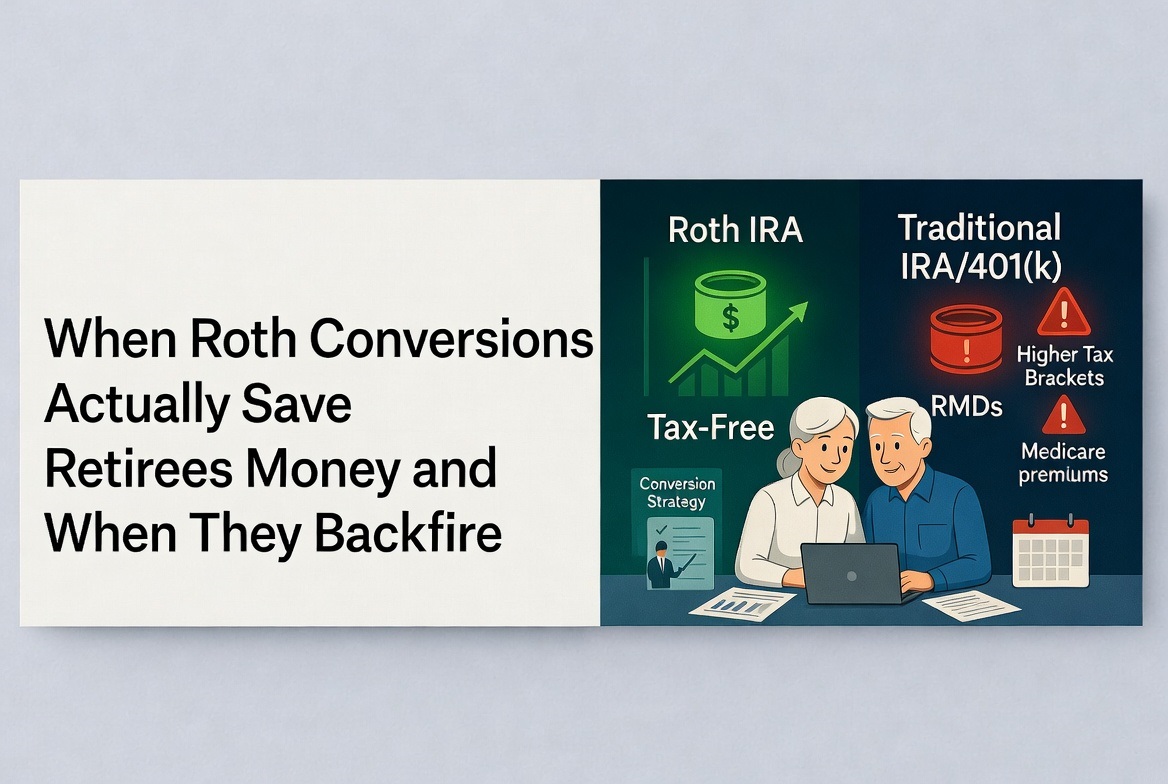
Navigating the complexities of financial planning in retirement can be daunting, especially when deciding if Roth conversions are a smart move. With potential tax savings on one side and costly pitfalls on the other, understanding when these conversions bolster your retirement savings and when they deplete resources is crucial. This insightful guide unpacks scenarios where Roth conversions shine and circumstances where they might backfire, arming retirees with the knowledge needed to make informed financial decisions. Read on to uncover strategic advice tailored for securing a financially sound future, ensuring your retirement nest egg is optimized for maximum benefit.
Brief Overview
Roth conversions can be a powerful tool in retirement planning, offering tax-free growth on investments and reducing future tax liabilities. By converting a traditional IRA to a Roth IRA, retirees can manage their tax burden strategically, especially when anticipating higher taxes in the future. However, poorly timed conversions may push retirees into higher tax brackets or affect eligibility for programs like Medicare. It’s essential to consider your current and future tax brackets and personal financial circumstances to optimize the benefits of Roth conversions. Collaborating with a financial advisor can help align these conversions with your long-term retirement goals.
Key Highlights
- Roth conversions shift funds from traditional IRAs to Roth IRAs for potential tax-free withdrawals.
- Strategic timing can mitigate tax impacts, optimizing retirement income and financial security.
- Poor timing of conversions may increase tax burdens, impacting overall retirement strategies.
- Conversions require upfront tax payments but offer long-term benefits like tax-free growth.
- Consult financial advisors to align Roth conversions with retirement goals and tax laws.
Understanding Roth Conversions in Retirement Planning
Roth conversions represent a pivotal strategy in retirement planning, offering both opportunities and potential pitfalls for retirees. This conversion involves shifting funds from a tax-deferred account like a traditional IRA into a Roth IRA, which can be advantageous for those looking to strategically manage their tax burden in retirement. The decision to execute a Roth conversion often hinges on understanding your current and future tax brackets, and the nuances of conversion taxes. Smart planning ensures wealth preservation, but timing and personal financial circumstances play crucial roles. Below, we explore what a Roth conversion entails and its strategic importance in retirement finance.

What is a Roth Conversion?
A Roth conversion involves transferring assets from a tax-deferred traditional IRA to a Roth IRA, allowing future withdrawals to be tax-free. This process can be strategically beneficial for individuals in retirement by managing tax liabilities. The concept hinges on covering conversion taxes now to potentially avoid them later, especially if you anticipate being in a higher tax bracket during retirement.
Understanding the underlying mechanics is crucial. When converting, taxes are paid on the transferred amount at your current tax rate. This may sound straightforward, but savvy investors must comprehend the timing and potential tax implications fully. The choice of whether to perform a Roth conversion should take into account your current wealth, retirement timeline, and expected tax bracket changes. It’s more than a financial maneuver; it’s about aligning your retirement ambitions with tax sounds.
Furthermore, executing this strategy without an effective plan might inadvertently push you into a higher tax bracket temporarily, making strategic planning indispensable. When done correctly, this important retirement strategy can ensure that your wealth lasts through the retirement years, offering benefits such as tax-free distributions and strategic manipulation of taxable income.
The Strategic Role of IRA Conversion
The strategic role of an IRA conversion in your retirement plan can’t be overstated. Thoughtful execution of Roth conversions can help mitigate conversion taxes, allowing retirees to maximize their assets over time. This strategy begins with evaluating your current tax bracket and weighing it against where you expect to be during retirement. A well-timed conversion could mean paying lower taxes today versus potentially higher ones in the future.
It’s essential to understand that the impact of a Roth conversion extends beyond immediate tax savings; it can significantly influence your long-term financial plan. For example, moving funds to a Roth IRA shields you from required minimum distributions, giving you greater control over your financial decisions in your golden years.
This flexibility is invaluable, especially when considering unexpected expenses or changes in financial circumstances. Investors should consider the potential adjustments in tax policy or personal financial status when timing their conversions. Also, the strategic use of Roth IRAs could complement other retirement income sources by offering a tax-efficient withdrawal method. Investors should carefully examine their comprehensive financial picture , considering all tax implications, before proceeding with a conversion. The overarching goal should be to lower overall tax exposure associated with retirement investments while securing a financially stable future.
Benefits of Roth Conversions for Retirees
Certainly, Roth conversions hold myriad benefits for retirees eager to manage their retirement income proactively. Key advantages include the ability to potentially reduce one’s future tax bill while ensuring tax-free growth on investments in a Roth IRA. With careful financial planning, retirees can use Roth conversions to enhance their retirement income strategies, allowing more control over their financial futures. The ensuing sections delve deeper into how Roth conversions can effectively reduce future tax obligations while impacting financial planning and overall retirement strategies, thereby securing a robust, tax-efficient retirement.
How Roth Conversions Can Reduce Your Future Tax Bill
Roth conversions can be a critical maneuver in mitigating future tax liabilities, particularly for retirees worried about rising tax brackets. By converting a traditional IRA to a Roth IRA, retirees pay taxes on the conversion at their current rate, thereby locking in today’s tax obligation. This approach is especially beneficial if you’re anticipating higher taxes down the line due to policy changes or increases in personal income brackets. Once in a Roth IRA, your funds enjoy tax-free growth, a significant advantage for long-term wealth accumulation. Moreover, tax-free withdrawals from a Roth IRA can further reduce taxable income in retirement, keeping overall tax exposure minimal.
Another compelling aspect is avoiding required minimum distributions (RMDs) imposed on traditional IRAs, which can inflate your tax bill unexpectedly. Roth IRAs do not require RMDs, giving retirees the flexibility to plan withdrawals strategically. This flexibility allows for better alignment of income needs with tax circumstances. When executed thoughtfully, Roth conversions serve to create a tax-efficient withdrawal strategy that stabilizes your retirement income, maximizing financial security in the long haul. It’s this foresight in managing taxes now for tax benefits later that makes Roth conversions an attractive option for retirees focused on tax efficiency. Consider consulting with a financial planner to craft a plan that suits your unique financial circumstances and retirement goals.
The Impact on Retirement Income and Financial Planning
Roth conversions are more than just a tax strategy; they’re a significant component of broader retirement financial planning. By shifting to a Roth IRA, retirees can craft a predictable, tax-free income stream, enhancing their overall financial plan. This dynamic shift in retirement income planning allows for a more robust, diversified approach, blending taxable and non-taxable income sources for optimal financial health. Financial planners often view Roth conversions as pivotal for retirees seeking to align their financial plans with future contingencies, such as increased healthcare expenses or other retirement costs.
In addition to changing the landscape of your retirement finances, successful Roth conversion integrates seamlessly within an individual’s comprehensive financial plan. The absence of RMDs means investors can manage cash flow more strategically, addressing unexpected expenses without worrying about triggering significant taxable events. Furthermore, maintaining a balance between Roth and traditional accounts gives retirees greater flexibility and control over taxable events, essential for effective tax management over a prolonged retirement.
This balance ensures that retirees aren’t reliant solely on one income stream, offering the adaptability to navigate varied financial landscapes. Engaging a trusted financial advisor can provide deeper insight into Roth conversions, helping retirees make informed choices that underpin a resilient retirement strategy. Take charge of your financial future and reap the benefits of thoughtful Roth conversions.
Potential Pitfalls of Roth Conversions
While Roth conversions offer multiple strategic benefits, they also present potential pitfalls that can affect retirees. A poorly timed conversion might increase your tax burden, particularly if it pushes you into a higher tax bracket, affecting your overall retirement strategy. Understanding these risks is crucial to making informed decisions. Beyond taxes, such conversions can impact eligibility for programs like Medicare, serving as a cautionary tale for those looking to optimize their retirement plans. Let’s delve into how these pitfalls manifest and what you can do to avoid them.

When a Roth Conversion Can Increase Your Tax Burden
Roth conversions can inadvertently raise your tax burden if executed without careful consideration. Moving a substantial sum into a Roth IRA in a single year might elevate your taxable income significantly. This increase can push you into a higher tax bracket, leading to paying more taxes than initially planned. The additional income from the conversion becomes part of your adjusted gross income (AGI), creating a ripple effect on other financial obligations.
If your AGI spikes, it can influence the taxes and financial aid you qualify for, including affecting your Medicare premiums, another often-overlooked consequence. Investors should critically assess their current tax bracket, possible future tax rates, and the entire landscape of their retirement planning approach before proceeding.
Timing strategies can mitigate this tax risk by spreading conversions over several years, ensuring that each year’s taxable income increase remains manageable. By planning around these potential pitfalls, you might leverage the benefits of a Roth IRA without unnecessary tax hikes. It’s about finding that balance within your conversion strategy to optimize your financial position while minimizing tax exposure. So, consider consulting with financial advisors to adjust your strategy if it seems that a Roth conversion might burden your finances unexpectedly.
Understanding the Impact on Your Roth IRA and Overall Retirement Strategy
Executing a Roth conversion can significantly impact your Roth IRA and overall retirement strategy, warranting a thorough understanding of the potential implications. When focusing solely on the conversion’s tax benefits, investors may overlook how these conversions align with broader retirement goals. For instance, while Roth IRAs provide future tax-free withdrawals, the initial conversion requires you to pay taxes upfront. The decision impacts your retirement timeline, influencing when you might access funds and how you optimize tax-free growth.
Additionally, converting too much at once might not only disrupt your tax bracket but also affect your strategy for years. The conversion affects your taxable income, which may inadvertently affect eligibility for other programs that retirees rely on, like Medicare. Hence, it’s vital to consider both short-term tax implications and long-term financial goals. Developing a comprehensive investment strategy encapsulates more than just a Roth conversion; it involves understanding the benefits of maintaining varied accounts.
Consulting a financial planner might help streamline this process, ensuring you weigh both immediate and future impacts. Embrace a diversified retirement approach that accounts for unexpected financial needs while ensuring you’ve accounted for taxes effectively. By considering these impacts thoughtfully, you can craft a retirement plan that maximizes benefits while minimizing unforeseen consequences.
Timing and Strategies for Effective Roth Conversions
Roth conversions can be a game-changer for retirement planning when timed and executed with precision. Understanding the optimal timing and strategic considerations are paramount to ensure these conversions work in your favor, enhancing retirement security. Investors need to balance their current tax obligations with future financial needs to optimize their Roth IRA benefits. By aligning Roth conversions with your financial circumstances, you can either save significantly on future taxes or inadvertently increase your current tax bill. Let’s delve into key strategies that help retirees maximize benefits while minimizing potential pitfalls.
Key Considerations Before Converting to a Roth
Before jumping into a Roth conversion, it’s essential to weigh several key considerations to ensure a smoother retirement planning process. Fundamentally, understanding your current tax bracket compared to your anticipated retirement tax bracket is crucial. Roth conversions mean paying taxes upfront at today’s rates, so if you expect to be in a lower bracket during retirement, delaying conversions might be beneficial. On the contrary, converting now could be advantageous if you foresee tax hikes or higher income brackets years down the line. The timing of conversions can effectively enhance your financial security if planned wisely.
Your current wealth and retirement timeline should also influence your decision. Calculating how a conversion will affect your taxable income is a vital step. For instance, converting a large sum in one year might push you into a higher tax bracket, leading to unexpected tax liabilities. Consider spreading the conversion over several years to manage taxable income increases more efficiently. In addition, examine how these conversions could influence your eligibility for government programs like Social Security or Medicare, as an increased taxable income could lead to higher premiums or disqualification from benefits.
Another consideration involves aligning conversions with your overall retirement strategy. Imagine how these Roth IRA conversions will fit into your long-term financial plan. Will delaying taxes now significantly bolster your retirement savings for years to come? Successful planning involves integrating Roth conversions into a broader retirement strategy, ensuring they complement other income sources and investments. Consulting with financial advisors can offer clarity, helping navigate the complexities of tax laws and IRS regulations, ultimately aligning your conversion goals with retirement aspirations. By considering these factors, you’re poised to make informed decisions that safeguard your financial future.
Optimizing the Timing of Roth Conversions to Enhance Benefits
Optimizing the timing of Roth conversions can significantly enhance the benefits, allowing retirees to maximize their wealth while minimizing tax exposure. Timing becomes vital when looking to align your conversions with periods of lower income, such as after retiring but before required minimum distributions (RMDs) kick in. This strategic approach might reduce your taxable income and ensure you remain within a manageable tax bracket. By choosing low-tax years for conversions, the financial impact becomes a well-managed aspect of your retirement strategy.
The impact on tax obligations also hinges on current tax laws and any anticipated changes. Staying informed about potential tax policy changes can offer a strategic advantage. For instance, if there’s a likelihood of future tax hikes, accelerating conversions before these take effect could save substantial taxes over time. By maintaining flexibility and staying proactive in your financial planning, you enhance the potential benefits of Roth conversions. Ensuring that conversions happen at economically favorable times is a key strategy in managing your wealth.
Pacing your conversions to prevent being bumped into higher tax brackets annually means planning years in advance. It allows for spreading the tax liability over several years, ensuring stable financial management. Avoid lump-sum conversions that could inflate your annual income unexpectedly. Look beyond tax implications, too, considering how these conversions integrate with your overall financial goals. The timing, strategically aligned with market trends and your financial needs, plays a crucial role in maintaining a robust Retirement financial plan. Investors are encouraged to work closely with financial advisors to tailor a conversion plan that maximizes their retirement benefits while safeguarding against excessive tax burdens.
When planning for optimized Roth conversions, consider these strategies to ensure a more secure retirement:
- Evaluate your current and projected tax brackets to optimize conversion timing and tax savings.
- Assess the impact of conversions on your Medicare premiums and eligibility for financial aid.
- Consider converting during low-income years or early retirement to minimize tax liabilities.
- Factor in inheritance goals and how conversions might affect heirs’ tax obligations.
- Balance conversions with other income sources to avoid unwanted tax bracket jumps or penalties.
- Use tax-efficient charitable contributions to offset conversion tax impacts.
- Reassess annually to adapt to changes in tax laws or personal financial circumstances.
- These considerations can assist in enhancing the effectiveness of your Roth conversion strategy.
In conclusion, Roth conversions can be a strategic win for retirees, especially when tax rates are favorable and future withdrawals can be minimized. However, they might backfire if conversions are done without considering income thresholds and Medicare surcharges, leading to unexpected costs. It’s crucial to evaluate your long-term tax strategy and work with a financial advisor to tailor decisions that align with your retirement goals. Ultimately, understanding the nuances of Roth conversions can ensure a more predictable and tax-efficient retirement. Consult with an advisor today to explore if a Roth conversion suits your financial landscape.
FAQ: When Roth Conversions Actually Save Retirees Money
What is a Roth conversion, and why might it be beneficial for retirees?
A Roth conversion involves shifting funds from a traditional IRA to a Roth IRA, allowing future withdrawals to be tax-free. This can benefit retirees by managing tax liabilities strategically and reducing the impact of future tax hikes.
How do tax liabilities impact Roth conversions?
When you perform a Roth conversion, taxes are paid on the converted amount at your current tax rate. Understanding your current and future tax brackets helps determine if a conversion will minimize or increase your tax burden over time.
When is the ideal time to perform a Roth conversion?
The ideal time often includes lower income years, like early in retirement before required minimum distributions. Anticipating future tax increases or income spikes can also influence timing decisions.
What are the potential downsides of a poorly timed Roth conversion?
Poor timing can lead to a higher immediate tax burden, affecting eligibility for programs like Medicare, and pushing you into higher tax brackets unexpectedly. This can create unforeseen financial issues.
Why should you consult a financial advisor before performing a Roth conversion?
A financial advisor can help tailor Roth conversions to align with your financial goals, ensuring you avoid pitfalls like unwarranted tax increases and eligibility issues with programs like Medicare.