
Discover the common payroll mistakes that can silently erode your hard-earned income. Many employees remain unaware of how simple errors in paycheck calculations could impact their finances significantly. In this comprehensive guide, we’ll dissect the sneaky payroll pitfalls to watch out for, ensure you’re not shortchanged, and equip you with the knowledge needed to safeguard your paycheck. Whether you’re an employee or an HR professional, understanding these payroll intricacies is crucial. Let’s dive into the world of payroll checks and unveil what every worker must know to protect their wages effectively.
Brief Overview
Payroll errors can have serious impacts on both businesses and employees, leading to financial strain and reduced morale. Common causes include human error, outdated systems, and compliance issues, all of which highlight the need for robust payroll management and regular updates. To prevent these errors, businesses should invest in advanced payroll technologies, provide continuous training for staff, and conduct regular audits. Addressing payroll mistakes promptly and aligning with legal regulations not only maintains trust with employees but also assures investors of competent management, enhancing overall business credibility and stability.
Key Highlights
- Human error, outdated systems, and compliance issues are common causes of payroll mistakes.
- Payroll errors affect employee morale and company financials, increasing administrative costs and turnover rates.
- Advanced payroll systems and self-service platforms help minimize errors and enhance operational efficiency.
- Legal adherence is crucial in correcting payroll mistakes to avoid penalties and bolster investor confidence.
- Proactive strategies, like automation and regular audits, prevent payroll errors and ensure long-term financial stability.
Understanding Payroll Mistakes and Their Impact
Payroll mistakes can have significant ramifications for both businesses and employees. Mistakes in payroll not only lead to financial stress but can also affect the overall morale and efficiency within an organization. By examining common causes of payroll errors, businesses can take proactive steps to safeguard against these issues. Furthermore, recognizing how these mistakes impact financial and operational aspects aids investors in making informed decisions. Exploring the consequences of payroll errors provides clarity on the importance of payroll accuracy and underlines the necessity for stringent management systems.
Common Causes of Payroll Mistakes
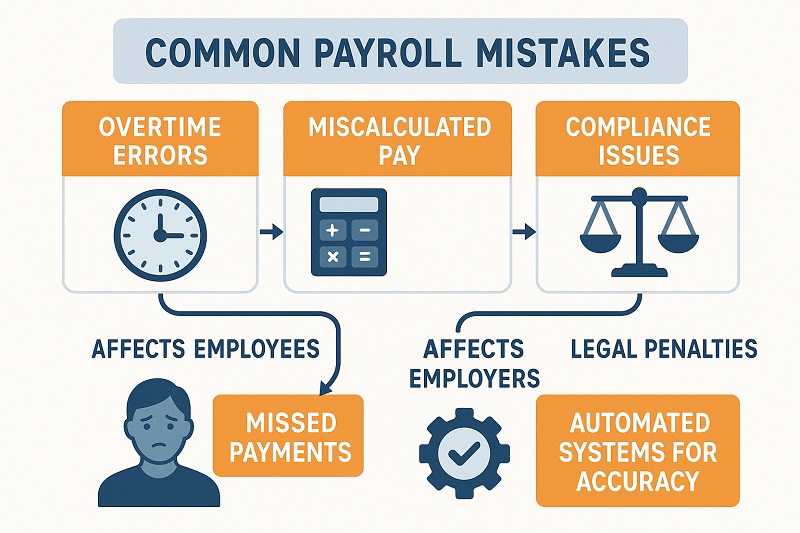
The prevalence of payroll mistakes in businesses can be attributed to several factors, each bearing a unique impact on both personal finance and company operations. One of the most common causes is human error, miscalculations in overtime, deductions, or bonuses due to manual data entry or oversight can result in significant discrepancies on payroll checks. Such errors often arise from outdated systems or insufficient training of payroll staff, which underscores the critical need for ongoing education and technology updates. Payroll systems should be continuously reviewed and updated to prevent these mistakes from compounding financial stress on employees and businesses alike.
Another major contributor to payroll errors is compliance issues. Tax regulations, labor laws, and wage provisions are subject to frequent changes, and failing to keep up can result in incorrect tax withholdings or unpaid wages, often leading to costly penalties. It’s essential for businesses to stay informed about these legal requirements to ensure payroll accuracy. Regular audits and consulting with payroll experts can also mitigate such risks, offering a safety net against potential mistakes that could affect employee satisfaction and business credibility.
Lastly, technical glitches can’t be overlooked. Payroll processing involves intricate software operations, and any system downtime or malfunction can cause delays or errors. As an investor, ensuring that businesses invest in reliable, robust payroll systems is paramount. This helps not only in preventing paycheck errors but also in fostering a culture of reliability and trust. Ultimately, by addressing these common causes proactively, businesses safeguard themselves against the adverse impacts these payroll mistakes could yield, thus preserving both employee loyalty and investor confidence.
Based on the discussion of common causes of payroll mistakes, it’s essential to consider effective prevention strategies. Here are key methods businesses can employ to minimize these errors:
- Implement automated payroll systems to reduce manual errors and increase processing speed.
- Conduct regular training sessions for employees responsible for payroll to ensure they are up-to-date with the latest regulations and software usage.
- Establish a system of checks and balances by involving multiple personnel in the payroll process to verify calculations and entries.
- Regularly audit payroll processes and records to identify and correct discrepancies promptly.
- Create clear and consistent policies regarding overtime, benefits, and deductions to prevent misunderstandings.
Note each solution’s potential benefits; they are vital for maintaining financial accuracy and company trust.
How Payroll Mistakes Affect Businesses and Employees
Payroll mistakes can deal a heavy blow to both business operations and employee morale. For businesses, these errors often translate into significant financial repercussions. Incorrectly processed payroll can lead to overpayments or underpayments, directly affecting the company’s bottom line. Resolving these mistakes typically incurs additional administrative costs and resources, thereby affecting overall productivity and employee cost management. In a competitive market, such inefficiencies might also influence investor sentiments, as they observe how well a business manages organizational costs and employee satisfaction.
From the employees’ perspective, payroll errors can stress personal finance, leaving them frustrated and less engaged. Unpaid wages or incorrect deductions reduce not only their disposable income but also their motivation at work. As an investor, one should recognize that consistent payroll errors can lead to decreased loyalty and an increase in employee turnover, thereby jeopardizing the business’s ability to retain skilled labor.
Moreover, repeated payroll mistakes could harmlessly tarnish a business’s reputation. News of mishandled paychecks might discourage potential new hires and damage existing employee relationships, while also sparking concerns among stakeholders about the company’s operational efficiency. Addressing these issues promptly is vital. Businesses must adopt robust systems to track and resolve payroll errors swiftly, ensuring compliance, and providing reassurance to employees and investors alike. In doing so, they not only prevent potential conflicts but also enhance the organizational environment, which could attract more investors seeking well-managed companies.
Identifying Payroll Errors in Your Business
Identifying payroll errors early can help mitigate financial losses and protect the credibility of any business. Errors in payroll can significantly impact employee satisfaction and overall business operations, making the process of detection and prevention a valuable investment. From spotting discrepancies to implementing robust tools, understanding these aspects is crucial for maintaining payroll accuracy and ensuring a seamless business workflow. Whether you’re an investor keen on operational efficiency or a manager striving for payroll perfection, these insights are essential to preserving both financial health and employee morale.
Signs of a Payroll Error and How to Spot Them
Recognizing signs of payroll errors is critical to maintaining the financial health of a business and ensuring employee satisfaction. One of the first red flags of a payroll error is when employees begin to report discrepancies in their paychecks, whether it’s through underpayments or inconsistencies in overtime pay. As an investor, spotting these signs can be indicative of larger systemic issues that might affect the company’s long-term viability. Such errors highlight the necessity for a meticulous review of payroll documents and frequent cross-checking against employee work hours and contracts. It’s also crucial that businesses have a clear communication channel through which employees can quickly report any payroll errors they notice, allowing for timely corrections.
Payroll errors can stem from compliance oversights, which might not be immediately evident but could lead to significant consequences like fines or legal action. Frequent changes in tax laws or labor regulations mean businesses must stay updated to avoid such payroll mistakes. An investor should watch for signs like unexpected expenses related to penalties or compliance errors, as they reflect the company’s ability to manage its payroll effectively. Regular audits and consulting with payroll experts can mitigate these risks, offering a layer of assurance about the company’s proactive approach to problem-solving.
Another sign of potential payroll issues is high employee turnover or dissatisfaction, often reflecting recurring errors or lack of proper communication. Any sudden rise in such turnover should raise concerns for potential inaccuracies within payroll systems. As an investor, this is a critical factor since it could affect productivity, increase hiring costs, and ultimately impact the company’s profitability. Investing in robust payroll error detection systems or employee training programs might come at a cost, but the long-term savings and improvement in employee satisfaction often justify the investment. By focusing on these signs and taking proactive steps, investors can ensure the company’s operational integrity and long-term stakeholder value.
Tools and Techniques to Prevent Payroll Errors
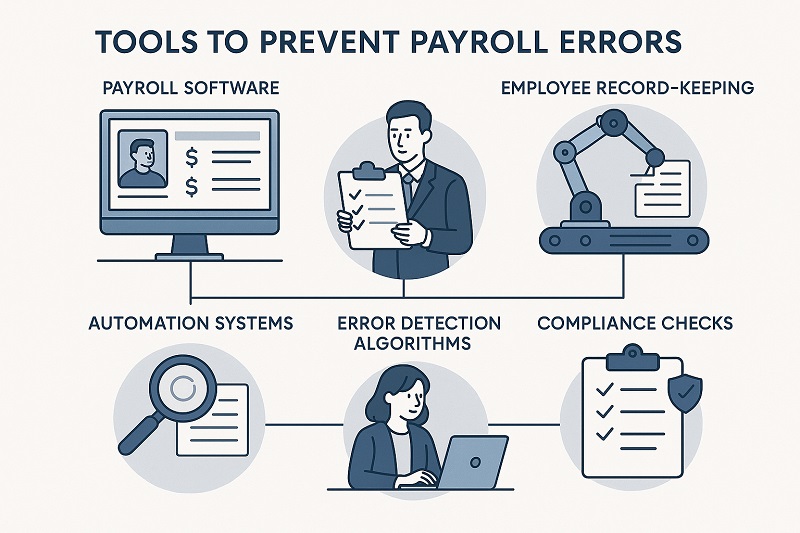
Preventing payroll errors in a business isn’t just about safeguarding financial resources but maintaining overall trust and morale within the company. Utilizing advanced payroll systems and software is one of the most effective ways to minimize errors. Payroll calculators, for instance, can automate many processes, reducing the likelihood of human error in pay calculations. These systems often come with built-in compliance checks which update automatically with any changes in tax laws or payroll legislation. This ensures that businesses can quickly adapt without the risk of non-compliance or resulting penalties. For investors, businesses equipped with such technologies signal strong operational management, reducing their risk and increasing appeal.
Employee self-service platforms are another innovative tool in making payroll error prevention a joint effort between employers and employees. Allowing employees to access their payroll information directly adds an additional layer of verification, reducing the possibility of unnoticed errors. Empowering employees to manage their own payroll details through such self-service systems can streamline error detection and facilitate quicker resolutions. As an investor, supporting companies that invest in such technologies can be a marker of good HR practices and forward-thinking management, likely resulting in long-term financial stability.
Training plays a vital role in ensuring payroll accuracy and preventing common payroll errors. Regular training sessions for payroll staff on the latest software tools, compliance requirements, and error management can significantly reduce the frequency of mistakes. Developing an in-depth understanding of payroll processes through comprehensive training can enhance the efficiency of existing systems and the competency of the workforce. By advocating for such training initiatives, investors and business leaders can bolster a company’s strategy for handling payroll efficiently. The synergy of systematic tools, techniques, and a well-informed team offers a foolproof method against payroll errors, ultimately enhancing both business credibility and employee satisfaction.
Addressing Payroll Errors Efficiently
For investors and businesses alike, addressing payroll errors promptly is essential to safeguard financial stability and uphold employee trust. This section explores practical strategies for correcting payroll mistakes quickly and delves into the legal landscape surrounding payroll errors. With efficient resolution processes and compliance awareness, businesses can minimize the impact of payroll errors, ensuring both operational integrity and employee morale. Understanding detailed steps in rectifying payroll errors and adhering to legal obligations helps create a robust framework for proactive error management, which is paramount for preserving investor confidence and business credibility.
Steps to Correct a Payroll Error Quickly
Efficiently rectifying payroll errors requires a structured approach that prioritizes transparency and communication. The first step is to acknowledge the error and inform the affected employee promptly. Open communication demonstrates accountability and helps maintain trust between employer and employee. It’s essential to review the payroll system logs meticulously to identify the root cause of the payroll error. Whether it’s due to a manual miscalculation, software glitch, or compliance oversight, understanding the source is crucial for preventing future errors. This process not only resolves the current issue but also enhances system reliability, a factor that can reassure investors regarding the company’s operational competency.
Moreover, involving the affected employee in the correction process can be beneficial. Providing them with access to their payroll records and explaining the corrective steps not only empowers employees but mitigates further misunderstandings. This transparency is pivotal in maintaining employee satisfaction and trust, which can significantly influence investor perceptions. Another critical step is to assess any potential tax implications or compliance issues that might arise from the error. Correcting the mistake internally is one thing, but businesses must also ensure that all external reporting, such as tax statements, reflects these adjustments accurately to avoid legal repercussions.
Expediting the correction process by utilizing technology and consultation with payroll experts also positions a company strongly against potential payroll mishaps. Advanced payroll systems can streamline adjustments and assist in real-time error tracking, ensuring swift resolutions. Regular audits and consultations with payroll specialists not only bolster compliance but solidify investor confidence in the business’s financial management practices. Emphasizing a culture of responsibility and precision in payroll management creates an anticipating environment where errors are promptly addressed and resolved, safeguarding both the business’s reputation and employee morale.
Legal Considerations: Fixing a Payroll Mistake
Navigating the legal landscape of payroll errors is crucial for businesses keen to maintain compliance and avoid costly penalties. When a payroll mistake is identified, it’s vital to understand the legal obligations that accompany its correction. At the foundation, federal and state laws mandate timely compensation adjustments for any underpayments. Many jurisdictions also enforce guidelines dictating the timeframe for wage corrections, often aligning with the next payroll cycle. Thus, familiarity with these regulations is necessary to avoid penalties and maintain compliance, which in turn reflects positively on investor interests by showcasing responsible governance.
Beyond immediate employee compensation, correcting payroll errors must also account for tax compliance. Any adjustment in payroll figures necessitates corresponding updates to tax filings to ensure accuracy. Errors in tax withholdings, if uncorrected, can lead to audits or fines that strain both financial resources and corporate credibility. Thorough knowledge of tax legislation related to employment is imperative for businesses to avoid these pitfalls. Additionally, implementing routine audits and engaging with legal experts in payroll matters serves as a proactive measure against compliance breaches, reinforcing investor confidence in the business’s legal prudence.
Another vital legal consideration is maintaining detailed documentation throughout the payroll correction process. In scenarios where disputes arise, comprehensive records strengthen the business’s position by providing evidence of steps taken to address and rectify the issue. This can significantly mitigate risks associated with potential litigation or employee grievance procedures. For investors, businesses that demonstrate legal awareness and preemptively address potential payroll issues reflect a solid commitment to operational excellence and employee relations, increasing their attractiveness as stable and reliable investment opportunities. Overall, addressing payroll errors with a keen understanding of the legal landscape is not just about compliance, it’s about fortifying business credibility and ensuring enduring investor trust.
Proactive Strategies to Avoid Payroll Errors
Ensuring payroll accuracy is critical for maintaining financial stability and employee satisfaction within any business. Implementing proactive strategies can significantly reduce the likelihood of payroll errors, safeguarding both financial resources and company reputation. By focusing on best practices, embracing technology, and fostering continuous employee engagement, companies can effectively manage payroll concerns. This proactive approach not only prevents payroll mistakes but also strengthens investor confidence, showcasing the business’s commitment to efficient management and compliance. By addressing these payroll challenges strategically, businesses can enhance both operational integrity and employee trust.
Implementing Payroll Best Practices for Your Business
To avoid payroll errors, implementing best practices in your business is crucial. Understanding these strategies begins with recognizing common payroll mistakes and the importance of payroll accuracy. One effective tactic is automating payroll processes. Automation reduces human error and ensures consistent compliance with tax and wage regulations. Businesses should invest in payroll software that updates automatically with changes in tax laws, minimizing the chance of non-compliance or incorrect deductions. This move not only enhances accuracy but also saves on potential penalties associated with payroll errors, providing a favorable impression for investors.
Moreover, comprehensive training for payroll personnel is essential. Employees should be well-versed in the latest payroll technologies and legal requirements to prevent errors. Regular workshops and training seminars can keep the payroll team updated on compliance issues and effective payroll management strategies. A well-trained payroll staff ensures swift identification and resolution of errors, maintaining the trust of employees and avoiding costly financial mistakes that could impact the company’s bottom line. For investors, a skilled workforce dedicated to payroll accuracy indicates a business’s commitment to operational excellence.
Employers should also consider implementing a robust audit system. Regular audits allow businesses to spot discrepancies before they escalate into significant payroll errors. This proactive strategy involves periodically reviewing payroll records to ensure all information is accurate and compliant with current laws. By understanding and addressing potential payroll mistakes early, businesses demonstrate their dedication to accuracy and accountability. Investors are likely to view such proactive measures as indicators of solid business practices, enhancing their confidence in the company’s long-term financial health and managerial competence. Implementing these best practices can significantly mitigate payroll errors, fostering a positive work environment and ensuring continual investor interest.
Understanding the common paycheck errors can empower you to safeguard your earnings and ensure accuracy in your payroll. By proactively checking your paystubs, staying informed about tax deductions, and communicating effectively with HR, you can avoid potential discrepancies. Remember, knowledge and vigilance are your best tools. By taking these steps, you not only protect your income but also contribute to a smoother payroll process within your organization. If you’re keen to dive deeper, consider downloading our comprehensive payroll guide for additional tips and strategies. Your financial well-being is worth the investment in knowledge and awareness!
FAQ: Paycheck Mistakes Every Worker Should Know
What are some common causes of payroll mistakes?
Human error, outdated systems, and compliance issues are common causes of payroll mistakes. These can lead to financial strain for both businesses and employees.
How can businesses prevent payroll errors effectively?
Businesses can prevent payroll errors by investing in advanced payroll technologies, providing continuous training for staff, and conducting regular audits.
- Review all payroll entries for accuracy.
- Cross-check with employee records.
- Update any compliance-related changes immediately.
What impact do payroll mistakes have on employee morale?
Payroll mistakes can severely affect employee morale, leading to decreased satisfaction and potential increases in turnover. Ensuring accurate payroll helps maintain a positive work environment.
What is the legal importance of correcting payroll mistakes?
Correcting payroll mistakes is crucial for legal adherence, as failing to comply with labor laws and tax requirements can lead to costly penalties and damage to company reputation.
How do payroll systems help in minimizing errors?
Advanced payroll systems and self-service platforms automate processes, reducing human error. They also maintain up-to-date compliance checks, ensuring consistent accuracy and reliability.
Using automated payroll software:
- Reduces manual data entry
- Automatically updates with tax law changes