
If you’re evaluating new opportunities to grow your portfolio, Investment Company of America (ICA) warrants a closer look. With a track record of impressive returns and a robust management team, ICA offers an intriguing option for both seasoned and novice investors. But is it the right choice for you? Our comprehensive analysis delves into the company’s stability, growth potential, and market presence, providing you with essential insights to make an informed decision. Explore whether Investment Company of America aligns with your financial goals and positions you for long-term success in the ever-evolving investment landscape.
Key Highlights
- Investment Company of America offers robust long-term growth through strategic large-cap investments.
- American Funds provide diversified options, emphasizing equity and fixed-income for balanced risk and returns.
- The expense ratio significantly impacts returns, crucial for assessing fund cost-effectiveness.
- Schwab’s tools and insights aid in informed decision-making, enhancing investor confidence.
- Proper fund selection criteria focus on historical performance, expense ratios, and diversification.
Understanding the Investment Company of America
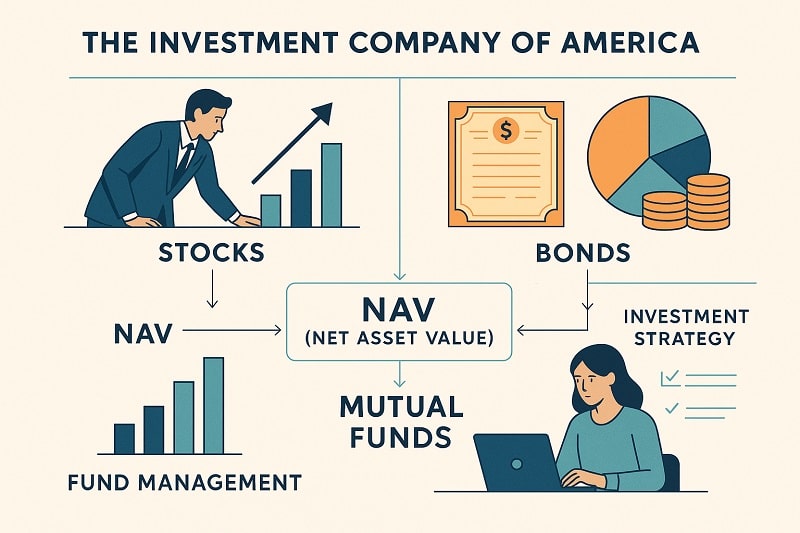
The Investment Company of America stands out in the market due to its robust history and strategic approach to personal investment. This company has carved a niche in capital management by offering investment opportunities with a focus on long-term growth. Investors often see it as a consistent earner, especially with its large-cap mutual funds. By exploring its background and core strategies, investors can gain a better understanding of how this investment company operates. Dive into its history and strategic edge to see why it remains a popular choice for those seeking financial growth and stability.
History and Background
Founded in 1934, the Investment Company of America has a storied past that underscores its commitment to providing sustainable investment solutions. Over the decades, the company has established itself as a reliable player in the realm of mutual funds, drawing the attention of investors seeking steady personal investment growth. Its focus has largely been within large-cap arenas, catering to those who seek both stability and potential in their portfolios. The foundation of the company is built on a deep understanding of financial markets, leveraging this knowledge to create value for its clients in both bullish and bearish conditions.
The company’s roots in the investment market go back to a time when consistent growth was paramount. This enduring legacy helps investors understand the company’s philosophy of long-term planning over short-term speculation, a principle that continues to attract capital from seasoned and novice investors alike. The emphasis on mutual funds has been a strategic decision to offer diverse opportunities, allowing investors to engage in retirement planning with greater confidence. By framing its offerings around personal and large-cap investments, the company continues to demonstrate its commitment to supporting financial security through innovative, yet time-tested methodologies.
This strong historical narrative is not just a marketing talk; it reflects a carefully considered approach to capital preservation and expansion. This not only reassures investors of their current financial strategies but also encourages prospective clients to consider integrating such consistent earners into their investment plans. In embracing both a foundational understanding and dynamic market adaptability, the Investment Company of America remains an esteemed choice among the investor community.
Core Investment Strategies
The core strategic thrust of the Investment Company of America revolves around its adept management of mutual funds, aimed at achieving long-term capital appreciation. At the heart of the strategy is a deliberate focus on large-cap companies. This subset ensures the portfolio is backed by financially robust entities, which are less prone to the volatility often seen in smaller companies. Such an approach naturally aligns with investors’ desire for sustainable growth, particularly among those keen on securing retirement plans through well-regarded mutual funds.
Notably, the company employs a diversified approach to personal investment, ensuring that capital is allocated across various sectors to mitigate risk. This diversification not only safeguards the investors’ interests during economic downturns but also maximizes potential returns in prosperous times. By strategically balancing risk and reward, the company aligns itself as a consistent performer in the eyes of investors who prioritize stability alongside growth.
Moreover, the firm’s commitment to understanding market dynamics aids in crafting strategies that are responsive to changing fiscal environments. This adaptability secures its place as a reliable choice for investors aiming for long-term financial growth. As they navigate the complexities of capital markets, investors are drawn to such strategies that promise not just consistency but also informed, responsive action to market shifts.
Through this lens of strategic clarity and steadfast commitment to personal growth, the Investment Company of America crafts an investment narrative that appeals to forward-thinking investors. Engaging with their methodologies offers a compelling blueprint for achieving financial objectives, enhancing investor confidence in an ever-evolving market landscape.
The Role of American Funds within the Portfolio
The inclusion of American Funds in a portfolio can significantly enhance long-term growth potential and stability. With their vast range of options, including mutual funds focused on large-cap equities, American Funds have carved their place in many investors’ strategic plans. By diving into their fundamental attributes and examining performance metrics, investors can better understand the crucial role they play. This assessment helps align investment choices with financial goals, making American Funds a cornerstone for those seeking sustained personal and income growth amidst dynamic market conditions.
Fundamental Insights into American Funds
American Funds have long been regarded as a robust choice for investors aiming to build a diversified portfolio. These funds are backed by the American Funds group, a highly reputable name recognized for its commitment to high-quality, active fund management. The company’s strategic focus lies predominantly in mutual funds, emphasizing equity and fixed-income investing. This dual approach ensures investors can achieve a balanced risk-return profile, effectively dealing with income needs, and market uncertainties.
An essential aspect of the American Funds’ strategy is their meticulous research and development of comprehensive fund portfolios. They analyze both global and domestic markets, focusing on long-term sustainability and growth. Such a strategic approach has seen American Funds consistently outperform counterparts in various market cycles, offering investors appealing annual returns. This historical strength is particularly alluring for those who value consistent earners as part of their financial security.
Moreover, American Funds often allocate investments in established large-cap companies, which provide a stable foundation in any portfolio. This focus ensures a steady flow of income while reducing volatility associated with smaller, riskier companies. This deliberate choice aligns well with investors who prioritize income growth without incurring significant risks. The wealth generated through thoughtfully selected American Funds forms a crucial part of any strategic investment plan, providing balance, growth, and reassurance over time. For savvy investors looking at historical data, these funds represent a chance to secure reliable and rewarding investment outcomes.
Performance Metrics and Historical Data
Evaluating the performance metrics of American Funds offers investors valuable insights into their potential investment returns and associated risks. Historically, these funds boast solid returns, often outperforming benchmark indices while maintaining competitive management fees. Key performance metrics include annual returns, risk-adjusted performance, and historical volatility, each shedding light on the funds’ effectiveness. Ballasting an investment strategy with such data empowers investors to align their portfolios with long-term financial aspirations.
American Funds typically maintain a well-regarded status for offering stable and attractive returns. The historical data underscores their resilience across various economic cycles, a critical factor for investors eyeing consistent, long-term income streams. Their ability to weather market downturns, due to the diverse and balanced nature of their investments, ensures that investors can safeguard their capital while still enjoying growth opportunities.
Another compelling aspect linked to the performance of American Funds is their adaptive management style. Fund managers actively engage with market dynamics, making timely and informed decisions, a feature that enhances the funds’ performance metrics. This proactive approach resonates well among investors who appreciate the balance of risk and reward managed through vigilance and market understanding. Consequently, American Funds continue to be a trusted choice for those invested in nurturing sustainable growth through comprehensive, data-driven investing practices.
Evaluating the Expense Ratio: Cost Implications for Investors
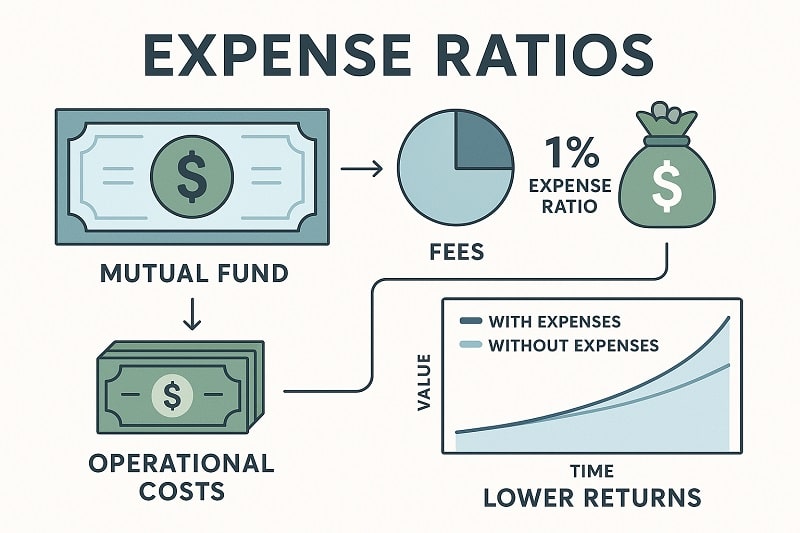
Understanding the expense ratio is crucial for investors assessing the true cost of mutual funds like those managed by the Investment Company of America. Investors need to consider how these costs impact investment returns over time. The expense ratio represents the annual fees expressed as a percentage of the fund’s assets, and its implications are far-reaching. By evaluating this ratio alongside other expense indicators, investors can make informed decisions about where to allocate capital for maximum growth. Let’s explore how the expense ratio affects returns and how it compares across different funds.
How the Expense Ratio Affects Investment Returns
The expense ratio directly impacts investment returns, serving as a critical factor in the overall cost of maintaining the portfolio. For investors, the expense ratio represents a percentage subtracted from fund assets annually, covering management, administrative, and other operational costs. Due to its recurrent nature, even a small difference in the expense ratio can lead to substantial differences in investment returns over the long term. A higher expense ratio means a larger chunk of potential returns is siphoned off to cover expenses, which diminishes the actual gains observed by investors. For instance, a 1% expense ratio in a fund with considerable assets under management might sound trivial but can shave off thousands from potential earnings, especially in mutual funds where growth compounds over many years.
Investors must weigh these costs against the performance of the fund to determine its cost-effectiveness. In doing so, understanding the balance between expenses and returns helps in evaluating if you’re paying too much for too little service. It’s crucial for investors to assess whether the expense ratio is justified by the fund’s historical performance and its ability to outperform the market or manage risk effectively. The balance between cost and quality of fund management is paramount. So, evaluating the expense ratio becomes not just about cost, but about value, giving insight into whether the financial outlay aligns with investment goals. A smart approach involves comparing expense ratios across similar funds, thus understanding the metrics to identify high-performing funds that justify their costs, enhancing real investment returns.
Comparative Analysis with Other Funds
Conducting a comparative analysis of the expense ratio across different funds is a decisive step in effective investing. This comparative insight allows investors to benchmark the Investment Company of America against other funds and recognize where it stands in terms of cost efficiency. Some funds might boast lower expense ratios, yet their investment returns don’t justify the cost savings. It’s crucial to evaluate if a fund’s higher expense ratio corresponds to enhanced management quality or better strategic positioning in the market.
When comparing, it is essential to look beyond just the numbers. Investors should investigate how much of the expense ratio is allocated to active management versus passive index tracking. Funds actively managed justify higher ratios if their managers consistently deliver returns exceeding the broader market, presenting a worthwhile investment. On the other hand, if the expense ratio primarily covers marketing costs with little attention to investing expertise or market analysis, you might be wasting your capital.
Furthermore, the comparative analysis sheds light on the strategic focus and diversification offered by different funds. For seasoned investors, this analysis can highlight funds that not only align with personal financial goals but also demonstrate dynamic responses to market changes. Historical data can be a goldmine for spotting patterns or predicting potential performance, ensuring the investment aligns with capital appreciation goals. Ultimately, this analysis guarantees a robust decision-making process, ensuring your capital is both growing and protected in the most cost-efficient way possible, without unnecessary financial burdens.
Exploring Funds Investment Opportunities
Exploring funds investment opportunities reveals how pivotal selecting the right funds can be as investors seek to balance risk and reward for steady returns. Understanding the essential criteria for picking funds enables maximizing long-term growth and achieving financial goals. Investors often look for consistent earners among funds that also offer strong retirement prospects and align with personal financial strategies. This process requires careful evaluation of each fund’s potential performance, associated costs, and alignment with personal investment objectives. Such prudent investing decisions can unlock substantial financial benefits over time.
Criteria for Selecting the Right Funds
Choosing the right funds begins with a clear understanding of your financial objectives. Whether you’re investing for retirement, seeking immediate income, or aiming for capital appreciation, the criteria for selecting funds remains critical. Initially, investors should assess a fund’s historical performance. While past performance doesn’t guarantee future success, it serves as a valuable indicator of the fund’s capability to navigate market fluctuations. Focusing on funds that are known for being consistent earners can enhance stability in your investment portfolio, especially when economic conditions are volatile.
Besides performance, examining the fund’s expense ratio is essential. Low-cost funds might appeal due to their minimal fees, but investors must ensure these savings do not compromise the quality of management or strategic investment decisions. Experienced fund managers and their track records often reflect the fund’s ability to perform and justify any additional costs associated with active management. Understanding the balance between cost and potential returns is crucial, letting you make informed decisions that align with your personal financial goals.
Additionally, diversification within a fund can help minimize risks. Funds that spread investments across various sectors or geographic locations reduce dependency on a single market’s performance. This diversified approach protects capital during downturns while maximizing returns during market upswings. As you evaluate the fund options, prioritize the ones that incorporate a broad spectrum of industries and regions, aligning with your risk tolerance and expected returns.
Lastly, your personal investing timeline and risk appetite should guide your decisions. Aggressive growth funds might appeal if you’re comfortable with market volatility, whereas stable, income-oriented funds suit those nearing or in retirement. Personal alignment with the fund’s philosophy and strategy ensures stronger congruence with your long-term financial plans. This meticulous and personal approach to selecting funds can sculpt a portfolio that stands resilient against economic pressures, while simultaneously capitalizing on growth opportunities.
The Influence of Schwab in Investors’ Decision-Making
Charles Schwab, a titanic presence in the financial world, plays a pivotal role in shaping investors’ decision-making processes, particularly when it comes to retirement planning and financial stability. Schwab’s comprehensive offerings and user-friendly platforms provide investors with critical resources and insights. These tools aid in making informed decisions, whether navigating the intricacies of financial markets or strategizing retirement investments.
Investors value Schwab for its focus on empowering individuals with financial education, underscoring the importance of informed decision-making in the investment realm. With an array of investment opportunities and retirement solutions, Schwab ensures that investors can tailor their strategies to align with personal financial goals. Its commitment to transparent financial advising is uncompromised, providing clarity and confidence to both seasoned and novice investors.
Additionally, Schwab’s robust research capabilities offer in-depth analysis and market insights, helping investors identify potential growth areas while mitigating risks, critical factors when venturing into large-cap mutual funds or considering retirement avenues. The influence of Schwab is significant as it fosters a culture of careful analysis and well-considered decisions, essential for financial success.
Ultimately, for investors seeking sustainable growth and secure retirement outcomes, Schwab remains an instrumental partner. Its proactive approach and dedication to investor education make it not just a service provider but a trusted guide in the journey toward financial independence. Whether evaluating new opportunities or optimizing existing investment plans, investors continue to rely on Schwab’s expertise to achieve desirable financial outcomes.
Considering the dynamic market landscape, Investment Company of America offers a robust platform catering to investors seeking diverse portfolios. Their commitment to stable returns and strategic growth positions them well for long-term investment. Leveraging expert insights, they provide a reliable path for both new and seasoned investors aiming for financial security. Evaluate your investment goals and risk tolerance, and consider a consultation to explore tailored opportunities. With the right strategy, investing with them could potentially enhance your financial journey. Ready to invest? Reach out today to discover how their services can align with your financial goals.
FAQ: Is Investment Company of America a Good Investment?
What makes Investment Company of America (ICA) an attractive option for investors?
ICA boasts a track record of impressive returns and a robust management team, making it appealing for both seasoned and novice investors. Its focus on strategic large-cap investments positions it as a reliable choice for long-term growth.
How does Investment Company of America ensure stability in its investment strategy?
The company emphasizes diversification within its mutual funds, allocating capital across various sectors to mitigate risks. This ensures the protection of investors’ interests during economic downturns while maximizing potential returns in prosperous times.
What is the significance of an expense ratio when evaluating mutual funds?
The expense ratio impacts investment returns by representing annual fees expressed as a percentage of the fund’s assets. Understanding this cost element helps investors evaluate the cost-effectiveness of a fund and its impact on returns over time.
How can Schwab’s tools and insights benefit investors?
Schwab provides comprehensive resources, user-friendly platforms, and in-depth research capabilities, empowering investors to make informed decisions, particularly in retirement planning and strategizing investments aligned with personal financial goals.
Why is selecting the right mutual funds critical for investors?
Choosing appropriate mutual funds is pivotal in balancing risk and reward. Evaluating historical performance, expense ratios, and diversification opportunities can help investors align their portfolios with long-term financial goals and achieve consistent returns.