

Navigating the volatile markets of 2026 demands a skillful approach to rebalancing your investment portfolio. As an investor, ensuring your assets are aligned with your goals is crucial for maintaining financial health. Start strong by embracing tried-and-tested strategies tailored for this dynamic year. This guide equips you with insightful tips to declutter your portfolio and optimize returns, setting the stage for prosperous investment endeavors. Don’t miss out on expert advice that makes rebalancing both effective and straightforward. Discover how to recalibrate your financial future and ensure your portfolio remains robust amidst changing market conditions.
Key Highlights
- Rebalancing aligns your portfolio with goals, stabilizing amidst 2026’s market volatility.
- Annual rebalancing prevents risky asset drifts, ensuring strategic stability.
- Index funds simplify diversification, offering low-cost, broad market exposure.
- Adapting to market trends optimizes asset allocation, enhancing growth potential.
- Consistent investing practices safeguard against emotional decisions, boosting long-term gains.
Understanding the Importance of Rebalancing in 2026
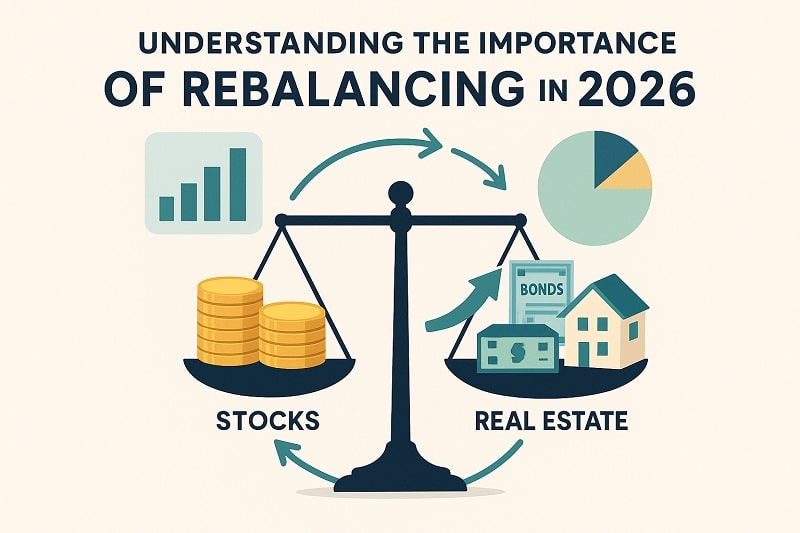
Rebalancing your portfolio in 2026 is essential to maintaining alignment with your investment goals amidst changing market dynamics. With frequent market fluctuations, your asset allocation may drift from its original target, potentially increasing risk or reducing returns. Focusing on rebalancing ensures your investment portfolio remains in line with your risk tolerance and strategic objectives. As an investor, understanding the significance of portfolio rebalancing can lead to informed decisions, helping you start strong and manage capital more effectively throughout 2026. Let’s delve into why annual rebalancing and beginning this practice in 2026 is particularly beneficial.
Why Rebalance Your Portfolio Annually?
The practice of rebalancing your portfolio annually plays a critical role in maintaining an optimal asset mix, providing stability amidst volatile markets. Annual rebalancing helps investors avoid the drift that naturally occurs as asset classes outperform or underperform. This drift can unintentionally skew your asset allocation, tilting it towards riskier investments that can contradict your risk appetite. By committing to an annual schedule, you ensure your investment portfolio reflects your strategic objectives, accounting for shifts in market conditions without impulsive alterations. Investors aiming to start strong with their portfolio rebalancing efforts in 2026 will find that annual adjustments accommodate gradual changes in personal circumstances or financial goals, reducing the need for drastic corrections later.
Furthermore, rebalancing annually allows you to strategically realign with your original targets and keeps your investment practices consistent, ensuring decisions aren’t swayed by momentary market highs or lows. It helps protect against emotional impulses, a common hurdle for many, leading to better long-term performance. As market trends fluctuate throughout 2026, annual rebalancing provides a structured approach that adapts to these changes, preventing your portfolio from diverging significantly from its intended asset allocation. Embracing this practice not only strengthens your portfolio’s resilience but also aids in optimal capital allocation, putting you in a better position to seize emerging opportunities effectively.
Key Reasons to Start Rebalancing in 2026
Starting your portfolio rebalancing efforts in 2026 presents unique opportunities for strategic growth and optimal asset allocation. The investment landscape is evolving rapidly, and beginning your rebalancing journey now positions you to capitalize on shifts in market trends. Rebalancing in 2026 allows investors to align their portfolios with current market conditions, optimizing returns while managing risk. As an investor, initiating the rebalancing process in the current year enables you to start strong by aligning your allocations with 2026 market forecasts, responding proactively to changes rather than reacting passively.
Moreover, as the financial environment becomes increasingly complex, rebalancing becomes an invaluable tool for managing your investment capital. It ensures that your portfolio continuously meets your personal financial goals and adapts to external market conditions. Starting this habit in 2026 could also coincide with new investment opportunities and technologies that can be integrated into your portfolio. Thus, establishing this practice solidifies a disciplined approach to investing, helping stabilize returns over time and making you better prepared for any economic uncertainties.
Additionally, the earlier you begin rebalancing, the more you benefit from compounding gains and manage potential risks effectively. 2026 offers a pivot point to reassess and reinvigorate your portfolio’s asset mix, aligning it with both your long-term objectives and the evolving market dynamics. Thoroughly integrating rebalancing into your investment practices ensures your portfolio is not only resilient but also poised for growth, encouraging a more stable financial future and serving as a roadmap towards achieving your investment goals more reliably.
How to Strategically Diversify Your Portfolio
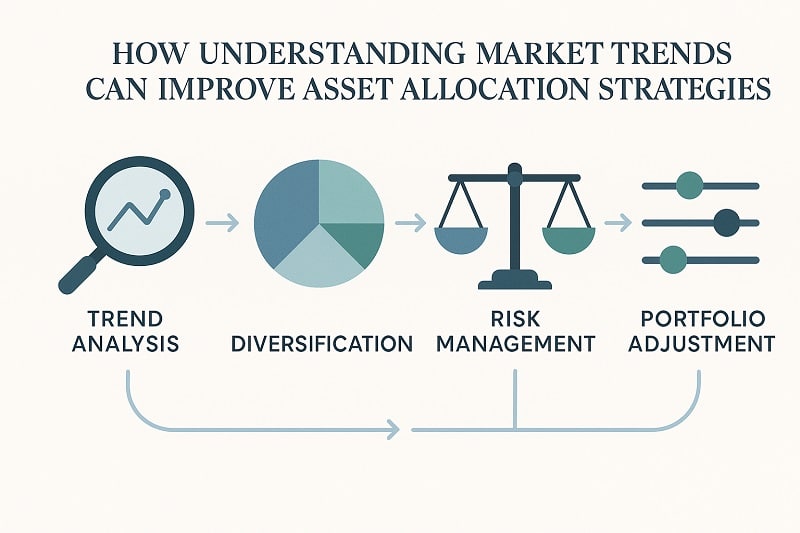
Strategic diversification is key for investors looking to enhance their portfolio’s resilience against market volatility in 2026. By broadening your investment portfolio to include diverse asset classes, such as equities and bonds, you can achieve a more balanced asset allocation. This method not only helps mitigate risk but also ensures you’re well-positioned to capitalize on market opportunities. Let’s explore how index funds contribute to portfolio diversification and how leveraging market trends can bolster your asset allocation strategies.
The Role of Index Funds in Portfolio Diversification
Index funds represent a quintessential tool for strategic diversification, which can be instrumental for any investor aiming to build a resilient investment portfolio. These funds, often centered around major equity indices, offer a broad market exposure by incorporating a diverse range of stocks typically tracking established indices like the S&P 500 or the Dow Jones. Such exposure naturally aligns with the principle of diversification as it spreads risk across various sectors and industries, thereby reducing the potential negative impact of poor performance in any single stock. By including index funds in your asset mix, you ensure that your investment allocation is representative of the broader market performance, translating to stability and sustainable growth over time.
Moreover, the inclusion of index funds into your strategic allocation simplifies the investing process. These funds require minimal management, making them a practical choice for investors seeking to minimize their decision-making efforts while achieving market-aligned returns. Index funds negate the need for active selection, reducing potential biases that come with attempting to pick individual stocks. They are an ideal choice for investors who favor a set-it-and-forget-it strategy, offering lower fees compared to actively managed funds, thereby enhancing your overall returns by saving on capital that would otherwise erode from high management costs.
For those starting in 2026, index funds also provide an excellent opportunity to adjust your portfolio strategically while aligning with evolving market conditions. As the market landscape shifts, index fund offerings have adapted, providing funds that track emerging markets or focus on sectors projected to experience growth. Thus, including index funds in your portfolio not only facilitates immediate diversification but also offers flexibility to stay aligned with trends, maintaining your portfolio’s competitiveness in an ever-evolving financial environment. By strategically incorporating index funds, you reinforce your asset allocation’s strength and resilience, ensuring your investment portfolio’s long-term success.
Utilizing Market Trends to Strengthen Your Asset Allocation
Harnessing market trends is another effective way to refine your asset allocation strategy, ensuring your portfolio remains aligned with dynamic economic landscapes. By staying attuned to market movements, investors can identify promising asset classes to include in their diversified portfolios. For instance, the allocation between equities and bonds could be adjusted based on market predictions, with more percent stocks in bullish markets or more percent bonds in bearish scenarios. This strategy not only capitalizes on growth opportunities but also provides a buffer during downturns, sustaining your investment objectives amidst market fluctuations.
An essential aspect of leveraging market trends is understanding the influences that drive asset class performance. Whether it involves emerging technologies, geopolitical events, or fiscal policies, recognizing these factors can provide strategic insights into which asset classes might outperform. Proactively integrating these insights into your portfolio allocation ensures your investments are both forward-looking and resilient. For instance, increasing investment in technology equities during a tech boom or adjusting bond allocation during interest rate cuts can significantly enhance your portfolio’s potential returns while mitigating potential risks.
Investors should consider a mix of proactive and reactive strategies to keep their portfolios aligned with market trends. Regularly revisiting your asset mix to reflect significant market changes is advisable. Engaging with financial news and analyses constantly refreshes your perspective, enabling timely reallocations. This keeps your portfolio’s asset allocation not only reflective of current conditions but also anticipates future trends, reducing reliance on luck and increasing reliance on informed strategy.
Ultimately, strategically utilizing market trends allows investors to optimize their portfolios for both security and returns. By maintaining an adaptive asset allocation strategy, your portfolio is better equipped to weather economic uncertainties while capturing the benefits of emerging growth opportunities. Such an approach ensures your portfolio remains strategically diversified and aligned with your current and future financial goals, enhancing the likelihood of achieving long-term investment success.
Strategies for Efficient Portfolio Management
Developing strategies for efficient portfolio management is crucial for investors aiming to achieve their financial goals in a fluctuating market. This involves knowing when to swap actively managed funds and understanding how consistent investing practices can lead to long-term benefits. By implementing thoughtful asset allocation strategies, you can enhance your investment portfolio’s resilience and performance. Let’s explore when it’s best to make strategic swaps in your actively managed funds and appreciate the advantages of maintaining consistent investment practices over time.
When to Swap Your Actively Managed Funds
For investors seeking efficiency in portfolio management, knowing when to swap actively managed funds is a pivotal strategy. Actively managed funds, although promising, often come with higher fees that can erode potential returns if not consistently outperforming their benchmarks. As an investor, evaluating these funds based on performance relative to their fees is crucial. Look for instances where a fund is consistently underperforming over multiple quarters compared to a passive index, which may indicate a need for reassessment. It’s essential to align this decision with your investment goals and risk appetite. If a fund manager’s strategy no longer aligns with your financial objectives or if significant changes occur in management, considering a swap might be wise. Another critical time to reassess is during significant market shifts where an actively managed fund may not adapt as expected to capitalize on emerging opportunities.
For instance, during economic downturns, if your fund’s allocation seems too rigid, costing you potential gains in more flexible investments, then opting for better alternatives might benefit your portfolio. Investors could consider threshold-based rebalancing for when these funds consistently deviate from target performances. By embracing flexibility with actively managed funds, you ensure that your asset allocation remains efficient, adaptable to new market realities, and aligned with long-term goals. Incorporate regular reviews of your actively managed funds, comparing them against benchmarks to gauge continued relevance. This proactive approach, aligned with a strategic framework for swaps, ultimately solidifies the foundations for effective portfolio management.
Long-Term Benefits of Consistent Investing Practices
Consistent investing practices are the bedrock for achieving long-term financial benefits, particularly for those planning efficient portfolio management. Regular and disciplined investing ensures that you are not swayed by fleeting market trends or the emotional hype that can lead to hasty decisions. Embracing consistency helps investors align their portfolios with personal goals over an extended period, allowing for both growth and stability.
Rebalancing your investment portfolio periodically, such as through threshold-based rebalancing, protects against unwanted drifts in your asset allocation, fortifying your investment strategy against risk. Consistency in investing practices translates to maintaining a steady course despite market fluctuations. This approach, coupled with a focus on long-term gains, minimizes the impact of short-term market volatility on your portfolio. Furthermore, staying committed to your strategy encourages compounding interest advantages, ultimately enhancing your portfolio’s overall value. Reliable practices also enable investors to maintain a disciplined reinvestment of dividends and capital gains, accelerating portfolio growth.
The commitment to routine investment activities fosters accumulated wealth over time, guided by well-defined objectives rather than market whims. In addition, integrating consistent review mechanisms into your investment practices allows you to adjust while keeping your long-term vision intact. Such diligence ensures your investment portfolio remains robust against disturbances and adapts seamlessly to evolving financial landscapes. As an investor, it is crucial to cement these consistent practices into your portfolio management ethos, ensuring that your financial journey remains aligned with your goals and is resilient enough to sustain unexpected changes or challenges in the market landscape.
Concluding Thoughts
As 2026 unfolds, rebalancing your portfolio remains a cornerstone strategy to ensure a strong investment start. In a constantly evolving market, staying proactive about your portfolio’s asset allocation is vital. By rebalancing, you not only align with strategic goals but also manage your capital effectively to resist unnecessary market risks. This practice aids in optimizing your investment portfolio’s performance, reinforcing your commitment to consistent investing practices that yield long-term benefits.
Consider how annual rebalancing has repeatedly proven essential. It counters asset drifts, which might unintentionally alter your investment strategy, thus maintaining your portfolio’s balance and stability. Taking a disciplined approach to rebalancing ensures that your asset mix reflects current market insights and evolves along with your financial objectives. In light of the unique investment opportunities 2026 presents, starting early with this disciplined approach enhances your ability to seize emerging prospects while mitigating potential threats.
Investors should keep in mind the advantages of diversification, utilizing tools like index funds to bolster their portfolio’s resilience. These funds offer broad market exposure and lower costs, contributing favorably to capital efficiency. Moreover, staying attuned to market trends can provide strategic insights, allowing you to make informed decisions that further align your asset allocation with real-time market conditions.
Ultimately, the focus on rebalancing in 2026 hinges on the promise of strategic growth through alignment with the broader market. This proactive strategy not only strengthens your portfolio but also propels your investment objectives forward, setting the stage for a more secure financial future. By regularly adapting your capital allocation to echo market shifts, you’re not just maintaining a strong portfolio but also paving the way for sustained investment success. Embrace these insights and watch your investment potential flourish as market dynamics continue to evolve.
As you gear up to rebalance your portfolio in 2026, remember that a strategic approach can significantly impact your investment outcomes. By regularly reviewing your asset allocations and maintaining flexibility in your strategies, you can optimize returns and mitigate risks. Be sure to monitor market shifts, seek expert advice when needed, and stay informed about new investment opportunities. With these proactive measures, you’ll not only keep your portfolio aligned with your financial goals but also position yourself for robust financial growth. Ready to take action? Start today and embrace a disciplined approach to portfolio management.
FAQ: Rebalancing Your Portfolio in 2026: Timing, Tactics, and Best Practices
Why is rebalancing your investment portfolio important in 2026?
Rebalancing is crucial in 2026 to keep your portfolio aligned with your investment goals amidst fluctuating market dynamics. Frequent shifts may cause asset allocation drifts, increasing risk or reducing returns. Regular rebalancing ensures your portfolio reflects your risk tolerance and strategic objectives.
What is the significance of annual rebalancing?
Annual rebalancing helps maintain an optimal asset mix, avoiding unintentional risk shifts when asset classes outperform or underperform. It stabilizes your portfolio, keeping it aligned with your long-term objectives, and accommodating gradual changes without drastic corrections.
How do index funds aid in portfolio diversification?
Index funds provide broad market exposure, simplifying diversification through inclusion of a diverse range of stocks. They reduce management efforts and fees, offering stability and sustainable growth. They adapt to market shifts, ensuring your portfolio stays competitive.
How can market trends refine asset allocation strategies?
Staying attuned to market movements helps identify promising asset classes for diversified portfolios. Adjusting allocation between equities and bonds based on predictions can capitalize on growth in bullish markets or provide a buffer in downturns, sustaining investment objectives.
What are the benefits of consistent investing practices?
Consistent investing avoids emotional decisions driven by market trends, aligning portfolios with long-term goals and boosting growth. Regular rebalancing and disciplined practices protect against drift, secure compounding benefits, and foster accumulated wealth over time.