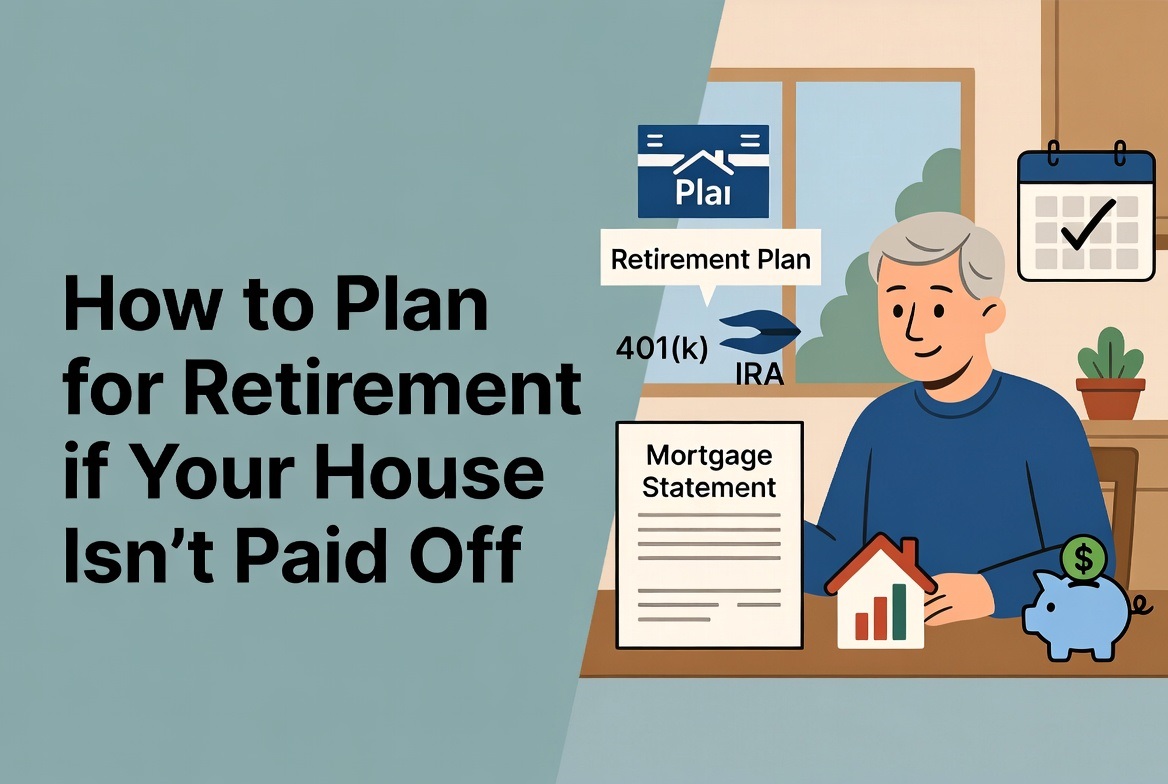
Retiring with an outstanding mortgage can seem daunting, but it doesn’t have to be a roadblock to your golden years. While owning a home outright offers peace of mind, maintaining a strategic approach to your finances can allow you to comfortably retire without paying off your mortgage entirely. By leveraging your assets, designing a robust savings strategy, and exploring alternative income streams, you can secure a financially sound retirement. Discover practical insights and actionable steps that guide you toward a fulfilling retirement, one where you can enjoy life even if your house isn’t fully paid off.
Brief Overview
Retiring with an unpaid mortgage might seem daunting, but strategic planning can ensure financial stability and peace of mind. Key strategies include evaluating your mortgage terms, leveraging refinancing opportunities, and exploring reverse mortgages to optimize your financial health. Additionally, creating a detailed budget and considering alternative income streams like rental properties or part-time work can alleviate financial burdens. Embracing options such as downsizing or renting can further augment savings. With careful consideration and professional advice, you can balance mortgage payments with retirement goals, making your golden years both secure and enjoyable.
Key Highlights
- Strategically plan to manage a mortgage in retirement without paying it off entirely for financial comfort.
- Evaluate existing mortgage terms and consider refinancing to optimize your retirement finances.
- Explore reverse mortgages to unlock home equity for financial stability in retirement.
- Diversify income streams through investments, rental properties, and part-time work.
- Consider downsizing to free up capital, enhance savings, and reduce housing expenses.
Understanding the Financial Landscape of Retiring with a Mortgage
Retiring with a mortgage in hand can be both a strategic decision and a challenging prospect for many investors. It often involves navigating through numerous financial considerations, such as assessing ongoing mortgage payments and interest rates. Evaluating your existing mortgage against current financial trends is crucial. By understanding how these payments and interest rates fit into your overall retirement plan, you can make informed decisions about managing housing costs in your golden years. With careful financial planning, you can retire comfortably without necessarily needing to pay off your mortgage completely.

Evaluating Your Mortgage and Finances Going Into Retirement
As an investor on the brink of retirement, one of the essential tasks is evaluating your current mortgage. Understanding the intricacies of your remaining mortgage balance, interest rates, and monthly payments is crucial. You must first assess how these payments will affect your retirement savings and whether maintaining them will impede your retirement plans. It’s about balancing ongoing obligations with the potential growth of your retirement savings.
Typically, a key step is scrutinizing your financial health and identifying how much of your income is being devoted to housing costs. You want to ensure that mortgage payments aren’t eating too much into your budget, leaving ample room for other living expenses. By comparing your financial standing with your retirement goals, you can start planning effectively. Consider making adjustments such as increasing contributions to your retirement accounts or potentially reducing other expenses to accommodate your housing commitment.
Next, explore whether refinancing your mortgage could yield a better financial position as you head into retirement. Lowering your mortgage rate can significantly decrease monthly payments, freeing up cash flow. On the other hand, extending the loan term might reduce financial stress, even if it means paying more interest over the years. It’s about finding a balance that aligns with your overall financial situation and future plans.
Moreover, delve into your tax considerations because taxes heavily influence financial planning. Mortgage interest can sometimes be deductible, which may alter how much you allocate to other areas of your financial strategy. Tax efficiency could serve as another lever to optimize your finances. Review these aspects with a financial advisor to ensure you’re leveraging all possible advantages.
Lastly, anticipatory actions like selling investments can provide additional liquidity to service your mortgage without depleting savings. These actions depend on the financial markets and their impact on your investments. It’s all about strategically aligning your mortgage with your broader financial landscape to ensure it complements, rather than detracts from, your retirement objectives.
Current Mortgage Rate Trends and Their Impact on Your Plans
Staying abreast of mortgage rate trends is critical as you plan for a retirement that involves carrying a mortgage. Understanding how fluctuations in interest rates affect your existing home loan could greatly influence your overall financial strategy. For many retirees, the interest rate directly impacts the cost-efficiency of their mortgage payments. With potential rate hikes or cuts on the horizon, paying attention to these trends can offer insights into timing any major financial decisions.
One of the first steps you can take is constantly reviewing the market for opportunities to refinance your mortgage. As rate dynamics shift, a refinance could lower your payments or interest obligations, improving your liquidity. By keeping an eye on these changes, you might benefit significantly by reducing expenses that burden your retirement finances. Discuss these opportunities with your financial adviser to better understand your refinance options and their potential impacts.
Interest rates also play a role beyond just the terms of your mortgage. If you have other investments or are considering bolstering your savings through financial products, understanding rate trends can help you optimize returns. For instance, when interest rates are on a downtrend, it might favor more aggressive investment strategies as borrowing costs decrease, potentially enhancing overall returns within your retirement accounts.
Moreover, focus on housing market forecasts and how they might affect the value of your property. Rising interest rates could temper home values, which, if considering selling your house, would influence your financial outcomes. Conversely, stable or declining rates could mean your property’s value might rise, providing a buffer or additional security in terms of equity from your home.
Ultimately, aligning your retirement plans with current mortgage and interest trends requires a nimble approach, ready to capitalize on market changes. Make it a part of your regular financial review process to consult with experts who understand these trends deeply. This informed strategy ensures you are not outmaneuvered by market shifts but are instead prepared to adjust your financial plan to maintain financial stability and comfort in retirement. Armed with this information, you’re well-placed to retire with confidence, even without paying off your mortgage.
Strategies for Retiring Without Paying Off Your Mortgage
Retiring without paying off your mortgage might seem risky, but with the right strategies, you can achieve a secure retirement. Exploring alternative ways to manage housing costs and leveraging your existing financial assets can be key. Strategies such as exploring reverse mortgages, refinancing, or utilizing your investment savings can provide you with financial flexibility.
By staying informed about available options, you can make smart choices that align with your individual retirement goals and financial situation. Understanding and adopting these tailored strategies can significantly ease the burden of a mortgage in your golden years.
6 Strategies for Affording Your Home in Retirement
As you approach retirement with a mortgage still on your plate, developing a clear strategy is essential to managing your housing costs. Start by enhancing your financial understanding and develop a comprehensive retirement plan that incorporates your existing financial commitments. Prioritize creating a detailed budget that accounts for your mortgage payments alongside other retirement expenses. This blueprint will help outline your financial obligations and pinpoint areas where adjustments might bolster your retirement fund, thereby easing financial stress.
One effective method is leveraging your investment advice to optimize your income streams. If you’ve invested in financial vehicles like stocks, consider how they can support your mortgage payments. Perhaps dividend stocks or high-yield investment accounts could generate additional income, providing a consistent cash flow to cover ongoing housing costs. Reviewing your portfolio with a financial advisor could unveil untapped potential in your investments that align with your retirement housing plans.
Another impactful strategy is downsizing. While it involves selling your property, this could greatly reduce your mortgage load, or possibly eliminate it altogether. Downsizing not only lowers housing costs but might also increase your capital, which can be funneled into retirement savings or other necessary expenses. Alternatively, renting out part of your property could offer a steady income stream, contributing to mortgage payments and freeing up other resources.
You might also want to consider increasing your retirement savings incrementally as you near retirement. By contributing more to your 401(k) or IRA, you harness the power of compound interest and bolster your financial stance. This proactive step enhances liquidity, providing more flexibility to manage your housing costs without the pressing need to pay off your entire mortgage.
Lastly, adjust your spending habits to align with your anticipated reduced income during retirement. Simple lifestyle changes can lead to significant long-term savings. Cutting unnecessary expenses allows more room to comfortably meet mortgage obligations within your new financial landscape.
Incorporating these strategies requires careful planning and a proactive approach, but they can make retiring with a mortgage a manageable feat. Ultimately, it’s about finding a balance that sustains your financial health without compromising your retired life quality.
Exploring Options: Reverse Mortgages and Refinancing
Reverse mortgages and refinancing present compelling options to maintain financial balance while still holding a mortgage during retirement. These tools can be vital in reconfiguring your financial framework to better suit retirement’s often less predictable income dynamics. A reverse mortgage could be an attractive choice for those eligible age-wise, as it allows you to unlock your property’s equity without a traditional repayment schedule. This financial tactic provides liquidity by converting part of your home equity into money, supplementing your retirement income and easing the strain of monthly mortgage payments.
Before considering a reverse mortgage, ensure that it fits seamlessly into your investment plan. Evaluate how this move interacts with your broader investment strategy, keeping future cash flow steady without compromising your property’s ownership. As an investor with an eye towards stability, a reverse mortgage’s benefits often lie in its ability to offer liquid assets, essential for covering unexpected expenses or simply enhancing daily living conditions in retirement.
On the other hand, refinancing can be another strategic choice to lower monthly payments and extend loan terms. This option could improve your cash flow by reducing interest burdens over the long haul. Delve into current mortgage trends to assess whether a refinance could yield the financial benefits you desire. Reducing interest via refinancing could align more closely with your financial goals, offering a safety net to absorb market unpredictabilities or personal financial shifts in retirement.
Understanding the nuances of these financial products requires careful consideration and often professional advice. Working with a financial advisor can outline potential implications on your finances, ensuring that these options support, rather than undermine, your strategy for managing housing costs. Crucially, these decisions should complement your long-term retirement plan and broader financial landscape.
Both reverse mortgages and refinancing act as powerful tools in the investor’s arsenal, ensuring that the home remains an asset rather than a liability. Selecting the right approach aids in stabilizing your financial health, maximizing your home’s potential without the need for drastic measures. By integrating these options into your retirement strategy, you’re not just covering your mortgage, you’re strategically enhancing your financial resilience as you step into retirement with confidence.

Managing Expenses with an Unpaid Home Loan
As you approach retirement, managing expenses tied to an unpaid home loan becomes crucial. While some retirees opt to fully pay off their mortgage, others find that juggling these payments with living expenses isn’t feasible. Creating a budget helps you prioritize mortgage payments, while exploring alternative income streams can bolster your financial position. Understanding these aspects ensures that your mortgage remains manageable without derailing your retirement plans. By meticulously planning and seeking various sources of income, you can balance these expenses with broader financial goals, securing a comfortable retirement without needing to completely settle your mortgage.
Creating a Budget to Address Mortgage Payments
Crafting a budget that effectively tackles mortgage payments is key to retiring without fully paying off your home loan. The first step is to clearly identify your monthly commitments, with mortgage payments being a priority. Including all payments is vital, consider every aspect from principal and interest to taxes. Assess if your current income streams comfortably cover these expenses, or if adjustments are needed elsewhere in your budget. Whether it’s scaling back on discretionary spending or finding ways to increase available funds, organizing your finances to accommodate mortgage payments ensures they don’t overwhelm your retirement budget.
Budgeting also involves realistically accounting for unexpected expenses. Setting aside a contingency fund can alleviate stress when surprise costs emerge, ensuring your mortgage payments aren’t disrupted. Additionally, focus on reducing debt wherever possible. By minimizing interest payments on other debts, more funds can be allocated toward your mortgage. This strategy doesn’t just stabilize your financial footing, it maximizes potential savings over time.
Consider reallocating investments, ensuring they’re geared toward sustaining retirement without neglecting your mortgage. Investments can be structured to generate regular income, contributing to mortgage costs. Engage with a financial advisor to identify the best investment vehicles to supplement your income. Look into stocks that offer dividends or funds that provide steady returns. The goal is to create a predictable revenue stream, so you remain financially stable even with ongoing home loan obligations.
Aligning your budget with your retirement objectives requires diligence. Leverage technology; various budgeting apps and tools can streamline this process. Track expenditures against your budget regularly to ensure you’re on track. These tools can send reminders for payments, helping avoid late fees and additional interest. By consistently reviewing your budget, you can make necessary tweaks, reflecting any financial changes and maintaining a balance between your mortgage and other retirement needs.
In conclusion, by creating a well-structured budget focused on addressing mortgage payments, you greatly enhance the manageability of this expense. Coupled with a disciplined approach to spending, this means your retirement doesn’t have to be overshadowed by the weight of an unpaid home loan. Strategically planning ensures your financial health remains robust, even when your mortgage isn’t fully paid off.
Alternative Income Streams to Support Retirement
Exploring alternative income streams to support your retirement is crucial, particularly if your home loan remains unpaid. Diversifying income sources can significantly lessen the financial strain of mortgage payments. One such avenue is investing in rental properties. By renting out a portion of your primary residence or investing in additional property, you secure a new income stream. Rental income can cover mortgage expenses partially or entirely, depending on market conditions and property value. As an investor, ensuring proper management and maximizing rental yields is key to making this strategy successful.
If property investment isn’t appealing, consider dividends from stocks or bonds. This investment strategy provides regular, passive income that can be directed toward your mortgage. Dividend-paying stocks often offer stability and predictable returns, enhancing your financial standing without exhausting your retirement savings. Appreciate the importance of a balanced portfolio here, blend growth with income-generating assets to achieve optimal returns without exposing yourself to excessive risk.
Side hustles or part-time work can also provide additional financial support. Whether consulting in your field of expertise or pursuing hobbies that generate revenue, these endeavors reduce reliance on existing retirement funds. They offer the dual benefit of income and a passion-driven outlet, leading to a more fulfilling retirement lifestyle.
Cutting-edge technologies and digital platforms have opened new vistas for alternative income streams. Explore options like the gig economy, where you can set your own terms and work on tasks that fit your schedule and interests. The key here is flexibility, allowing you to integrate this additional work seamlessly into retirement life.
Exploit online platforms for selling crafts, digital products, or expertise, these can be viable options for income without traditional employment. Expand your educational reach with webinars or courses, helping convert knowledge into income. These ventures don’t require physical exertion and can be scaled, offering flexibility and steady income contribution toward your mortgage payments.
In summary, diversifying your income is not only about meeting mortgage payments but enhancing overall financial security. By marrying investment options like rental properties and dividend stocks with part-time work or leveraging digital platforms, you ensure robust support for your retirement. This approach ensures that mortgage expenses remain manageable, fostering a relaxed and secure retirement despite ongoing home loan commitments.
Planning Your Next Move in Retirement
When retirement is on the horizon and your house isn’t paid off, planning your next steps becomes crucial. From considering downsizing to exploring renting options, each choice can profoundly impact your retirement lifestyle and financial well-being. This phase is about evaluating your living arrangements and financial goals to ensure they align seamlessly with your ideal retirement. By carefully weighing the pros and cons of relocation options, you can craft a retirement plan that supports both financial health and personal freedom without being overwhelmed by mortgage obligations.
Considering Downsizing or Renting Options
When pondering downsizing or renting as part of your retirement strategy, it’s vital to consider both the financial and personal implications of such a move. Downsizing involves selling your current property and moving to a smaller, potentially less costly home. This option can release significant capital, providing a boost to your retirement savings. By funneling the proceeds into a high-yield investment or a well-diversified retirement account, you capitalize on compound interest to potentially increase your retirement income, simultaneously reducing your housing expenses. Additionally, the maintenance and utility costs of a smaller property usually decrease, further improving your cash flow.
On the flip side, renting offers a different set of advantages. Without the commitment of property ownership, renting can liberate a significant portion of your capital that would otherwise be tied up in real estate. This liquidity is particularly beneficial in an unpredictable financial environment, where access to cash is a strategic advantage. Renting can also provide a level of flexibility not afforded by homeownership. This flexibility allows retirees to test different locations to find the best fit, whether for climate, community engagement, or proximity to family and friends. However, it’s essential to consider rent fluctuations; ensuring your financial plan can buffer these variations without strain is crucial.
From the perspective of an investor, understanding the local property market is essential when considering these options. If property values in your area are rising, it might be advantageous to delay selling your property to capitalize on potential appreciation. Alternatively, a stagnant or declining market might encourage a quick decision to maximize remaining equity before it’s further diminished. Each scenario invites a careful analysis of current and projected housing trends, potentially guided by insights from real estate experts and financial advisors.
Before making a decision, consider conducting a thorough analysis of your financial landscape. Review your current mortgage payments, including interest and principal costs, and compare them to potential expenses of downsizing or renting. Balancing these against other financial goals, such as legacy considerations or healthcare planning, can provide clarity. A strategic review might reveal, for example, that any saved expenses from moving could be reallocated toward long-term care insurance or a robust emergency fund, adding layers of security to your retirement strategy.
Incorporating downsizing or renting into your retirement planning offers more than just financial benefits. It can also enhance your lifestyle, reduce stress, and grant more freedom to pursue retirement ambitions, whether travel, educational pursuits, or new hobbies. Ultimately, whether you choose to downsize, rent, or maintain your current residence, it’s about making informed choices that align with your retirement vision. Consult with real estate experts and financial advisors to ensure that your housing decisions support both your lifestyle aspirations and financial stability during retirement. Step into this new chapter with the confidence that your housing decisions are as sound as your overall retirement strategy.
To further explore the approach of downsizing or renting in retirement, retirees should consider these additional factors:
– Assess the total cost of living in a smaller space compared to your current home.
– Consider the proximity to healthcare facilities and local amenities.
– Evaluate the community and lifestyle offerings of potential rental locations.
– Understand the local taxes and implications on your retirement income.
– Explore flexible rental agreements that allow for changes as your needs evolve.
– Consult with a financial advisor to map out potential tax benefits.
– Account for potential moving and relocation expenses in your budget.
By thoughtfully evaluating these aspects, retirees can make informed decisions that support a comfortable and sustainable retirement lifestyle.
Retiring without your home fully paid off is entirely feasible with strategic planning. Focus on maximizing retirement savings, considering downsizing possibilities, and re-evaluating your budget to free up additional funds. Consult with a financial planner to personalize your approach and ensure a comfortable retirement. The key is balancing mortgage obligations while maintaining a solid income stream. Take proactive steps now; download our guide for more insights, connect with a financial advisor, and start crafting a retirement plan that aligns with your lifestyle goals. Your dream retirement is within reach, it’s time to make it a reality.
FAQ: How to Plan for Retirement if Your House Isn’t Paid Off
Can I retire with an outstanding mortgage?
Yes, you can retire with an unpaid mortgage by adopting strategic financial planning. Leveraging assets, implementing a robust savings strategy, and exploring alternative income streams can make this feasible.
What strategies can optimize financial health with a mortgage in retirement?
Consider evaluating mortgage terms, refinancing, exploring reverse mortgages, diversifying income through investments or rental properties, and even downsizing to augment savings.
How can refinancing help with a mortgage during retirement?
Refinancing can lower mortgage rates, which decreases monthly payments and enhances liquidity. Alternatively, extending loan terms may reduce financial stress.
What role does a budget play in retiring with a mortgage?
A detailed budget helps align mortgage payments with retirement expenses, ensuring they don’t overextend finances. Track expenses to balance mortgage with other needs.
Should I consider alternative income streams if I retire with a mortgage?
Diversifying income through investments, rental properties, part-time work, or side hustles can significantly ease financial burdens associated with mortgage payments.