

Retirement planning for high earners involves unique challenges and opportunities. With higher income comes greater complexity in strategizing for the future. This page explores essential considerations for affluent individuals gearing up for retirement, focusing on tax-efficient withdrawal strategies and maximizing earnings. From understanding tax implications to implementing sophisticated investment plans, this guide equips you with the knowledge needed to make informed decisions. Ensuring your hard-earned wealth works for your golden years requires foresight and smart planning. Dive into actionable insights designed to secure a prosperous retirement, leveraging every opportunity available to high earners.
Key Highlights
- High earners face unique retirement challenges, needing tax-efficient strategies and knowledgeable wealth management for stability.
- Understanding specific withdrawal rules and strategically managing taxable and Roth IRA accounts can enhance financial outcomes.
- Proactively manage capital gains and optimize long-term gains for substantial tax savings and wealth preservation.
- Craft strategic withdrawal plans focusing on minimizing taxes and maximizing income, consulting advisors for optimized outcomes.
- Protecting against market downturns through diversification and emergency funds can ensure continued financial security.
Understanding Withdrawal Strategies for Retirement
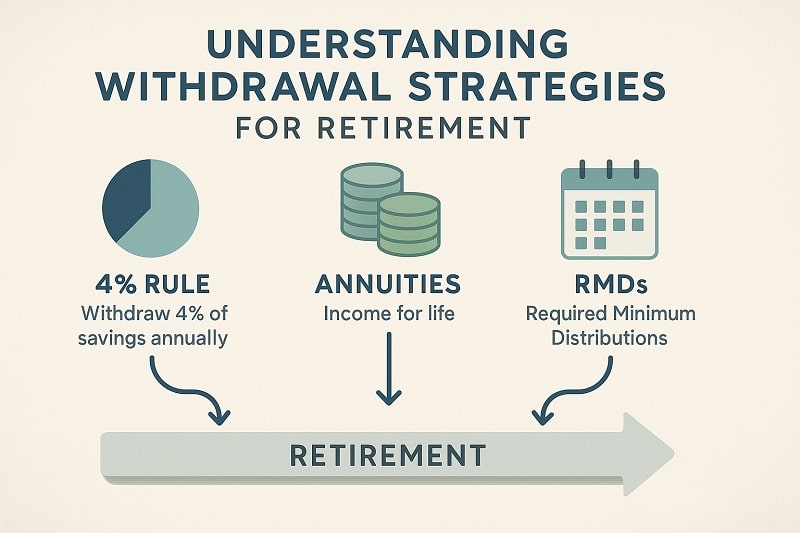
For high earners, understanding withdrawal strategies for retirement is crucial to maximizing investment returns and ensuring financial stability. Whether you’re dealing with Roth IRA, taxable accounts, or pretax accounts, each comes with its own set of withdrawal rules and implications. By knowing when and how to withdraw strategically, you can efficiently navigate contribution limits and after-tax contributions, ensuring you stay ahead in your retirement planning. Emphasizing a balance between Roth and taxable accounts while adhering to systematic withdrawals can greatly enhance your financial future. Let’s explore how these strategies can benefit you as an investor.
Know the Withdrawal Rules for Different Accounts
Understanding the withdrawal rules for different retirement accounts is essential for high earners aiming to optimize their investment strategies. Each retirement account, whether it’s a Roth IRA, traditional IRA, or a 401(k), has specific guidelines that dictate how and when you can withdraw funds. For instance, Roth IRA offers the flexibility of tax-free withdrawals on contributions, providing you’ve met the eligibility criteria. It’s crucial to know the withdrawal rules to avoid penalties, which can erode your savings.
A Roth IRA allows withdrawal of contributions anytime tax-free and penalty-free. However, earnings are a different story; withdrawing them before age 59½ or before your account is five years old can result in taxes and penalties. Contrast this with traditional IRAs or pretax 401(k) accounts, where withdrawals are taxed as ordinary income, and making withdrawals before age 59½ could involve a substantial penalty. High earners need to recognize these retirement withdrawal nuances to effectively manage their wealth.
Moreover, after reaching age 73, Required Minimum Distributions (RMDs) come into play for most pretax accounts. Failing to withdraw the minimum amount results in hefty penalties. To prevent unexpected tax implications, an investor should have a solid retirement withdrawal plan aligned with these rules. High earners can also benefit from sophisticated strategies like converting to a Roth IRA to eliminate RMDs entirely, but one must understand the tax impact this could have on their current financial standing.
Utilizing tools and resources, such as consulting with a financial advisor or using calculators to determine the optimal withdrawal rates, can aid in planning the most tax-efficient withdrawal strategy. As an investor, having a tailored approach to withdrawing funds, structured around your unique goals and the specific rules of different retirement accounts, is indispensable. By strategically applying this knowledge, you can ensure you’re not just preserving capital, but growing it efficiently for retirement.
Balancing Roth IRA and Taxable Accounts
For high earners, balancing withdrawals from Roth IRAs and taxable accounts can significantly impact overall retirement strategies. Understanding the unique features of Roth IRAs and taxable accounts allows investors to make informed decisions that maximize after-tax income while minimizing tax liabilities. Roth IRAs, with their tax-free growth and withdrawals, serve as powerful tools, especially when strategically combined with taxable accounts.
One effective strategy is to use systematic withdrawals from taxable accounts to manage income tax brackets. By withdrawing funds from taxable accounts up to a certain threshold, investors can stay in a lower tax bracket, thereby reducing the overall tax burden. This tactic involves considering contribution limits to ensure you don’t overextend out of your optimal bracket. Meanwhile, the Roth IRA can be preserved for larger, potentially tax-free withdrawals in the future, particularly useful in managing unexpected expenses without incurring higher taxes.
An essential aspect of balancing these accounts is the sequencing of withdrawals. High earners should consider the tax implications of each withdrawal and the potential growth of their investments. Often, preserving Roth IRA assets until later in retirement when tax burdens might increase, such as after stopping work or when other income sources dry up, can optimize tax savings. Similarly, any withdrawal from taxable accounts should aim to capitalize on lower long-term capital gains rates as opposed to ordinary income rates, making tax-efficiency a cornerstone of your withdrawal strategy.
High earners also have the opportunity to leverage any after-tax contributions present within employer-sponsored plans by rolling them over into Roth IRAs, enabling assets to grow tax-free. The balance doesn’t just involve the accounts themselves but also understanding the market conditions, potential legislative changes, and personal life events which could affect your financial outlook. Engaging in comprehensive financial planning ensures you have the flexibility and control over your retirement savings, thereby tailoring an income stream that supports your desired lifestyle throughout retirement.
High-Earner Tax Considerations
For those with a high income, effectively managing taxes is pivotal to smart retirement planning. As investors, understanding capital gains and developing tax-efficient withdrawal strategies can make a significant difference in your wealth accumulation over time. High earners face unique challenges but also have unique opportunities to optimize their financial future. Let’s dive into being tax-smart with capital gains and exploring tax-efficient strategies for withdrawals.
Be Tax-Smart with Capital Gains
Navigating capital gains is essential for investors aiming to maximize wealth and minimize tax liabilities. For high earners, awareness and strategic planning concerning capital gains can significantly affect overall financial outcomes. Capital gains, the profits realized from the sale of assets like stocks and real estate, are often taxed differently than regular income. Understanding the nuances can help high-income clients develop a refined strategy to enhance their wealth preservation efforts.
Utilizing tax-smart approaches is critical to managing these gains efficiently. One potent strategy involves strategically timing the sale of appreciated assets. High earners should consider long-term capital gains, which are typically taxed at a lower rate than short-term gains, aligning with your income tax bracket. This distinction is crucial since exploiting long-term capital gains can lead to substantial tax savings. Moreover, by deferring sales to maximize lower tax rates, you can optimize overall portfolio performance, enhancing your retirement readiness.
Another approach involves offsetting capital gains with capital losses. By having a structured plan in place for loss harvesting, you can counterbalance gains with losses, keeping the overall tax burden low. This could involve reviewing the current market conditions and identifying underperforming investments to sell at a loss, a move that actively lowers taxable income. It’s advisable to coordinate such strategies with the guidance of a financial advisor, ensuring compliance with the IRS’s wash sale rules while optimizing tax efficiency.
Additionally, consider the impact of additional federal surtaxes, like the Net Investment Income Tax (NIIT), which applies an extra layer of complexity to your tax landscape. For high-income clients, understanding how to navigate these waters is vital. Engaging with a comprehensive advisory team can provide support for aligning capital gains strategies with your financial goals. Implementing these tax-smart strategies not only shields more of your investment income from tax erosion but also builds a more robust financial foundation for the long term. By embracing proactive planning, high earners can effectively leverage capital gains to enhance wealth. Take this opportunity to fortify your financial strategies and prepare for a prosperous retirement.
Tax-Efficient Withdrawal Strategies
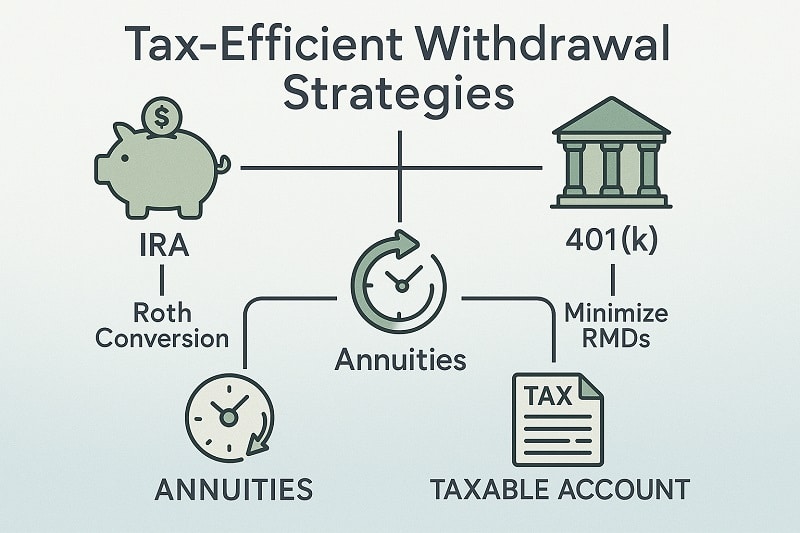
Developing effective tax-efficient withdrawal strategies can be transformative for high-income clients preparing for retirement. The aim is to minimize tax burdens while maximizing available income streams, allowing for smoother, sustainable finance management. High earners must scrutinize different withdrawal approaches, adapting methods that align with their financial landscape and investment goals while considering tax implications.
One of the most vital strategies involves a systematic withdrawal plan which allows for more stable and predictable income during retirement. By strategizing withdrawals from both taxable accounts and tax-advantaged accounts like IRAs and 401(k)s, you can craft a plan that balances immediate needs with long-term growth potential. This balance is crucial to ensuring that high-income investors meet both required minimum distributions (RMDs) while also taking advantage of potentially lower tax rates in early retirement years when income may be reduced.
A key component of tax-efficient withdrawal strategies is the concept of order withdrawals. High earners should consider starting with withdrawals from accounts that have a higher tax impact first, possibly beginning with taxable accounts. By drawing down taxable investments first, you can keep overall income lower, allowing additional room for strategic withdrawals from Roth IRAs later, which won’t count toward taxable income. This method not only leverages current tax brackets but also maintains flexibility for future tax scenarios.
Another aspect involves understanding and utilizing after-tax contributions found in 401(k)s and similar plans. These can be rolled into Roth IRAs, keeping retirement income tax-free and maximizing the growth of retirement savings. This rollover can protect the corpus from mandatory distributions, thus extending the tax advantage further. Another consideration is the layering of RMDs with other income, anticipating possible surges in taxable income.
Collaborating with a seasoned financial advisor can aid in developing these strategies, refining your personal withdrawal plan that can adjust to changes in tax policy or personal finance needs. As a high earner, you’re ideally placed to capitalize on these sophisticated strategies for protecting and growing wealth, ensuring that your retirement years are not just secure, but thriving. Focus on crafting a withdrawal strategy that aligns with both current needs and long-term goals, ensuring financial success in the years ahead.
Enhancing Retirement Income
High earners should focus on enhancing their retirement income to maintain a high lifestyle. Balancing various income streams through strategic retirement planning and investment is essential. Exploring tax-efficient withdrawal strategies and creating a balanced retirement plan can provide financial security. Tailoring these strategies around your wealth ensures a stable flow of income without compromising on your high standards. Let’s dive into crafting a plan that not only sustains but enhances your retirement ambitions, fitting seamlessly with a high lifestyle.
Creating a Balanced Retirement Plan
Crafting a balanced retirement plan is a key strategy for high earners looking to sustain and maximize retirement income. Given the increased complexities of wealth management, a balanced plan offers a bridge between financial security and lifestyle aspirations during retirement. Considering multiple income streams, such as dividends, rental income, and various investments, allows for diversification, thus minimizing risks. Each component of the plan must be meticulously assessed to match your income goals and retirement expectations.
A balanced plan should also emphasize strategies to handle taxes effectively. High earners often face higher tax brackets, so utilizing tax-efficient investment strategies is paramount. This could involve tax-exempt investments like municipal bonds, which provide steady income without burdensome tax obligations. Additionally, leveraging tax-advantaged accounts, such as Roth IRAs, can help prioritize withdrawals that minimize tax impacts, preserving more wealth for the future.
To ensure a sustainable plan, it’s vital to regularly revisit your financial strategy. Adjustments in response to market changes or shifts in personal financial goals are crucial for the longevity of your retirement funds. Furthermore, setting clear retirement savings benchmarks helps you stay on track. Collaborating with a financial advisor can offer tailored advice, blending professional insights with your personal ambitions to fine-tune your retirement safety net.
Effectively balancing fixed and variable income sources can provide flexibility to adapt to changing financial landscapes. A well-rounded retirement plan also includes an emergency fund to cover unforeseen expenses, safeguarding against unexpected market downturns. By instilling these components, you’re not just securing your wealth, you’re enhancing it, setting the stage for a fulfilling retirement that aligns with your high lifestyle aspirations. Remember, a balanced retirement plan is not a one-time setup but a continuous journey towards maintaining financial stability.
Tailoring Income Streams for a High Lifestyle
For those accustomed to a high lifestyle, tailoring income streams during retirement becomes an essential aspect of financial planning. The diverse nature of high earners’ financial portfolios allows for a strategic approach to structuring income streams, ensuring sustained financial well-being while enjoying retirement. Achieving this requires a nuanced understanding of the market, thorough analysis, and an eye for strategic investment opportunities that fit the high-income lifestyle.
Diverse income streams must be aligned with personal financial goals. Options like real estate, dividend-paying stocks, or even starting a business venture can provide robust income avenues. Real estate investments, apart from offering regular rental income, often appreciate over time, thus enhancing your wealth. Similarly, dividend stocks, particularly those from stable, high-performing companies, provide a reliable cash flow without needing to sell assets, thus maintaining your portfolio’s growth potential.
One of the critical considerations for high earners is minimizing tax burdens associated with these income streams. Strategies to reduce taxes might include utilizing charitable donations for tax deductions, investing in tax-deferred retirement accounts, or even relocating to tax-friendly states to capitalize on lower state income taxes. These tactics ensure that your wealth is preserved and strategically grown for long-term benefits.
Moreover, it’s important to personalize income strategies based on lifestyle preferences. Are you aiming for luxury travel, philanthropy, or a quiet, understated retirement? Each choice demands different financial considerations and structuring. A key aspect is flexibility, your income streams should adapt to varied life stages and goals. Regular reviews and adaptability to market trends, economic changes, or personal financial shifts are crucial for maintaining the desired lifestyle.
Implementing these tailored strategies provides not just financial stability but enhances the overall quality of life during retirement. Engage with a proactive financial advisor who can help steer this complex process, bringing insights that align with your financial ambitions and lifestyle preferences. In doing so, a high-earner’s retirement is not just about sustaining a past lifestyle but evolving it, ensuring that every financial decision supports both security and indulgence, crafting a retirement that resonates with luxury, comfort, and peace of mind.
Maintaining Financial Security in Retirement
High earners face unique challenges in ensuring financial security during retirement. Balancing investments, tax strategies, and withdrawal plans is essential to preserve wealth and maintain a high lifestyle. To achieve this, investors must focus on protecting against market downturns that could impact retirement savings. Addressing these issues through systematic planning and expert advice can help safeguard your financial future and ensure continued prosperity and stability in retirement.
Protecting Against Market Downturns
For high earners, protecting against market downturns is a cornerstone of maintaining financial security in retirement. When the market takes a dip, it can significantly impact your retirement savings, disrupting your carefully laid plans. Given the volatile nature of financial markets, high earners need a proactive strategy to safeguard their wealth. One effective approach is diversification. By spreading investments across various asset classes such as equities, bonds, real estate, and alternative investments, you reduce the risk of a single market event upending your entire portfolio. Diversification not only buffers against market volatility but also provides opportunities to capitalize on growth in different sectors, thereby balancing risk and reward in your investment plan.
Moreover, having an emergency fund is crucial. An emergency fund acts as a financial cushion, allowing you to cover immediate expenses without tapping into your long-term investments during a market downturn. This strategy helps preserve your retirement savings, especially if the downturn coincides with the early years of your retirement, a period often most sensitive to withdrawal timing. High earners might consider a financial advisor’s expertise to tailor these strategies, ensuring they align with specific financial goals and risk tolerance. Advisors can provide insights into market trends, suggesting tactical shifts in asset allocation that can mitigate potential losses and enhance portfolio resilience.
Systematic withdrawals are another critical component of protecting retirement savings from market downturns. By setting a disciplined approach to withdraw a fixed amount or percentage regularly, you can avoid the pitfalls of selling assets at a loss during market lows. This proactive step helps maintain a stable cash flow and ensures that your financial security isn’t jeopardized by short-term market volatility. It’s particularly effective for high earners who seek to sustain a certain lifestyle without depleting their wealth prematurely.
In addition, it’s vital to incorporate tax-efficiency into your withdrawal strategies. High-income individuals should consider how different accounts are taxed, understanding that some, like Roth IRAs, offer tax-free withdrawals, can be a strategic move. By optimizing the sequence of withdrawals, starting with taxable accounts and preserving tax-advantaged accounts for later, you enhance the longevity of your investments and minimize the tax impact. Engaging with a skilled financial advisor can ensure these strategies are executed with precision, helping to maximize wealth retention and shield against market downturns.
Ultimately, maintaining financial security in retirement isn’t just about accumulating wealth; it’s about smartly managing and protecting it. High earners should continuously evaluate their investment plans, engage with professional advisors, and stay adaptable to market changes. By doing so, you not only secure your retirement funds against unforeseen downturns but also empower yourself to enjoy a prosperous and worry-free retirement. Taking proactive measures to protect your wealth is essential for long-term financial well-being, giving you peace of mind and the freedom to relish the fruits of your labor.
In conclusion, high earners need to adopt a nuanced approach to retirement planning, one that considers specialized strategies for withdrawals. Proactive planning with professional guidance will secure a stable financial future, balancing growth with risk management. As you navigate these decisions, capitalize on tools tailored for high income levels, optimizing your tax situation. Planning ahead can enhance your retirement experience, maximizing comfort and flexibility. Remember, each decision today shapes your tomorrow, so take charge of your future, and, if necessary, consult with a financial advisor to tailor strategies to your unique financial landscape.
FAQ: High Earner Tips for Planning Retirement Withdrawals
What are the unique challenges high earners face in retirement planning?
High earners face challenges like managing higher tax liabilities, complex investment strategies, and ensuring tax-efficient withdrawals. Navigating various rules for Roth IRAs, traditional IRAs, and pretax accounts is crucial for optimizing wealth.
Why is understanding withdrawal strategies important for high earners?
Withdrawal strategies are vital for maximizing income and minimizing taxes. Knowing the rules for Roth, taxable, and pretax accounts helps manage contributions efficiently, ensuring a stable financial future.
How can high earners leverage tax-efficient strategies for retirement?
High earners should focus on order withdrawals, starting with taxable accounts. They should also utilize Roth IRAs for tax-free growth, considering deferring capital gains for tax benefits, and rolling after-tax contributions into Roth IRAs.
What role do RMDs play in retirement planning for high earners?
Required Minimum Distributions (RMDs) are mandatory withdrawals from pretax accounts starting at age 73. Failing to meet RMD requirements leads to penalties, so understanding how to manage them within tax plans is essential.
How can diversification protect high earners from market downturns?
Diversification across asset classes minimizes the impact of single market events. Combining equities, bonds, real estate, and other investments helps buffer against volatility and enhance portfolio resilience during downturns.