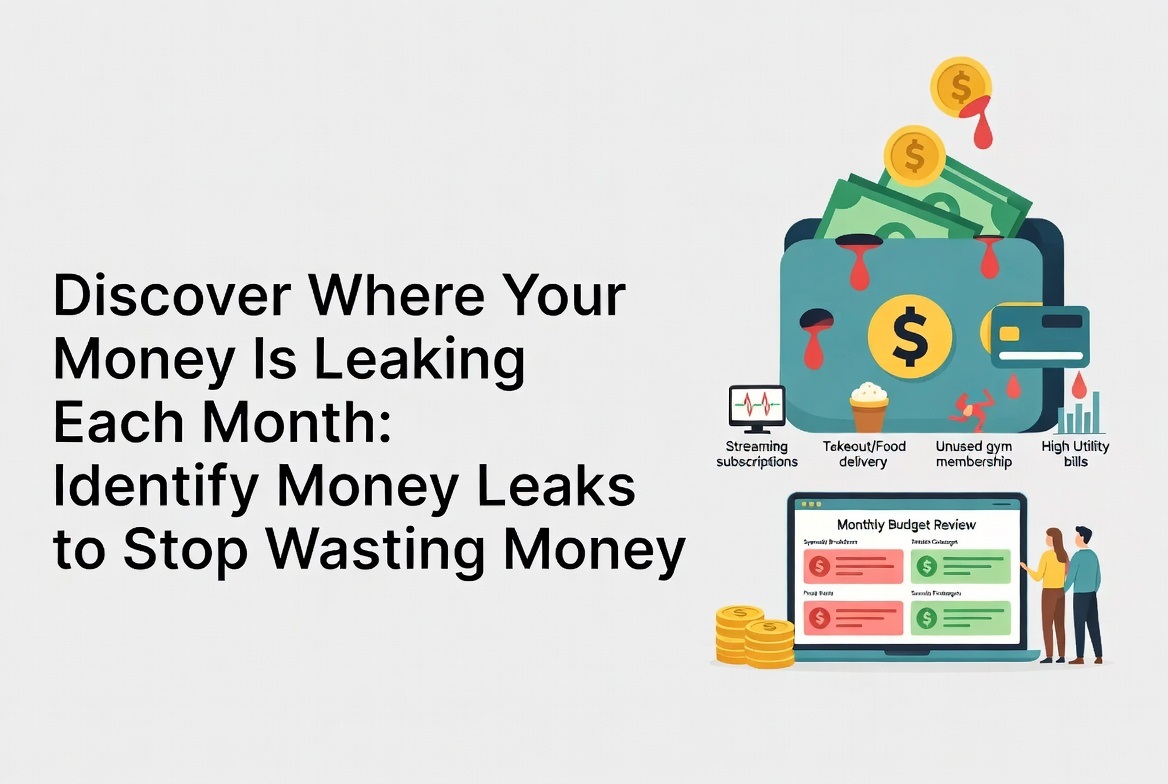
Are you tired of seeing your hard-earned money disappear before the month ends? It might be time to uncover those pesky money leaks creeping into your finances. By identifying and understanding where you’re inadvertently wasting money, you can take control of your budget and boost your savings. In our comprehensive guide, you’ll discover practical strategies to plug these leaks, ensuring more of your income is directed towards your financial goals. Let’s delve into mastering financial discipline and turning wasted pennies into valuable growth opportunities, empowering you to keep your finances in check effortlessly.
Brief Overview
Uncover those sneaky money leaks in your budget and transform your financial health with practical tips to boost your savings and avoid unnecessary expenses. From hidden subscription fees to overlooked daily costs, this guide reveals how minor expenses can add up, helping investors make smarter spending decisions. By understanding credit card fees and the impact of banking practices, you safeguard your finances against financial leakages. With insights on optimizing card rewards and stock market endeavors, it’s time to take charge of your budget. Download our free budgeting guide to plug money leaks and maximize your returns today!
Key Highlights
- Identify hidden costs in subscriptions and daily expenses that can significantly affect your budget.
- Track banking habits to uncover fees and interests potentially draining your finances.
- Understand investment pitfalls, such as stock market volatility and credit card reward traps.
- Create a financial leak checklist to regularly monitor and adjust your spending patterns.
- Leverage financial apps for enhanced tracking and management of spending and investments.
Identifying Common Money Leaks in Personal Finances
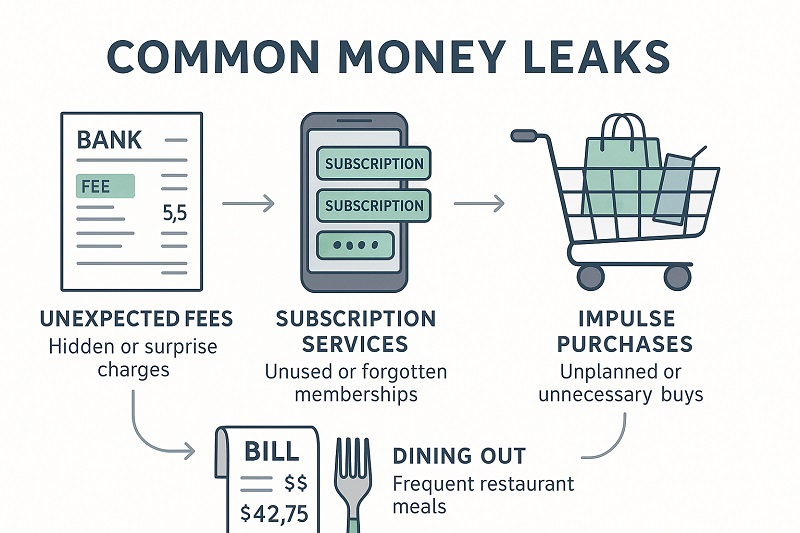
Effectively managing your budget involves more than just tracking spending, it’s about identifying where your money may be hiding in unnecessary expenses. Recognizing common money leaks, such as subscription costs and overlooked daily expenditures, can help you plug these financial leaks. Here are seven places your money might be slipping away. Understanding how these seemingly minor expenses can add up to significant dollars at the end of the month can transform your financial health. With practical insights, you can take control of your budget and make informed spending decisions that align with your financial goals.
Hidden Subscription Costs and Fees
Subscriptions have become a ubiquitous part of modern life, with services ranging from streaming platforms to monthly product boxes. While these might seem like minor expenses, they can easily add up to a substantial amount over time. It’s crucial for investors to regularly review their subscriptions to ensure they align with their budget goals. One overlooked aspect is auto-renewals, many people forget these exist and continue paying for services they rarely use. Companies often rely on this oversight, hoping customers continue to pay without realizing it. By scrutinizing subscription services, you can identify which services are truly necessary and which are unused dollars draining your budget.
The costs associated with subscriptions aren’t just limited to the base price. Additional fees can pop up unexpectedly, impacting your overall expenses. For example, some subscription services charge late fees if payments aren’t made promptly. Ensuring that your credit or debit cards are up-to-date can prevent such unnecessary costs. Moreover, identifying bundled services that offer more value can further optimize your spending patterns. Subscription management apps can prove beneficial, offering a comprehensive view of your active services and suggesting where cuts can be made. Taming these hidden costs can free up your budget, allowing those dollars to be reinvested more wisely.
Subscriptions provide convenience but can act as financial leaks if left unchecked. By eliminating redundant subscriptions and staying on top of payments, you ensure your dollars are being allocated effectively, benefitting your broader investment strategy. This disciplined approach highlights how spending sensibly in small increments can lead to more significant savings over time, reinforcing the importance of regular budget reviews and mindful financial planning. Investing these saved dollars back into lucrative ventures can amplify your returns, showcasing a direct link between managing minor expenses and achieving long-term financial goals.
Overlooked Daily Expenses
Daily expenses, often deemed trivial, can become substantial when aggregated over time. As investors, maintaining a keen eye on these costs is essential. These expenses could range from your morning coffee to daily transportation fees, which, though seemingly insignificant, quickly add up. When you examine your budget closely, you might find a pattern in your spending that isn’t immediately apparent, leading to unexpected financial leaks. Understanding and identifying these recurring expenses can be a powerful tool in controlling your financial flow.
One overlooked expense is impulse shopping. A quick purchase here and there might not seem significant in real-time, but every dollar spent on impulse purchases can detract from your financial growth. Planning your shopping trips and creating a list helps prevent unnecessary spending, ensuring you stick to your budget. Additionally, evaluating your spending habits on dining out or takeaway coffees could offer insights into areas where you can cut costs. Even small daily savings, like bringing lunch from home instead of eating out, can accumulate into a significant amount by the end of the month, benefiting your overall budget.
Automating savings by setting aside a fixed amount daily can also prevent that money from being spent on unnecessary purchases. It acts as a deterrent against frivolous spending while gradually building a reserve for future investments. By replacing overlooked expenses with strategic savings, you pave the way for robust financial management. This means not only crafting a budget that accounts for all expenses but also having discipline in sticking to it. Through these measures, you’re not just curbing unnecessary spending but also directly contributing to your financial stability and growth, positioning yourself for future success.
Analyzing Your Banking Habits
Delving into your banking habits can illuminate areas where money might be slipping through unnoticed. This analysis can help identify critical financial leaks, often hidden within the complexities of modern banking systems. Understanding credit card interests and fees is a primary aspect here, as they often disguise the real cost of using credit. Additionally, examining the role of your bank in contributing to financial leakages can reveal significant insights into how banking practices might affect your budget. By scrutinizing these aspects, investors can take back control and make informed decisions to safeguard their finances.
Understanding Credit Card Interests and Fees
Credit cards are powerful financial tools, allowing flexibility and purchasing power, but they come with a slew of potential financial pitfalls. Interests and fees associated with credit cards can easily become significant money leaks if not managed carefully. As an investor, it’s essential to thoroughly understand how these fees work to avoid unnecessary financial drains. Credit card interest rates can vary dramatically, often turning small unpaid balances into hefty burdens over time. Each missed payment can compound this effect, driving up your debt and eroding your financial stability.
Moreover, many credit cards come with annual fees or other charges, such as late payment penalties and foreign transaction fees. These charges can quickly add up, turning what seemed like a good credit offer into a financial burden. It’s crucial to review your card statements meticulously to identify these fees. Consider negotiating for lower interest rates or switching to a card with a zero-annual-fee offer. Doing so could help mitigate some of these financial pressures.
Another aspect often overlooked is the impact of rewards programs. While attractive, these programs sometimes lead to unnecessary spending thanks to their enticing points systems. It’s easy to fall into the trap of overspending just to earn points or rewards. Instead, it’s wiser to use rewards strategically for purchases you’d make regardless. Practice restraint and ensure that reward programs contribute positively to your finances instead of prompting excessive expenditures. By understanding the intricate dynamics of your credit cards, you could potentially save significant amounts, eventually freeing up funds to invest more wisely in growth opportunities.
The Role of Your Bank in Financial Leakages
Your bank plays a pivotal role in managing your finances, yet it can also be a source of financial leakage if not properly monitored. Banks often have complex fee structures, including maintenance fees, ATM fees, and overdraft charges, which if overlooked, can quietly siphon money from your accounts over time. As an investor focused on maximizing every dollar, understanding these fees is crucial for maintaining financial health.
Start by critically analyzing your bank statements for recurring fees that might have slipped by unnoticed. Examine how often your bank charges for maintenance or minimum balance breaches. Consider switching to a bank that offers fee-free accounts or better interest rates. Many modern financial institutions cater to investors looking for smarter banking solutions that don’t chip away at savings with hefty charges.
Additionally, take note of how your bank’s interest rates on loans compare to other lenders. Often, banks bundle various services with perceived benefits, but a deep dive into these offerings reveals they’re not always in the account holder’s best interest. Shopping around for loans or mortgage rates from multiple sources can lead to better deals, minimizing financial outflows and enhancing overall investment capital.
Technology has simplified this process. Utilize banking apps that categorize expenses and highlight unusual charges, providing clear oversight of where your money is being outspent. These tools can reveal patterns in your banking habits that might need adjusting. Leveraging such insights could significantly reduce financial leaks, helping direct those previous losses into fruitful investments. Ultimately, understanding and negotiating the intricacies of your banking practices empowers you to prevent overspending, optimize savings, and enable better investment opportunities.
Investment Pitfalls: Recognizing and Avoiding Them
As investors, avoiding potential pitfalls is crucial to protect your financial health and maximize returns. Understanding the nuances of volatile stock market investments and the complexities of card cashback and reward schemes can prevent unnecessary financial drains. Identifying these traps not only safeguards your capital but ensures your investments align with long-term financial goals. Let’s delve into some strategic insights to help you navigate these potential hazards more effectively, keeping your dollars working for you instead of leaking away unnoticed each month.

Tracking Volatile Stock Market Investments
Navigating the stock market can be an exhilarating yet daunting task for investors aiming to grow their financial portfolios. The market’s inherent volatility poses significant challenges, making it essential to understand the dynamics at play. One critical strategy is to maintain a diversified portfolio, which reduces risk by spreading investments across various sectors. This approach helps mitigate losses when specific stocks take a downturn, balancing out fluctuations with more stable financial assets. Moreover, it’s wise to stay informed about macroeconomic indicators and geopolitical events, as these often influence market trends and can impact investment returns over time.
Keeping abreast of these factors can guide strategic decision-making and prevent costly errors that might stem from impulsive reactions to temporary market shifts.
Adopting a disciplined investment strategy also involves setting clear financial goals and timelines. Whether saving for a major purchase, like travel, or building a nest egg for retirement, having a defined target influences investment choices and risk tolerance. Monitoring stock performance and adjusting investments according to your objectives is critical, especially as markets experience fluctuations. Consider using advanced analytical tools that provide insights into market trends and predict potential changes. These technologies, alongside financial planning, can help identify underperforming or overly risky investments, allowing you to make data-driven adjustments that align with your financial strategy.
Renowned investors advocate for a balance between growth stocks and stable dividend-paying stocks. While growth stocks offer potential high returns, they come with heightened volatility. In contrast, companies that pay consistent dividends often provide a safer option, generating steady income regardless of market turmoil. By understanding these dynamics, you’re better equipped to deploy your dollars wisely, enhancing your savings and investment growth over the years. Ultimately, tracking market volatility requires a blend of knowledge, patience, and strategic action, ensuring your investments remain robust against unforeseen financial pressures.
Understanding Card Cashback and Reward Traps
Credit cards offering cashback and rewards might seem like a goldmine for savvy spenders, but without caution, they can become significant money leaks. Investors should recognize that while these bonuses offer tangible perks, they’re often crafted to encourage more spending, potentially leading to fiscal pitfalls. A typical trap lies in overspending to reach cashback thresholds or earn points, inadvertently prioritizing short-term gratification over long-term financial health. To counter this, investors must critically assess whether card expenses align with overall budgeting goals.
Understanding the true cost of card rewards is paramount. Many cards charge annual fees or higher interest rates to offset the benefits they offer. It’s crucial to balance the value of the rewards against these potential costs. Conducting a thorough analysis of your spending patterns over several months can reveal if the benefits genuinely outweigh the costs. Apps that track card spending and project future savings potential can offer insights into making informed decisions. By choosing a card with the lowest fees in proportion to your spending habits, you ensure those dollars aren’t unnecessarily drained from your financial reserves.
Additionally, rewards programs often carry fine print, such as restrictive redemption policies or expiration dates on points, which can erode their perceived value. Being diligent about the terms of use helps avoid missed opportunities. Some card issuers offer flexibility with travel rewards or cashback reallocation, which can be an excellent tool if properly utilized. Strategically aligning these perks with existing expenses such as travel or insurance payments maximizes benefit while minimizing extra expenditure.
Finally, taking advantage of sign-up bonuses without falling into the trap of prolonged loyalty to one card can optimize your gains. By understanding card cashback dynamics and avoiding reward traps, you can enhance your financial stability, ensuring these tools serve your financial ambitions rather than inhibit them. This proactive approach guards against surrendering valuable resources through subtle but costly overindulgence in rewards programs, potentially redirecting those savings back into productive investment opportunities.
Strategies to Improve Financial Awareness
Improving financial awareness is essential for investors wanting to maximize their returns and minimize unnecessary spending. By focusing on key strategies like developing a financial leak checklist and leveraging financial apps, you can gain more control over your budget and spending. These techniques not only help identify where you might be losing money each month but also encourage disciplined spending habits. Additionally, understanding the impact of small, recurring expenses and using digital tools to track spending can drastically improve your savings over the years. Dive into these strategies to empower your financial future and solidify your investment groundwork.
Developing a Financial Leak Checklist
Creating a financial leak checklist is a valuable strategy for pinpointing areas where your hard-earned dollars might be slipping away. Start with a detailed analysis of your spending over the past three months, including everyday expenses and recurring payments. Categorize spending into sections like groceries, utilities, dining, entertainment, and financial obligations such as loans and insurance premium payments. This way, you map out a clear picture of where your money is allocated and can easily identify unnecessary outflows. Investors often overlook nominal daily expenses, thinking they’re inconsequential. However, when combined, these can significantly impact your overall savings potential.
Once each category is outlined, delve into your spending choices to spot potential financial leaks. Review your subscription services and insurance policies, these are areas where small expenses often add up unnoticed. Many investors find that they’re paying for services or coverage they no longer need, which means dollars are wasted monthly without any direct benefit. An essential part of your checklist should be to negotiate better terms or eliminate unnecessary charges from your financial records. Additionally, examining major financial outlays like bank and credit card fees can eliminate hidden costs and direct those funds towards more profitable investments. Scrutinizing these charges helps shut down financial leaks before they become major drains on your savings.
Implementing this checklist regularly helps pinpoint financial missteps and adjust spending habits accordingly. It’s not enough to just document expenditures; successful investors apply these insights to optimize future spending, invest savings wisely, and reduce financial waste. By transforming this detailed financial breakdown into actionable insights, you cut down expense leaks and fuel your investment portfolio. Continuous monitoring and improvement of your personal financial system solidifies a disciplined strategy that inspires confidence and aids long-term economic stability. Consider this checklist as a foundation layer for building a robust financial architecture that actively supports your broader investment goals.
Utilizing Financial Apps and Tools
Leveraging financial apps and tools can dramatically enhance your ability to track, analyze, and optimize your financial activities. These modern tools offer ease of access and a comprehensive view of your financial landscape, providing insights that might not be apparent through manual tracking. A good starting point is to utilize budgeting apps that link directly to your bank accounts and credit cards. They categorize your expenses, highlight spending patterns, and help ensure your expenses don’t exceed your income. These insights are vital for every investor trying to maintain financial alignment with their investment goals.
For more detailed analysis, use apps specifically designed for tracking subscriptions and recurring payments. These tools identify ongoing financial commitments, reminding you of services you may have forgotten about. Regular audits of such expenses can free up dollars monthly, which can then be redirected into investment opportunities or a savings account. Financial apps offering forecasting tools are also beneficial for visualizing how short-term spending decisions can impact long-term financial health. By showing potential savings growth and expenditure over the months, they allow investors to adjust their budgets and spending practices proactively.
Moreover, apps dedicated to investment tracking can be indispensable for monitoring portfolio performance and asset allocation. They offer real-time updates on stock movements, analyze market trends, and provide alerts on potential investment opportunities. This timely information aids investors in making informed financial decisions, mitigating risks, and capitalizing on market gains. Coupled with traditional financial advice, these tools create a powerful combination for maintaining a financially sound portfolio.
The strategic use of financial technology not only bolsters awareness but encourages disciplined economic behavior. As you integrate these tools into your financial management routine, you’ll find that they deliver more control and confidence in your financial decision-making process. Thus, by employing these apps and tools wisely, investors can unlock additional savings and channel funds into productive investments that work towards enhancing their future financial prosperity.
Continue your journey with financial apps by exploring specific features that can elevate your financial strategy:
- Set custom financial goals and track your progress regularly.
- Use alerts to stay informed about due dates and payment reminders.
- Benefit from expense splitting features for shared costs and savings.
- Analyze spending habits through personalized reports and insights.
- Explore fraud detection tools to safeguard against unauthorized transactions.
- Leverage currency converters for precise international financial plans.
- Synchronize with tax preparation tools for efficient financial reporting.
These features enhance your financial toolkit, enabling smart, informed decisions for sustained prosperity.
Recognizing where your money is slipping through the cracks is the first step towards achieving financial freedom. By diligently examining your expenses and making informed adjustments, you can significantly reduce waste, enhance your savings, and redirect funds towards meaningful investments. Take charge of your financial journey today: download our free budgeting guide, packed with strategies for plugging money leaks and maximizing your income. Stay proactive, stay informed, and transform your financial health. Remember, every dollar saved is a dollar earned, and a brighter financial future is within your grasp!
FAQ: Discover Where Your Money Is Leaking Each Month
What are common money leaks in a personal budget?
Common money leaks in a personal budget include hidden subscription fees, overlooked daily expenses, credit card fees, and auto-renewals for unused services.
How can I identify unnecessary subscriptions draining my finances?
Review your subscription services regularly to ensure they align with your budget goals. Check for auto-renewals and evaluate if each subscription is necessary or merely unused spending.
Why should I analyze my banking habits?
Analyzing your banking habits can reveal unexpected fees and interests that quietly drain your finances. Understanding these can help safeguard your budget against leaks.
What is the impact of daily expenses on my budget?
Daily expenses like coffee and transportation may seem trivial, but they add up significantly over time. Tracking these and replacing them with cheaper alternatives can save a significant amount each month.
What strategies can optimize my credit card rewards?
Avoid overspending to meet reward thresholds and ensure card fees don’t outweigh benefits. Use apps to track spending and choose cards aligning benefits with your needs.