

Navigating the maze of tax breaks can be a daunting task, especially for homeowners over 50 who may not be fully aware of the key tax benefits available to them. This guide shines a light on seven often-overlooked tax breaks that can lead to significant savings. As property taxes and mortgage interest rates fluctuate, savvy investors can leverage these opportunities to optimize their financial health. Designed to offer insights and practical tips, this article helps older homeowners discover and utilize tax breaks that bolster their bottom lines, turning homeownership into a strategic financial asset.
Brief Overview
Navigating tax breaks as a homeowner over 50 can unlock significant financial benefits, from deductible mortgage interest to property tax savings. These often-overlooked opportunities, like leveraging home equity loan deductions and qualifying for deductible points, can enhance tax strategies and provide substantial savings, especially crucial as retirement approaches. By understanding and applying these tax breaks effectively, homeowners can reduce taxable income and improve financial portfolios, ensuring greater stability. Consulting with tax professionals is recommended to maximize these benefits and secure a more comfortable financial future.
Key Highlights
- Homeowners over 50 can access valuable tax breaks like deductible mortgage interest and property tax deductions.
- Mortgage interest on both primary and home equity loans can be deducted to reduce yearly tax liability.
- Property tax deductions significantly lower taxable income, enhancing savings and financial stability.
- Interest on home equity loans used for significant home improvements is often deductible.
- Deductible points paid during mortgage initiation offer reduced interest rates and tax deductions.
Understanding Tax Benefits for Homeowners Over 50
Being a homeowner provides a range of tax benefits, especially for those over 50. The IRS offers various tax breaks that can substantially reduce taxable income, potentially enriching your retirement savings. From deductible mortgage interest to potential exemptions based on age, understanding these benefits is essential for maximizing savings. This knowledge not only aids in effective tax filing but also ensures that homeowners take full advantage of every available opportunity. Recognizing these often-overlooked options can contribute to a healthier financial portfolio, providing security and stability as retirement approaches.

Common Overlooked Tax Breaks
Navigating the tax landscape as a homeowner over 50 requires awareness of overlooked exemptions that can offer significant savings. One of the primary areas involves deductible mortgage interest, a key component that can drastically decrease taxable income. Many homeowners aren’t aware that they can deduct interest on both their primary mortgage and any qualifying home equity loans. This specific deduction can considerably ease the financial burden by lowering the yearly tax liability.
Moreover, property tax deductions are another area ripe for optimization. Homeowners often miss out on deducting local and state property taxes, which can quickly add up. This tax break can prove advantageous, providing immediate savings by reducing the amount owed on your federal return. Filing accurately and understanding the nuances can unlock these benefits, creating a pathway to substantial tax relief.
Age also allows for additional exemptions and savings. The IRS offers greater standard deductions for those over 65, further reducing taxable income. This means that both you and your spouse might qualify for increased benefits, translating to direct savings in tax filing season.
dditionally, retirement account contributions are crucial to keep in mind. Contributions to IRAs and other retirement accounts are not only good for your long-term plan but can also be deductible, offering a dual benefit of saving for the future while lowering current taxes.
Investors need to pay attention to details like points paid during refinancing or buying a home. These points can be considered deductible, spreading over the life of the loan to grant annual benefits. Ensuring accurate account of these costs in your returns can provide additional tax backing. Ultimately, being informed and strategic about these overlooked tax breaks can enhance your financial standing, drawing a clear path towards secure and well-planned retirement.
The Importance of Age and Home Ownership
Homeownership takes on a new dimension when you’re over 50, as your age can unlock specific tax benefits that aren’t available to younger homeowners. The relationship between age and homeownership becomes particularly beneficial thanks to tax laws designed to ease the economic burden on older individuals. Understanding these opportunities is critical for leveraging your home’s potential to safeguard your financial future.
One of the primary benefits is the higher standard deduction you’re entitled to once you hit 65. This deduction means you pay taxes on a reduced amount of income, translating into substantial savings that can have a meaningful impact on your financial plan. When coupled with the potential deductions from mortgage interest, any savings on property taxes, and applicable points from loans, your filing can become a valuable tool in reducing your tax liability.
Additionally, there are specific considerations for those approaching retirement. The influx of retirement income can affect your tax bracket and overall liability, so knowing how homeownership can play into these factors is important. If you’re still working, consider how continuing to contribute to IRAs and other retirement accounts may affect your taxable income. Not only are these contributions often deductible, but they also help to secure your retirement future, allowing you to enjoy the fruits of your labor when you choose to exit the workforce.
Another critical factor is the possible exemption of capital gains when selling a home. Homeowners over 50 can benefit from this when moving out of a long-held home. Understanding and utilizing this exemption can significantly impact your finances, providing a great cushion in your retirement budget or aiding in the purchase of another home. Proactively planning around these tax breaks and integrating them into your homeownership strategy can yield positive advantages for your economic future. Being proactive, staying informed, and strategically planning are key elements in maximizing these opportunities.
Maximizing Mortgage Interest Deductions
Maximizing mortgage interest deductions is crucial for homeowners over 50 aiming to reduce taxable income. These deductions can be a significant financial reprieve, considerably lowering your tax burden. Homeowners can leverage deductible interest on mortgage loans to enhance overall savings. Understanding how to qualify for such deductions is essential to ensure you don’t leave money on the table.
ffectively maximizing these deductions can lead to substantial tax breaks, providing greater financial flexibility as you approach retirement. This section will delve into how loan interest can decrease taxable income and the essentials of qualifying for deductible mortgage interest.
How Interest on Loans Can Reduce Taxable Income
Mortgage interest deductions serve as a powerful tool for reducing taxable income, especially beneficial for homeowners over 50. When you own a home, the interest paid on your mortgage can typically be deducted from your taxable income, significantly lowering your annual tax burden. This is a valuable advantage, particularly when taxable income might be reduced in retirement, and every dollar counts towards preserving savings. Integrating these deductions into your tax strategy is an astute move for investors seeking to maximize their financial longevity.
Any interest paid on loans secured to buy or improve your home qualifies for the deduction. This includes not only your primary residence but might also extend to a secondary home if it meets certain criteria. For example, interest on a mortgage for renovating your home office could be included, which further enhances your tax savings. Many homeowners overlook this aspect, missing out on potential savings that could be reinvested into other profit-generating ventures, increasing their overall income.
Applying these deductions effectively requires strategic planning, especially when preparing for tax season. It’s vital to maintain accurate records of interest paid and ensure they are reported correctly when filing your returns. Consult your mortgage account statements regularly, as they provide clear documentation of how much interest you’ve paid. This not only supports accuracy but also helps avoid costly mistakes or missed opportunities to maximize your interest deductions.
Understanding IRS guidelines is crucial here, as they determine what qualifies for the mortgage interest deduction. Of course, always consider consulting with a tax professional if you’re unsure about the specifics of your situation. Taxes can be complex, and professional advice ensures you capture every possible deduction, thereby maximizing your savings. Ultimately, skillfully arranged insured loans can play a pivotal role in seamlessly reducing your tax liabilities and enhancing your overall wealth-building strategy. Take advantage of this underutilized tax break to create financial reserves or offset other expenses, securing your economic future.
Qualifying for Deductible Mortgage Interest
Homeowners eager to claim mortgage interest deductions must first ensure they qualify according to IRS regulations. To secure this generous tax break, understanding the qualifications is critical. Typically, the loan must be secured by your home, serving as collateral. This means that both your primary mortgage and any additional home loans, like equity loans or lines of credit, might be eligible, significantly enhancing your potential deductions.
Qualification specifics hinge on a few essential requirements. Your mortgage must be a secured debt on a qualified home. A secured debt means your home can fulfill the debt if you fail to pay, ensuring the interest paid is deductible. The IRS defines a qualified home as either your main home or a second home. However, an individual can only have one primary residence at any given time, influencing what you can deem deductible interest. Moreover, understanding that the loan must be legal and regularly filed means you stay compliant with IRS mandates.
Another important factor is the date your mortgage started, as it affects the deduction limits. Mortgages taken out post-December 15, 2017, have reduced deductible limits, interest paid on up to $750,000 in the mortgage principal is deductible. Meanwhile, those before this date enjoy a higher threshold of $1 million. Therefore, knowing your mortgage terms becomes pivotal to benefit from the maximum deduction applicable under current tax laws.
You’re also allowed to deduct interest on a home equity loan, provided it was used to build or improve the home. Keeping detailed records, including all related receipts and loan agreements, will assist you in confidently substantiating your deductions during IRS inquiries. Furthermore, married homeowners often see enhanced benefits as deductions can be doubled if both spouses qualify, maximizing the return on investment.
Homeownership and tax optimization go hand-in-hand with astute planning, so homeowners should diligently review their mortgage interest details yearly. Tapping into these tax breaks ensures you optimize your investments wisely. Consider utilizing professional guidance to decipher complicated tax scenarios, particularly for those managing multiple loans. No stone should be left unturned when it comes to securing your tax savings, especially considering the potential for increased financial stability and growth. By methodically navigating the process of qualifying deductible mortgage interest, homeowners can shield themselves from unnecessary tax burdens, enabling better financial planning as they transition into later stages of life.
To further optimize your tax benefits, it’s essential to clearly understand the steps you can take to secure deductible mortgage interest:
- Ensure the mortgage is secured by your main or second home.
- Verify that the loan amount does not exceed IRS limits for the deduction.
- Maintain accurate records of interest payments and official mortgage documents.
- Confirm that the loan is used to buy, build, or substantially improve your home.
- Refrain from claiming mortgage interest on personal loans or home equity loans used for non-home expenses.
- Review updates to tax laws that may affect your eligibility or deduction limits annually.
- Consult with a tax advisor to ensure compliance and maximize your deduction potential.
By understanding and adhering to these guidelines, you can effectively navigate the intricacies of mortgage interest deductions and maximize your tax benefits.
Exploring the Benefits of Property Tax Deductions
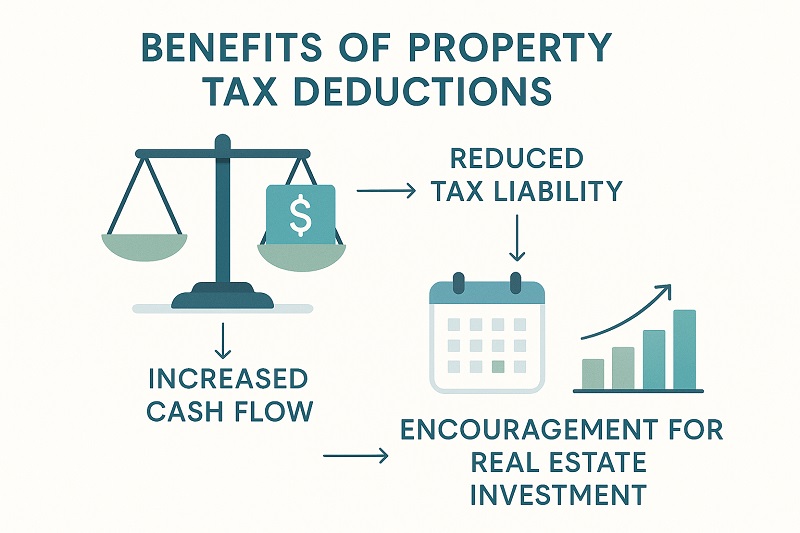
If you’re a homeowner past the age of 50, property tax deductions can be a gold mine for saving on taxes. By effectively applying these deductions, you can mitigate the impact on your income and secure your financial future. Not only do they reduce the overall burden on your taxable income, but they can also enhance your retirement nest egg. Mastering the intricacies of these deductions requires strategic tax reporting and understanding their influence on income tax calculations.
Strategies for Accurate Tax Reporting
Accurate tax reporting is critical in fully leveraging property tax deductions, especially for homeowners over 50. This age group often finds themselves dealing with a myriad of financial responsibilities, from remaining mortgage commitments to retirement savings strategies. By strategically approaching your tax filing, you can maximize the potential savings from these deductions. The first step is ensuring you have a comprehensive understanding of your property taxes and amounts deductible under IRS guidelines. It’s crucial to maintain meticulous records of your tax payments throughout the year, as document accuracy directly impacts your potential savings.
Investors should be sure to obtain a detailed yearly account statement from their local tax authority or escrow account manager. This document highlights the total taxes paid, which is the number you’ll report when filing your returns. Accuracy here cannot be overstated, as misreported taxes might result in missed deductions or, worse, penalties from the IRS. When in doubt, consulting with a tax professional familiar with property tax nuances can provide clarity and ensure you file compliantly.
An often-overlooked strategy involves timing your tax payments to maximize deductions. If you pay property taxes in installments, consider paying ahead , paying installments due the following year by December 31 allows you to claim them earlier in your tax filings, effectively boosting your deductible amounts. This approach requires careful cash flow management, but the rewards can be substantial when planned correctly.
Another essential aspect is to stay updated with legislation changes that may affect property tax deductions. Whether your home is your primary residence or a secondary property, tax laws may evolve, creating both challenges and opportunities for savers. Finally, remember that deductions apply to taxes paid at the local and state levels, so keeping abreast of these separate systems is pivotal. By deploying a comprehensive and informed reporting strategy, homeowners can unlock substantial financial benefits and preserve more of their income post-retirement.
Impact on Income Tax Calculations
The impact of property tax deductions on income tax calculations cannot be understated, offering a significant opportunity for homeowners to lower their overall tax liability. By decreasing taxable income, these deductions directly affect the bottom line of your federal tax return, presenting a clear path to enhance savings and financial stability. Understanding the intricate ways in which these deductions interplay with your total income is essential for developing a robust tax strategy.
First, it’s important to note that property tax deductions are taken on Schedule A of your federal tax return, under itemized deductions. This process becomes beneficial for those whose total itemized deductions exceed the standard deduction, which can be the case for homeowners with substantial property tax or mortgage interest payments. This deduction effectively reduces your adjusted gross income (AGI), leading to potential savings not only on federal taxes but also on state taxes where applicable.
For investors, a lower AGI opens up additional tax benefits and credits that they might otherwise be phased out of, due to income limits. By strategically lowering your AGI, you might qualify for tax credits such as the Retirement Savings Contributions Credit, potentially augmenting your savings further. This aspect is particularly valuable for those nearing retirement, where every dollar conserved contributes significantly to long-term financial health.
Furthermore, property tax deductions can collaborate with other tax strategies, such as maximizing mortgage interest deductions or capitalizing on potential capital gains exclusions if selling a home. Understanding how all these elements fit into your tax calculations helps in building a cohesive tax-saving portfolio. If you’re married, filing jointly can compound these benefits, as you’re able to leverage larger deductions, further reducing your taxable income.
It’s worth considering professional tax advice to tailor strategies uniquely aligned to your situation. Tax advisors can navigate complex scenarios that involve multiple properties or joint ownership, ensuring every possible deduction is captured. The ultimate goal is to minimize your tax burden without sacrificing compliance, thereby channeling savings toward enhancing your retirement plans or diversifying your investment portfolio. By astutely applying property tax deductions within your income calculations, you’ll safeguard your financial interests and unlock potential revenue for future endeavors.
Leveraging Home Equity Loan Deductions
Homeowners over 50 can significantly benefit from utilizing home equity loan deductions, aiding in achieving greater financial stability and tax savings. By tapping into these deductions, you may reduce your taxable income and enhance retirement savings, an essential strategy amidst constant financial commitments. Understanding the intricacies of home equity loans and the potential tax breaks can unlock otherwise overlooked opportunities. Embracing these deductions not only lowers your tax burden but also improves your financial portfolio, ensuring a more secure economic future.
Understanding Interest on Home Equity Loans
Diving into the specifics of home equity loan interest offers untapped potential for financial relief, especially for homeowners over 50 contemplating long-term wealth management. When you take out a home equity loan, the interest payments may become deductible, effectively lowering your taxable income. This opportunity is crucial for individuals managing multiple financial obligations, such as mortgage repayments or growing retirement savings. Often, it’s the nuances of these loans and their associated tax breaks that go unnoticed, missing a vast opportunity for economic optimization.
The crux of leveraging this tax break lies in comprehending the IRS guidelines surrounding deductible loan interest. Primarily, any interest on your home equity that you’ve utilized to significantly enhance the value of their property often qualifies as deductible. Think major renovations or critical home improvements that could boost the future resale value of your property. By understanding which expenditures are eligible, you position yourself to methodically architect your tax strategy, ensuring you’re not overpaying taxes unnecessarily.
Accurate record-keeping is pivotal here. It’s not just about knowing that you’re eligible for certain deductions, but also having the corroborative documents, like receipts and loan agreements, to substantiate your claims. Such meticulous documentation can prevent disputes during possible IRS inquiries, guaranteeing you can claim every eligible deduction. Essentially, this involves regularly checking statements from your loan account to monitor interest payments accurately, avoiding costly errors when filing returns.
Heightening the advantages of deductible home equity interest, joint filers can experience compounded benefits with enhanced savings. Couples who qualify can effectively double their deductible amount with strategic loan structuring and cohesive filing, maximizing tax returns effectively. This collaborative approach results in extensive fiscal solvency, anchoring your retirement plans not just adequately, but substantially more secure.
To maximize these benefits further, consider consulting a financial advisor for personalized guidance. Professionals can aid in maximizing the scope of deductions, ensuring no detail is overlooked as part of a comprehensive tax strategy. They assist in weaving together the intricate elements of loans, tax breaks, and financial commitments, creating a unified blueprint for achieving financial success. Don’t let potential savings slip by, optimize your approach to home equity loans for a financially stable tomorrow.
Utilizing Deductible Points for Tax Savings
Exploring the world of deductible points can significantly enhance your tax savings as a homeowner. These points, often overlooked, offer valuable tax breaks by lowering your taxable income. Particularly beneficial for homeowners over 50, understanding how to leverage these points is crucial. Whether you’re paying points to secure a lower interest rate or engaging in a new mortgage process, effectively utilizing these points can provide substantial financial relief. By incorporating the strategy of deductible points into your tax filing, you can decrease your overall tax liability and optimize your income for future stability.
How Points Can Enhance Tax Breaks
For homeowners, especially those entering their golden years, every dollar saved is important for bolstering financial security. Deductible points, often incurred during mortgage initiation or refinancing, serve as a strategic tool to enhance tax breaks. By understanding how these points work, you can truly capitalize on their potential benefits. Essentially, points are fees paid directly to the lender at closing in exchange for a reduced interest rate. A single point is typically 1% of your total loan amount, and they can provide a dual advantage: potentially lowering your monthly mortgage payments and offering tax deductions. This makes them a keen interest for savvy investors looking for comprehensive savings tactics.
When it comes to taxes, the IRS recognizes these points as prepaid interest. This is where savvy homeowners, particularly those over 50, can derive substantial benefits. By deductibly incorporating points into your tax strategy, you not only lower your overall taxable income but also potentially increase residual cash flow, ideal for retirement savings or reinvesting in your home. The primary caveat is ensuring these points are eligible based on IRS standards. If the points were paid on a new or refinanced mortgage against your primary home, they could typically be deducted in the year they are paid. An astute investor or homeowner can leverage this to immediately improve their tax situation.
However, timing is crucial. For refinancing scenarios, points must generally be deducted proportionally over the life of the loan, providing an incremental annual benefit rather than a lump sum deduction. This requires careful planning and documentation. Homeowners should maintain comprehensive records of mortgage statements, closing documents, and transaction histories. By systematically tracking these, you avert disputes or costly errors during IRS audits. Many homeowners miss out on this lucrative opportunity simply due to oversight or inadequate record-keeping. Therefore, integrating meticulous documentation practices into your financial routine becomes indispensable.
Spouses can also exploit these deductions more effectively by crafting a joint tax strategy. If both partners qualify, filing jointly can maximize their returns, doubling the potential deductions. Such strategic planning is, without doubt, empowering for those nearing retirement, who are seeking to stretch their savings extensively over the coming years. Furthermore, as you work through the implications of utilizing deductible points, it’s wise to liaise with tax advisors who can offer tailored advice, ensuring every point fulfills its financial potential. Ultimately, exploring these overlooked tax breaks can yield considerable advantages, enhancing your financial portfolio as you approach the later stages of life. Don’t miss the chance to optimize these powerful savings tools for a secure future.
Navigating the world of tax breaks can be daunting, but homeowners over 50 have unique benefits that can significantly enhance financial wellness. From capital gains exclusions to property tax exemptions, these often-overlooked breaks present valuable opportunities. By staying informed and proactive about these tax benefits, you can optimize your savings and secure a more comfortable retirement. Don’t hesitate to consult with a knowledgeable tax professional to ensure you’re capitalizing fully on these opportunities. Remember, understanding tax benefits is not just about saving money, it’s about planning for a financially secure future.
FAQ: 7 Tax Breaks Homeowners Over 50 Often Miss
What are the main tax benefits for homeowners over 50?
Homeowners over 50 can access key tax breaks like deductible mortgage interest, property tax deductions, and potentially larger standard deductions due to age, which help lower taxable income and enhance retirement savings.
Can mortgage interest on home equity loans be deducted from taxes?
Yes, the interest on home equity loans used for significant home improvements can often be deducted, which reduces yearly tax liability. Maintaining accurate records of loan applications and improvements is essential for this deduction.
What are deductible points and how do they benefit taxpayers?
Deductible points are fees paid to reduce interest rates. They can be deducted from taxes either in the year paid or spread over the life of a loan, potentially reducing taxable income and giving additional savings.
How do property tax deductions impact financial stability?
Property tax deductions lower a homeowner’s taxable income, resulting in immediate savings. This approach enhances financial stability by increasing disposable income, which could be used for retirement savings or other investments.
Is a consultation with tax professionals necessary for maximizing tax breaks?
Consulting with tax professionals is recommended as they provide detailed guidance on utilizing tax breaks efficiently. Expert advice ensures that all benefits are leveraged and compliance with IRS regulations, optimizing financial outcomes for homeowners over 50.