
Planning for retirement can seem like navigating through a maze, with countless paths leading toward your golden years. As an investor, ensuring financial stability requires very careful consideration of many factors. Establishing a practical roadmap for retirement is paramount not only for maximizing savings but also for minimizing worries. This article will delve into the three essential elements you need to focus on when planning your retirement, offering insights and strategies that can help you achieve the lifestyle you envision. Embark on this journey with us, and turn your retirement dreams into a fulfilling reality.
Brief Overview
Planning for retirement involves many factors, with a focus on starting early to maximize savings through compound interest and leveraging employer benefits. A robust retirement plan includes a strategic mix of diversified investments, integrating both growth and income-focused assets, and coordinating social security benefits to enhance income. Engaging a financial advisor early can optimize these strategies, adapting to life changes. Additionally, it’s essential to plan for healthcare and unexpected expenses, using financial tools and advisement to safeguard against financial stress. Secure your financial future by adopting these strategies and begin the journey toward a fulfilling retirement.
Key Highlights
- Starting early in retirement planning maximizes savings potential and allows flexibility to adjust strategies as life circumstances change.
- A robust retirement plan requires understanding retirement accounts, diversifying investments, and optimizing social security benefits.
- Engaging a financial advisor early can enhance investment strategies, optimize social security, and incorporate estate planning.
- Calculating future income needs involves estimating expenses, identifying income streams, and considering inflation’s impact on purchasing power.
- Diversifying your investment portfolio with a mix of growth and income-focused assets strengthens financial stability and resilience.
Understanding the Basics of a Retirement Plan
Grasping the essentials of retirement planning can pave the way for a secure and enjoyable retirement. By starting early and understanding the key components of a robust retirement plan, investors can optimize their financial future. This involves considering factors such as the timing of retirement, leveraging the benefits of retirement accounts, and integrating various investment strategies. With the guidance of a knowledgeable financial advisor, navigating the complexities of social security and retirement benefits becomes more manageable. Let’s delve deeper into why beginning early is crucial and what makes up a comprehensive retirement plan.
Importance of Starting Early
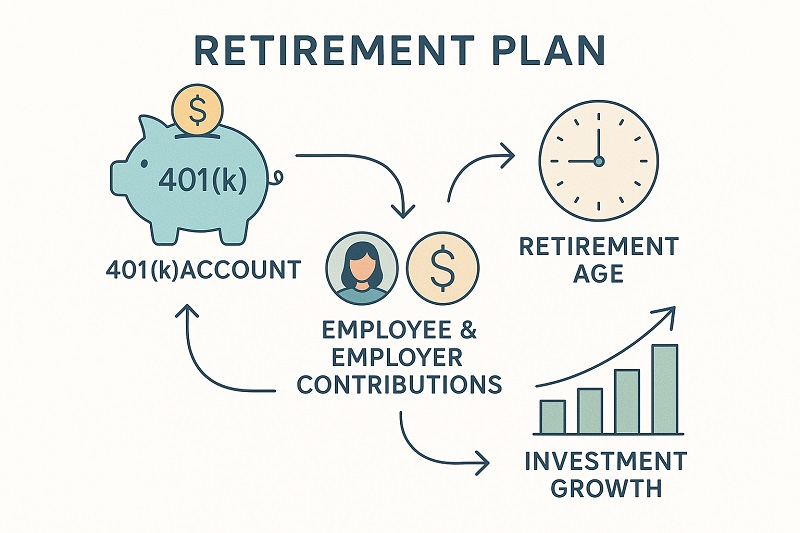
For investors, the mantra “time is money” rings particularly true when it comes to retirement planning. Starting early in your retirement journey not only maximizes your potential savings but also provides the opportunity to leverage compound interest. Imagine you begin contributing to a retirement plan in your 20s; by the time you reach full retirement age, the accumulated interest on your investments could far exceed your initial contributions. This underscores why age is a critical factor in planning, as starting early allows more time for your investments to grow.
Moreover, initiating a retirement plan early provides flexibility in adjusting your savings strategy. If life circumstances change, such as a new career path or unexpected expenses, having an ample timeline enables you to modify your savings rate or investment allocations without the pressure of imminent retirement. Early planning also facilitates setting realistic goals for retirement savings, ensuring you can enjoy the desired lifestyle without financial stress.
Another advantage of starting early is the ability to take full advantage of employer-sponsored retirement benefits. Many employers offer matching contributions to retirement accounts like 401(k)s, which can significantly amplify your retirement savings. By beginning your retirement savings plan at a young age and contributing consistently, you’re more likely to reach your financial targets and even surpass them.
Engaging a financial advisor early in the process can make all the difference. Advisors can provide tailored advice on investment strategies, social security benefits, and the most effective ways to diversify your retirement accounts. As you build your retirement portfolio, an advisor’s expertise can ensure your investments align with your long-term retirement goals, safeguarding your financial future.
Components of a Robust Retirement Plan
A well-rounded retirement plan stands on several essential components, each contributing to a financially secure future. Firstly, understanding and selecting the right retirement accounts is paramount. Options like 401(k)s, IRAs, and Roth IRAs are integral to building a diversified portfolio. Each account type offers unique benefits and implications for taxes, so engaging with a financial advisor can help clarify which accounts best suit your financial situation and future needs.
Investment strategy is another cornerstone of a robust retirement plan. Diversifying your investment portfolio and incorporating a mix of assets, from stocks and bonds to real estate, can mitigate risks and enhance potential returns. While timing the market is often ill-advised, strategically allocating assets with the guidance of a financial advisor can optimize your returns over time. Balancing growth investments with more stable, income-generating assets can ensure your savings continue to grow throughout your retirement years.
Social security benefits make up a significant component of retirement income for many. Understanding how social security integrates into your overall plan is crucial. The age at which you choose to start drawing benefits can significantly impact the monthly amount you receive. Consulting with an advisor about the timing of social security benefits, alongside other income streams, can maximize your retirement income and enhance your financial security.
Services provided by financial advisors can also incorporate estate planning into your retirement strategy, ensuring your assets are efficiently transferred to loved ones. By regularly reviewing your retirement plan, assessing benefits, and adjusting strategies as necessary, you maintain alignment with changing goals and financial landscapes. Comprehensive retirement planning is about creating a strategy that adapts over time, securing your financial peace of mind.
Here are additional considerations to enhance your retirement strategy further:
- Diversify investments across various asset classes to mitigate risks and capitalize on market opportunities.
- Regularly review and adjust your retirement savings goals to reflect changes in income, expenses, and life circumstances.
- Consider healthcare costs by investing in a Health Savings Account (HSA) or similar tools for future medical expenses.
- Explore part-time work or consulting opportunities during retirement to supplement income and stay engaged.
- Assess tax-efficient withdrawal strategies to minimize tax liabilities and maximize retirement income.
Incorporating these elements will fortify your retirement plan, ensuring a financially secure and adaptable future.
How to Determine If You Might Have Enough Money for Retirement
Retirement planning is a journey that demands careful consideration of various financial aspects. One critical question is whether you might have enough money to sustain your lifestyle post-retirement. By diligently assessing your current financial position and calculating your future retirement income needs, you can create a solid plan. Understanding the balance between your existing savings, expected retirement income, and future expenses will guide you toward a more secure retirement. These considerations help ensure that you’re on track and prepared to enjoy your golden years without financial worries.
Assessing Your Current Financial Position
As an investor, carefully assessing your current financial position is crucial in determining whether you might have enough money to retire comfortably. Start by evaluating all your income sources, including salary, passive income, and returns from investments. Take stock of your retirement accounts such as 401(k)s, IRAs, and any other savings dedicated to retirement. Each of these plays a pivotal role in your overall financial strategy, and understanding their current status can illuminate where you stand in terms of reaching your retirement goals. By examining your financial accounts, you can uncover insights into the health of your savings and the growth trajectory needed to meet your retirement objectives.
Age becomes a significant factor when assessing your finances. The younger you are, the greater the potential to leverage compound interest, making early investment far more beneficial. Contrast this with someone approaching retirement age who might need to employ more aggressive or strategic investments to accumulate enough retirement income. With the help of electronic banking services, you can easily track your financial status, making it simpler to manage and adjust your investments as necessary.
However, financial security isn’t just about the right numbers on a bank statement. It’s essential to consider the tax implications of your accounts as they can impact the net income you’ll eventually rely on. Engage with financial advisors to explore tax-efficient strategies that boost your retirement income. They can recommend specific accounts to maximize tax benefits while ensuring you still reach your financial targets.
Ultimately, assessing your financial position doesn’t end with numbers. It’s an ongoing process that aligns with your evolving life circumstances and goals. Regular reviews and updates to your financial strategy ensure you remain on course to enjoy a financially stable retirement. Comprehensive understanding and strategic adjustments to your finances can significantly enhance your financial security for the years to come.
Calculating Future Retirement Income Needs
Calculating your future retirement income needs is a critical task in ensuring you have enough money for the retirement lifestyle you desire. Start by estimating how much income you’ll need on a monthly and annual basis to maintain your current or desired lifestyle. Factor in everyday expenses such as housing, food, and utilities, alongside discretionary spending like travel and hobbies. Remember also to account for inflation, which will affect purchasing power as the years go by. Your estimate should be comprehensive, covering all areas of expected expenditure.
Next, consider the streams of income you can rely on during retirement. These may include social security benefits, pensions, investment dividends, and any part-time work income. Each income source adds a layer of security to your financial plan. It’s crucial to understand the optimal time to draw on these benefits, as the age you begin collecting social security impacts the amount you receive. A financial advisor can provide insights into when and how to use these resources, maximizing the income you generate from each source.
Investment plan plays a significant role in augmenting your retirement funds. It’s important that your investment strategy is set up to sustain income through stocks, bonds, or real estate, with an eye towards balance between risk and potential reward. As you approach retirement, adjusting your portfolio to reflect a more income-focused strategy while maintaining growth potential is advisable. Tailoring investments to cater for age, risk tolerance, and retirement timeline is where savvy planning meets practicality, leading to enhanced benefits.
Lastly, don’t forget about the importance of an emergency fund, which can cover unexpected expenses like medical bills or home repairs. Cushioning your retirement savings with a buffer fund ensures that unforeseen costs don’t derail your financial security. By aligning your retirement plan with a clear and thorough calculation of income needs, you’ll be better prepared to enjoy a stress-free retirement, knowing your financial foundation is robust and reliable.
Investment Strategy for Retirement Savings
As you plan for retirement, developing a robust investment strategy for your retirement savings is crucial. The right strategy involves a diverse portfolio that can weather market fluctuations and support long-term financial goals. You’ll want to align your investments with your retirement timeline and risk tolerance, exploring options like stocks, bonds, and other assets. Additionally, incorporating long-term growth options into your investment plan can boost your retirement income. An effective strategy not only secures your financial future but also maximizes the benefits of compounding returns as you approach retirement age. Let’s dive into how to diversify your investment portfolio and incorporate long-term growth investments.
Diversifying Your Investment Portfolio
Diversifying your investment portfolio is a key component of an effective investment strategy for retirement savings. As an investor, you want to mitigate risks while positioning yourself for potential returns. Achieving balance across different asset classes, including stocks, bonds, mutual funds, and perhaps real estate, can provide financial stability and growth. A diversified portfolio reduces the impact of any single asset’s poor performance, allowing your retirement savings to remain resilient through market fluctuations. By diversifying, you’re not putting all your eggs in one basket, maintaining the ability to adapt to changing financial landscapes.
Investors often find that diversifying involves a mix of both growth and income-focused assets. Growth investments, such as equity funds, offer potential for substantial returns, but they come with higher volatility. On the other hand, fixed-income investments like bonds provide reliable returns and can cushion the portfolio against downturns. A balanced approach ensures that your portfolio supports both immediate and long-term objectives. With the guidance of a financial advisor, you can strategize to meet your retirement savings goals by aligning your investment choices with your timeline and risk tolerance.
Different age groups might prioritize diverse approaches within their portfolios. Younger investors often lean towards a growth-centric portfolio, taking advantage of the time available before retirement to ride out market volatility. Conversely, those closer to retirement age may shift focus towards income-generating investments to secure consistent financial support. Additionally, utilizing banking tools can streamline the management of your portfolio, offering insights into performance and areas for adjustment.
A comprehensive diversification strategy will also keep an eye on geopolitical events and industry shifts, adapting to ensure consistent performance. As you move forward, it’s essential not only to establish a diversified portfolio but to regularly review and rebalance it. This ongoing process ensures that your investment strategy remains aligned with your changing financial goals and market conditions. By diversifying wisely, your portfolio can accommodate life’s unpredictabilities while continuing to grow and sustain your retirement savings.

Incorporating Long-Term Growth Options
Incorporating long-term growth options into your investment strategy is essential for building a substantial nest egg. As an investor focused on retirement savings, identifying assets that offer potential for growth over extended periods can make a significant difference in your portfolio’s value at retirement age. These options provide compounding returns, ultimately contributing to a more secure and dynamic retirement plan. Selecting investments that focus on capital appreciation instead of immediate income can bolster your long-term financial objectives.
Emphasizing growth options requires a keen understanding of market trends and future growth industries. Investments in sectors like technology and green energy often attract attention due to their innovative potential and long-term sustainability. As an informed investor, seeking out companies with solid fundamentals and growth prospects can lead to compelling returns over the years. Risk management is crucial, however, and consulting a financial advisor can provide insights into balancing these forward-thinking investments with safer options.
One strategy to consider is dollar-cost averaging, where you invest a fixed sum regularly into chosen assets, regardless of market conditions. This approach allows you to buy more shares when prices are low and fewer when they are high, averaging out your investment cost over time. This method can be particularly effective for long-term growth assets, smoothing out market volatility impacts. It ensures that your portfolio remains on course towards your long-term retirement goals.
Besides equities, take advantage of tax-advantaged accounts, like Roth IRAs, where growth occurs tax-free, allowing you to maximize the benefits of these growth investments without the burden of taxes eroding your returns. By mingling such tax-efficient strategies with growth-oriented investments, you enhance your portfolio’s ability to meet future financial needs.
Finally, regularly reviewing your investment plan and adjusting for market fluctuations is crucial for staying aligned with your retirement timeline and evolving risk tolerance. Proactive management and the inclusion of long-term growth options within your portfolio can significantly enhance your retirement savings potential, ensuring you have a robust financial foundation for your golden years.
The Role of a Financial Advisor in Retirement Planning
In the realm of retirement planning, a financial advisor is more than just a guide, they’re a strategic partner in ensuring a secure future. Timing is crucial, and knowing when to consult an advisor can greatly influence your retirement outcomes. Professional guidance comes with numerous benefits, helping you navigate complex financial landscapes with tailored strategies and insights. Expanding your investment portfolios, optimizing income sources like social security, and coordinating retirement accounts with evolving needs are areas where an advisor excels. Let’s explore when to engage their services and the myriad advantages they offer.
When to Consult a Financial Advisor
Timing is everything when it comes to financial planning, especially regarding your retirement. Knowing when to consult a financial advisor can make a significant difference in achieving your retirement goals. Ideally, you should involve a financial advisor as early as possible in your planning process. The earlier you engage with an advisor, the more time you have to build a comprehensive retirement strategy that adapts to life changes. Early consultation enables you to align your financial goals with potential investment opportunities, ensuring you’re maximizing your growth potential through compounding returns and efficient management of retirement accounts.
An advisor’s role is particularly crucial when approaching key milestones, such as when your children leave for college or as you begin contemplating a retirement plan. As you approach these stages, your financial needs and goals may shift, requiring adjustments in your savings strategy, asset allocation, and income-generating plans. Consulting with an advisor offers a proactive approach to refine your plans, providing professional advice on adjusting your investment portfolio according to market trends and risk tolerance.
Additionally, reaching out to an advisor makes sense whenever significant life events occur, such as marriage, career shifts, or receiving an inheritance, that might alter your financial landscape. These junctures provide unique opportunities for an advisor to suggest tax-advantaged investment options and strategies to enhance your income streams during retirement. Financial advisors are well-equipped with services that range from banking to investment management, offering an integrated approach to building a robust financial future.
For those nearing retirement age, consulting an advisor can be crucial in planning for immediate income needs and establishing a sustainable withdrawal strategy from retirement accounts. It’s not just about sustaining income but maximizing it, whether through pensions, social security benefits, or dividends. An advisor guides optimizing these sources while navigating the complexities of care costs and inflation, thus safeguarding your financial well-being through retirement.
To summarize, consulting a financial advisor should be seen as an ongoing relationship rather than a one-time event. The interaction should evolve, aligning with your financial journey’s timing and the dynamic nature of life itself. By creating a robust partnership with an advisor, you’re better positioned to craft a retirement plan that is resilient, flexible, and aligned with your long-term objectives.
Benefits of Professional Guidance
Understanding the benefits of professional guidance in retirement planning is fundamental for investors looking to secure their financial future. A financial advisor’s expertise can illuminate paths and strategies an individual might overlook, offering personalized advice tailored to your unique financial situation. One of the primary benefits of engaging a professional lies in their ability to provide a comprehensive analysis of your current financial standing, pinpointing areas for growth and efficiencies in your retirement plan.
Financial advisors bring a wealth of experience to the table, offering valuable insights into accumulating savings, maximizing social security income, and enhancing your retirement accounts. Their role extends beyond mere financial services; they become your strategic allies in planning your transition into retirement. For instance, advisors help optimize the timing of withdrawals from your accounts, such as IRAs or 401(k)s, coordinating these with tax implications to enhance your net income.
Moreover, professional guidance shines when considering the diversification of your investment portfolio. An advisor helps you balance growth-oriented assets with stable income options, ensuring that your retirement savings withstand market volatility while flourishing over time. Understanding the intricacies of market risks and the implications of global economic shifts is seldom within reach for the casual investor, but it’s within the wheelhouse of a skilled financial advisor.
Navigating the nuances of social security benefits is another area where advisors excel. They analyze your timing options and life expectancy, providing strategies to maximize your benefits over time. Advisors also offer guidance on incorporating supplemental sources of income, whether through annuities or rental properties, broadening your financial safety net during retirement.
Crucially, financial advisors also assist in preparing for care costs, an often overlooked aspect of retirement planning. They offer strategies to protect your assets if significant medical expenses arise, incorporating considerations into your retirement strategy that might otherwise be neglected. This foresight ensures that your retirement funds can manage unexpected expenses without compromising your lifestyle or financial security.
Ultimately, the role of a financial advisor is to provide peace of mind by designing a retirement plan that meets your personal goals and standards. By integrating their advice and insights, you’re ensuring that your financial decisions are informed, strategic, and aligned with your long-term aspirations. Professional guidance transforms the way you approach retirement planning, delivering benefits that resonate well beyond financial metrics, supporting both peace of mind and the achievement of your envisioned retirement lifestyle.
Spending Your Retirement Years Wisely
Navigating the nuances of how you spend your retirement years can significantly affect your long-term happiness and financial security. As an investor, it’s crucial to develop strategies to maximize your retirement income while safeguarding against unexpected expenses like healthcare costs. By planning wisely and maintaining a detailed focus on income streams, care costs, and financial security, you can ensure that your retirement years are comfortable and fulfilling. Let’s explore effective strategies for sustainable retirement income and learn how to plan for healthcare expenses and other unforeseen costs.
Strategies for Maximizing Retirement Income
Maximizing retirement income is a fundamental part of spending your retirement years wisely. A strategic approach to retirement income begins with a clear understanding of all potential income streams. Social Security is often a cornerstone of retirement finances, but optimizing when you take these benefits is crucial. For instance, delaying benefits beyond the full retirement age can increase your monthly income, providing greater financial security in the long term. It’s not just about when you start collecting; it’s also about how it fits into your broader strategy. For many, incorporating this into a comprehensive retirement plan with diversified accounts like 401(k)s and IRAs can enhance financial stability.
Moreover, effective tax management can play a significant role in maximizing retirement income. Understanding the tax implications on retirement withdrawals ensures you retain more of your money. For instance, considering the benefits of Roth IRAs, where qualified distributions are tax-free, or strategically withdrawing from taxable accounts to keep the overall tax burden low can significantly increase income streams. Engaging with a financial advisor can provide insights into these strategies, ensuring they’re tailored to your unique situation.
Consider diversification and investment strategy as integral parts of maximizing income. By maintaining a balanced portfolio that blends growth and income-focused investments, you cushion against market volatility while optimizing returns. Smart investment strategies should align with your retirement timeline and risk tolerance, incorporating assets that support sustained income through retirement. An adept strategy might include growth stocks for greater returns and bonds for steady income, thereby securing stability and opportunity.
Ultimately, the goal is to stretch every dollar to maintain your desired lifestyle without financial stress. By incorporating a robust investment strategy, effective tax management, and well-timed social security benefits, you can maximize your retirement income. It’s about ensuring that your financial plan isn’t just about survival but thriving throughout your retirement years. Utilizing these strategies doesn’t just safeguard your financial future; it allows you to focus on enjoying your retirement, embarking on new adventures, and finding peace of mind.
Planning for Healthcare and Unexpected Expenses
In any retirement plan, preparing for healthcare and unexpected expenses is vital in fortifying your financial security. Healthcare costs can rapidly escalate in retirement, especially as you age. Understanding healthcare coverage options, such as Medicare, is crucial. However, it’s essential to recognize that Medicare doesn’t cover all healthcare expenses, leaving a gap that needs strategic planning. Evaluate supplemental insurance options, such as Medigap or long-term care insurance, which can offer additional financial protection and peace of mind.
Beyond healthcare, crafting a contingency plan for unexpected expenses is indispensable. Life is unpredictable, and having a cushion for unforeseen costs, like home repairs or medical emergencies, is wise. Consider setting aside a portion of your savings into a dedicated emergency fund. This reserve acts as a financial buffer against uncertainties without affecting your primary retirement savings.
Emphasizing a holistic approach to retirement planning that considers both expected and unpredictable expenses will ensure a financially sound future. Keeping track of healthcare costs and other potential expenses can be facilitated by digital tools and services, allowing for better financial planning and adjustments in real-time. Comprehensive planning involves regularly reassessing healthcare strategies and ensuring you’re covered as needs evolve.
Financial advisors can be instrumental in this aspect, integrating healthcare expenses into your broader financial strategy. They provide insights into optimizing benefits like Health Savings Accounts (HSAs), which offer tax advantages when saving for retirement healthcare expenses. An HSA, accompanied by high-deductible health plans, can bolster your capacity to handle care costs efficiently, as contributions are tax-deductible, and withdrawals for qualified expenses are tax-free.
Ultimately, planning for healthcare and unexpected expenses is not just about addressing immediate needs but securing financial longevity and peace of mind in your retirement years. By proactively managing these elements, you stabilize your finances, enabling you to focus on enjoying your golden years without the distress of financial burdens. Careful and calculated planning ensures your retirement remains as enjoyable and fulfilling as possible.
Embarking on your retirement planning journey may seem daunting, but a strategic approach can turn it into an empowering experience. By prioritizing your financial goals, exploring diversified investment strategies, and considering future healthcare needs, you’re setting yourself up for a more secure and fulfilling retirement. Remember, the sooner you start, the more control you’ll have over your financial destiny. If you’re ready to make the most of your retirement, consider downloading our comprehensive retirement planning guide for expert tips tailored to your needs. Your future self will thank you.
FAQ: 3 Top Things to Consider When Planning Your Retirement
Why is starting early important in retirement planning?
Beginning retirement planning early allows you to capitalize on compound interest, increasing your savings significantly over time. By investing from a young age, your contributions have more time to grow, laying a strong financial foundation for your future.
How can a financial advisor help with retirement planning?
Financial advisors provide tailored strategies that align with your long-term goals. They assist with optimizing social security benefits, diversifying investments, and crafting plans for estate transfers, ensuring you maximize your financial resources.
What are the key components of a robust retirement plan?
A comprehensive retirement plan includes diversified investments, strategic use of retirement accounts like 401(k)s and IRAs, and optimized social security benefits. It also addresses healthcare and unexpected expenses, offering a holistic approach to financial security.
How to calculate future income needs for retirement?
Estimate your future expenses by accounting for regular costs, discretionary spending, and inflation. Identify income sources, such as social security and investment returns, to ensure you can maintain your desired lifestyle.
Why is diversifying your investment portfolio important?
Diversification minimizes risk by spreading investments across different asset classes, such as stocks, bonds, and real estate. This approach offers resilience against market fluctuations, enhancing financial stability for retirement.