

Navigating the maze of tax laws can be daunting, especially when it comes to maximizing returns for middle-class families. Many rush through the process, potentially missing out on significant tax breaks and deductions. This guide aims to shed light on commonly overlooked benefits, offering practical tips to ensure an accurate and profitable tax filing. With expert insights, you’ll learn to avoid hasty filings and discover savings opportunities that can make a substantial difference. Unlock hidden benefits today and take control of your tax strategy with confidence!
Key Highlights
- Rushing to file taxes can lead to missed key deductions, affecting middle-class families’ refunds significantly.
- Understanding overlooked tax elements like the Earned Income Tax Credit can maximize refunds for eligible families.
- The IRS offers valuable resources and guidance to assist in accurate tax filing and maximizing credits.
- Consulting tax professionals can uncover hidden deductions, enhancing overall tax returns and financial positioning.
- Meticulous planning and leveraging updated tax codes ensure maximum refunds before the filing deadline.
The Common Mistakes in Tax Filing for Middle-Class Families
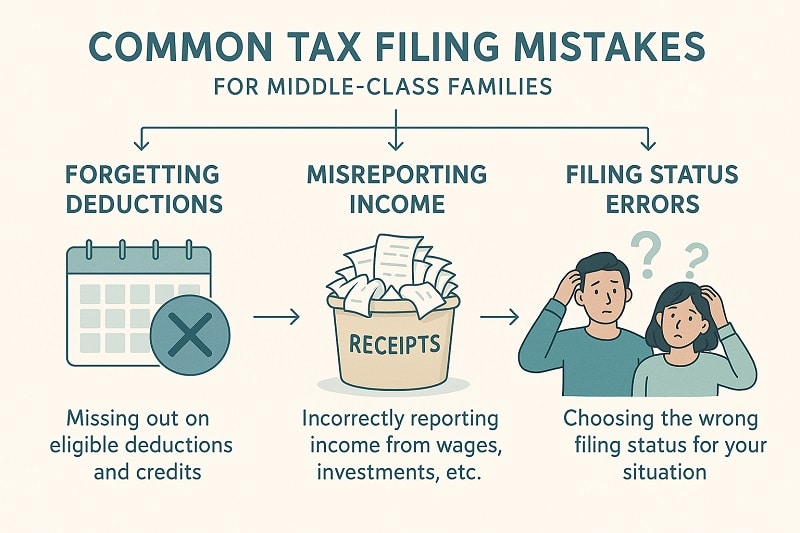
Middle-class families often grapple with the complexities of tax filing during the hectic filing season. Unfortunately, the rush to apply for refunds sometimes leads to skipped tax breaks, a reality many don’t realize until it’s too late. In their haste to file their taxes, many families miss critical tax benefits that could significantly enhance their refunds. By understanding the common pitfalls in rushing tax returns, you can avoid these common mistakes and maximize the tax benefits available. Let’s explore the pressures of filing quickly and the major impacts of missing out on key deductions.
Understanding the Pressure to File Quickly
For middle-class families, the annual ordeal of tax filing can sometimes feel like a race against the clock. The pressure to file quickly often stems from the enticing prospect of obtaining a swift tax refund. However, this rushed returns approach can inadvertently be more costly in the long run. Families are often entangled in the mundane yet crucial task of gathering forms, receipts, and figuring out applicable tax codes. It’s this perceived boring work that drives many to file hastily, aiming to clear their plates of the burden rapidly. While it may seem efficient, rushing through your taxes increases the risk of overlooking valuable tax deductions or misapplying the standard deduction, both of which can lead a family to lose out financially.
Many middle-class families think faster filing means quicker results, yet the reality is far from that simple. The complexities of tax codes require diligent effort to understand, particularly as it applies to individual circumstances. For example, families may miss tax benefits from deductions they were unaware applied to them. This often stems from common misunderstandings about what they can claim. Instead of rushing, it’s wise to invest a little extra time upfront to scrutinize every possible tax benefit you could be eligible for. After all, small nuances in filing taxes can lead to substantial differences in refunds or tax liabilities.
This urgency also comes from the anticipation of getting back a refund as soon as possible. But by speeding through the vital details, individuals give up potential refunds that usually come with careful tax benefit applications. It’s a scenario where the haste does indeed make waste. As tax season approaches, it’s beneficial to pause and assess, could slowing down your filing process yield greater financial gain and safeguard you against errors? Proceed with caution, for a mindful approach to filing taxes may just prevent significant tax losses.
The Impact of Missing Key Tax Benefits
Missing out on key tax benefits can have a pronounced financial impact on middle-class families. Such oversights generally occur during rushed tax filing, where families might not fully realize the extent of available tax deductions and credits. Often, terms like ‘standard deduction’ are familiar, but their deeper nuances remain uncharted territory. When families miss opportunities like the Earned Income Tax Credit or deductions for educational expenses, the financial ramifications can be profound. Being unaware or underestimating these can lead to lost avenues for savings.
In everyday filing practices, several elements often slide under the radar. Tax credits like those for energy-efficient home upgrades or deductions for investment-related expenses can easily be overlooked in the hustle to file. The perception that these don’t apply to one’s situation is a common misconception and one that can be corrected with methodical preparation. Each tax season, the IRS updates various tax codes, and without diligently reviewing these changes, families stand to miss newly introduced benefits designed to ease the tax burden. Keeping abreast of such updates can make a significant difference and help avoid the pitfall of rushed returns.
A strategic approach to tax filing can significantly increase the financial advantage gained through applicable tax deductions. In a scenario where families aim to optimize returns, understanding and utilizing every tax benefit that applies could potentially sway the scales in favor of a bigger refund. This isn’t to say that filing should be delayed indefinitely, but investing time in understanding every applicable deduction is crucial. As an investor, consider how thoroughness in tax filing isn’t just about compliance; it’s a savvy financial strategy. By understanding and leveraging overlooked tax benefits, one can ensure a comprehensive approach that maximizes returns and minimizes lost opportunities.
Identifying Overlooked Tax Deductions
Amid the whirlwind of tax season, middle-class families often overlook potential tax deductions, sacrificing hard-earned money for lack of foresight. Identifying overlooked deductions such as the office deduction and the Earned Income Tax Credit can be game-changers for boosting refunds. Understanding these nuances not only saves but also maximizes financial returns. Grasping the full scope of applicable deductions is crucial, especially when the IRS continuously updates tax codes. By being aware of these opportunities, families can sidestep common pitfalls and garner greater financial benefits than simply rushing through their taxes.
How the Office Deduction Can Save More
The office deduction, often underestimated, can offer substantial financial relief for middle-class families. In the evolving landscape of work arrangements, where remote work is increasingly common, understanding the dynamics of this deduction is critical. The IRS allows eligible taxpayers to deduct expenses for the business use of their home if it serves as the principal place of business. This deduction’s potential savings depend on the understanding of rules and regulations, which many overlook due to the lure of quick filing for refunds. Yet, by meticulously sorting through applicable expenses like utilities, security systems, and even depreciation, families can uncover a goldmine of tax savings.
The key to maximizing the office deduction lies in having a dedicated workspace, which qualifies for the deduction under IRS guidelines. Families can apply the simplified option or itemize actual expenses, choosing the method that offers the greatest financial benefit. Each approach has its advantages; while the simplified option involves a fixed rate per square footage, itemizing can sometimes lead to greater deductions, depending on actual expenses incurred. This decision significantly sways the potential financial outcome and encourages a thoughtful review of one’s financial situation rather than hastiness in filing.
Dutiful calculating of office-related expenses can seem tedious and perhaps boring, but this dedication pays dividends when filing taxes. It’s important to keep meticulous records of these expenditures, from repairs and maintenance to utility bills. This preparation eliminates the bored disdain some feel when facing the arduous task of tax deduction paperwork. By embracing the diligence required rather than succumbing to the rush to file, families understand that these deductions offer substantial financial benefits. Consider the office deduction not as a cumbersome necessity but as a strategic financial maneuver that could result in significant tax savings for the well-prepared.
Ultimately, investing time in understanding the office deduction transforms tax filing from a chaotic rush into a strategic process that provides real financial returns. Families who wisely choose to slow down their filing process can claim a larger piece of what’s rightfully theirs, capitalizing on deductions often sorted as insignificant or inapplicable. It’s a clear example of how mindful financial planning aids in navigating the complexities of tax season efficiently while safeguarding familial wealth.
The Importance of the Earned Income Tax Credit
The Earned Income Tax Credit (EITC) stands as a crucial, yet frequently overlooked, tax credit that middle-class families should prioritize. It offers substantial benefits, particularly for families with modest incomes. By reducing the amount of tax owed and potentially delivering a sizable refund, the EITC serves as a significant financial boon, especially amidst economic pressures. Many families miss this credit simply due to a lack of awareness or misunderstandings about eligibility and application processes.
Eligibility hinges on various factors, including income level, the number of qualifying children, and filing status. For example, families with children can grandly benefit from this tax credit, as the potential for higher monetary returns increases exponentially with the number of qualifying children. However, the allure of filing quickly often eclipses the diligence needed to accurately determine eligibility and maximize the EITC’s potential. It’s crucial, therefore, that families take the time to carefully assess their eligibility, ensure accurate reporting, and consult available IRS resources if needed. The rewards are well worth the effort, transforming what might seem bureaucratic into an empowering financial strategy that enhances overall financial positioning.
Applying for the EITC requires detailed record-keeping and a firm understanding of one’s income and familial status. In practice, this means having necessary documentation, such as W-2 forms or records of investment income, readily available. While this might seem a daunting task amidst the stress of tax preparation, doing so effectively relieves a substantial financial burden, ensuring families aren’t leaving money on the table. Moreover, with the IRS updating its guidelines and monetary thresholds annually, staying abreast of these changes can make a significant difference in optimizing tax credits and amplifying refunds.
For middle-class families, understanding and applying the EITC is not just about following tax obligations; it’s about maximizing every opportunity for financial relief. Taking the time to fully comprehend this tax credit, alongside the standard deduction and other applicable benefits, turns the tide in favor of families eagerly striving for enhanced financial security. Make no mistake, the process isn’t merely about compliance but about strategically positioning oneself to seize every income-saving measure during tax season. Whether exploring the EITC or other deductions, arm yourself with knowledge and be prepared to reap significant financial gains.
Maximizing Tax Refunds Before the Deadline
For middle-class families, maximizing tax refunds before the filing deadline can make a notable impact on personal finances. By focusing on strategies that capitalize on available tax benefits, families can ensure they’re getting the most from their taxes. Deliberate planning around tax considerations and careful review of potential deductions, such as the standard deduction and other credits, can lead to a larger refund. As tax season approaches, emphasizing a thorough understanding of tax laws and deadlines avoids common pitfalls. With the right approach, optimizing your tax return enhances financial well-being.
Strategies to Optimize Tax Refunds
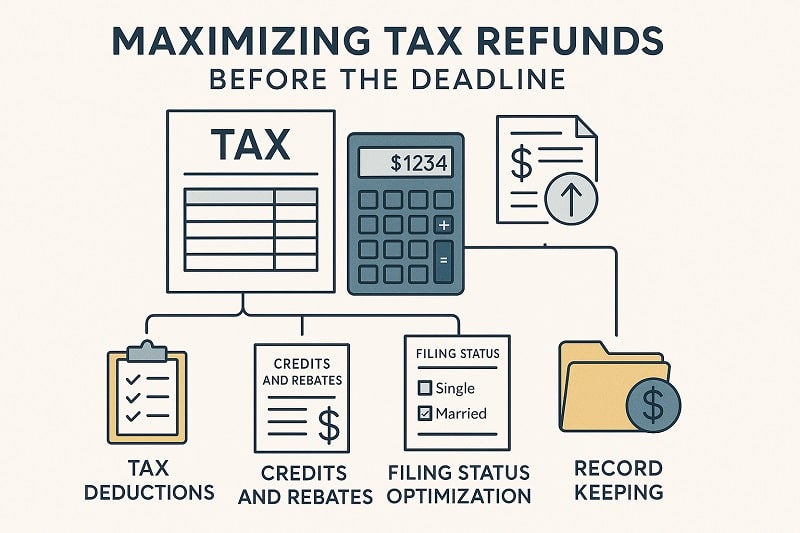
Navigating the world of tax refunds can feel daunting, but incorporating strategic steps can significantly optimize your returns. First and foremost, update yourself with the latest tax codes and IRS guidelines, as they often hold critical information for fine-tuning your filing strategy. Consider alleyways to maximize the likelihood of receiving a larger refund, such as meticulously evaluating possible credits and deductions. Often, middle-class families overlook credits like the Earned Income Tax Credit because they underestimate their eligibility or misinterpret rules surrounding deductions. Always confirm the requirements for credits and comprehensively document eligibility to prevent missed opportunities.
An impactful strategy is to leverage tax software tools or services that clarify tax scenarios and highlight areas you might have overlooked. Professional tax services can sometimes uncover credits or deductions you might miss alone, providing additional refund opportunities. Furthermore, investing in diligent record-keeping can significantly alter your tax outcomes. Keep precise records of annual expenses, charitable donations, and educational costs that can be used to legitimatize claims on your tax return. Thorough documentation helps substantiate deductible claims, diminishing the risk of an IRS audit.
Considering the option to file jointly with a partner can also optimize your tax situation. Filing jointly often unlocks advantages such as a higher standard deduction and increased eligibility for certain credits, effectively enlarging your refund. Before finalizing the decision, it’s wise to calculate the benefits of filing jointly versus separately, as this choice considerably affects the overall tax liability. As an investor, use your financial acumen to tackle these decisions seriously. Investing effort into understanding the nuances of your tax scenario pays off when it comes to securing a maximum refund, especially for middle-class families relying on these returns for better financial stability.
Key Tax Considerations for Filing Season
As the filing season begins, understanding key tax considerations is vital to avoid pitfalls and optimize refunds. One of the foremost practices is to get an early start on your preparations, allowing ample time to gather needed documentation and research applicable credits or deductions. Avoid the rush; instead, deep dive into your tax obligations at a comfortable pace. This proactive approach reduces last-minute stress and decreases the likelihood of mistakes, like omitting a tax return credit. Missed opportunities due to hurried filings can translate into substantial financial loss, particularly when it comes to overlooked deductions or misapplied standard deductions.
Be also alert to common misconceptions around tax benefits. Families often miss credits or deductions by oversimplifying their tax return options, assuming their financial situation isn’t eligible for more than the typical standard deduction. The IRS offers numerous tax credits beyond the obvious, such as those for education and energy-efficient home improvements. Eligibility requirements can shift annually, so staying updated with changes spreading through IRS announcements is key to taking advantage of all available benefits.
Consulting professionals can provide effective insights and ensure your tax scenario is optimized. A tax expert brings experience and understanding of complex tax laws, offering guidance tailored to your specific financial situation. This external perspective is often instrumental in identifying rare credits or nuanced deductions that can significantly enhance your refund. However, start this engagement early, preferably before the busiest filing period, to avoid limited availability of services, thereby ensuring ample time for strategizing your returns.
In sum, comprehensive preparation coupled with knowledge and strategic insights can make tax season a rewarding rather than a dreaded experience. As you ready yourself for the upcoming tax filing season, bear in mind that the goal is to enhance your financial standing by capturing every feasible refund opportunity. By arming yourself with understanding and leveraging crucial tax tools and professional advice, you can navigate the filing season with newfound confidence and financial gain. Prioritize getting it right the first time to maximize potential returns, benefiting your family’s finances in the long run.
Investing in Tax Advice for Better Returns
Making smart investment choices goes beyond stocks, consider tax advice for even better returns. Many middle-class families miss out on potential savings due to rushed tax filing, often because they underestimate the benefits of consulting with professionals. This section covers when to seek a tax professional’s advice and how IRS resources can aid accurate filing.
When to Consult a Tax Professional
Consulting a tax professional can be your best financial move to ensure you’re not leaving money on the table. As the complexity of your financial portfolio grows, the intricacies of tax filings and credits also multiply, making expert advice invaluable. While navigating through tax brackets, deductions, and potential refunds, a professional can spot opportunities that aren’t immediately obvious to the average filer. From charitable contributions to investment-related expenses, they ensure that every possible tax benefit and credit is applied to you. Engaging a professional might seem like an expense, but it’s actually an investment in getting the most out of your tax return.
Many middle-class families rush through the filing process to receive a quick refund, but this approach often results in overlooked credits and deductions. By consulting a professional early in the filing season, it’s possible to avoid these pitfalls. Tax professionals possess a nuanced understanding of tax laws and can offer tailored advice, optimizing your potential returns and shielding you from filing errors that might otherwise trigger costly IRS audits.
Tax regulation often changes yearly; what applied last season might not hold this time. Professionals help you navigate these updates, highlighting new credits or deductions that you might not be aware of, such as energy efficiency upgrades or educational expenses. By aligning your filing strategy with the most current tax laws, you’re better positioned to increase your savings and decrease risks. The right tax advice can transform filing from a tedious task into a strategic move that enhances your financial well-being. Consider investing your time in speaking with a tax professional as you plan for tax season. It’s a strategic step that not only informs your current tax scenario but also builds foundational knowledge that benefits future filings.
IRS Resources to Aid in Accurate Filing
The IRS might seem daunting at first glance, but it offers a wealth of resources to aid accurate filing and ensure you’re claimed every deduction possible. Many don’t realize that the IRS isn’t just a collection agency; it’s also an informative body that provides extensive guidance to help you sort through various aspects of your tax return. Utilizing these resources can transform your filing experience from bewildering to empowering, thereby maximizing potential refunds and minimizing errors.
The IRS website provides tax tips, up-to-date tax guidelines, and detailed FAQs that cover everything from basic filing requirements to intricate tax code updates. These resources ensure you’re equipped with the latest information, crucial for identifying eligible credits and deductions. For instance, you might find that recent changes to tax codes offer new avenues for reducing taxable income through specific expenses, a detail that can majorly affect your tax outcome. By understanding and applying this knowledge, you bolster the accuracy of your tax return and enhance your prospects for a more substantial refund.
Additionally, the IRS offers free file options and calculators that assist in tax preparation, ensuring accurate calculations of potential refunds and liabilities. Such tools prove invaluable especially when itemizing deductions or applying for credits like the Earned Income Tax Credit. These resources demystify tax complexities, offering a step-by-step guide tailored to your income and filing status. Engaging actively with what the IRS provides can significantly optimize your financial returns, turning uncertainty into strategic advantage.
Sometimes overlooked, the IRS offers direct consultation through services like the Taxpayer Advocate Service for more intricate tax queries. Specially designed to support taxpayers, these services ensure that issues are comprehensively addressed from a tax-filing perspective. While you’re responsible for filing, you’re not alone in the process. Leverage the available IRS resources to better understand your tax obligations and deepen your knowledge of potential savings. With these tools, you can confidently approach tax season, ensuring an accurate and beneficial filing that aligns with your financial goals. Embrace these resources, and let them guide you toward more substantial returns, aiding not just in filing accuracy but in enhancing your overall financial acumen.
In conclusion, taking the time to thoroughly understand potential tax breaks and enlist professional help could mean significant savings for middle-class families. Overlooking deductions is common when rushing, yet being deliberate can highlight opportunities like education credits or retirement savings. It’s about enhancing your financial well-being by ensuring every eligible tax break is applied. Utilize resources such as financial advisors or tax-filing software that offer comprehensive insights. Remember, the effort invested in accurate filing today can pave the way for a more secure financial future tomorrow. Don’t leave money on the table; start planning your tax strategy today.
FAQ: Tax Breaks Most Middle-Class Families Miss
What are the common mistakes when rushing tax returns?
Rushing tax returns often leads to missing out on key deductions and tax credits, such as the Earned Income Tax Credit or deductions for educational expenses, which can significantly enhance refunds.
Why should middle-class families consider consulting tax professionals?
Tax professionals can uncover hidden deductions and ensure every possible tax benefit and credit is applied. Their expertise can optimize your returns and shield against costly IRS audits.
How can meticulous planning influence tax refunds?
Meticulous planning and leveraging updated tax codes can maximize refunds by ensuring all eligible deductions and credits are claimed before the filing deadline.
What IRS resources can aid in tax filing?
The IRS provides free file options, tax tips, and FAQs on their website, which can help in understanding the latest tax guidelines and optimizing tax returns.
How does understanding the Earned Income Tax Credit benefit tax filers?
Understanding and applying for the Earned Income Tax Credit can provide significant financial relief, reducing the amount of tax owed or increasing refunds, particularly for families with qualifying children.