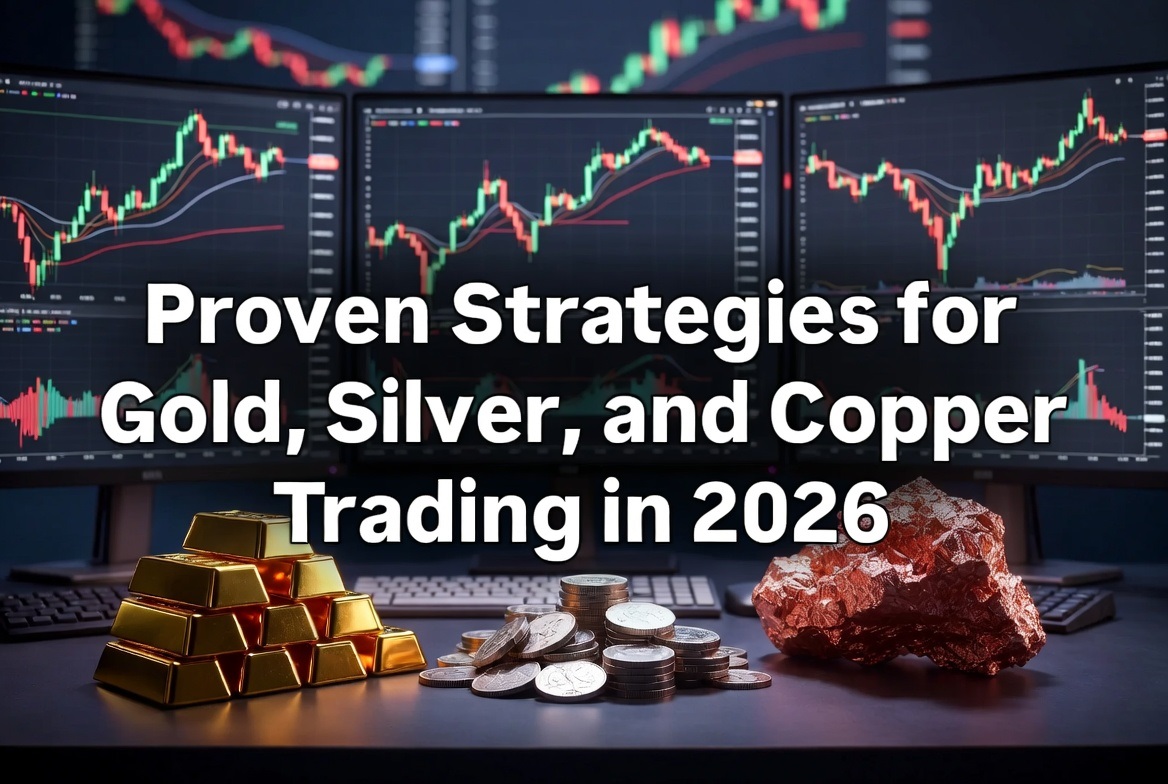
In the ever-evolving world of financial markets, few sectors capture the imagination quite like precious and industrial metals. As we navigate through 2026, the metals market is experiencing a remarkable momentum surge, driven by a confluence of global economic factors, geopolitical uncertainties, and shifting investor sentiments.
Gold has shattered records, briefly touching $5,000 per ounce before stabilizing, while silver’s volatility has created both pitfalls and opportunities for savvy traders. Copper, often dubbed the “doctor” of the economy due to its industrial applications, is riding high on the back of clean energy transitions and infrastructure booms.
Below I’ll explore how to trade the metals momentum wave, drawing inspiration from time-tested strategies while incorporating fresh perspectives from industry experts. We’ll explore not just the “how” but the “why” behind these movements, equipping you with the knowledge to make informed decisions. Whether you’re a seasoned trader or a newcomer looking to diversify your portfolio, understanding metals momentum can be a game-changer.
The current wave isn’t a fluke. It’s rooted in historical patterns, amplified by modern dynamics like central bank gold purchases, a depreciating U.S. dollar, and escalating tensions in key regions. Add to this the seasonal tailwinds that historically boost metals from late winter into spring, and you have a recipe for profitable setups. But momentum trading isn’t about blind bets—it’s about disciplined approaches, risk management, and leveraging tools like ETFs and options.
In this article, I’ll break down advanced trading strategies, analyze key assets, and integrate insights from renowned analyst Garrett Goggin, whose Golden Portfolio services have garnered attention for their focus on gold miners and royalties. By the end, you’ll have a blueprint for navigating this surge, complete with actionable ideas and a call to explore professional guidance.
Understanding the Drivers of Metals Momentum in 2026

To trade metals effectively, you must first grasp what fuels their momentum. Momentum in trading refers to the tendency of assets to continue moving in their current direction, often accelerated by market psychology and external catalysts.
Macroeconomic Factors Fueling the Surge
Central banks have been voracious buyers of gold, with institutions like the People’s Bank of China and the Reserve Bank of India stockpiling reserves to hedge against currency fluctuations. In 2025, global central bank gold purchases exceeded 1,000 tons, pushing prices upward. A weaker dollar, influenced by Federal Reserve policies, makes metals more attractive to international buyers.
Geopolitical tensions, from ongoing conflicts in Eastern Europe to trade disputes in Asia, enhance gold’s safe-haven status. Meanwhile, silver benefits from industrial demand in solar panels and electronics, where supply constraints—due to mine disruptions in Peru and Mexico—have tightened markets.
Copper’s story is tied to the green revolution. With governments worldwide committing trillions to electric vehicles (EVs), renewable energy, and infrastructure under initiatives like the U.S. Infrastructure Investment and Jobs Act, demand is outpacing supply. The International Energy Agency projects a copper deficit of 500,000 tons by 2030, but early signs in 2026 suggest it’s arriving sooner.
Seasonal Patterns: The Hidden Edge
Seasonality is a powerful, often overlooked factor in metals trading. Historical data shows gold rallying in 9 out of 10 years between late January and March, driven by post-holiday demand in Asia and portfolio rebalancing. Silver follows suit, with additional boosts from industrial cycles. Copper peaks in spring amid construction seasons in the Northern Hemisphere.
Tools like the Commodity Seasonality Index can help visualize these patterns. For instance, over the past decade, the SPDR Gold Shares ETF (GLD) has averaged a 5-7% gain in Q1. Ignoring seasonality is like trading without a compass—momentum amplifies these trends, creating explosive moves.
Momentum Indicators and Technical Analysis
To quantify momentum, traders use indicators like the Relative Strength Index (RSI), Moving Average Convergence Divergence (MACD), and Bollinger Bands. An RSI above 70 signals overbought conditions, but in strong trends, it can stay elevated. For metals, combining these with volume analysis reveals institutional interest.
In 2026, momentum is evident in the VanEck Gold Miners ETF (GDX), which has outperformed broader markets by 15% year-to-date. But beware of reversals—silver’s 37% drop after a double-digit rally last year reminds us that momentum can swing both ways.
Insights from Garrett Goggin: The Buffett Indicator and Gold’s Value Shift
Renowned analyst Garrett Goggin, founder of Golden Portfolio, emphasizes a shift from growth stocks to value assets like metals. His use of the Buffett Indicator—total market cap to GDP—signals overvaluation in equities at readings above 200%. In 2026, it’s hovering near 209%, echoing warnings from Warren Buffett himself, who sits on a $325 billion cash pile.
Goggin’s Golden Portfolio IV leverages this indicator to identify gold miners poised for 10x or even 100x returns. Reviews highlight its legitimacy, with subscribers noting gains of nearly 300% in under two years. As one review states, “Goggin’s data-driven approach cuts through hype, focusing on high-grade deposits and competent management.” This ties directly to momentum: When institutions flee overvalued tech, they pour into undervalued miners, amplifying price surges.
Strategy 1: Leveraging Gold ETFs for Seasonal Momentum Plays
Gold’s steady climb—from $2,500 to over $5,000 in recent years—makes it a cornerstone of momentum trading. ETFs offer liquidity without the hassles of physical storage.
Why GLD is a Momentum Powerhouse
The SPDR Gold Shares (GLD) tracks gold prices closely, with over $60 billion in assets. Its low expense ratio (0.40%) and tight spreads make it ideal for short-term trades. In momentum waves, GLD can surge 10-15% in weeks, as seen in early 2026.
Trading Setup: March Call Spreads
A smart way to capture seasonal momentum is through options spreads. Buy a March call at $400 and sell one at $420, for a net debit of $2-3 per contract. This defined-risk strategy profits if GLD rises moderately, with breakeven around $402-403. Historical data shows 70% success rates in bullish seasons.
Risk management: Set stops at 20% loss, and take profits at 50% gain. Reload on pullbacks if MACD confirms upward momentum.
Advanced Twist: Incorporating Goggin’s Royalty Focus
Goggin’s Golden Portfolio champions gold royalties—companies like Franco-Nevada (FNV) that collect fees without mining risks. These “inflation protection machines” thrive in momentum environments, offering dividends and upside. Reviews of Golden Portfolio praise its 140% annual returns, attributing success to picks like these.
For traders, pair GLD with royalty stocks for a hybrid approach: 60% ETF for liquidity, 40% royalties for stability.
Case Study: Gold’s 2025 Breakout
Last year’s overnight jump through $5,000 was momentum personified. Traders using Bollinger Band squeezes entered early, netting 20% gains. Lessons: Momentum favors the prepared—monitor central bank announcements for catalysts.
Silver, gold’s more volatile cousin, offers amplified momentum due to its dual role as precious and industrial metal.
SLV as the Go-To Vehicle
The iShares Silver Trust (SLV) provides direct exposure, with premiums rising amid supply shortages. Its 11% single-day rip in 2025, followed by a 37% retrace, exemplifies shakeouts that reward patient traders.
Trading Setup: Short Puts and Iron Condors
For income, sell short puts on SLV at strikes below support (e.g., $30 if spot is $35), collecting premium while betting on momentum continuation. For neutral volatility plays, iron condors—sell a call spread and put spread—yield 5-10% monthly if silver stays range-bound.
Volatility (VIX for metals via implied options) is key: High VIX rewards premium sellers.
Physical vs. Paper: The Real Demand Story
Retail supply drying up pushes premiums higher, decoupling physical from paper prices. Momentum traders watch this spread—widening indicates bullish undercurrents.
Goggin’s 10X Perspective on Silver Miners
Golden Portfolio 10X targets smaller silver miners for 1000% gains. A review notes, “Amid Trump’s Fed shakeup, Goggin’s picks unlock massive upside.” Legit? Subscribers report real deals, with focus on undervalued assets amid economic shifts. Integrate by allocating 20% to miners like Hecla Mining (HL) for leveraged momentum.
Risk Considerations
Silver’s beta (1.5x gold) means bigger swings—use position sizing to limit exposure to 5% of portfolio.
Strategy 3: Copper Momentum Through Industrial Giants
Copper’s fundamentals—tied to EVs and infrastructure—make it a momentum darling in 2026.
FCX: The Copper Proxy
Freeport-McMoRan (FCX) dominates production, with shares correlating 80% to copper prices. Its clean energy exposure amplifies momentum.
Trading Setup: April Call Spreads on Pullbacks
Wait for dips (RSI <30), then enter April calls. Buy $50, sell $55 for $1 debit. Targets: 100% return if copper hits $5/lb.
Broader Ecosystem: Clean Energy Catalysts
Government subsidies fuel demand, creating sustained momentum. Track LME inventories—declines signal rallies.
Linking to Goggin’s Value Shift
Goggin’s Buffett Indicator warns of stock crashes, redirecting capital to commodities like copper. His portfolios include industrial metal plays, with reviews affirming legitimacy through “time-tested methods.”
Strategy 4: Integrated Portfolio Approaches and Risk Management
Combine strategies: 40% gold, 30% silver, 20% copper, 10% royalties. Use correlations—gold/silver at 0.7—for hedging.
Advanced Tools: Options and Futures
Futures on COMEX offer leverage, but stick to minis for retail. Options chains on platforms like Thinkorswim provide momentum signals via open interest.
Goggin’s Holistic View
Golden Portfolio IV’s four picks, backed by Buffett Indicator, target anomalies for absurd profits. A legit review: “Credible advisory with 30-day guarantee.” 10X focuses on miners, praised for spotting 10x stocks pre-breakout.
Common Pitfalls and How to Avoid Them
Chasing headlines leads to losses—focus on patterns. Diversify to mitigate geopolitical risks.
Historical Context: Lessons from Past Momentum Waves
The 2008 financial crisis saw gold double, teaching resilience. 2020’s pandemic rally highlighted safe-haven demand. Apply to 2026: With inflation lingering at 3%, metals hedge effectively.
Future Outlook: Metals in a Post-Inflation World
By 2030, gold could hit $10,000 if trends persist. Silver: $100/oz on shortages. Copper: $7/lb on EV boom.
Conclusion: Seize the Momentum
Trading metals momentum requires discipline, but rewards are substantial. From GLD spreads to FCX calls, these strategies harness seasonal and fundamental edges.
Ready for expert guidance? Garrett Goggin’s Golden Portfolio services—IV for entry-level picks using the Buffett Indicator, and 10X for high-growth miners—offer proven insights. With rave reviews confirming legitimacy and gains up to 300%, subscribe today to elevate your trading. Don’t miss the wave—act now!
Frequently Asked Questions (FAQ) about Trading the Metals Momentum Surge
What is driving the current momentum in gold, silver, and copper prices in 2026?
The metals momentum surge stems from a powerful mix of factors: strong central bank gold purchases (over 1,000 tons annually in recent years), a persistently weaker U.S. dollar, ongoing geopolitical tensions boosting safe-haven demand, and structural supply shortages. Silver benefits from tight physical supply and rising industrial use in solar, EVs, and electronics, while copper is propelled by massive government-backed infrastructure and clean energy spending. Seasonal patterns add fuel—gold historically rallies strongly from late January through March in most years. This isn’t just headline-driven; it’s backed by real demand shifts away from overvalued tech stocks toward hard assets, as highlighted by indicators like the Buffett Indicator signaling equity overvaluation.
How can beginners safely trade metals momentum without taking excessive risk?
Start with liquid ETFs like SPDR Gold Shares (GLD) for gold, iShares Silver Trust (SLV) for silver, or proxies like Freeport-McMoRan (FCX) for copper exposure. These offer tight spreads and high liquidity, avoiding the complexities of physical metals or futures. Use defined-risk options strategies such as call spreads (buy a lower strike call and sell a higher one) or short puts for income—especially during seasonal upturns. For example, March or April call spreads on GLD or SLV limit downside while capturing upside momentum. Keep position sizes small (no more than 5% of your portfolio per trade), use stop-losses, and focus on patterns rather than chasing volatility spikes. This disciplined approach turns momentum into consistent gains without swinging for home runs.
Are seasonal patterns reliable for trading gold and silver, and how should I use them?
Yes, seasonality provides a statistically significant edge. Over the past decade, gold (via GLD) has rallied in 9 out of 10 years between late January and March, driven by Asian demand post-holidays, portfolio rebalancing, and institutional flows. Silver often follows similar trends with added industrial boosts in Q1/Q2. Copper sees spring strength tied to construction cycles. Traders capitalize by entering call spreads or directional trades ahead of these windows, taking partial profits at targets, and reloading on confirmed pullbacks (using tools like MACD or RSI for confirmation). While past performance isn’t a guarantee, combining seasonality with current fundamentals—like high volatility rewarding premium sellers—creates high-probability setups in momentum environments.
What makes Garrett Goggin’s Golden Portfolio services a good complement to momentum trading?
Garrett Goggin, a CFA and CMT with decades of experience (including time at Stansberry Research), focuses on undervalued precious metals opportunities that align perfectly with momentum waves. His Golden Portfolio emphasizes “inflation protection machines”—gold royalty companies (e.g., Franco-Nevada) that generate steady cash flows with minimal operational risk, outperforming traditional miners in bull and bear markets. Golden Portfolio IV (his entry-level offering) targets a core portfolio of overlooked precious metal assets, delivering audited returns like nearly 300% in under two years for some subscribers. Golden Portfolio 10X hunts for higher-upside junior miners and explorers. These services use data-driven analysis, including the Buffett Indicator to spot shifts from overvalued equities to metals, providing picks that ride—and often amplify—broader momentum. Reviews confirm their legitimacy, with a focus on high-grade deposits, competent management, and long-term value in volatile times.
What risks should I watch out for when trading metals momentum, and how can I manage them?
Metals can be volatile—silver’s sharp 37% drop after an 11% rally shows how quickly momentum can reverse due to paper trader liquidations or macro shifts (e.g., stronger dollar or Fed surprises). Other risks include geopolitical calm reducing safe-haven demand or supply surprises easing shortages. Manage them by diversifying across gold/silver/copper (e.g., 40/30/20 allocation), using options for defined risk, avoiding over-leverage, and monitoring key indicators like central bank announcements, dollar strength, and inventory data. Never chase headlines—stick to patterns and setups with favorable risk-reward. For deeper guidance on navigating these risks while positioning for upside, consider expert resources like Garrett Goggin’s Golden Portfolio. Explore his audited picks and start building a more resilient metals allocation today.