

In the ever-evolving financial landscape, safeguarding your assets is more crucial than ever, especially for those just dipping their toes into the world of investing. Whether it’s unforeseen emergencies, volatile market drops, or life’s unexpected turns, establishing robust safeguards is essential for financial peace of mind. This guide unpacks accessible insurance strategies, investment safeguards, and effective ways to build and maintain an emergency fund. Discover practical tips that not only secure your current assets but also lay a solid foundation for your financial future, ensuring both growth and stability on your investment journey.
Key Highlights
- Insurance is essential in personal finance, providing safety nets for wealth preservation and risk mitigation.
- Deposit insurance protects savings in bank accounts, ensuring security despite market shifts or bank failures.
- Diversification and staying informed on market trends are crucial for new traders to minimize risks.
- An emergency fund is pivotal for shielding investments from unexpected expenses and maintaining strategy stability.
- Personal finance tools enhance wealth management by offering insights and optimizing financial strategies.
Understanding the Basics of Protecting Your Wealth
Before delving into complex strategies, it’s crucial to grasp the fundamental principles of wealth preservation. Ensuring your wealth is protected involves a deep understanding of insurance and the mechanisms that secure your investments. From deposit insurance to the intricacies of life, car, and home insurance, these tools are central to financial literacy and asset protection. As investors, it’s essential to navigate personal finance with the knowledge of safeguarding one’s money effectively. Delving further will reveal how the role of insurance and deposit security can offer peace of mind and financial stability.

The Role of Insurance in Wealth Protection
Insurance serves as a critical pillar in the realm of personal finance, offering a safety net that underpins wealth preservation. For investors, understanding the nuances of various insurance types is paramount. Life insurance, for instance, provides a vital layer of security for your loved ones, ensuring financial stability in the event of unforeseen circumstances. Meanwhile, car insurance protects one of your valuable assets against potential risks like accidents or theft, thereby safeguarding your investment. Similarly, home insurance shields your property from damages, whether from natural disasters or other incidents, preserving the value of your most substantial asset.
For beginners stepping into the intricate world of wealth protection, it’s essential to recognize that insurance isn’t just a product but a strategic tool for asset protection. Insurance policies help mitigate risks, enabling investors to focus on growth without the looming fear of sudden monetary loss. By integrating these safety nets into your financial planning, you can pivot from protecting material wealth to reinforcing your overall financial health. Moreover, the repetition of ‘insurance’ in various forms isn’t redundant but rather a reminder of its comprehensive role in any robust financial literacy curriculum.
Navigating through different insurance plans can feel overwhelming, but it’s crucial to assess potential vulnerabilities. Are your savings accounts protected against unforeseen events? Are your investments shielded against volatile market shifts? The right insurance coverage can address these questions by providing a blanket of security over money and assets. By diving into the details of each policy, investors can ascertain how these financial products align with their risk tolerance and long-term wealth strategies. Don’t view insurance merely as a cost but as an investment in the longevity and stability of your wealth, a necessary expenditure in the quest for financial security.
How Deposit Insurance Secures Your Investments
Deposit insurance is a vital component of safeguarding your investments, often overlooked by novice investors. It acts as a protective layer, ensuring that your savings in bank accounts are covered up to a certain limit, even if the bank encounters financial trouble. This form of asset protection is crucial for maintaining trust in the banking system, as it guarantees that your wealth remains secure despite market fluctuations or bank failures.
For those new to the financial sector, developing an understanding of how deposit insurance works is a step towards enhancing financial literacy. Most banks in many countries provide this assurance, usually backed by national schemes. It’s important for investors to research which banks offer the most comprehensive coverage and make informed decisions about where to allocate their funds for maximum security. Such measures ensure that their money, which can often form the backbone of their investment strategy, is protected against potential pitfalls.
Incorporating deposit insurance into one’s financial plan does more than offer peace of mind; it’s an integral part of a well-rounded asset protection strategy. When savings accounts are secure, you have the freedom to explore more lucrative investment opportunities without worrying about the safety of your base capital. This sense of security can embolden you to diversify your portfolio and explore new ventures with less hesitation about unforeseen financial setbacks.
Furthermore, as the banking landscape evolves, so do the mechanisms of deposit insurance, continually adapting to new economic realities. For savvy investors, staying updated with these changes is essential. Understanding how these protections evolve allows you to stay one step ahead in financial planning, ensuring that your wealth not only grows but stays secure against all odds. Essentially, deposit safeguarding isn’t just about present-day peace; it’s about building a robust future foundation where your wealth can thrive without unnecessary risk.
Essential Strategies for Safeguarding Investments
Protecting investments goes beyond merely knowing about insurance; it encompasses implementing strategies that ensure long-term financial security. By examining key investment strategies for new traders and understanding how to set a solid financial plan, investors can build a strong foundation for wealth accumulation. These strategies guide how to effectively manage money while navigating the complexities of investing. With the right tactics, each part of your portfolio works towards achieving financial goals, facilitating growth and stability. Let’s delve deeper into these essential practices to safeguard your investments effectively.
Key Investment Strategies for New Traders
For new traders stepping into the market, establishing a robust investment approach is crucial. A well-crafted long-term investment strategy allows you to mitigate risks while maximizing potential returns. Begin by focusing on diversification, which involves spreading investments across various asset classes such as stocks, bonds, and mutual funds. This tactic helps shield your portfolio from market volatility, ensuring stability over time. It’s vital to understand that investing is not merely about chasing high rates but about building wealth that aligns with your financial objectives.
Researching the industry and understanding market trends are also critical. New traders should dedicate time to learning how different economic indicators, like interest rates and inflation, influence stock market movements. By staying informed, you can make educated decisions when buying or selling assets. Additionally, consider using a bank advisor to help guide your initial investment decisions. Collaboration with a knowledgeable advisor can equip you with strategies tailored to your specific goals and risk threshold.
Setting realistic expectations is another key aspect. Beginners should be wary of promises of quick returns; instead, focus on cultivating a mindset centered around gradual growth. Avoid common pitfalls like emotional trading, which could lead to impulsive decisions and financial loss. Craft a disciplined approach to investing by adhering to a plan that considers your time horizon and financial capabilities. Remember, successful investing requires patience and diligence.
Lastly, leveraging technology and financial tools can significantly enhance your investment strategy. Numerous personal finance apps cater to beginners, offering insights into portfolio performance and market analysis. By integrating these resources, you can track progress, adjust strategies, and remain on course towards financial prosperity. These initial steps lay the groundwork for a well-rounded investment portfolio that supports long-term wealth building.
How to Set a Solid Financial Plan
Creating a financial plan is about setting a clear roadmap to achieve your financial objectives, incorporating elements like budgeting, savings, and investment allocations. Begin with setting specific, measurable goals. These could range from saving for a down payment on property to building a retirement fund. Having distinct goals not only provides direction but also allows for more precise planning and allocation of resources.
Initiating a comprehensive budget is an essential part of setting a financial plan. By analyzing income and expenditures, you gain insights into spending patterns, identifying areas for cost-saving, which in turn can be redirected towards investments. Understanding your spending habits is crucial when determining how much money can be flexibly allocated to long-term investments without jeopardizing day-to-day expenses.
Another pillar of a solid financial plan is creating an emergency fund, which acts as a financial cushion in unforeseen circumstances. This fund should ideally cover three to six months of living expenses, granting you the peace of mind needed to pursue aggressive investment strategies knowing you have a safety net. Integrating this into your overall strategy protects your wealth against unexpected downturns, ensuring that your long-term investment strategy remains unaffected by temporary financial hiccups.
Incorporating regular financial reviews is also key. Frequently reassessing your financial plan allows for adjustments in response to market changes and life events, such as a change in income or family growth. An adaptive financial plan helps you stay aligned with your set goals, ensuring continuous progress towards wealth accumulation. Engaging with a bank advisor or financial advisor periodically can provide valuable insights and strategic advice to steer through complex situations.
Strategic investment planning is paramount for safeguarding your future. By setting financial objectives, establishing a budget and emergency fund, and committing to regular financial reviews, you’re not just setting a plan, you’re securing your financial future. Implement these strategies to ensure your wealth not only grows but remains protected in the face of life’s uncertainties.
The Importance of an Emergency Fund
Understanding the essence of an emergency fund is pivotal for any investor looking to protect their wealth. It acts as a financial safety net, ensuring that unexpected expenses don’t derail your investment strategies. By having dedicated savings in place, you can navigate unforeseen circumstances without dipping into your investment portfolios or disrupting your long-term financial plans. This financial cushion is critical in maintaining your overall personal finance health. In this section, we explore steps to build an effective emergency fund and why it’s an indispensable element in an investor’s personal finance toolkit.
Steps to Building an Effective Emergency Fund
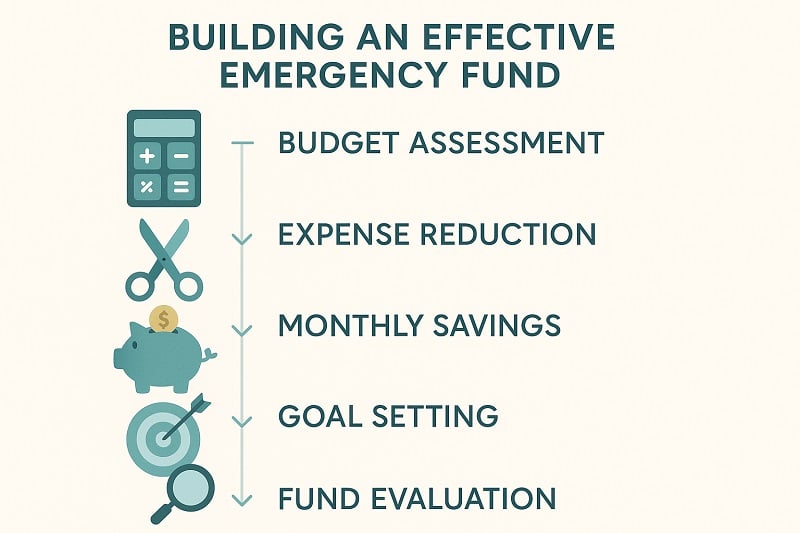
Building an effective emergency fund begins with setting clear, realistic goals tailored to your lifestyle and financial needs. The objective is to accumulate enough money to cover three to six months’ worth of living expenses. Begin by determining a precise monthly budget, encompassing all essential costs such as rent, utilities, groceries, and other fixed expenses. This calculation provides a foundation for understanding exactly how much needs to be set aside. Open a dedicated savings account specifically for this purpose to manage these funds efficiently, keeping them separate from your regular banking accounts. This separation not only prevents leisurely spending but highlights the emergency nature of this money, reinforcing its role in a strategic personal finance plan.
Allocate a percentage of your monthly income to steadily build this fund. Even a modest, consistent contribution can accumulate significantly over time. Consider automatic transfers to ensure that these funds are set aside before you have the chance to spend them on non-essential items. Meanwhile, seek savings accounts that offer competitive interest rates. While it’s not primarily an investment, it’s beneficial if your emergency fund also yields some return. Additionally, reassessing monthly expenses can reveal previously overlooked areas for cost-cutting, redirecting this newfound money towards the emergency reserve. Some might leverage income from side hustles or bonuses exclusively for this purpose, accelerating fund growth while preserving regular income streams for daily use.
Engaging with resources such as financial advisors can provide valuable insights into building this fund efficiently. Advisors can offer tailored strategies, considering your personal financial situation and goals, to ensure your fund is both adequate and accessible. Reviewing your progress regularly is also essential. Scheduled assessments enable adjustments to contributions based on changes in income or alterations in financial goals. These reviews ensure your emergency fund remains aligned with current needs, adaptable to both positive and negative life events. By employing these strategies, building a robust emergency fund becomes an achievable milestone, providing peace of mind and safeguarding your investment journey against unforeseen financial challenges.
Why Every Investor Needs an Emergency Fund
For investors, an emergency fund isn’t just a safety mechanism; it’s a cornerstone of comprehensive wealth protection strategies. Amidst market volatility and unpredictable financial landscapes, having a secure reservoir of funds can shield your investments from forced liquidation during desperate times. This reservoir, often termed emergency savings, provides the peace of mind necessary to navigate turbulent market shifts without panic. When investments face downturns, having a financial buffer allows you to stay the course with your investment strategy, rather than selling off assets at a loss to meet immediate cash needs.
This fund’s role transcends merely serving as a personal finance tool; it’s an enabler of strategic investing, offering the freedom to seize opportunities without hesitation, knowing a safety net is in place. It acts as a cushion against unplanned expenses, such as medical emergencies or sudden job loss, without having to compromise your wealth-building mission. Emergency savings ensure that your banking habits support long-term goals by avoiding reliance on credit, which can further compound financial strain through interest accruals.
Moreover, an emergency fund reflects prudent money management, it’s a clear signal of one’s commitment to financial stability and wealth growth. By shielding personal finance from disruptions, investors can focus on their portfolios with a clear mind, making informed decisions rather than reactionary ones based on financial pressures. The importance of an emergency fund is underscored by its ability to maintain liquidity in uncertain times, and its existence can greatly influence an investor’s financial resilience. As advisors often counsel, integrating such a fund into your strategies not only elevates your investing prowess but fortifies your overall financial health against life’s unpredictabilities, ensuring your wealth trajectory continues upward, undisturbed by transient challenges.
Exploring Different Types of Insurance Policies
Navigating insurance policies can feel overwhelming, but understanding them is essential for investment protection. We’ll dive into life insurance’s role in securing your family’s future. Additionally, assessing the right insurance for asset protection can save you from unexpected financial setbacks. As an informed investor, it’s crucial to grasp these concepts to safeguard your wealth effectively.
Comprehensive Guide to Life Insurance
Life insurance is more than a safety net for your loved ones; it’s a strategic tool for safeguarding your wealth and ensuring security during life’s unpredictable events. As investors, it’s vital to understand how life insurance can complement other investment strategies to preserve and grow wealth. Picking the right life insurance policy depends on multiple factors, including your financial goals, risk tolerance, and personal circumstances. For example, whole life insurance offers a dual benefit of providing long-term security for beneficiaries while also serving as an investment vehicle, accruing cash value over time, which can be borrowed against. This feature can be instrumental in managing liquidity during financial emergencies without disrupting your primary investment strategies.
Term life insurance, on the other hand, offers substantial coverage for a specified period, say 10 or 20 years, at a lower cost compared to whole life policies. This type is particularly advantageous for those with significant but temporary financial responsibilities, such as mortgage payments or children’s education. Term policies are ideal for investors who seek high coverage at a manageable premium, allowing them to allocate more money towards other high-return investments. Especially for young investors, entering a policy early can lock in lower premiums, maximizing savings while the potential for increased wealth grows.
Investing in life insurance also involves considering riders, additional provisions that customize your policy to suit specific needs such as disability benefits or critical illness coverage. These enhancements not only protect you but can serve as a risk mitigation tool, ensuring your personal finance strategy remains solid even if unexpected health issues arise. It’s vital to view life insurance not just as an expense but as a critical element in a diversified wealth preservation plan. By securing financial support through life insurance, investing wisely becomes more about harnessing growth opportunities with confidence rather than simply covering bases.
Remember, selecting a policy is an intricate decision requiring thorough understanding and regular reassessment as life situations change. Collaborating with a trusted insurance advisor can provide necessary insights, ensuring that your policy remains aligned with your evolving financial landscape and personal-finance goals.
Finding the Right Insurance to Protect Your Assets
Asset protection through insurance isn’t just about covering potential losses; it’s about strategic foresight and ensuring your wealth-building efforts remain undisturbed by life’s uncertainties. Starting with car insurance, it shields one of the most tangible assets against risks such as accidents and theft, preserving both your investment and mobility. Comprehensive coverage safeguards against cost-heavy repairs, ensuring your finances weather the storm of unexpected incidents, which might otherwise require dipping into investment funds.
Home insurance is equally essential, offering protection against potential property damages that can occur from natural disasters or unforeseen events. For investors, the house often represents a significant portion of wealth, so insurance for real estate secures this investment, safeguarding your money from unforeseen financial drains. Evaluating different policies means ensuring that both liability and asset damages are covered, a strategic move to maintain financial stability in the face of unexpected adversities.
Furthermore, personal liability coverage within home insurance policies protects against lawsuits or claims that could arise on your property, extending asset protection beyond physical repair costs. Such liability coverage is crucial for preserving your wealth and avoiding costly legal battles that could impact your financial health profoundly.
Diving deeper, specialized insurance policies designed for high net-worth individuals cover unique assets like art, jewelry, or even multiple properties. These policies reflect strategic safeguarding efforts, ensuring that your diverse portfolio of assets remains insulated from potential losses. By aligning with an insurance advisor, you can fine-tune coverage to meet specific needs, whether it’s managing risk exposure or complementing your broader wealth management strategy.
Investing in the right insurance policy requires staying informed about policy terms, potential coverages, and associated risks. It impacts not just your personal finance health but your ability to maneuver financially, ensuring growth isn’t hamstrung by preventable setbacks. Thus, insurance transcends traditional protection roles, forming an integral part of your investment strategy, providing both peace of mind and a robust framework to safeguard your wealth continually.
Building Fidelity Through Smart Wealth Management
Smart wealth management forms the backbone of financial stability, especially for investors looking to secure their future. It involves leveraging personal finance tools that enhance control over your financial landscape and ensure that your assets are protected and set to grow. From understanding the various retirement accounts and their benefits to making informed decisions about your savings, smart wealth management encompasses strategic actions and thoughtful planning. In this process, the role of advisors cannot be overstated, as they guide you in aligning your financial goals with effective management tactics. Let’s explore how personal finance tools can revolutionize your wealth control.
Leveraging Personal Finance Tools for Better Wealth Control
In today’s fast-paced digital world, personal finance tools have become indispensable for those aiming to gain better control over their wealth. These tools allow investors to manage their money more efficiently, providing insights that were not easily accessible before. Furthermore, they help in making informed decisions regarding retirement accounts and savings accounts, essential components of a robust wealth management strategy. By employing banking apps and online platforms, investors can continuously monitor their financial health, make adjustments on-the-fly, and ensure seamless alignment with long-term financial goals.
The integration of these personal finance platforms significantly boosts financial literacy among users, which is a critical factor in successful wealth management. It’s not about generating wealth alone but maintaining it sustainably across various life stages. These tools provide educational resources, enabling users to make well-informed decisions about their investments and understand concepts such as interest rates, asset allocation, and risk management. With features like budgeting assistance, debt tracking, and retirement planning, they cater to all facets of personal finance, empowering users to optimize their financial strategies.
Additionally, the expertise of a financial advisor or banking advisor plays an integral role in complementing these tools. While technology offers the data and analytics, advisors provide nuanced insights and tailored advice that a digital platform cannot always cover. Their real-world experience and understanding of market trends offer perspectives crucial for decision-making, especially in turbulent market conditions. Engaging with advisors helps in diversifying portfolios, optimizing taxation, and creating strategies that align with one’s unique financial situation.
Moreover, leveraging automated savings features helps in building a disciplined financial habit, vital for long-term wealth accumulation. With direct transfers set up for retirement accounts or emergency funds, you ensure consistent contributions without the hassle of manual intervention. These initiatives not just secure your money but stimulate growth over time through compound interest. Moreover, competitive banking solutions offer higher returns on savings accounts, enhancing the value further.
Ultimately, by employing personal finance tools effectively, investors not only gain superior control over their wealth but also pave the way for a stable, financially secure future. Adaptability and strategic use of these resources will ensure your financial journey remains undisturbed, providing both stability and growth opportunities. Recognize the value these tools add and incorporate them into your wealth management strategy to safeguard your financial health holistically.
Embarking on your financial security journey can seem daunting, but with strategic insurance and investment safeguards, you can protect your money effectively. Remember to regularly review your policies and investments, ensuring they align with both your current situation and future goals. By building a robust emergency fund, you’re not just safeguarding your finances but also paving the way for more confident financial decisions. Now is the time to take control and fortify your financial fortress. Ready to take the next step? Explore our resources, download our savings guide, and start your journey towards financial peace today!
FAQ: Protecting Your Money
Why is insurance important in protecting investments?
Insurance acts as a safety net that underpins wealth preservation and risk mitigation. It ensures financial stability by providing cover against unforeseen circumstances that could impact your financial health.
What is deposit insurance and how does it protect my savings?
Deposit insurance ensures your bank savings are protected up to a certain limit, even if the bank faces financial trouble. It’s a crucial component for maintaining trust in the banking system, securing your capital against market fluctuations or bank failures.
How can a well-structured financial plan benefit my investment journey?
A comprehensive financial plan sets a clear roadmap to achieve your goals, integrates budgeting and savings, and accounts for risks. It helps build an emergency fund and allows for regular reassessments to stay aligned with financial objectives.
Why is an emergency fund pivotal for new investors?
An emergency fund acts as a financial safety cushion to cover unexpected expenses, ensuring that you don’t have to dip into your investments during crises. It preserves your investment strategy’s stability and helps maintain financial health.
What personal finance tools can boost my wealth management efforts?
Personal finance tools like budgeting apps and online platforms provide insights into financial health, assist in informed decision-making, and integrate features like budgeting and retirement planning, enhancing your overall wealth management strategy.