

Navigating the complex landscape of Social Security can be daunting, especially with potential changes in 2026. Retirees often overlook crucial tradeoffs that can significantly impact their financial future. Whether you’re contemplating early retirement or delaying benefits, understanding the nuances of Social Security decisions is essential for maximizing your income. This guide will delve into the often-missed considerations, providing practical insights to help you make informed choices. Stay ahead of the curve with tailored strategies, ensuring a secure and prosperous retirement while capitalizing on available opportunities in the ever-evolving retirement planning arena.
Key Highlights
- Navigating Social Security in 2026 requires understanding timing and its impact on retirement benefits.
- Choosing early Social Security claims can reduce benefits by up to 30%, affecting financial health.
- Retirees in 2026 face potential changes in Full Retirement Age affecting claiming strategies.
- Maximize Social Security by delaying claims, boosting benefits by about 8% annually past FRA.
- Consult financial advisors to tailor Social Security plans amid evolving rules and personal needs.
Understanding Social Security Claiming Strategies
As an investor pondering retirement, understanding how to navigate Social Security is crucial. The strategies for claiming Social Security can significantly impact your financial health. Knowing when to claim is half the battle, helping to ensure you get the most benefits possible. We’ll explore why timing your claim matters and delve into the effects of early claiming. With the right insights and understanding, you can make informed decisions that align with your retirement goals, potentially maximizing your benefits. These are crucial elements every retiree should consider before making this significant financial decision.
The Importance of Timing Your Claim
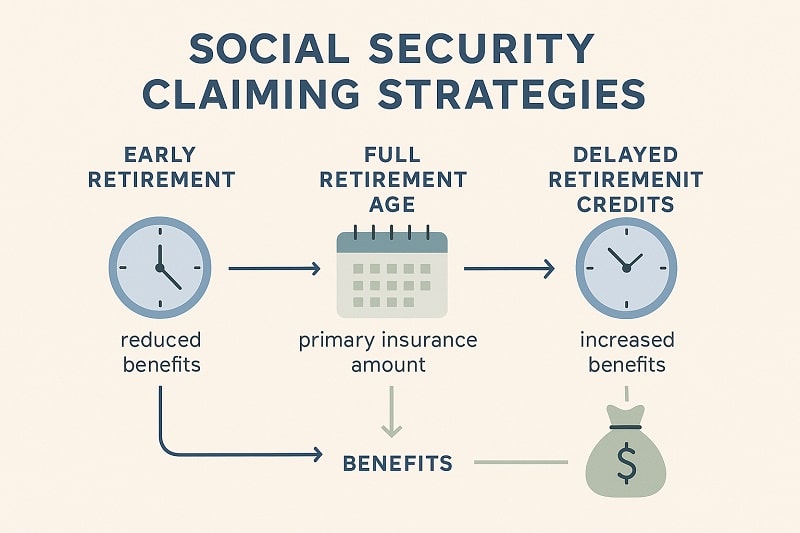
Timing your Social Security claim may well be one of the most impactful financial decisions you make as a retiree. Deciding when to start collecting your benefits could dictate how comfortable your retirement years will be. The age at which you begin claiming Social Security will directly influence the size of your monthly checks. Every year you delay your claim past your Full Retirement Age (FRA) increases your benefits by a given percentage, offering a larger payout later on. For those with the means, waiting until 70 to claim Social Security could mean up to a 32% increase in benefits compared to claiming at 62. This increase can make a big difference in how far your retirement income stretches.
From an investor’s perspective, timing is everything. If you’re weighing the pros and cons of claiming Social Security at different ages, consider your expected lifespan and potential health care costs. The impact of healthcare expenses shouldn’t be underestimated when planning your retirement budgets. Strategically planning when to claim can mean having the resources to cover unforeseen medical expenses and still enjoy the retirement lifestyle you’ve envisioned. Moreover, by delaying your claim, you can also increase the survivor benefits for a spouse, providing more future security for your family.
Additionally, when plotting your retirement timeline, take stock of other benefits you might already have. If you have a robust investment portfolio or passive income streams, you might afford to delay claiming Social Security. This strategy can result in a higher lifetime payout, contributing positively to your diversified retirement plan. However, bear in mind that each individual’s situation is unique. Therefore, a thorough understanding of your financial landscape is essential. Consulting with a financial advisor who comprehensively understands Social Security rules can offer personalized advice that aligns with your particular financial goals and challenges.
How Early Claiming Impacts Benefits
Choosing to claim Social Security early, particularly before reaching your Full Retirement Age, can have substantial consequences on your retirement benefits. While there might be valid reasons for considering early claiming, such as insurance of an immediate income source, it’s essential to be fully understanding of the tradeoffs. By claiming social security too early, you might be looking at permanently reduced benefits which could affect your long-term retirement strategy.
For investors, understanding the implications of smaller checks is vital. Smaller monthly payments might mean reinvesting less or tapping more into other savings to meet financial needs. An early claim means your Social Security benefits could be reduced by about 30%, potentially putting stress on your other financial resources. The earlier you claim, the longer you might live with those smaller checks, which can reduce the overall impact of Social Security on your retirement security.
Early claiming also influences how much of your benefit is subject to taxation. Investors with additional income sources need to account for potential taxes on Social Security, which can further reduce the actual benefits you receive. Weigh these factors carefully; sometimes the short-term gains of early income might be outweighed by long-term financial demands. For example, will those smaller checks sustain you if markets fluctuate or if unexpected expenses arise?
Another consideration is your employment status. If you plan to continue working even part-time during early retirement, your income might be affected. Earning beyond certain thresholds could reduce your Social Security payment, essentially negating the benefits of claiming early. This creates a situation where you’re forced to balance financial gain against regulatory impact, navigating potential reductions that might not make early claiming advantageous.
Ultimately, the decision to claim early should align with a comprehensive financial strategy. For instance, are you sure your other retirement investments can cover the gap left by reduced Social Security benefits? Before finalizing your decision, explore the full scope of costs and benefits. Consulting with an expert who can model various scenarios might provide a clearer view of how early claiming impacts not just your checks but your comprehensive retirement goals.
Key Changes for Retirees in 2026
As we venture into 2026, significant transformations loom on the horizon for retirees considering Social Security. With potential legislation on the table, understanding these changes becomes crucial for investors aiming to optimize their claiming strategy. From adjustments in the Full Retirement Age (FRA) to modifications in benefit calculations, the landscape is shifting. Staying informed about these developments can help retirees realign their planning strategies and make more informed decisions. This section explores crucial insights about what retirees need to keep in mind, and how these changes could influence lifetime benefits.
What Retirees Need to Know
For retirees in 2026, keeping an eye on the evolving rules surrounding Social Security is more important than ever. With potential adjustments on the table, understanding these shifts can make or break retirement plans. One of the foremost adjustments is the projected Full Retirement Age (FRA) change, which could alter when beneficiaries reach their Full Retirement Age. Currently set around 67 for recent claimants, there’s a possibility this might inch towards 68 or beyond. Such a change would require retirees to reassess the optimal age for claiming Social Security to ensure their income is maximized over their retirement span.
Additionally, the calculus behind your Social Security benefits could shift. The way in which your earnings history impacts your checks is crucial. Typically, benefits are calculated based on your highest 35 years of earnings. However, with potential updates in how these calculations are done, retirees might find their historical incomes influencing their payouts more than anticipated. Monitoring these updates closely allows for better planning, ensuring that you know whether to rely more on Social Security or bolster other income streams to maintain your lifestyle.
Moreover, understanding the nuances of how spousal and survivor benefits may change is vital. These benefits can constitute a significant portion of your financial resources, especially for partners who’ve spent time out of the workforce or earned significantly less. Changes here could mean reevaluating joint claiming strategies to ensure the household receives the fullest possible benefits. For investors, knowing how these components interact can present new opportunities or challenges in asset management.
Another potential shift involves the earnings test for those claiming benefits before hitting the FRA. This test determines how much you can earn without reducing your Social Security checks. In 2026, the thresholds for this might see adjustments, altering how retirees balance work and income. Such changes could necessitate a rethinking of work-retirement balance strategies.
Smart planning demands that you also consider the implications of taxes on social security benefits, especially if you’re juggling various income sources. Any shifts in income tax thresholds for Social Security could significantly alter the net amount your household receives. Therefore, keeping abreast of both legislative updates and personal income levels becomes an essential element of secure retirement planning. Ultimately, understanding these anticipated changes can provide retirees the leverage needed to navigate their financial futures wisely.
Adjustments in Lifetime Benefit Calculations
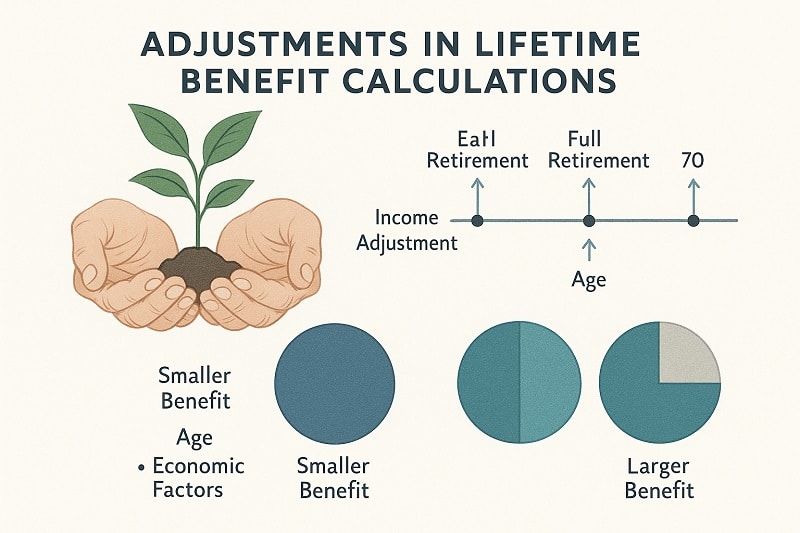
As the landscape of Social Security evolves in 2026, one area where investors need to pay particular attention is the potential adjustments in lifetime benefit calculations. Traditionally, these calculations have relied heavily on an individual’s earnings record, with benefits derived from the average of their 35 highest-earning years. However, upcoming adjustments might introduce new considerations or alterations in calculating these benefits, impacting the amount retirees can expect.
It’s essential to recognize that shifts in how lifetime benefits are calculated could have profound effects on retirement income planning. As the regulations potentially adjust, retirees might find themselves needing to re-evaluate when and how they claim benefits to optimize their lifetime payouts. For example, if changes favor later claiming for maximizing benefits due to longer life expectancies, it may be prudent to adjust retirement timelines accordingly.
Moreover, these adjustments may not only affect retirement outcomes directly through reduced or increased benefits but could also influence other facets of financial planning. For instance, with potential changes in the earnings test affecting those who claim before reaching the fra, strategizing around work and retirement income becomes even more critical. The balance between maximizing Social Security benefits while maintaining a desired lifestyle hinges on understanding and adapting to these new calculations.
Investors should also consider how changes in lifetime benefit calculations impact survivor benefits and the overall financial security of their spouses. Any modification could alter the expected financial support for a surviving spouse, making it essential to factor these shifts into broader estate planning strategies. The ability to provide for a partner’s financial security after one’s passing remains a crucial aspect of comprehensive retirement planning.
In this rapidly evolving scenario, it’s beneficial to work closely with financial advisors who are well-versed in these shifts. They can provide insights into the complex interplay between your existing financial strategy and new Social Security regulations. By doing so, retirees can act proactively, rather than reactively, to these changes, safeguarding their financial future.
Finally, understanding adjustments to lifetime benefit calculations offers retirees a chance to refine their Social Security strategy amid changing conditions. By staying informed and adaptable, retirees can position themselves to maximize their benefits over the long term, securing a more predictable and stable retirement income regardless of upcoming legislative adjustments. This proactive approach makes all the difference in navigating the tradeoffs that often accompany new regulations in the realm of Social Security.
The Trade-off of Early Claiming
Choosing when to claim Social Security is a pivotal decision retirees face. Opting for early claiming, before reaching Full Retirement Age (FRA), presents a notable trade-off , it means securing income sooner but accepting reduced benefits. This choice can heavily impact your financial landscape, influencing income sustainability throughout retirement. Evaluating the long-term effects, while balancing immediate financial needs and future security, is crucial. Investors must weigh potential reductions against immediate cash flow, ensuring the decision supports broader goals. Navigating the complexities of early claiming with a well-informed strategy aligns with securing a stable financial future.
Evaluating the Long-Term Effects
When you consider early claiming of Social Security benefits, understanding the long-term trade-offs is imperative. While the allure of having income earlier might seem tempting, it’s essential to evaluate how this choice affects your overall retirement income strategy. Choosing to claim benefits before reaching full retirement age results in permanently reduced payments, which can significantly influence your lifestyle later in life. It’s a trade-off between having more cash flow now versus enjoying more substantial benefits and increased financial flexibility in future years.
From an investor’s standpoint, early claiming can mean potentially leaving money on the table. Monthly benefits are decreased by about 30% if claimed as early as 62, compared to waiting until your FRA or later. Over a retirement span of 20 or more years, this reduced monthly income could accumulate into a significant loss, possibly amounting to thousands of dollars. Such a drastic reduction can affect your ability to cover healthcare costs, unexpected expenses, or inflation’s gradual erosion of purchasing power. It’s vital to weigh this against the security of having immediate income if your financial situation necessitates it.
Another key consideration for investors engaging in early claiming is the potential tax implications. When Social Security benefits are combined with other income sources, like investments or pensions, a portion of those benefits might become taxable. Being strategic with retirement withdrawals and considering the tax landscape can help mitigate this impact. Moreover, it’s crucial to plan around these taxable events to avoid adverse effects on your longer-term financial situation.
The decision to claim early also interweaves with personal factors such as longevity expectations and health status. If you foresee a shorter retirement due to health concerns, claiming benefits early might make sense. However, that choice should be balanced with the possibility of outliving expectations, which can strain resources if benefits are not maximized. Longevity risk is a critical element of retirement planning; therefore, thoroughly evaluating all these factors helps in crafting a robust strategy.
Ultimately, assessing the long-term effects of early claiming requires a deep dive into how it aligns with your broader retirement planning strategy. Meeting with a financial advisor who can analyze your specific circumstances and forecast different scenarios can provide clear insights. This collaborative approach ensures that your decision supports your financial health now and in the coming years, safeguarding a sustainable and enjoyable retirement.
Balancing Financial Needs and Future Security
Striking a balance between your immediate financial needs and ensuring future security is a cornerstone of effective retirement planning. For those contemplating early claiming of Social Security, this balancing act is particularly important. Early claiming might be appealing if your current income falls short, but it’s crucial to anticipate the potential repercussions on your long-term financial health.
Investing in a strategy that incorporates a thorough understanding of your cash flow requirements can prevent future financial constraints. If you’re at a stage where maintaining financial liquidity is a priority, early Social Security payments might seem like a viable solution. However, consider if other income sources, such as personal savings, investment portfolios, or part-time employment, could sufficiently cover your financial needs, allowing you to delay claiming for higher benefits later. This strategy can enhance retirement security by ensuring you have adequate funds to manage anticipated and unanticipated expenses.
Additionally, there’s an often-overlooked strategic component to early claiming: its impact on spousal and survivor benefits. These benefits can provide a safety net for your spouse’s financial future, especially if they rely significantly on your Social Security. Delaying your claim can increase the survivor benefits your spouse receives after your passing, providing greater financial cushioning. This approach highlights the importance of not only meeting current financial needs but also planning for the long-term financial security of your loved ones.
The interplay between income and benefit claims also directly affects how your overall retirement portfolio needs to perform. If you claim Social Security early, you might need your investment funds to grow at a faster pace to compensate for the smaller Social Security payments. Here, your asset allocation strategy becomes crucial. By optimizing your investments for growth while managing risk, investors can create a financial buffer that complements their retirement benefits.
Moreover, legislative changes could further affect your decision-making. Amendments to Social Security rules, such as adjustments in FRA or benefit formulas, might alter the optimal claiming strategy. Keeping abreast of these changes ensures that retirees can adapt their plans accordingly, maximizing potential benefits and minimizing adverse trade-offs.
In conclusion, balancing immediate financial needs with future security involves layered decision-making. Investors should remain flexible, continuously evaluating their financial plans in the context of personal situations and external factors. Consulting with a financial advisor can facilitate an integrated approach to retirement planning, ensuring that decisions made today support investment goals and secure a stable financial future. Being proactive in understanding and applying these principles can significantly influence your quality of life both now and in your later years.
Maximizing Your Retirement Planning Strategy
Crafting an effective retirement planning strategy involves understanding how to incorporate your Social Security benefits optimally. Knowing when and how to claim these benefits can significantly influence your financial comfort in retirement. A carefully designed plan should integrate Social Security, investment portfolios, and other income sources to build a robust financial future. In the following segments, we delve into strategic ways to incorporate Social Security into your retirement plans, ensuring you’re maximizing benefits while maintaining financial flexibility.
How to Incorporate Social Security into Your Plans
To effectively incorporate Social Security into your retirement plans, start by understanding the pivotal role it plays in your retirement income strategy. The timing of your Social Security claim can affect not just the monthly check amounts but also the overall financial health of your retirement journey. For investors, maximizing these benefits means examining the full landscape of your financial resources. Your strategy should consider the optimal age for claiming based on your unique circumstances, such as other available income sources, expected lifespan, and any health considerations that may influence your timeline.
Understanding your Full Retirement Age (FRA) is a critical first step. The FRA is the age when you can claim full Social Security benefits without any reduction. Many retirees are unaware that every year you delay claiming past your FRA up to age 70 results in an increase in your benefits, potentially transforming your income streams significantly. Delayed retirement credits can enhance your monthly benefits by approximately 8% each year you wait, offering a substantial increase for those who can afford to delay. For many, balancing the need for income now with higher potential future benefits is a key component of their overall retirement strategy.
Another aspect to consider is how incorporating Social Security impacts your tax burden. Social Security benefits can be subject to federal income tax, depending on your overall income. If you’re incorporating investment portfolios as part of your retirement income, consider the tax implications of withdrawals alongside Social Security benefits. This understanding allows you to structure withdrawals in a way that minimizes tax liabilities, ensuring you retain more of your hard-earned funds.
As you plan, don’t overlook the implications on spousal benefits. Opting for a later claim could significantly boost survivor benefits if you’re married, ensuring greater financial security for your spouse. This consideration is especially pertinent if your spouse has a lower earning record or expects to outlive you. Taking this strategic approach could not only enhance your financial standing but also support a more protected financial future for your loved ones.
Investors should regularly review and update their retirement plans, incorporating any anticipated changes in Social Security legislation. Rules governing Social Security can change, or new policies may be introduced that could influence the strategic planning of your benefits. By maintaining flexibility and staying informed about potential regulatory shifts, you can adjust your claiming strategy to align with these changes, further optimizing your retirement benefits.
Ultimately, incorporating Social Security into your retirement planning strategy is about more than just choosing a claiming age. It involves a comprehensive evaluation of your financial needs, health projections, and personal goals, ensuring your retirement is as fulfilling and financially stable as possible. Consulting with a financial advisor can help refine your approach, tailoring your plan to your specific situation and maximizing the benefits across your entire financial landscape. This proactive, informed approach can help secure a seamless transition into retirement, with Social Security playing a pivotal role in your broader strategy.
While choosing when to claim Social Security can be complex, understanding the tradeoffs is crucial. Retirees in 2026 should weigh the benefits of delaying benefits for a larger monthly check against the immediate needs of today’s financial landscape. Ultimately, the right path depends on your personal financial situation, health, and retirement goals. Consider consulting with a financial advisor to tailor your Social Security strategy. By being informed and proactive, you can make a choice that supports your lifestyle and financial stability throughout retirement.
FAQ: Claiming Social Security – The Tradeoffs Retirees Often Miss